Top Natural Pain Relief Methods: An Evidence‑Based Guide to Herbs, Supplements, and Therapies
Explore top natural pain relief methods—herbs, supplements, and therapies—with evidence levels, safety tips, and when to seek medical care.
·9 min read
This content is for informational purposes only and does not constitute medical advice. Always consult a qualified healthcare provider before starting, stopping, or changing any supplement or medication regimen.
If you’re searching for top natural pain relief methods, you’re not alone. Many people want options that reduce discomfort while minimizing side effects from long‑term medication use. This guide blends western research with eastern and traditional practices, clearly noting what’s well‑supported, what’s promising, and what remains primarily traditional.
Understanding Pain: Types, Causes, and Red Flags
Pain is complex, but a few distinctions help you choose better tools:
Acute vs. chronic: Acute pain lasts days to weeks (e.g., ankle sprain), while chronic pain persists for 3+ months (e.g., osteoarthritis, back pain, fibromyalgia). Chronic pain often involves “central sensitization,” where the nervous system becomes more reactive over time.
Nociceptive vs. neuropathic: Nociceptive pain comes from tissue injury/inflammation (sprains, arthritis). Neuropathic pain stems from nerve injury or dysfunction (sciatica, post‑herpetic neuralgia, diabetic neuropathy). Mixed pain is common.
Common targets for natural approaches: Musculoskeletal pain (back, neck, osteoarthritis), headaches and menstrual cramps, mild neuropathic pain, post‑exercise soreness, and inflammatory conditions (e.g., tendon irritation).
Red flags — seek urgent care if you have:
Sudden, severe “worst ever” headache; chest pain; shortness of breath; new weakness, numbness, or loss of bowel/bladder control
Fever, chills, or unexplained weight loss with back pain
Pain after significant trauma, or in the context of cancer, IV drug use, or immune suppression
New pain during pregnancy, or severe abdominal pain
What the Research Says About Top Natural Pain Relief Methods
Below are commonly used methods, their likely mechanisms, and the general strength of evidence.
Capsaicin topical (for neuropathic and joint pain): Depletes substance P and modulates TRPV1 channels, reducing pain signaling. Evidence level: moderate (multiple RCTs; high‑dose 8% patches show benefit in neuropathic pain; lower‑dose creams help some OA/neuropathic cases).
Arnica topical (for bruises/soft‑tissue, some OA): Traditionally used anti‑inflammatory; may modulate NF‑κB and inflammatory mediators. Evidence level: emerging to moderate (mixed RCTs; some benefit for hand/knee OA and post‑trauma soreness).
Topical NSAIDs (e.g., diclofenac gel for OA): Reduce local COX‑mediated prostaglandins. Evidence level: strong for knee/hand OA pain reduction with fewer systemic effects than oral NSAIDs.
Turmeric/curcumin (OA, general inflammatory pain): Curcumin inhibits NF‑κB and COX‑2; antioxidant. Evidence level: moderate (several RCTs/meta‑analyses show modest pain reduction; bioavailability varies).
Ginger (dysmenorrhea, OA): Inhibits COX/LOX pathways; anti‑inflammatory. Evidence level: moderate for menstrual cramps; emerging to moderate for OA.
Willow bark (back pain, OA): Provides salicin (aspirin‑like). Evidence level: moderate for low back pain; watch for aspirin‑like side effects and interactions.
Boswellia (OA): Inhibits 5‑LOX and leukotriene synthesis. Evidence level: moderate (several small RCTs show pain/function improvements).
Magnesium (migraine, muscle tension, cramps): Modulates NMDA receptors and muscle relaxation. Evidence level: moderate for migraine prevention; mixed for cramps.
Omega‑3s (EPA/DHA for inflammatory pain, RA): Shift eicosanoid balance and reduce inflammatory cytokines. Evidence level: moderate to strong for inflammatory joint pain (esp. RA adjunct), modest for OA/back pain.
Exercise/physical therapy: Improves strength, mobility, and pain modulation. Evidence level: strong for chronic back pain and OA; moderate for fibromyalgia.
Yoga/stretching: Enhances flexibility and down‑regulates stress response. Evidence level: moderate for chronic low back pain and neck pain.
Massage: Short‑term relief and relaxation. Evidence level: moderate for low back pain and general musculoskeletal pain.
Acupuncture: Modulates endogenous opioids and descending pain pathways. Evidence level: moderate to strong for chronic pain (back, neck, OA, headache) beyond sham in meta‑analyses.
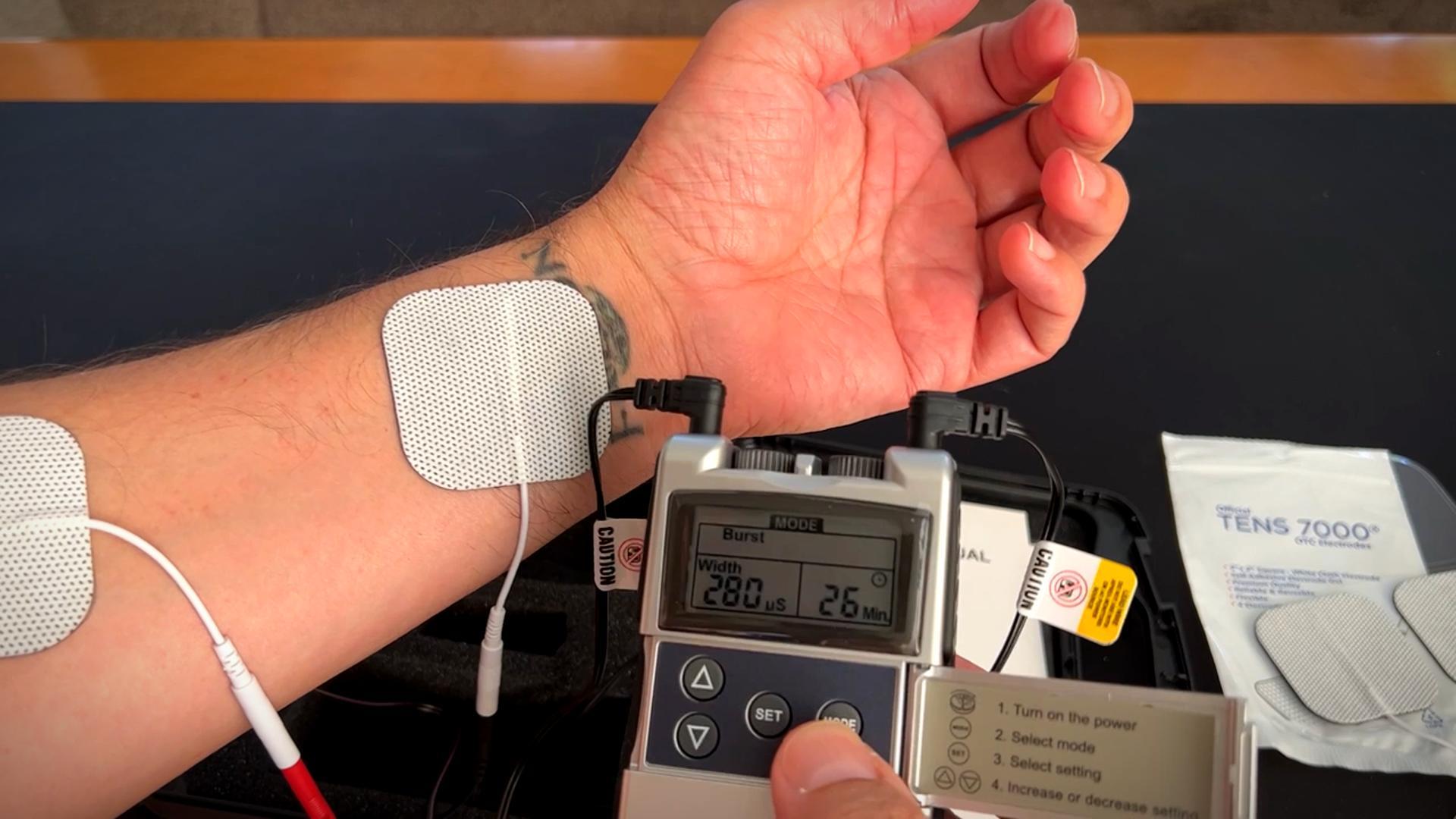
TENS/neuromodulation: Noninvasive nerve stimulation to gate pain signaling. Evidence level: emerging to moderate; can help some acute and chronic cases with low risk.
Mindfulness/meditation: Improves pain acceptance and reduces reactivity. Evidence level: moderate for pain interference and quality of life.
CBT/ACT: Builds coping skills and reduces catastrophizing. Evidence level: strong for function and mood in chronic pain.
Sleep optimization: Poor sleep heightens pain sensitivity. Evidence level: moderate to strong — improving sleep often reduces pain intensity.
Anti‑inflammatory diet and weight management: Mediterranean‑style patterns and weight loss reduce inflammatory load and joint stress. Evidence level: moderate to strong (notably for knee OA with meaningful weight loss).
What the Research Says About Top Natural Pain Relief Methods
Topical Therapies for Pain
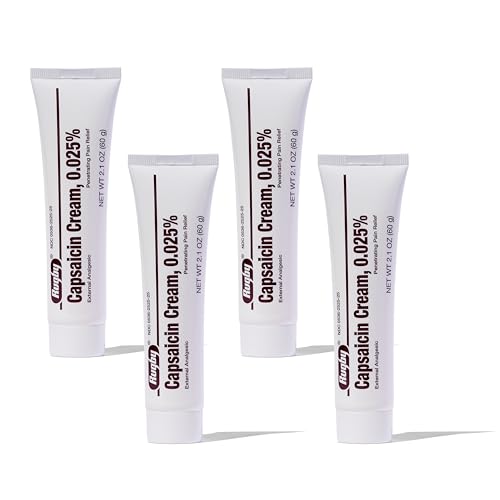
Capsaicin cream/patches (moderate evidence)
How it may work: Repeated application desensitizes TRPV1 pain receptors and depletes substance P.
When it helps: Neuropathic pain (e.g., post‑herpetic neuralgia), osteoarthritis, and peripheral nerve pain. High‑concentration 8% patches are clinic‑only; over‑the‑counter creams are lower dose.
How to use: 0.025%–0.075% cream 3–4 times daily for several weeks. Burning/tingling is common initially and often subsides.
Safety: Avoid eyes/mucous membranes; wash hands after use. Not on broken skin.
Practical pick: Many people find Capsaicin Cream 0.075% helpful for localized neuropathic discomfort.
Mechanism: Curcumin inhibits NF‑κB and COX‑2; antioxidant actions.
Evidence: Meta‑analyses suggest modest pain relief in osteoarthritis; some trials compare favorably to NSAIDs but with small samples and variable quality.
Typical dose: 500–1000 mg/day of standardized curcuminoids; enhanced‑absorption forms (with piperine or phospholipids) may improve results.
Safety: Can interact with anticoagulants and antiplatelets; may cause GI upset. Stop before surgery unless cleared by a clinician.
Ginger (moderate for dysmenorrhea; emerging to moderate for OA)
Mechanism: Inhibits pro‑inflammatory enzymes (COX/LOX), may reduce prostaglandins involved in cramps.
Typical dose: 1–2 g/day (capsules or tea) for menstrual cramps or OA trials.
Safety: May increase bleeding risk with anticoagulants; can cause heartburn.
Willow bark (moderate evidence)
Mechanism: Salicin converts to salicylic acid (aspirin‑like), reducing prostaglandins.
Typical dose: Standardized to 120–240 mg/day salicin.
Safety: Avoid with aspirin allergy, ulcers, anticoagulants, kidney disease, and in children/teens (Reye’s risk). Drug interactions similar to NSAIDs.
Mind–Body and Lifestyle Strategies for Lasting Relief
Mindfulness, meditation, and relaxation (moderate evidence)
Effects: Small to moderate improvements in pain interference, mood, and sleep. Practices include breath work, body scan, guided imagery, and MBSR programs.
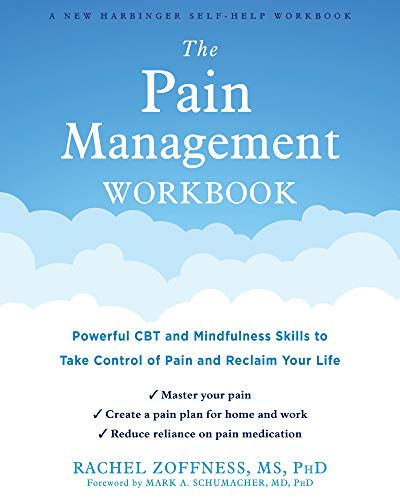
Cognitive behavioral therapy (CBT) and acceptance and commitment therapy (ACT) (strong evidence)
Effects: Reduce catastrophizing and fear‑avoidance, improve function and quality of life. Especially valuable when pain has persisted beyond 3 months.
Sleep health (moderate to strong evidence)
Why it matters: Short or disrupted sleep heightens pain sensitivity and inflammation.
What helps: Consistent schedule, dim evenings, cool/dark bedroom, morning light exposure; address sleep apnea or insomnia.
Anti‑inflammatory eating pattern and weight management (moderate to strong evidence)
What helps: Emphasize vegetables, fruit, legumes, whole grains, olive oil, nuts, fish; limit ultra‑processed foods and excess alcohol. In knee OA, 5–10% weight loss meaningfully reduces pain load.
Ergonomics and activity pacing (moderate evidence)
What helps: Adjust workstation height, take micro‑breaks, and rotate tasks. Use pacing: alternate effort with brief recovery to prevent flare‑ups.
Safety, Combining Approaches, and When to Get Help
Natural doesn’t always mean risk‑free. Keep these safety notes in mind:
Bleeding risk: Ginger, turmeric/curcumin, fish oil, and willow bark may increase bleeding when combined with anticoagulants/antiplatelets. Discuss with your clinician before combining.
GI and kidney risks: Willow bark and topical/oral NSAIDs may irritate the GI tract and affect kidneys; avoid if you have ulcers, kidney disease, or aspirin sensitivity.
Skin reactions: Capsaicin and arnica can irritate skin; avoid broken skin and eyes. Test a small area first.
Interactions and conditions: Magnesium can interact with certain antibiotics and affect people with kidney disease. Curcumin may affect gallbladder disease and some medications. Pregnant/breastfeeding individuals should consult their clinician before any supplement.
Children and teens: Avoid willow bark due to Reye’s syndrome concerns. Use pediatric‑appropriate guidance for dosing other supplements.
Combining approaches
Pair a topical (e.g., diclofenac gel or capsaicin) with movement therapy and sleep optimization for synergistic benefits.
For inflammatory joint pain, an anti‑inflammatory diet plus omega‑3s and a joint‑friendly exercise plan is a common, research‑supported combination.
For neuropathic pain, consider capsaicin, gentle nerve‑glide exercises, CBT/ACT, and clinician‑guided medications if needed.
Decision points and realistic expectations
Expect small to moderate improvements that add up. Multiple modestly effective tools often outperform one “big hammer.”
Trial period: Give a new approach 2–8 weeks (depending on the method) while tracking pain, function, and sleep.
Consult a clinician if pain persists beyond a few weeks without improvement, limits daily function, or if you need help tailoring combinations safely.
Resources for deeper reading on supplements and herbs:
This article is for educational purposes only and does not replace personalized medical advice. Always consult a qualified healthcare professional about your specific symptoms, medications, and conditions — especially if you have red‑flag symptoms, are pregnant, or are considering new supplements.
This content is for informational purposes only and does not constitute medical advice. Always consult a qualified healthcare provider before starting, stopping, or changing any supplement or medication regimen.
Natural Treatments for Chronic Pain: An Evidence‑Based Guide to Herbs, Supplements, and Integrative Therapies. If you live with persistent pain, you may be searching for natural treatments for chronic pain that actually help without heavy side effects. Research suggests that an integrative plan—combining targeted herbs and supplements, movement, hands‑on therapies, and mind–body strategies—can reduce pain in
Holistic Methods for Pain Relief: An Evidence‑Based Guide to Mind‑Body, Manual, Herbal, and Lifestyle Approaches. If you’re looking for holistic methods for pain relief, you’re likely hoping for options that reduce pain without heavy side effects, help you function better, and respect both body and mind. This guide brings together evidence‑based mind–body practices, movement and manual therapies, acupuncture an
Natural Pain Relief Supplements: Evidence‑Based Options, Dosage & Safety. If you’re searching for natural pain relief supplements, you’re likely weighing which options actually work, how to take them safely, and what to expect. Research suggests certain herbs, nutrients, and topical compounds can modestly reduce pain—especially for osteoarthritis, low back pain, headaches
Non‑Invasive Treatments for Pain Relief: An Evidence‑Based Guide. If you’re looking for non-invasive treatments for pain relief, you’re not alone. Many people want options that don’t involve surgery or long-term opioid use. This guide bridges western evidence and time‑tested eastern practices to help you understand what works, for which conditions, and how to use
Natural Pain Relief Supplements: An Evidence‑Based Comparison (Turmeric, Boswellia, Fish Oil, CBD & More). Many people search for a natural pain relief supplements comparison because they want options beyond NSAIDs or opioids—ideally with fewer side effects. This guide compares leading supplements head‑to‑head on mechanisms, best uses, dosing, safety, interactions, and how to choose what to try first.
N
Natural Remedies for Headaches: Evidence‑Based Herbs, Supplements & Self‑Care. If you’re searching for natural remedies for headaches, you’re not alone. Many people want options that ease pain, reduce frequency, and feel gentler than daily medications. This guide brings together western research and time‑tested eastern practices, clearly labeling the strength of evidence behin