Holistic Approaches to Stress Relief: Evidence‑Based Mind‑Body Practices, Herbs, and Lifestyle Strategies
A practical, evidence‑based guide to holistic approaches to stress relief: mind‑body practices, lifestyle changes, and safe complementary therapies.
·12 min read
This content is for informational purposes only and does not constitute medical advice. Always consult a qualified healthcare provider before starting, stopping, or changing any supplement or medication regimen.
If you’re feeling wired, tired, and overwhelmed, you’re not alone. Many people look for holistic approaches to stress relief that work with the whole person—mind, body, and daily environment. Research suggests integrated strategies can calm the stress response, improve mood and sleep, and support long‑term resilience when practiced consistently.
What Is Holistic Stress Relief?
Holistic stress relief means addressing the biological stress response (nervous and endocrine systems), thoughts and emotions, and the lifestyle context that keeps stress cycling—sleep, nutrition, movement, relationships, and environment. Rather than a single pill or practice, it’s a portfolio approach that combines mind‑body techniques, healthy routines, and, when appropriate, complementary therapies.
How Chronic Stress Affects Body and Mind
HPA axis: The hypothalamus–pituitary–adrenal (HPA) axis releases cortisol to help you respond to challenges. Chronic activation can dysregulate this system, contributing to fatigue, mood changes, and metabolic effects.
Autonomic nervous system: Persistent “fight‑or‑flight” (sympathetic) dominance raises heart rate and blood pressure and can suppress digestion and sleep. Practices that increase parasympathetic (vagal) tone often feel calming.
Inflammation and immunity: Stress can upregulate inflammatory pathways (for example, via NF‑κB) and alter immune function, which research links to increased susceptibility to infections and slower recovery.
Cognition and mood: Elevated stress is associated with impaired attention and memory (hippocampal effects) and heightened amygdala reactivity, which can amplify anxiety and irritability.
Epidemiology and clinical studies associate high perceived stress and job strain with greater risk of depression and anxiety, cardiovascular events, sleep disorders, and reduced quality of life. While correlation doesn’t prove causation, randomized trials show that specific behavioral interventions can reduce perceived stress and improve related outcomes (small to moderate effect sizes are common).
What the Research Says About Holistic Approaches to Stress Relief
Mindfulness and meditation: Multiple randomized trials and meta‑analyses show small to moderate reductions in perceived stress, anxiety, and depressive symptoms after structured programs (often 8 weeks). Evidence level: strong to moderate.
Breathwork (slow, diaphragmatic, or paced breathing): Trials indicate rapid decreases in state anxiety and physiological arousal; regular practice can improve heart rate variability (HRV). Evidence level: moderate.
Yoga, tai chi, and qigong: Studies suggest improvements in perceived stress, mood, and sleep, with added benefits for flexibility and balance. Evidence level: moderate.
Sleep optimization: Behavioral strategies (consistent schedule, light management) and CBT‑I for insomnia show strong evidence for better sleep and daytime functioning. Evidence level: strong (for CBT‑I), moderate (for general sleep hygiene).
Exercise: Aerobic and resistance training reduce stress and improve mood; benefits scale with regularity more than intensity. Evidence level: strong.
Nature exposure: Time in greenspace is associated with lower stress and better mood; experimental studies report reduced cortisol and improved affect. Evidence level: moderate.
Acupuncture, massage, aromatherapy: Reviews suggest short‑term reductions in stress and anxiety for many people; quality of evidence varies by modality and condition. Evidence level: moderate (acupuncture, massage), emerging to moderate (aromatherapy).
Adaptogenic herbs (e.g., ashwagandha, rhodiola): Early randomized trials report reduced perceived stress and fatigue; more large, independent studies are needed. Evidence level: emerging to moderate.
Psychotherapies (CBT, MBSR, ACT): Robust evidence for reducing stress, anxiety, and depressive symptoms, and improving coping. Evidence level: strong.
Mechanisms: Training attention and non‑judgmental awareness appears to reduce amygdala reactivity and strengthen prefrontal circuits involved in emotion regulation. Imaging research indicates changes in stress‑related brain networks after consistent practice.
Outcomes: Studies indicate small to moderate reductions in perceived stress, anxiety, and depressive symptoms, with possible improvements in sleep quality.
Timelines: Many programs (e.g., MBSR) run 8 weeks with 10–20 minutes of daily practice; benefits often build over 4–12 weeks.
Suitability: Generally safe. For those with significant trauma histories, a trauma‑sensitive approach and professional support may be helpful.
Breathwork (Paced, Diaphragmatic, or Box Breathing)
Mechanisms: Slow breathing (about 4–6 breaths/min) increases vagal activity, lowers heart rate, and can stabilize CO2 levels, reducing feelings of panic.
Outcomes: Rapid relief in moments of acute stress; regular practice may improve HRV and sleep onset.
Timelines: 5–10 minutes, 1–2 times daily, and “as needed” during stressful moments.
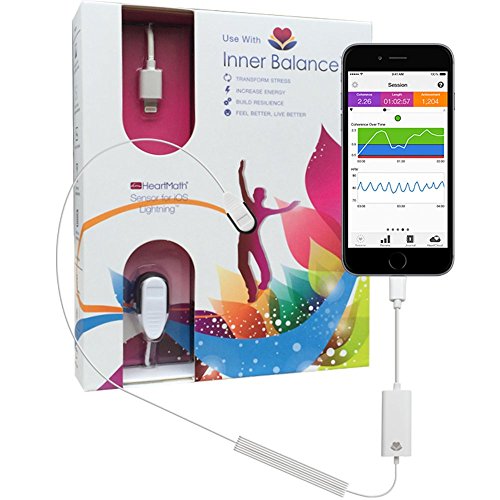
Tools: Many people find an HRV Biofeedback Trainer helpful for learning a comfortable breathing pace. Evidence supports HRV biofeedback for stress and anxiety (moderate evidence), but devices don’t treat medical conditions.
Yoga
Mechanisms: Combines movement, breath, and focused attention, which can downshift sympathetic arousal and reduce muscle tension.
Outcomes: Research suggests reduced perceived stress and improved mood and sleep; gentle to moderate styles are often best for stress relief.
Timelines: 2–3 sessions/week for 6–8 weeks commonly shows benefit.
Safety: Modify poses for joint issues; avoid hot yoga during pregnancy or if heat‑sensitive; check with a clinician if you have cardiovascular or musculoskeletal concerns.
Tai Chi and Qigong
Mechanisms: Slow, coordinated movement with mindful attention enhances balance and may boost parasympathetic tone.
Outcomes: Trials in older adults and people with chronic conditions show improvements in stress, sleep, and quality of life.
Timelines: 20–40 minutes, 2–3 times/week for 8–12 weeks.
Accessibility: Low‑impact and joint‑friendly; widely adaptable.
Progressive Muscle Relaxation (PMR)
Mechanisms: Systematically tensing and releasing muscle groups interrupts the tension–anxiety cycle and increases interoceptive awareness.
Outcomes: Evidence indicates reductions in anxiety and improved sleep onset for some people.
Timelines: 10–15 minutes daily for several weeks.
Safety: Generally safe; adjust if you have pain or spasticity disorders.
Why it matters: Sleep and stress are bi‑directional; poor sleep amplifies cortisol and amygdala reactivity, while stress disrupts restorative slow‑wave and REM sleep.
What helps (evidence‑based):
Consistent schedule (wake/bed within ~1 hour daily)
Morning daylight exposure; dim lights and screens 60–90 minutes before bed
Cool, dark, quiet bedroom; reserve bed for sleep and intimacy
If insomnia persists, cognitive behavioral therapy for insomnia (CBT‑I) has strong evidence
Caffeine and alcohol: Caffeine after mid‑day and alcohol within 3–4 hours of bedtime both worsen sleep architecture for many people.
Optional tools: Some people find Magnesium Glycinate 200 mg in the evening supports relaxation. Research on magnesium and sleep is mixed; avoid if you have significant kidney disease and check medications with a clinician.
Pattern matters: Anti‑inflammatory, Mediterranean‑style eating (vegetables, fruits, legumes, whole grains, nuts, fish, olive oil) is associated with better cardiometabolic and mood outcomes.
Steadier energy: Regular meals with protein, fiber, and healthy fats can prevent glucose swings that feel like anxiety.
Gut–brain axis: Emerging research links diverse, fiber‑rich diets and fermented foods with improved mood and lower inflammatory markers. Evidence is promising but not definitive.
Stimulants and stress: Monitor how you respond to caffeine; consider a personal “cut‑off time.” Alcohol may blunt stress briefly but tends to worsen sleep and next‑day anxiety for many people.
Movement and Exercise
Mechanisms: Exercise modulates neurotransmitters (e.g., endorphins, endocannabinoids), lowers inflammation, and can improve sleep depth.
What works: 150 minutes/week of moderate aerobic activity plus 2 sessions of resistance training is a practical baseline. Even 10‑minute brisk walks can shift mood in the moment.
Personalization: During high burnout, favor moderate‑intensity and outdoor movement; add intensity gradually to avoid overtraining.
Nature Exposure and Micro‑Recovery
Greenspace time: Studies suggest that 20–120 minutes/week in nature is associated with better well‑being and lower stress.
Daily micro‑breaks: 2–5 minute “reset” breaks (light stretch, breathwork, brief outdoor walk) help interrupt sympathetic buildup across the workday.
Work and Digital Hygiene
Boundaries: Batch email, limit notifications, and schedule defined “deep work” and “no work” blocks.
Ergonomics and light: A comfortable workstation and bright morning light (natural or lightbox) support energy and mood; dim evening light supports sleep.
Social buffers: Brief pro‑social interactions (a check‑in with a colleague or friend) can counter isolation stress.
Complementary Therapies and Professional Supports
Acupuncture
What research suggests: Reviews report reductions in perceived stress and anxiety for many individuals, with plausible mechanisms including modulation of endogenous opioids and autonomic balance. Evidence quality varies by condition.
Safety: Generally safe with licensed practitioners using sterile techniques. Discuss bleeding risks or pregnancy with your provider.
Effects: Short‑term reductions in muscle tension, heart rate, and perceived stress are common; benefits may be cumulative with regular sessions.
Safety: Usually safe; use caution with clotting disorders, fractures, severe osteoporosis, or acute injuries.
Aromatherapy
Evidence: Small trials suggest that inhaled essential oils like lavender may reduce state anxiety in specific settings (e.g., before medical procedures). Overall evidence is mixed.
Use: Diffuse or use a personal inhaler for brief sessions; avoid skin application without proper dilution and patch testing.
Tool: Many people find an Essential Oil Diffuser convenient for short calming sessions. Aromas can be pleasant supports but aren’t treatments for medical conditions.
Adaptogenic Herbs and Supplements
Ashwagandha (Withania somnifera): Several small randomized trials indicate reductions in perceived stress and modest cortisol changes. Possible drowsiness; avoid in hyperthyroidism, certain autoimmune conditions, and pregnancy unless advised by a clinician.
Rhodiola rosea: Trials in stress‑related fatigue and burnout report improved energy and mood markers. Can be stimulating; use caution with bipolar spectrum conditions and if taking antidepressants (theoretical interaction risk).
Evidence: Moderate evidence supports HRV biofeedback for reducing anxiety and improving stress resilience by training a coherent breathing pace and enhancing vagal tone.
Practice: 10–20 minutes, 3–5 days/week for 4–8 weeks. Often combined with CBT or mindfulness.
Tools: An HRV Biofeedback Trainer can provide real‑time feedback; not a medical device and not a substitute for care.
Cognitive Behavioral Therapy (CBT): Skills to reframe unhelpful thoughts and change behavior patterns that reinforce stress.
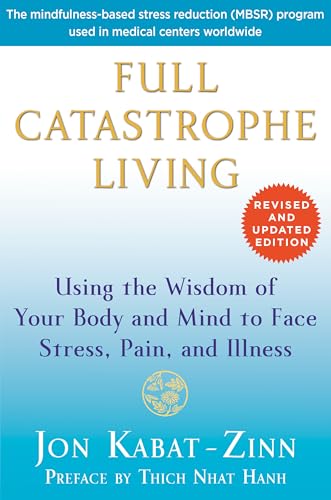
Mindfulness‑Based Stress Reduction (MBSR): An 8‑week program integrating meditation and mindful movement.
Acceptance and Commitment Therapy (ACT): Builds psychological flexibility and values‑aligned action.
When to seek: If stress is impairing work, relationships, or sleep for more than a few weeks—or if you notice panic attacks, severe depression, trauma symptoms, or substance use—seek professional evaluation.
Practical Personalization and Monitoring
Assess Your Baseline
Identify stressors: List top internal (e.g., perfectionism) and external (e.g., workload, caregiving) drivers.
Track for 1–2 weeks: Sleep duration/quality, caffeine/alcohol, movement, screen time, and perceived stress (e.g., the brief Perceived Stress Scale).
Pick anchors: One daily mind‑body practice (5–15 minutes), one movement goal, and one sleep or nutrition change.
Build a Sustainable Plan
Example weekly mix:
Daily: 10 minutes of paced breathing or mindfulness; 5 minutes of PMR before bed
3 days/week: 30–45 minutes of moderate exercise; add a short nature walk when possible
1–2 sessions/week: Yoga, tai chi, massage, or acupuncture as desired and available
Holistic approaches to stress relief work best as a personalized mix of practices you can sustain.
Start with one daily regulation skill (breathwork or mindfulness), one movement habit, and one sleep or nutrition lever.
Consider complementary supports like acupuncture, massage, or carefully chosen adaptogens if appropriate and safe for you.
Track simple metrics (sleep, mood, PSS score) and adjust every 4–8 weeks.
If symptoms escalate or persist, seek professional mental‑health or medical care.
This information is for educational purposes and should not replace personalized medical advice. Always consult a qualified professional about your specific situation, especially before starting new supplements or therapies.
This content is for informational purposes only and does not constitute medical advice. Always consult a qualified healthcare provider before starting, stopping, or changing any supplement or medication regimen.
Holistic Methods for Pain Relief: An Evidence‑Based Guide to Mind‑Body, Manual, Herbal, and Lifestyle Approaches. If you’re looking for holistic methods for pain relief, you’re likely hoping for options that reduce pain without heavy side effects, help you function better, and respect both body and mind. This guide brings together evidence‑based mind–body practices, movement and manual therapies, acupuncture an
Supplements for Stress Management: Evidence‑Based Options, Dosage & Safety. If you’re feeling wired, worn down, or both, you might be wondering which supplements for stress management are truly worth trying. Research suggests certain nutrients, herbs, and mind‑body compounds can nudge stress systems toward balance. Still, even the best options offer small‑to‑moderate benefi
Stress Relief with Ayurveda: Dosha‑Based Techniques, Breathing, Diet & Herbal Support. Feeling wired, tired, or both — and wondering how to calm your system without losing your edge? This guide walks through stress relief techniques from Ayurveda, integrating traditional wisdom with what modern research suggests about breathwork, movement, diet, and herbs. You’ll find dosha‑specific t
Eastern Approaches to Mental Wellness: TCM, Ayurveda, Mind‑Body Practices, and Evidence‑Based Strategies. If you’re exploring eastern approaches to mental wellness, you might be wondering how traditions like Traditional Chinese Medicine (TCM), Ayurveda, mindfulness, qigong, and yoga can help with stress, anxiety, mood, and clarity—especially alongside therapy or medication. Research suggests many of the
Naturopathic Approaches to Mental Health: Evidence‑Based Herbs, Supplements, Lifestyle & When to See a Naturopath. Many people are searching for safe, effective ways to feel calmer, think more clearly, and sleep better without relying only on medication. Naturopathic approaches to mental health aim to treat the whole person—body, mind, and environment—while working alongside conventional psychiatric care when ne
Holistic Methods for Improving Immunity: An Evidence‑Based Guide to Lifestyle, Herbs, and Mind‑Body Practices. If you’re looking for holistic methods for improving immunity, you’re not alone. Many people want a practical, evidence‑informed plan that blends lifestyle, nutrition, mind–body practices, and time‑honored botanicals. Research suggests you can support both innate and adaptive immunity by stacking sm