Grounding Exercises for Mental Health: Evidence‑Based Techniques to Reduce Anxiety and Improve Mood
Learn evidence-based grounding exercises for mental health—quick sensory, breath, and movement techniques to reduce anxiety, panic, and dissociation.
·10 min read
This content is for informational purposes only and does not constitute medical advice. Always consult a qualified healthcare provider before starting, stopping, or changing any supplement or medication regimen.
If your mind races, your chest tightens, or the world starts to feel unreal, simple grounding exercises for mental health can help you come back to the present moment. Grounding aims to reduce dissociation, manage panic, and interrupt rumination by engaging your senses, breath, movement, and attention. Research suggests these skills can calm overactive stress circuits and strengthen emotion regulation—especially when practiced consistently or used inside a broader therapy plan.
What Is Grounding? (And What It Isn’t)
Grounding in mental health refers to brief, practical techniques that shift attention to the here-and-now. The goal is to anchor you in your body and environment when anxiety, panic, dissociation, or overwhelming emotions take over. Clinicians often teach grounding in cognitive-behavioral therapy (CBT), dialectical behavior therapy (DBT), and trauma-focused care.
Grounding is different from “earthing,” which involves physical contact with the earth (like walking barefoot on grass) to alter bioelectrical charge. While some people enjoy earthing, this article focuses on psychological grounding. The mental-health form uses sensory input, breath, movement, and cognitive tasks to stabilize attention and physiology.
How Might Grounding Work?
Bottom-up calming: Slow, paced breathing extends the exhale and stimulates the vagus nerve, which lowers heart rate and helps shift the nervous system from fight-or-flight toward rest-and-digest.
Orienting response: Naming what you see, hear, or feel engages the brain’s salience and attention networks (including the insula and prefrontal cortex), helping reorient from internal distress to external safety cues.
Competing inputs: Temperature shifts, tactile textures, and light movement provide concrete sensations that “compete” with intrusive thoughts or flashbacks, reducing their intensity in the moment.
Cognitive load: Simple mental tasks (counting backward, naming categories) gently occupy working memory, interrupting spirals of rumination.
What the Research Says
Breathing at a slow rate (about 4.5–6 breaths per minute) and HRV biofeedback show moderate-to-strong evidence for reducing anxiety and improving stress resilience across multiple randomized trials and meta-analyses (strong-to-moderate evidence overall for these sub-skills).
Mindfulness and present-moment attention—skills that overlap with grounding—have strong evidence for reducing anxiety and stress and for improving mood; neuroimaging suggests changes in emotion-regulation circuits. For a deeper look at stress circuits, see our overview of amygdala-focused practices in Meditation and the Amygdala: What Brain Scans Reveal About Stress Circuits.
DBT and trauma-focused treatments often include grounding; clinical trials show these therapies reduce self-harm, PTSD symptoms, and emotional reactivity. However, grounding itself is usually one component, making it hard to isolate its independent effect (moderate evidence by association).
Specific techniques like the 5-4-3-2-1 method lack large, direct trials; their support is mainly clinical experience and smaller studies (emerging-to-traditional evidence).
Overall, the evidence for grounding exercises for mental health is best described as moderate: some elements (slow breathing, mindfulness, HRV biofeedback) have strong backing, while quick sensory or cognitive drills rely more on clinical practice and emerging research.
Types of Grounding: A Practical Catalog
Below are options you can use in different situations. Try a few; personalize what works; and practice when you’re calm so the skills are available under stress.
Sensory Grounding
5‑4‑3‑2‑1 Scan (emerging evidence; widely used in practice)
Name 5 things you see, 4 you feel (touch), 3 you hear, 2 you smell, 1 you taste. Speak softly or in your head. Keep your eyes open; look for detail, color, texture.
Quick variant (30–60 seconds): Do “3‑2‑1” instead of the full sequence.
Tactile Anchor (traditional/clinical practice)
Hold a textured object: a smooth stone, a fidget ring, fabric with a weave. Describe it: cool/warm, heavy/light, rough/smooth.
Quick variant: Press fingertips together firmly and notice the sensation for three breaths.
Temperature Reset (emerging-to-moderate evidence via the orienting reflex and parasympathetic activation)
Rinse hands or face with cool water, hold a cold pack wrapped in cloth, or sip ice water. Brief cold on the face may trigger a calming “dive response” for some people.
Caution: Avoid strong cold exposure if you have cardiovascular conditions; keep it brief and comfortable.
Sound and Scent (traditional/clinical practice)
Put on calming ambient sounds or identify distinct noises around you. If non-irritating, use a mild scent (citrus peel, vanilla) to mark “now.” Avoid strong fragrances if you have asthma or sensitivities.
Many people find a small textured “worry stone,” a discreet fidget ring, or a handheld ice roller helpful for this purpose. If you’re building a pocket kit, consider a simple textured item like a Grounding Stone you enjoy holding. These tools don’t treat anxiety but can make sensory grounding easier to practice.
Breath- and Counting-Based Grounding
Paced Exhale Breathing (strong evidence subset)
Inhale through the nose for 4, exhale for 6–8. Aim for 4.5–6 breaths per minute for 2–5 minutes. If dizzy, shorten the exhale slightly.
Box Breathing (moderate evidence; used in performance settings)
Inhale 4, hold 4, exhale 4, hold 4. Repeat for 1–3 minutes. If breath holds feel edgy, skip the holds.
4‑7‑8 (emerging evidence)
Inhale 4, hold 7, exhale 8 for 4 cycles. Not ideal if breath-holds trigger anxiety; adjust numbers or choose paced exhale instead.
Counting Tasks (traditional/clinical practice)
Count backward from 100 by 3s or 7s; or pick a letter and name animals/foods that start with it for one minute.
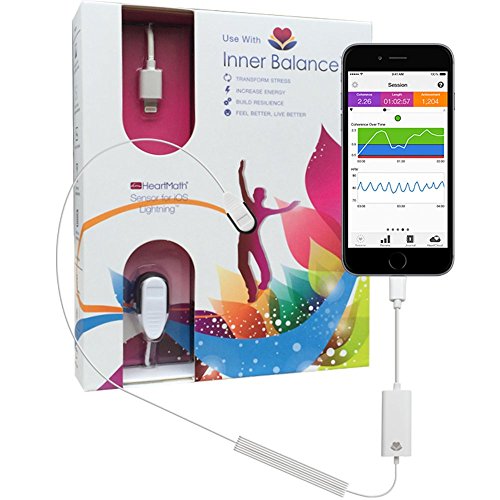
If you like gadgets, a simple breath-pacing app or an entry-level HRV biofeedback sensor can guide you to an optimal breathing rhythm. Some people find an HRV Biofeedback Sensor helpful for learning slow breathing; evidence suggests HRV biofeedback can reduce anxiety, but results vary by person.
Movement-Based Grounding
Feet + Push (traditional/clinical practice)
Stand or sit. Press feet firmly into the floor and feel the contact. If able, press your hands into a wall for 10 seconds, release, repeat 3 times.
Micro‑Movements (emerging-to-moderate)
Roll shoulders, stretch fingers, or gently stamp feet while naming sensations.
Walking with Senses (moderate via mindful walking)
Walk slowly for 2–5 minutes: 5 steps noticing your feet, 5 steps noticing sounds, 5 steps noticing sights. Repeat.
Progressive Muscle Tension/Release (moderate)
Gently tense a muscle group for 5 seconds, then release for 10–15; move from feet to face.
For those who like calming deep pressure, a small weighted lap pad or blanket can add a steady tactile anchor during evening wind-down. Some users report a Weighted Blanket feels soothing; research on sleep and anxiety is mixed-to-moderate, and personal preference matters.
State the date, time, where you are, your age, one safe object in view, and one thing you’ll do next. Example: “It’s Tuesday, 3:10 pm. I’m on my couch in Denver. I’m safe. I’ll text Alex after this.”
Name-and-Label
Briefly label what’s happening: “This is a panic surge. It will peak and pass.” Then pair with three slow exhales.
Safe-Place Imagery (moderate for some)
Picture a calming scene with rich sensory detail for 2–3 minutes. If imagery feels destabilizing, choose external sensory methods instead.
Matching Techniques to Common Problems
Grounding exercises for mental health can be tailored. Here’s how to match them to what you’re facing.
Panic Attacks
Immediate: Cool water on hands/face, paced exhale (4 in/6–8 out), name 5 things you see. Avoid long breath holds if hyperventilation-prone.
Longer-term: Daily 5 minutes of slow breathing or HRV biofeedback; brief exposures to bodily sensations in CBT can reduce fear of them.
Dissociation/Depersonalization
Immediate: Eyes open, name your location/date, press feet into floor, tactile anchor. Speak your name and age out loud. Add movement (wall push).
Longer-term: Consistent sensory orientation practices, mindfulness with eyes open; collaborate with a trauma-informed therapist if dissociation is frequent.
Generalized Anxiety/Rumination
Immediate: 3‑2‑1 senses, backward counting by 7s for one minute, three cycles of 4/6 breathing.
Longer-term: Wind-down ritual with low-arousal grounding and consistent sleep timing; some find a light-to-medium Weighted Blanket comforting at bedtime (responses vary).
Interoceptive sensitivity: Focusing on breath or heartbeat can briefly raise anxiety in some people with panic; start with external senses or movement, then titrate breath work.
Breath holds: May feel uncomfortable; reduce or avoid during pregnancy or if you have dizziness or certain cardiac/respiratory conditions. Favor gentle exhale-focused breathing instead.
Temperature: Avoid intense cold exposure if you have cardiovascular disease, Raynaud’s, or neuropathy. Use mild, brief cooling only.
Isometrics and stamping: If you have uncontrolled hypertension, joint issues, or dizziness, favor gentler pressure or seated versions.
Scents: Use fragrance-free environments if you or others nearby have asthma or sensitivities.
Trauma considerations: Eyes-closed body scans or internal imagery can be triggering for some; keep eyes open, orient to the room, and work with a trauma-informed clinician.
How to Implement Grounding and Make It Stick
Choose 2–3 “go-to” skills: one sensory, one breath-based, one movement or cognitive. Write them on a card in your wallet or phone notes.
Practice when calm: 2–5 minutes daily builds the neural “pathways” you’ll use under stress—similar to strength training for attention.
Habit-stack: Pair grounding with existing routines—after washing hands, before opening email, or when entering your car.
Build a small kit: Tactile item, mild scent (if tolerated), and a printed 3‑step plan. Many people like a discreet fidget ring or a small Grounding Stone for this.
Crisis plan (90 seconds): 1) Orient: “Today is [date]. I’m in [place]. I’m safe right now.” 2) Exhale longer than you inhale for six breaths. 3) Temperature reset (cool hands/face) if safe.
Troubleshooting
“It doesn’t work.” Shorten and repeat. Start with temperature or touch, then add breath. Consistency matters more than intensity.
“I forget in the moment.” Set phone reminders; place visual cues (a sticky note that says “Exhale”).
“I feel silly using these in public.” Use subtle versions: press toes into shoes, silently count breaths, roll a small fidget in a pocket.
“I get dizzy when I breathe slowly.” Keep exhale only slightly longer than inhale, or switch to sensory/movement until steadier.
Combining Grounding with Broader Care
Grounding is a skill, not a cure-all. It’s often most effective when paired with:
Some users also find simple tools like an HRV Biofeedback Sensor or a Weighted Blanket useful training wheels. Evidence varies by individual; these are supports, not treatments.
Practical Takeaways
For acute anxiety or panic: Try 90 seconds of orienting + exhale-focused breathing + mild temperature reset.
For dissociation: Keep eyes open, name the date/place, press feet and hands into solid surfaces; add movement.
For rumination: Do a 3‑2‑1 sensory scan followed by one minute of backward counting.
For daily resilience: Practice 5 minutes of slow breathing or mindful walking; pair with micro-resets during transitions.
Personalize and prepare: Pick your top 3 skills, practice when calm, and keep a small kit accessible.
When to Seek Professional Help
Panic attacks that recur or limit your life
Dissociation, memory gaps, or feeling unreal that persist
Nightmares, flashbacks, or avoidance after trauma
Anxiety or low mood lasting more than two weeks or impairing work/relationships
Any thoughts of self-harm or suicide—seek urgent help immediately (call emergency services or your local crisis line)
This information is for educational purposes and should not replace personalized medical or mental health advice. Work with a licensed professional to tailor strategies to your needs.
This content is for informational purposes only and does not constitute medical advice. Always consult a qualified healthcare provider before starting, stopping, or changing any supplement or medication regimen.
Yoga Exercises for Mental Clarity: A Practical Guide to Poses, Breathwork, and Short Routines. If you’re feeling scattered, forgetful, or stuck in “mental fog,” yoga exercises for mental clarity can offer practical, evidence‑informed tools to steady attention, lift alertness, and reduce rumination. Mental clarity here means a felt sense of focus, ease in decision‑making, and the ability to sh
Guided Meditation for Mental Wellness: Evidence‑Based Techniques, How to Start, and Sample Scripts. If you’re curious whether guided meditation for mental wellness can actually help with stress, anxiety, mood, and sleep, you’re in the right place. Guided meditation pairs a soothing voice with step‑by‑step instructions, lowering the barrier to practice and making it easier to build a habit. Researc
Herbal Treatments for Anxiety Relief: Evidence-Based Herbs, Dosage, and Safety. Feeling keyed up, tense, or stuck in worry—and wondering whether herbal treatments for anxiety relief can help? Research suggests some plant-based options may ease mild to moderate anxiety symptoms, especially when combined with lifestyle strategies and therapy. This guide reviews what the science s
Eastern Approaches to Mental Wellness: TCM, Ayurveda, Mind‑Body Practices, and Evidence‑Based Strategies. If you’re exploring eastern approaches to mental wellness, you might be wondering how traditions like Traditional Chinese Medicine (TCM), Ayurveda, mindfulness, qigong, and yoga can help with stress, anxiety, mood, and clarity—especially alongside therapy or medication. Research suggests many of the
Holistic Approaches to Stress Relief: Evidence‑Based Mind‑Body Practices, Herbs, and Lifestyle Strategies. If you’re feeling wired, tired, and overwhelmed, you’re not alone. Many people look for holistic approaches to stress relief that work with the whole person—mind, body, and daily environment. Research suggests integrated strategies can calm the stress response, improve mood and sleep, and support lo
Eastern Wellness Practices for Relaxation: An Evidence‑Based Guide to Yoga, Meditation, Acupuncture, Ayurveda, Tai Chi & Qigong. If stress is running the show, you may be wondering which eastern wellness practices for relaxation are worth your time. Yoga, meditation, acupuncture, Ayurveda, tai chi, and qigong offer time‑tested ways to calm the nervous system. Research suggests many of these practices can reduce perceived stre