Herbal Remedies for Anxiety: Evidence-Based Options & How to Choose
A balanced, evidence-aware guide to herbal remedies for anxiety, including mechanisms, dosing, safety, quality tips, and when to seek professional support.
·13 min read
This content is for informational purposes only and does not constitute medical advice. Always consult a qualified healthcare provider before starting, stopping, or changing any supplement or medication regimen.
If you’re exploring herbal remedies for anxiety, you likely want something natural that can take the edge off without heavy side effects. This guide walks through what “herbal remedies” actually are, how they may work, and what the research says about specific options like kava, ashwagandha, lavender, passionflower, lemon balm, valerian, and chamomile. We’ll also cover dosing, safety, and smart buying tips so you can make an informed choice.
Note: Research suggests these herbs can help mild to moderate anxiety; they are not a replacement for professional care when anxiety is severe, persistent, or interfering with daily life.
What we mean by “herbal remedies” — and who this guide is for
Herbal remedies include whole plants or concentrated extracts used to support health. They range from simple teas and tinctures to standardized capsules with known amounts of active compounds. This guide is for adults with situational stress, generalized worry, or sleep-disruptive tension who are curious about botanicals and want an evidence-aware, safety-first approach.
Western perspective: Studies indicate several herbs modestly reduce anxiety symptoms compared to placebo, especially for mild to moderate cases. Effects are typically smaller than prescription medications but often come with better tolerability.
Eastern/traditional perspective: Many of these herbs — such as ashwagandha in Ayurveda or chamomile in Western herbalism — have been used for centuries to calm the nervous system and restore balance. Traditional frameworks (like Ayurveda’s concept of balancing Vata) can complement modern mechanisms.
Throughout this article, we classify evidence strength as strong, moderate, emerging, or traditional. Most herbal remedies for anxiety fall into the moderate range.
How herbal remedies may help anxiety (mechanisms and limits of evidence)
Anxiety involves multiple biological systems: brain neurotransmitters (GABA, serotonin, norepinephrine), the stress axis (HPA axis and cortisol), inflammatory signaling, and the autonomic nervous system. Herbs can act on one or more of these pathways:
GABAergic modulation: Valerian, passionflower, and lemon balm contain compounds that may increase GABA activity — the primary calming neurotransmitter — or inhibit enzymes that break it down.
Serotonergic and dopaminergic tone: Lavender oil constituents (linalool, linalyl acetate) and some flavonoids from chamomile may influence serotonin signaling involved in mood and anxiety.
HPA-axis and cortisol effects: Ashwagandha’s withanolides have been shown to reduce perceived stress and may normalize cortisol rhythms in some studies.
Ion channels and neuronal excitability: Kava’s kavalactones interact with GABA-A and voltage-gated ion channels, which can reduce over-excitation.
Inflammation and oxidative stress: Polyphenols from chamomile and lemon balm have antioxidant and mild anti-inflammatory effects, which might indirectly support mood regulation.
Limits of the evidence:
Effect sizes are generally small-to-moderate. Many trials are short (4–12 weeks) and sample sizes vary.
Placebo response in anxiety is high, which can blur differences; rigorous, larger trials are still needed for several herbs.
Quality and standardization of products differ widely, affecting results and safety.
What the Research Says: evidence-based herbal remedies for anxiety
This section summarizes human clinical research, typical dosing ranges used in studies, and safety notes. Evidence levels reflect the current balance of data.
What the research says: Multiple randomized controlled trials (RCTs) and meta-analyses suggest kava extracts can reduce anxiety symptoms more than placebo, with small-to-moderate effects. Some studies report clinically meaningful drops on scales like HAMA (Hamilton Anxiety Rating Scale).
Typical dose forms: Standardized extracts providing about 120–280 mg total kavalactones daily, divided; short-term use over 2–6 weeks is common in trials.
Mechanism: Kavalactones modulate GABA-A receptors and voltage-gated ion channels, dampening neuronal overactivity.
Safety notes: Rare but serious liver injury has been reported. Risk appears higher with poor-quality material (non-root parts, improper extraction), alcohol use, or underlying liver disease. Avoid with alcohol or sedatives, and avoid if you have liver disease. Stop and seek medical care if you develop dark urine, jaundice, or abdominal pain.
What the research says: Several RCTs suggest ashwagandha reduces perceived stress and anxiety compared with placebo, with small-to-moderate effect sizes over 6–12 weeks. Benefits often include improved sleep quality.
Typical dose forms: 240–600 mg/day of a root extract standardized to withanolides (e.g., KSM-66 or Sensoril-type extracts) for 6–12 weeks.
Mechanism: Withanolides may modulate GABAergic signaling, support healthy cortisol rhythms, and act as adaptogens — helping the body regulate stress responses.
Safety notes: Generally well tolerated. Occasional GI upset, drowsiness. Case reports suggest potential effects on thyroid hormones; use caution if you have thyroid disease or are on thyroid medication. Avoid during pregnancy and with autoimmune flares unless supervised.
Lavender (Lavandula angustifolia) — oral essential oil capsules — Evidence level: moderate to strong for subclinical anxiety
What the research says: Multiple RCTs using standardized oral lavender oil (often 80–160 mg/day of Silexan-type preparations) show reduced anxiety scores versus placebo over 6–10 weeks, with small-to-moderate effects and favorable tolerability.
Typical dose forms: 80–160 mg/day standardized oral lavender oil capsules for at least 6 weeks.
Mechanism: Linalool and linalyl acetate may modulate glutamate and GABA signaling and calm sympathetic nervous system activity.
Safety notes: Generally well tolerated. May cause mild GI upset or burping with a lavender aftertaste. Avoid concurrent use with multiple sedatives without medical advice.
Passionflower (Passiflora incarnata) — Evidence level: emerging to moderate
What the research says: Small RCTs suggest benefits for situational anxiety (e.g., preoperative) and possible improvements in generalized anxiety with modest effects. Often combined with other calming herbs.
Typical dose forms: 200–500 mg/day of standardized extract; or liquid extract 0.5–2 mL up to three times daily; short-term use around stressful events.
Mechanism: Flavonoids (e.g., chrysin) may bind to GABA-A receptor sites, supporting relaxation.
Safety notes: May cause drowsiness or dizziness; caution when driving or combining with sedatives.
What the research says: Studies indicate single doses of lemon balm extract (often 300–600 mg) can reduce acute anxiety and improve calmness within 1–2 hours; longer-term data are more limited.
Typical dose forms: 300–600 mg standardized extract for daytime calm; teas or combination formulas for evening wind-down.
Mechanism: Rosmarinic acid and other polyphenols may inhibit GABA transaminase, increasing GABA signaling; antioxidant effects may also play a role.
Safety notes: Generally well tolerated. Mild sedation possible. Theoretical caution in thyroid disorders; discuss with your clinician if you take thyroid medication.
Valerian (Valeriana officinalis) — Evidence level: emerging for anxiety, moderate for sleep
What the research says: Best-supported for sleep onset and quality; anxiety-specific results are mixed. It can be useful when anxiety and sleep issues overlap, often in combination formulas.
Typical dose forms: 400–600 mg of standardized root extract about 30–60 minutes before bed; daytime dosing can cause drowsiness.
Mechanism: Valerenic acids may modulate GABA-A receptors and adenosine signaling.
Safety notes: May cause next-day grogginess. Avoid driving after doses. Potential additive effects with other sedatives. See our overview: Valerian Root.
What the research says: RCTs of standardized chamomile extract show small-to-moderate improvements in generalized anxiety symptoms versus placebo over several weeks. Many people also use chamomile tea for gentle calming.
Typical dose forms: Standardized extracts totaling about 500–1500 mg/day; tea made with 2–3 g of dried flowers steeped 5–10 minutes, 1–3 cups/day.
Mechanism: Apigenin and other flavonoids may bind to benzodiazepine receptor sites on GABA-A receptors, producing mild anxiolytic effects.
Safety notes: Possible allergy if you’re sensitive to ragweed or related plants. May interact with blood thinners; discuss with your clinician.
Best herbal remedies for anxiety: how to choose the right one for you
There’s no single “best” herb — fit depends on your symptoms, timeline, and risk factors.
Need daytime calm without sedation: Lavender capsules or lemon balm are commonly chosen for workday steadiness.
Stress resilience over weeks (sleep and mood): Ashwagandha or chamomile extracts are frequently used.
Short-term relief for situational anxiety: Kava or passionflower may help for occasional events, with kava requiring special attention to liver safety.
Sleep-disturbing anxiety: Valerian (especially combined with lemon balm or passionflower) is often used at night.
Extract type and standardization
Standardized extracts provide consistent amounts of key compounds (e.g., kavalactones in kava, withanolides in ashwagandha). This improves predictability and study alignment.
Teas and tinctures can be effective for milder needs or when you prefer gentler, ritual-based support.
Oils vs. aqueous extracts: For lavender, oral essential oil capsules have the strongest evidence. For kava, root-only extracts from noble cultivars with water or ethanol extraction are preferred.
Form factors: capsules, tinctures, or teas
Capsules: Best for precise dosing and convenience.
Tinctures: Allow flexible, rapid titration and can act faster sublingually.
Teas: Gentle, supportive, and ideal for evening rituals (e.g., chamomile or lemon balm tea).
Dosage, timing, and realistic expectations — short-term vs. long-term use
Onset of action
Faster (hours): Kava, lemon balm, and passionflower can work the same day for many people.
Slower (weeks): Ashwagandha, lavender capsules, and chamomile extracts typically need 2–6+ weeks for full effect.
Duration of use
Short-term situational use: Kava and passionflower are often used for 2–6 weeks or around specific events.
Longer-term support: Ashwagandha and lavender are commonly studied for 6–12 weeks; chamomile may be used longer with guidance.
Dosing strategy
Start low, go slow: Begin at the lower end of evidence-based ranges and increase every 3–7 days as tolerated.
Timing: Daytime calming herbs (lavender, lemon balm, lower-dose ashwagandha) are often taken in the morning or midday; sleep-focused herbs (valerian, higher-dose chamomile) are best 30–60 minutes before bed.
What to expect
Symptom reductions are often modest (for example, 10–25% improvements on validated anxiety scales in studies). Many people notice better sleep, reduced muscle tension, and improved stress tolerance.
If you see no change after a full trial (e.g., 4–6 weeks at a studied dose), consider switching strategies or speaking with a clinician.
Safety, side effects, and drug interactions
General guidance
Avoid combining multiple sedating herbs with alcohol, benzodiazepines, sleep medications, or other CNS depressants.
Pregnant or breastfeeding: Safety data are limited for most herbs; avoid medicinal doses unless advised by your clinician.
Medical conditions: If you have liver disease, kidney disease, bleeding disorders, thyroid disease, epilepsy, Parkinson’s disease, or severe psychiatric disorders, get personalized medical advice before using botanicals.
Herb-specific cautions
Kava: Potential for rare serious liver injury. Use only root-only, noble-cultivar extracts from reputable brands. Avoid if you drink alcohol, take hepatotoxic medications, or have liver disease. Limit to short-term use and stop if you develop liver-related symptoms.
Ashwagandha: Occasional GI upset or drowsiness. Case reports of elevated thyroid hormones; monitor if you have thyroid conditions. May interact with immunosuppressants or sedatives.
Lavender oil (oral): Generally safe; possible GI discomfort. Caution with other sedatives.
Passionflower: May cause drowsiness or dizziness; theoretical interactions with sedatives and anticoagulants.
Lemon balm: Usually well tolerated; mild sedation possible. Theoretical thyroid interactions; consult your clinician if on thyroid meds.
Valerian: Drowsiness and next-day grogginess; potential additive effects with sedatives and anesthesia. Discontinue several days before surgery.
Chamomile: Allergy risk (especially with ragweed allergy). Possible interaction with anticoagulants/antiplatelets.
Medications commonly combined with herbs — what to know
SSRIs/SNRIs: Generally, the herbs listed here are not strong serotonin boosters, but monitor for excess sedation or GI effects. Work with your prescriber if you add any supplement.
Benzodiazepines and sleep medications: Additive sedation with kava, valerian, passionflower, chamomile, and lavender is possible; avoid combining without medical guidance.
Thyroid medications: Use caution with ashwagandha and lemon balm; monitor symptoms and labs with your clinician.
Anticoagulants/antiplatelets: Chamomile and possibly passionflower may increase bleeding risk; discuss with your healthcare professional.
Buying guidance and product recommendations (quality seals, third-party testing)
Quality matters. Variability in herbal products is a major reason study results and personal experiences differ.
What to look for on labels
Plant part and species: e.g., “Lavandula angustifolia oil,” “Valeriana officinalis root.”
Standardization: e.g., “ashwagandha extract standardized to ≥5% withanolides,” “kava extract providing 120 mg kavalactones per day.”
Extract ratio/solvent: e.g., “10:1 hydroalcoholic extract.” For kava, look for root-only, noble-cultivar sourcing and avoid products using stems/leaves.
Third-party testing: USP Verified, NSF, or products that provide Certificates of Analysis (CoA) showing identity, potency, and contaminant testing (heavy metals, microbes, solvent residue, pesticides).
Affiliate product callouts (options to consider)
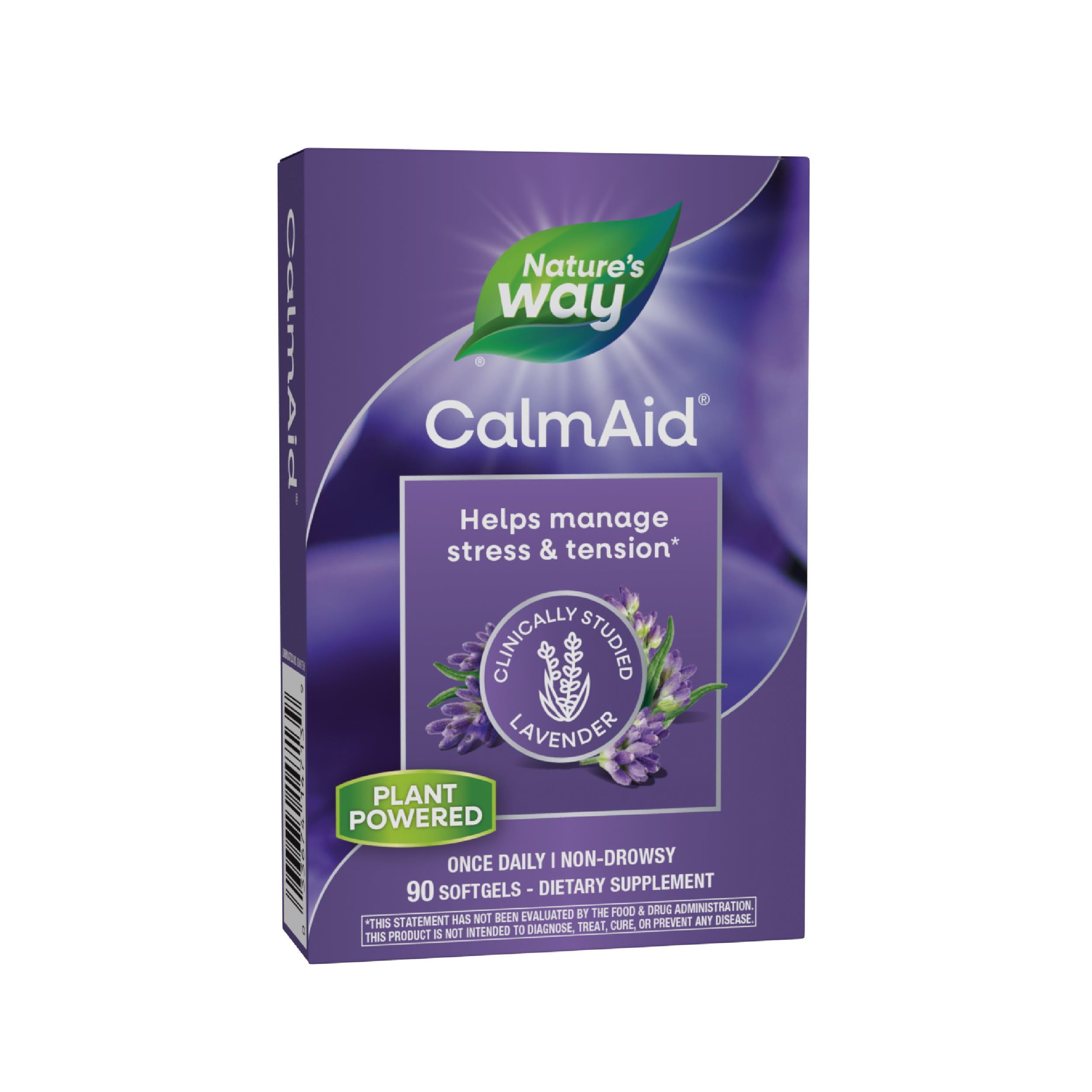
Many people find Lavender Oil Capsules (80 mg Silexan) helpful for consistent, once-daily dosing while they evaluate lavender’s calming potential over 6–8 weeks.
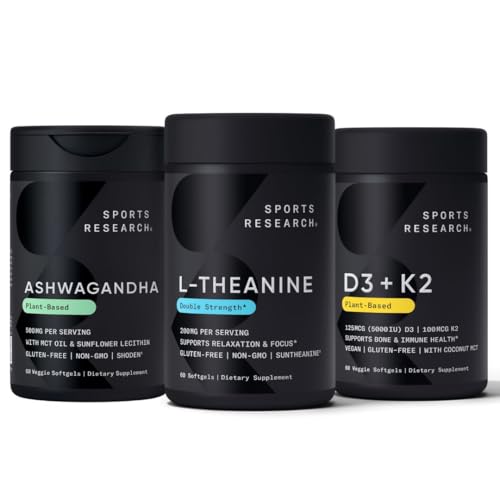
Standardized, clinical-range ashwagandha like Ashwagandha Extract (KSM‑66), 300 mg is a common starting point for stress support, especially in the evening if drowsiness occurs.
For occasional situational anxiety, some prefer root-only, noble-cultivar kava such as Noble Kava Root Extract, 250 mg kavalactones. Prioritize brands with transparent third-party testing and clear liver safety warnings.
These mentions are informational; they are not endorsements or medical advice. Choose products with transparent sourcing and independent testing whenever possible.
When to see a healthcare professional and combining herbs with therapy/medication
Seek professional help promptly if:
Anxiety is persistent, worsening, or causes significant impairment at work, school, or in relationships
You experience panic attacks, severe insomnia, suicidal thoughts, substance misuse, or physical symptoms like chest pain or shortness of breath
You’re pregnant, breastfeeding, have complex medical conditions, or take multiple medications
Combining approaches
Cognitive behavioral therapy (CBT), mindfulness-based stress reduction, breathwork, and sleep hygiene can amplify the benefits of herbal strategies.
If you’re on medication, discuss any herb with your prescriber; a collaborative plan can help avoid interactions and fine-tune dosing.
Practical takeaways
Research suggests several herbal remedies for anxiety can offer small-to-moderate relief, especially for mild to moderate symptoms.
Consider your primary goal: quick calm (kava, lemon balm, passionflower), steadier daytime ease (lavender), longer-term stress resilience and sleep support (ashwagandha, chamomile), or nighttime calm (valerian combinations).
Use standardized products from reputable brands with third-party testing. Start low and reassess after a realistic trial period (4–6 weeks for slower-acting herbs).
Safety first: mind liver health with kava, sedation risks with multiple calming agents, and potential interactions with medications (SSRIs, benzodiazepines, thyroid meds, blood thinners).
What the research says — quick summary of key claims
Overall efficacy: Studies indicate modest average improvements versus placebo for several herbs, particularly lavender, ashwagandha, kava, and chamomile. Evidence is strongest for standardized oral lavender oil and for ashwagandha in stress-related anxiety; kava shows benefit but requires careful liver safety.
Onset: Some herbs (kava, lemon balm, passionflower) can calm within hours; others (lavender, ashwagandha, chamomile) need consistent use over weeks.
Safety: Most are well tolerated; key risks include kava-related liver injury (rare but serious), sedation with combinations, and herb-specific cautions (e.g., chamomile and ragweed allergy). Quality and standardization are critical.
Disclaimer
This article is for educational purposes and is not a substitute for personalized medical advice. Always consult a qualified healthcare professional before starting, stopping, or combining herbal remedies, supplements, or medications — especially if you have a medical condition, are pregnant or breastfeeding, or take prescription drugs. If you experience severe or rapidly worsening anxiety, seek professional help promptly.
This content is for informational purposes only and does not constitute medical advice. Always consult a qualified healthcare provider before starting, stopping, or changing any supplement or medication regimen.
Naturopathic Remedies for Anxiety: Evidence‑Based Herbs, Supplements, Lifestyle Strategies & When to See a Naturopath. If you’re exploring naturopathic remedies for anxiety, you’re likely looking for options that address root causes, feel gentler than medication, and still have evidence behind them. This guide brings together research‑informed herbs, supplements, lifestyle strategies, and mind–body tools from both w
Herbal Treatments for Anxiety Relief: Evidence-Based Herbs, Dosage, and Safety. Feeling keyed up, tense, or stuck in worry—and wondering whether herbal treatments for anxiety relief can help? Research suggests some plant-based options may ease mild to moderate anxiety symptoms, especially when combined with lifestyle strategies and therapy. This guide reviews what the science s
Best Supplements for Anxiety Relief: Evidence‑Based Options, Dosage & Safety. If you’re searching for the best supplements for anxiety relief, you want what works, what’s safe, and how to use it alongside proven strategies like therapy, exercise, and good sleep. This guide reviews the most studied options—magnesium, L‑theanine, ashwagandha, GABA, valerian, CBD, B‑complex vita
Ashwagandha Dosage for Anxiety: Evidence-Based Guide. If you’re looking up ashwagandha dosage for anxiety, you likely want clear, evidence-based ranges you can discuss with your clinician—without wading through dense studies or marketing hype. Below you’ll find quick starting doses, how different extracts compare, safety notes, and practical tips on ti
Curious if herbal medicine can help with sleep, stress, digestion, or energy? This guide explains what herbal medicine is, how it’s used across traditions, what the research says, how to choose qualit
Herbal Remedies for Sleep Disorders: Evidence‑Based Herbs, Dosage, Safety & How They Compare to Conventional Treatments. If you’re lying awake at 2 a.m., you may be wondering whether herbal remedies for sleep disorders can help you fall asleep faster, stay asleep longer, or wake feeling more restored. Research suggests certain herbs can modestly improve insomnia and anxiety‑related sleeplessness, while other sleep dis