Herbal Remedies for Sleep Disorders: Evidence‑Based Herbs, Dosage, Safety & How They Compare to Conventional Treatments
Which herbal remedies for sleep disorders actually help? Evidence, doses, safety, and how herbs compare with CBT‑I, melatonin, and sleep meds.
·12 min read
This content is for informational purposes only and does not constitute medical advice. Always consult a qualified healthcare provider before starting, stopping, or changing any supplement or medication regimen.
If you’re lying awake at 2 a.m., you may be wondering whether herbal remedies for sleep disorders can help you fall asleep faster, stay asleep longer, or wake feeling more restored. Research suggests certain herbs can modestly improve insomnia and anxiety‑related sleeplessness, while other sleep disorders (like circadian rhythm disorders or sleep apnea) respond better to light therapy, melatonin, or device‑based treatments. This guide reviews what’s known—and what remains uncertain—so you can choose wisely.
Sleep problems aren’t all the same. Matching the remedy to the root cause matters.
Insomnia (difficulty falling or staying asleep, early awakenings): Most likely to respond to calming, sedative, or anxiolytic herbs. Best outcomes occur when herbs are paired with cognitive behavioral therapy for insomnia (CBT‑I) and sleep hygiene.
Anxiety‑related sleeplessness or stress hyperarousal: Herbs with anxiolytic effects (e.g., lavender, passionflower, lemon balm, kava) may be helpful. Evidence ranges from emerging to moderate depending on the herb.
Circadian rhythm disorders (shift work disorder, delayed sleep phase): Herbs are generally less effective at shifting internal clocks. Melatonin, timed light exposure, and behavior schedules are first‑line. See our overview of Melatonin.
Restless legs syndrome (RLS)/periodic limb movement disorder: Limited evidence for herbs. Iron repletion (if ferritin is low), magnesium (a mineral, not an herb), and medical therapies are more appropriate.
Obstructive sleep apnea (OSA): Not an herbal problem—requires medical evaluation (e.g., CPAP, oral appliances, weight management).
Bottom line: Herbal remedies are best positioned for insomnia and anxiety‑related sleep disturbance. They are adjuncts—not replacements—for proven therapies like CBT‑I and, when indicated, conventional treatments. For a deeper dive into how supplements may influence sleep architecture compared with CBT‑I, see Targeted Sleep Support: How Supplements May Influence Sleep Architecture—and How They Compare With CBT‑I.
What the Research Says: Key Herbs for Sleep
Evidence levels below reflect the overall quality and consistency of human clinical trials for each herb: strong (multiple RCTs/meta‑analyses), moderate (limited RCTs/observational), emerging (preliminary or mixed), traditional (historical use without modern clinical evidence).
Mechanism: Valerenic acids may modulate GABA‑A receptors and inhibit breakdown of GABA, a calming neurotransmitter; possible adenosine effects.
Evidence: Moderate. Meta‑analyses show mixed but generally small improvements in sleep latency and quality in mild insomnia; effects are variable across studies.
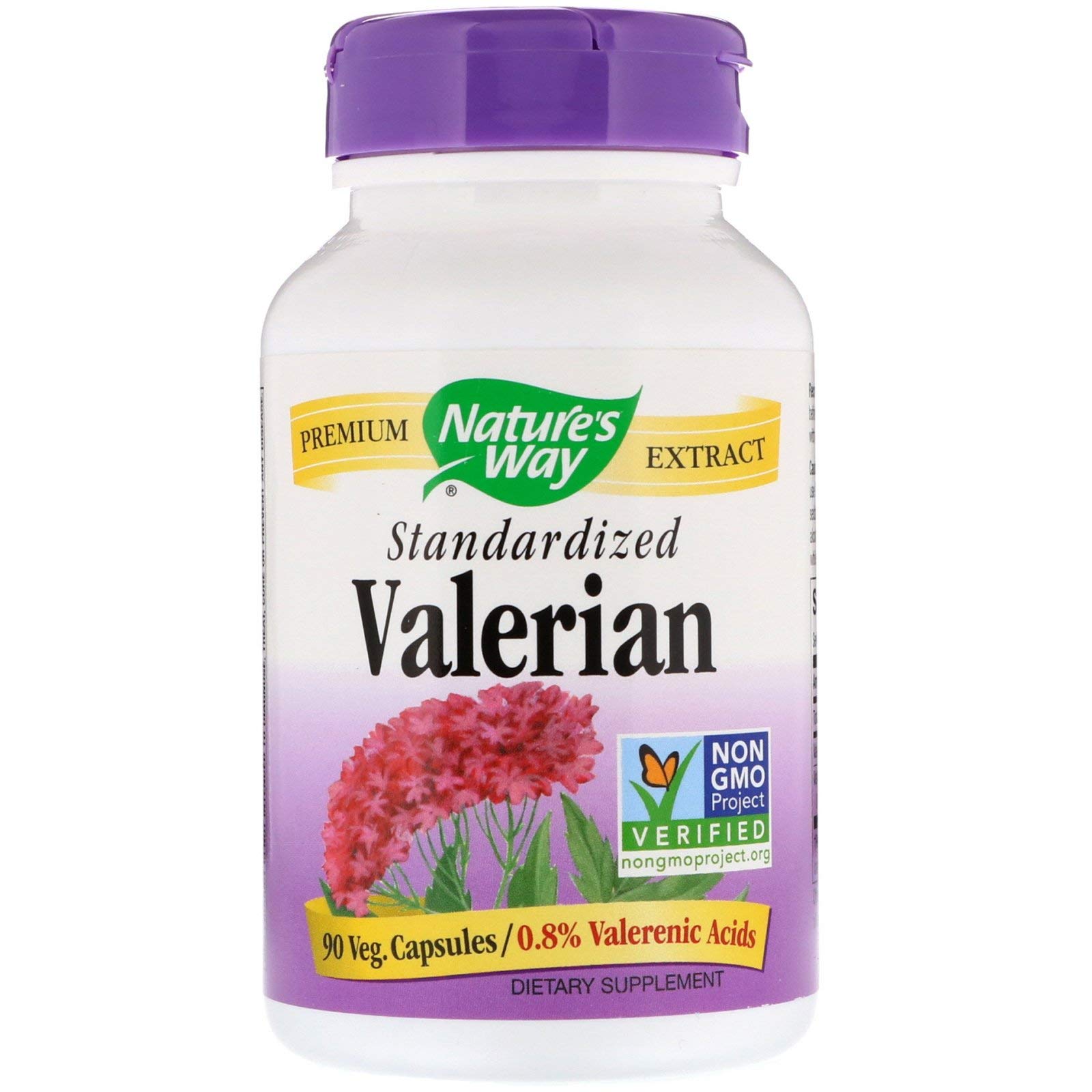
Affiliate note: Many people consider a standardized valerian extract, such as Valerian Sleep Complex, to test tolerability and timing.
Chamomile (Matricaria chamomilla)
Mechanism: Apigenin binds benzodiazepine sites on GABA‑A receptors; anti‑inflammatory and mild antispasmodic effects may aid relaxation.
Evidence: Emerging to moderate. Small RCTs suggest modest improvements in sleep quality, especially in anxiety‑prone or postpartum populations; results are mixed.
Dose/forms: Tea (1–2 g flowers infused 10–15 minutes) 30–60 minutes before bed; extracts 220–1000 mg/day.
Onset/magnitude: Gentle, typically modest; often best as part of a wind‑down ritual.
Notes: Considered very safe for most; avoid if you have ragweed allergy.
Passionflower (Passiflora incarnata)
Mechanism: May enhance GABAergic signaling; mild anxiolytic/sedative effects.
Evidence: Emerging. Small trials suggest improvements in subjective sleep quality and anxiety; often used in blends (valerian + passionflower + hops).
Dose/forms: Tea (~2 g dried herb), tincture (0.5–1 mL), or extract 260–1000 mg in the evening.
Onset/magnitude: Mild; helpful when anxiety is prominent.
Lemon Balm (Melissa officinalis)
Mechanism: Inhibits GABA‑transaminase (preserving GABA); calming aroma may reduce arousal.
Evidence: Emerging to moderate for anxiety‑related insomnia; several small RCTs show reduced anxiety and better sleep when used alone or with valerian.
Dose/forms: Extract 300–600 mg in evening; tea 1.5–3 g leaves.
Onset/magnitude: Mild to moderate relaxation; often combined with other herbs.
Lavender (Lavandula angustifolia)
Mechanism: Linalool and linalyl acetate may modulate glutamate and GABA; autonomic calming via olfactory pathways.
Evidence: Moderate for anxiety reduction with oral lavender oil (Silexan), which may secondarily improve sleep; aromatherapy evidence for sleep is mixed but suggests small benefits in sleep quality.
Dose/forms: Oral lavender oil capsules (Silexan) 80–160 mg daily; aromatherapy with 2–4 drops essential oil on a diffuser or tissue at bedside.
Onset/magnitude: Anxiolysis within 1–2 weeks for oral form; sleep benefits are typically modest.
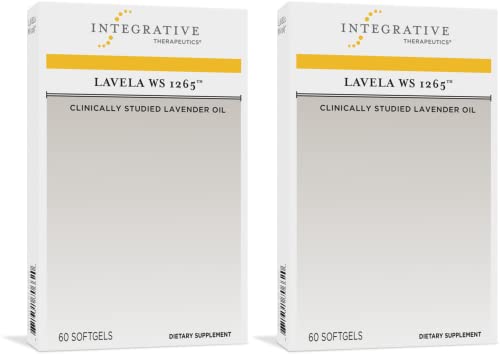
Affiliate note: Some choose an oral lavender oil capsule standardized to 80 mg (e.g., Lavender Oil Capsules (Silexan 80 mg)) for daytime anxiety that disrupts sleep.
Hops (Humulus lupulus)
Mechanism: Bitter acids and prenylated flavonoids may have sedative properties via GABA; often synergistic with valerian.
Evidence: Emerging. Limited benefit as a single agent; more supportive data when combined with valerian for sleep latency.
Dose/forms: Extract 300–500 mg in evening; commonly in combination products.
Onset/magnitude: Mild; best in blends.
Kava (Piper methysticum)
Mechanism: Kavalactones modulate GABA, glutamate, and voltage‑gated channels; primary effect is anxiolysis.
Evidence: Moderate for generalized anxiety; improvements in sleep are likely secondary to reduced anxiety. Data for primary insomnia are limited.
Dose/forms: Standardized to total kavalactones (typically 60–120 mg 1–2x/day, or 120–280 mg/day). Traditional water‑based preparations differ from many extracts.
Onset/magnitude: Anxiolytic effects over 1–2 weeks; sleep benefits modest.
Key safety note: Rare but serious liver injury reported; avoid in liver disease and with alcohol or hepatotoxic medications. See safety section below.
CBD/Hemp Extract
Mechanism: Modulates endocannabinoid system; may reduce hyperarousal and anxiety; high doses can be sedating.
Evidence: Emerging. Small trials and observational studies show mixed results for insomnia; more consistent signals for anxiety reduction that may indirectly aid sleep. Doses and products vary widely; quality control is a major issue.
Dose/forms: Broad‑ or full‑spectrum hemp extracts commonly 10–50 mg CBD in evening; higher doses (50–160 mg) studied but increase risk of side effects and drug interactions.
Onset/magnitude: Variable; benefits, if any, often modest and anxiety‑mediated.
Caution: Interacts with many medications via CYP3A4/2C19; can elevate liver enzymes at higher doses; avoid in pregnancy and breastfeeding.
Affiliate note: If exploring cannabinoids, many prefer third‑party‑tested, low‑dose options such as Broad‑Spectrum Hemp Extract 25 mg Softgels; start low and reassess in 1–2 weeks.
Safety, Interactions, and When to Seek Medical Care
General side effects (usually dose‑related and mild):
Drowsiness, dizziness, headache, GI upset (valerian, kava, hops, passionflower)
Burping or GI discomfort (oral lavender oil)
Allergic reactions (especially chamomile in those with ragweed allergy)
Dry mouth (lemon balm)
Major drug–herb interactions and cautions:
Additive sedation: All sedating herbs may potentiate alcohol, benzodiazepines, Z‑drugs, sedating antihistamines, opioids, and some anticonvulsants—avoid combining or use with medical supervision.
Hepatic concerns: Kava and CBD can elevate liver enzymes; avoid in active liver disease or with hepatotoxic drugs (e.g., high‑dose acetaminophen, some statins/antifungals). Monitor if long‑term use is considered.
Anticoagulants/antiplatelets: Chamomile carries theoretical bleeding risk; monitor if on warfarin or DOACs.
Hormone‑sensitive conditions: Hops contains phytoestrogens; caution in estrogen‑receptor–positive cancers.
Drug metabolism: CBD inhibits CYP3A4/2C19 (notably increases clobazam, warfarin effects). Kava may interact with CYP enzymes as well.
Population‑specific cautions:
Pregnancy/breastfeeding: Avoid kava and CBD; limit most herbs to culinary amounts unless advised by a clinician. Chamomile tea is commonly used but evidence in pregnancy is limited—discuss with your OB provider.
Psychiatric conditions: Use caution with severe depression, bipolar disorder, PTSD, or when on multiple psychotropics. Prioritize CBT‑I and clinician‑guided care.
Cardiac/respiratory disease or severe obesity: Screen for sleep apnea before self‑treating insomnia.
Clinical red flags—seek medical evaluation rather than self‑treating with herbs if you have:
Loud snoring, witnessed apneas, gasping/choking at night, severe daytime sleepiness
Restless legs disrupting sleep more than 3 nights/week, or low iron/ferritin
Quality matters more than brand names. Consider the following:
Standardization and labels: Look for standardized extracts (e.g., valerian with 0.8% valerenic acids; oral lavender oil with defined linalool/linalyl acetate content; kava with total kavalactones). Avoid proprietary blends that hide doses.
Third‑party testing: Choose products verified by USP, NSF, or ConsumerLab when possible to reduce contamination and potency variability.
Sourcing and preparation: Kava safety may depend on chemotype and plant parts (noble cultivars, peeled roots vs stems/leaves). Prefer water‑based or reputable standardized extracts.
Start low, go slow: Try one herb at a time for 2–4 weeks before judging efficacy. Keep a sleep diary to measure changes in sleep onset latency, awakenings, and next‑day function.
Combining herbs: Thoughtful combinations (e.g., valerian + hops; lemon balm + passionflower) may be additive, but avoid stacking many sedatives. If you use a combo, keep total doses within typical single‑herb ranges.
With pharmaceuticals: If you already take a prescription sleep aid or anxiolytic, discuss any herb additions with your prescriber; consider spacing by several hours and start at the lowest doses to gauge additive sedation.
Cycling and tapering: Most sleep herbs do not require tapering, but if used nightly for weeks, consider gradual reduction over 1–2 weeks to minimize rebound wakefulness. Rarely, abrupt cessation of high‑dose valerian may cause headaches or irritability.
Integrate with sleep hygiene and CBT‑I: Herbs work best when your sleep window, light exposure, caffeine/alcohol timing, and wind‑down routines are dialed in—and when CBT‑I addresses learned insomnia patterns. Our Targeted Sleep Support article explains how non‑drug approaches reshape sleep architecture over time.
CBT‑I: Strong evidence and first‑line for chronic insomnia. Herbs may help reduce pre‑sleep arousal and support adherence but generally provide smaller effects than CBT‑I.
Melatonin: Best for circadian issues (jet lag, delayed sleep phase) and for sleep onset in certain groups. Herbs do not reliably shift circadian phase; they’re better for calming the mind and body. Learn more about timing/dosing on our Melatonin page.
Antihistamines (diphenhydramine/doxylamine): Can shorten sleep onset but often impair sleep architecture and next‑day cognition; tolerance develops. Many herbs have fewer anticholinergic side effects but also milder effects.
“Z‑drugs” and benzodiazepines: Effective short‑term for severe insomnia but carry dependence and cognitive risks. Herbal options are generally safer but less potent; consider them for mild insomnia or as adjuncts while implementing CBT‑I.
Expected outcomes: For most people, well‑chosen herbal remedies provide small to moderate improvements (e.g., 5–15 minutes faster sleep onset, fewer nighttime awakenings, slightly better subjective sleep quality). Individual responses vary.
Regulatory Status and Research Gaps
United States: Herbs are sold as dietary supplements under DSHEA; the FDA does not pre‑approve for efficacy or safety. Quality varies by manufacturer.
European Union: Many herbs are available as traditional herbal medicinal products (THMP) with monographs (e.g., EMA, former German Commission E). Some have standardized, evidence‑based indications.
Australia/New Zealand: Regulated by the TGA; kava access has varied by jurisdiction. Some restrictions remain due to historical safety concerns.
CBD/hemp: Regulatory patchwork; product quality and THC content vary. Verify third‑party testing for cannabinoids, pesticides, heavy metals, and residual solvents.
Key research gaps:
Larger, well‑designed RCTs using standardized extracts and validated sleep outcomes (including objective measures like actigraphy/polysomnography)
Direct head‑to‑head comparisons of herbs with CBT‑I, melatonin, and hypnotics
Long‑term safety data (particularly for kava and CBD) and effects on sleep architecture
If anxiety drives your insomnia, consider lavender (oral), lemon balm, or passionflower; valerian or valerian+hops can help sleep onset.
For circadian problems, prioritize light timing, schedules, and melatonin; herbs may help you relax but won’t reliably shift your clock.
Start with one herb, one change at a time. Track your sleep for 2–4 weeks before switching.
Screen for sleep apnea and restless legs if symptoms point that way—herbs are not the solution there.
Favor standardized, third‑party‑tested products; discuss plans with your clinician if you take other sedatives or have liver disease, are pregnant, or are breastfeeding.
References and Resources (Selected)
American Academy of Sleep Medicine (AASM) clinical practice guidelines on insomnia management (pharmacologic and nonpharmacologic)
American College of Physicians guideline recommending CBT‑I as first‑line for chronic insomnia
Cochrane and other systematic reviews on valerian, chamomile, kava, and lavender for anxiety/insomnia
Trials and meta‑analyses of oral lavender oil (Silexan) for anxiety with secondary sleep outcomes
Reviews of CBD for anxiety and sleep indicating mixed, dose‑dependent effects and drug–drug interaction potential
European Medicines Agency and historical Commission E monographs on herbal sedatives
This information is for educational purposes and should not replace professional medical advice. If your sleep problems are persistent, worsening, or accompanied by medical red flags, seek care from a qualified clinician.
This content is for informational purposes only and does not constitute medical advice. Always consult a qualified healthcare provider before starting, stopping, or changing any supplement or medication regimen.
Herbal Remedies for Better Sleep: Evidence, Dosage, Safety, and How They Compare to Common Sleep Aids. If you’re struggling with falling asleep, staying asleep, or waking unrefreshed, you’re not alone. Many people explore herbal remedies for sleep improvement because they prefer gentle, plant‑based options or want to avoid next‑day grogginess from conventional sedatives. Research suggests several her
Herbs for Better Sleep Quality: An Evidence‑Based Guide to Options, Dosage & Safety. Many people ask whether herbs for better sleep quality can make a real difference without next‑day grogginess or dependence. Short answer: for mild to moderate sleep troubles—especially when stress or an overactive mind is involved—several herbs have research suggesting modest benefits. Results vary
Naturopathic Solutions for Insomnia: Evidence‑Based Herbs, Lifestyle Strategies, and When to See an ND. If you’re lying awake at 2 a.m. wondering why sleep won’t come, you’re not alone. Many people look for naturopathic solutions for insomnia because they want gentle, whole‑person strategies that address root causes—stress, circadian disruption, pain, or medications—without heavy next‑day grogginess.
Curious if herbal medicine can help with sleep, stress, digestion, or energy? This guide explains what herbal medicine is, how it’s used across traditions, what the research says, how to choose qualit
Herbal Remedies for Anxiety: Evidence-Based Options & How to Choose. If you’re exploring herbal remedies for anxiety, you likely want something natural that can take the edge off without heavy side effects. This guide walks through what “herbal remedies” actually are, how they may work, and what the research says about specific options like kava, ashwagandha, lavende
Herbal Treatments for Anxiety Relief: Evidence-Based Herbs, Dosage, and Safety. Feeling keyed up, tense, or stuck in worry—and wondering whether herbal treatments for anxiety relief can help? Research suggests some plant-based options may ease mild to moderate anxiety symptoms, especially when combined with lifestyle strategies and therapy. This guide reviews what the science s