Are Herbal Supplements Safe? Risks, Benefits, and How to Use Them Wisely
Are herbal supplements safe? Learn risks, benefits, regulation, interactions, and smart selection tips so you can use herbs wisely and confidently.
·12 min read
This content is for informational purposes only and does not constitute medical advice. Always consult a qualified healthcare provider before starting, stopping, or changing any supplement or medication regimen.
If you’ve ever wondered “are herbal supplements safe,” you’re not alone. Many people reach for herbs to support sleep, mood, immunity, or joint comfort, yet safety depends on multiple factors: the specific herb, dose, product quality, your health status, and any medications you take. This guide bridges Western research and traditional use so you can weigh benefits and risks with clear eyes.
What “safe” really means: effectiveness, side effects, and quality
Safety isn’t a single box to check. When people ask if herbal supplements are safe, they usually mean:
Are they effective enough to justify trying? (Effectiveness)
What side effects should I expect, and how common are they? (Tolerability)
Is the bottle label accurate? Are there contaminants? (Quality)
Will this herb interact with my medications or conditions? (Interactions)
Western research focuses on clinical outcomes and mechanisms of action. Eastern systems like Traditional Chinese Medicine (TCM) and Ayurveda emphasize pattern-based diagnosis and combining herbs to balance constitutions. Both views can co-exist: research tells us “what, on average,” while traditional systems suggest “for whom and how” an herb might fit.
Evidence levels matter:
Strong: multiple randomized controlled trials (RCTs) and meta-analyses
Emerging: preliminary human data, pilot trials, or animal studies
Traditional: long-standing historical use without strong modern trials
How herbal supplements are regulated and why it matters
Regulation shapes product quality and the kinds of claims companies can make—both of which affect whether herbal supplements are safe in practice.
United States
Status: Most herbs are sold as dietary supplements under the Dietary Supplement Health and Education Act (DSHEA, 1994). The FDA does not approve supplements for safety or effectiveness before they reach shelves.[1]
Quality controls: Manufacturers must follow current Good Manufacturing Practices (cGMPs).[2] Companies are responsible for ingredient identity, purity, and strength; the FDA can act post-market if products are adulterated or misbranded.
New ingredients: “New Dietary Ingredients” (not marketed in the U.S. before 1994) require a safety notification to the FDA, but this is not the same as pre-approval.[3]
Claims: Structure/function claims are allowed (e.g., “supports joint health”), but disease-treatment claims are not. The FTC oversees advertising truthfulness.[4]
Practical takeaway: In the U.S., quality varies widely between brands. Third-party testing helps mitigate risk (more below).
European Union and United Kingdom
EU: The Traditional Herbal Medicinal Products Directive (THMPD) allows simplified registration for traditional-use herbal medicines with quality documentation and 30+ years of use (15 within the EU).[5] The European Medicines Agency (EMA) publishes community monographs on many herbs.[6]
UK: The MHRA runs the Traditional Herbal Registration (THR) scheme. THR-marked products must meet quality and safety standards, with evidence of traditional use.[7]
Practical takeaway: THR or EMA-monograph–aligned products offer clearer quality and use information.
Canada, Australia, and other regions
Canada: Natural and Non-prescription Health Products Directorate (NNHPD). Products carry an NPN (Natural Product Number) if authorized for sale.[8]
Australia: Therapeutic Goods Administration (TGA). Most herbal products are “listed medicines” (AUST L) with quality standards; higher-risk products are “registered” (AUST R) with evidence reviews.[9]
India: Ministry of AYUSH provides frameworks for Ayurveda, Unani, Siddha, and Homeopathy products.[10]
China: The National Administration of Traditional Chinese Medicine and NMPA regulate TCM; many herbs are used as part of registered traditional formulas.[11]
Global: WHO publishes quality-control and safety guidelines for herbal medicines, but national enforcement varies.[12]
Practical takeaway: Look for country-specific marks (THR, NPN, AUST L/R) and company transparency wherever you live.
Common safety concerns: contamination, mislabeling, adulteration, dosage variability
Even when an herb itself is reasonably safe, poor-quality products can create risk.
Contamination: Heavy metals (lead, arsenic), pesticides, microbes, and mycotoxins can show up when sourcing and testing are weak. Lead-adulterated turmeric and other spices have been reported in some markets.[13]
Mislabeling/substitution: DNA or chemical tests sometimes find a different plant species—or only trace amounts of the labeled herb—especially in bargain products.
Pharmaceutical adulteration: Weight-loss, sexual enhancement, and bodybuilding “herbals” are frequent offenders, sometimes spiked with undeclared drugs (e.g., PDE-5 inhibitors), which is a major safety concern.[14]
Dosage variability: One brand’s “standardized extract” can deliver far more or less of the active constituents than another’s, changing both benefit and side-effect profiles.
What helps: credible brands use identity testing (e.g., HPTLC, DNA barcoding), screen for contaminants, and may publish Certificates of Analysis (COAs). Third-party certifications (USP, NSF, Informed Choice) add accountability.[15–17]
Are herbal supplements safe? What the research says on popular herbs
Below are snapshots of benefits, risks, and mechanisms. Evidence levels reflect the current scientific literature, while honoring traditional use.
St. John’s wort (Hypericum perforatum)
Potential benefits: For mild-to-moderate depression, studies indicate efficacy comparable to standard antidepressants in some trials. Evidence level: strong (multiple RCTs and meta-analyses, mainly for short-term use).[18,19]
Mechanism: Hyperforin and hypericin appear to inhibit reuptake of serotonin, norepinephrine, and dopamine; also induces drug-metabolizing enzymes (notably CYP3A4) and P-glycoprotein.[20]
Key risks: Major drug–herb interactions due to enzyme induction—can reduce effectiveness of oral contraceptives, transplant anti-rejection drugs (e.g., cyclosporine), anticoagulants, HIV meds, and many others. Risk of serotonin syndrome with SSRIs/SNRIs. Photosensitivity at higher doses. Not ideal for bipolar disorder.[20]
Bottom line: Benefit is plausible for the right person, but interaction risks are substantial; medical guidance is commonly advised.
Ginkgo biloba
Potential benefits: Research suggests small improvements in cognitive symptoms in some people with dementia; prevention data for healthy adults are mixed/minimal. Evidence level: moderate (mixed RCTs; some positive in symptomatic treatment, limited for prevention).[21,22]
Mechanism: Flavonoids/terpenoids with antioxidant effects; platelet-activating factor antagonism; vasoregulatory properties.
Key risks: Bleeding risk, especially with anticoagulants/antiplatelets (warfarin, aspirin, clopidogrel). Seizure risk with raw seeds (not standard leaf extracts). GI upset, headaches possible.[23]
Bottom line: Modest symptomatic benefit is possible; screening for bleeding risk and interactions is prudent.
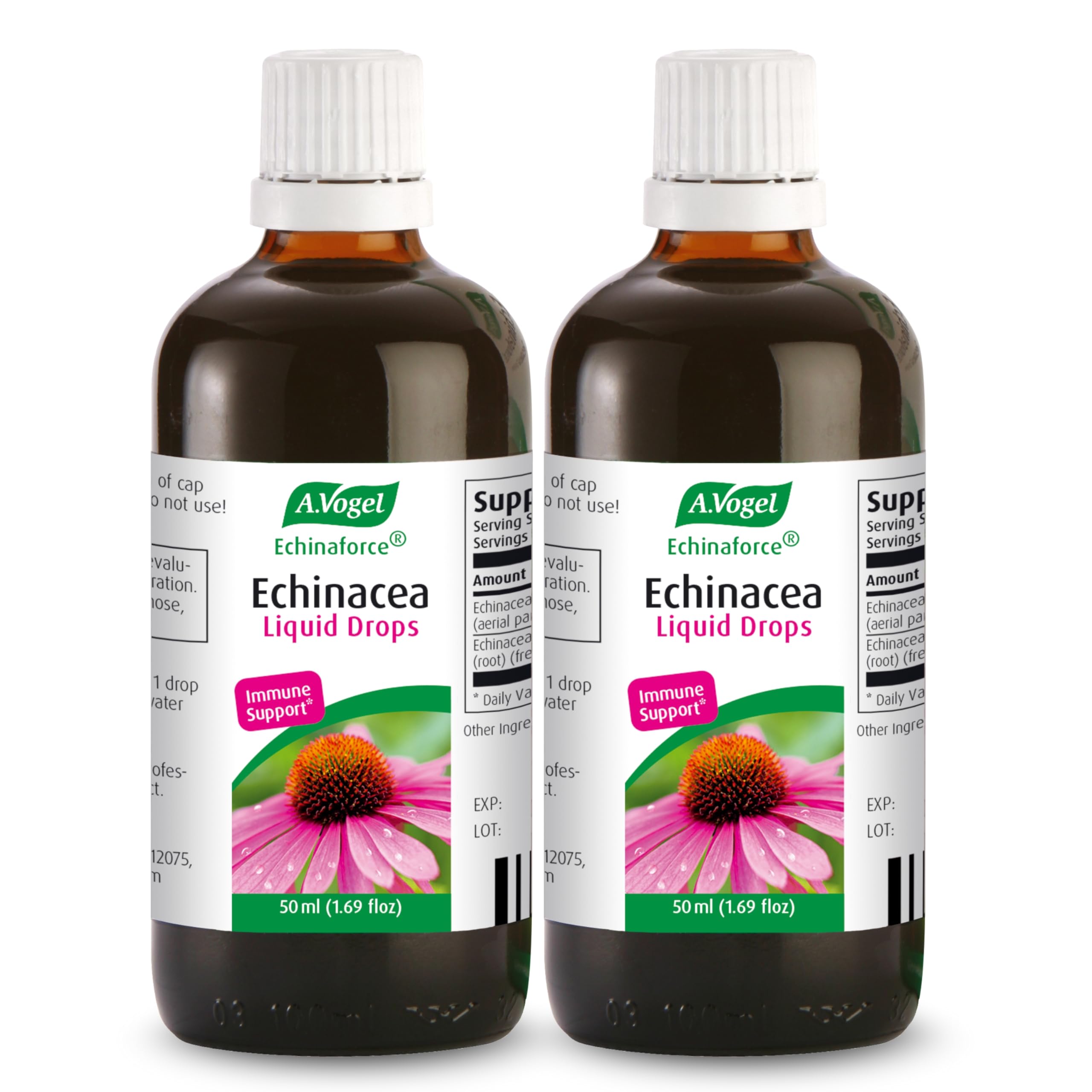
Echinacea (Echinacea purpurea, angustifolia)
Potential benefits: Traditionally used to support immune responses. Studies show mixed results; some trials indicate modest reduction in common cold duration or severity. Evidence level: moderate to emerging (heterogeneous products and methods).[24,25]
Mechanism: Alkamides and polysaccharides may modulate cytokines and macrophage activity.
Key risks: Allergic reactions (Asteraceae family), especially in those with ragweed allergy. Caution with autoimmune conditions and immunosuppressants due to immunomodulatory effects.[25]
Bottom line: A short-term trial at first sign of a cold is sometimes considered by generally healthy adults, using high-quality, species-identified products.
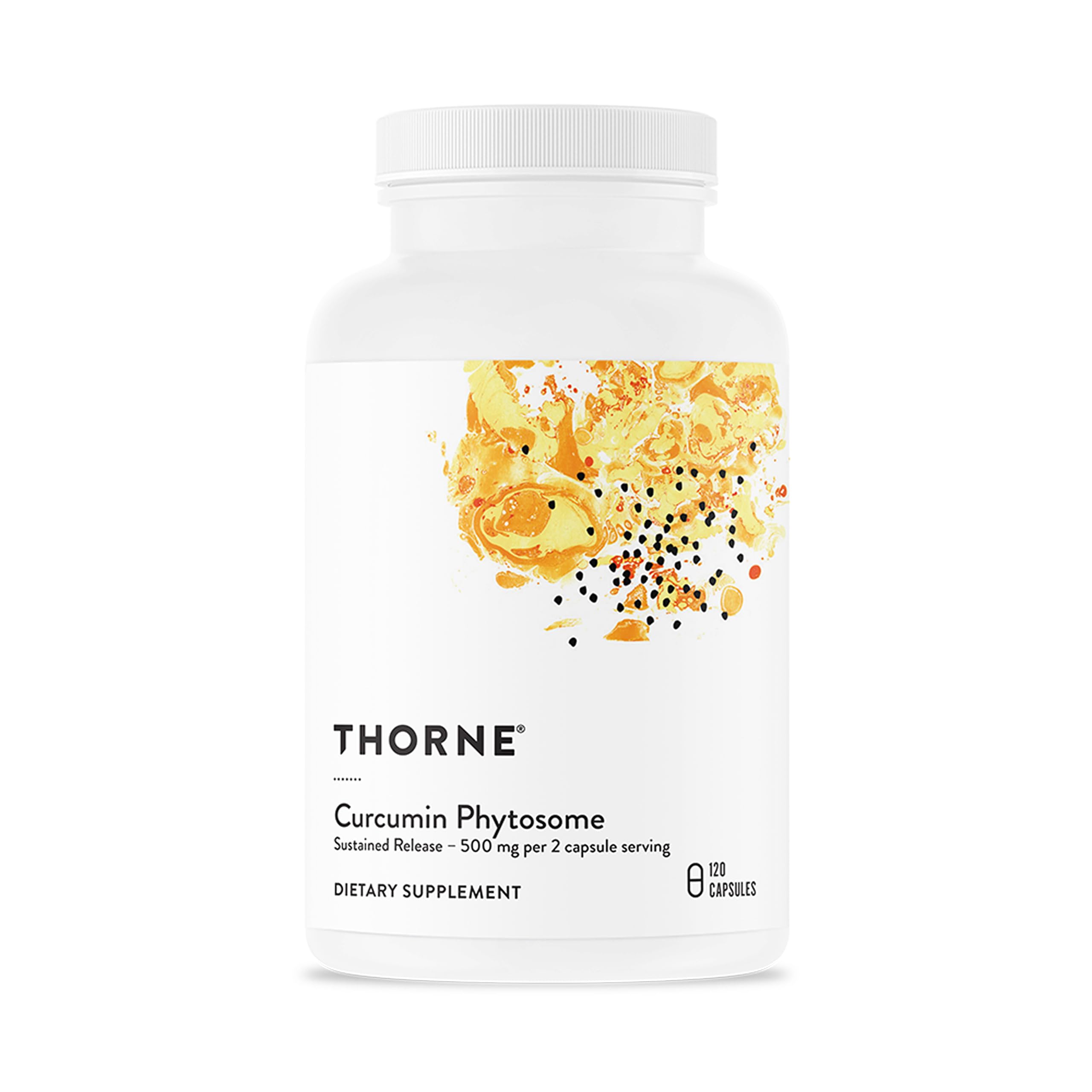
Potential benefits: Research suggests curcumin can reduce pain and improve function in osteoarthritis; emerging benefits for metabolic health and inflammatory conditions. Evidence level: moderate (multiple RCTs for osteoarthritis; broader indications still emerging). Traditional use: digestive and liver support in Ayurveda and TCM.[26,27]
Mechanism: Curcumin inhibits NF-κB and COX-2, downregulating inflammatory pathways; strong antioxidant effects. Bioavailability is low unless formulated (e.g., with piperine or specialized extracts).
Key risks: GI upset, reflux. Possible gallbladder aggravation. Theoretical bleeding risk at high doses and interactions with anticoagulants. Quality concerns: contamination in some spice supply chains; tested supplements may reduce this risk.[26,28]
Bottom line: A considered option for joint comfort with appropriate formulation; interaction and gallbladder history checks are sensible.
Kava: Evidence indicates effectiveness for anxiety in some trials; rare but serious liver toxicity has been reported.[29,30] Evidence: moderate for anxiety; safety depends on product quality, dosing, and alcohol avoidance.
Valerian: May improve sleep latency; generally well tolerated. Evidence: moderate, with variable effect sizes across trials.[31]
Ashwagandha: Traditionally used for stress resilience; RCTs suggest reduced perceived stress and improved sleep in some populations. Caution in hyperthyroidism, autoimmune conditions, and pregnancy. Evidence: emerging to moderate.[32,33]
Drug–herb interactions and who is at higher risk
Interactions are a major reason people ask, “are herbal supplements safe?” Some herbs alter drug-metabolizing enzymes (CYP450 family) or transporters (P-glycoprotein), while others have additive physiological effects (e.g., blood thinning).
Higher-risk situations include:
Medications: anticoagulants/antiplatelets; SSRIs/SNRIs; antiepileptics; immunosuppressants; chemotherapy; HIV meds; diabetes and blood-pressure drugs; thyroid meds.
Life stages and conditions: pregnancy and breastfeeding; children; older adults; liver or kidney disease; bleeding disorders; upcoming surgery (many surgical teams ask patients to pause herbal products 1–2 weeks before elective procedures; individualized plans are set with the care team).[34]
How to choose safer herbal supplements: certifications, sourcing, and labels
Product quality is the controllable part of “are herbal supplements safe.” Helpful markers include:
Third-party certifications: USP Verified, NSF, Informed Choice/Informed Sport, or ConsumerLab testing. In the UK, look for the THR logo; in Canada, an NPN; in Australia, AUST L or AUST R.[7–9,15–17]
Transparent labeling: Latin binomial (e.g., Curcuma longa), plant part used (root, leaf), extract ratio (e.g., 10:1), standardization (e.g., 95% curcuminoids), dose per serving, and full ingredient amounts (many consumers avoid “proprietary blends” without quantities).
Sourcing and testing: Brands that disclose country of origin, identity testing methods (HPTLC/DNA barcoding), and contaminant screening (heavy metals, pesticides, microbes). Some companies publish Certificates of Analysis or provide them on request.
Formulation fit: Delivery forms that align with the evidence base (e.g., standardized Ginkgo leaf extract; bioavailability‑enhanced curcumin) may be preferable. Many people also favor simpler formulas that avoid added stimulants or unnecessary fillers.
Examples (for illustration only; not endorsements): a USP-verified turmeric extract or an NSF-certified standardized ginkgo. If browsing products, verifying current certification status on the certifier’s website (USP, NSF, Informed Choice) can add confidence.[15–17]
Practical safety tips: dosing, monitoring, and when to pause
Start low, go slow (without directives): A common approach is to use the low end of the suggested range and adjust only if benefits are unclear and the product is well tolerated—ideally discussed with a clinician or pharmacist.
One change at a time: Many people introduce only one new herb every 1–2 weeks so they can attribute effects and side effects.
Trial window: Setting a time frame (e.g., 4–8 weeks for turmeric in joint comfort) helps evaluate value. If there is no meaningful benefit, people often choose to discontinue in consultation with their clinician.
Track outcomes: Noting symptom changes, side effects, sleep, mood, and any lab values a clinician recommends can clarify whether an herb is helping and whether it remains appropriate.
Timing with meds: Separating doses from certain drugs or minerals is sometimes advised; a pharmacist can clarify specifics for your regimen.
Pre-surgery pause: Because of potential bleeding or sedation interactions, many surgical teams request a temporary pause of most herbal products 1–2 weeks before procedures; the exact plan is best set with your surgical and anesthesia team.[34]
Red flags — consider urgent medical evaluation: Severe rash, swelling, breathing difficulty, jaundice (yellowing skin/eyes), dark urine, severe abdominal pain, confusion, or any symptom that rapidly worsens. In such cases, immediate discontinuation is commonly advised in clinical settings while medical evaluation proceeds.
What the research says: balancing benefits and risks
Efficacy varies by herb and condition. Some (St. John’s wort for mild–moderate depression; specific curcumin formulations for osteoarthritis pain) have encouraging RCTs and meta-analyses.[18,19,26,27] Others show small or inconsistent benefits.
Safety is dose-, person-, and product-dependent. Many commonly used herbs are well tolerated for short-term use in healthy adults when sourced from reputable brands (evidence: moderate, based on adverse event reporting and clinical trials).
The biggest avoidable risks are poor-quality products and unrecognized drug–herb interactions. Using third‑party‑tested supplements and interaction tools may meaningfully improve safety (evidence: moderate, based on regulatory reports and pharmacology).[1,2,14]
FAQ
Are natural products always safer than drugs?
Not necessarily. “Natural” does not guarantee safety—think of potent plant toxins. Many herbs are gentler than pharmaceuticals, but some are quite strong and can interact with medications or conditions. The right tool depends on your goals, health status, and evidence.
Many people choose to pause the product and document what happened (symptoms, timing, dose, other meds/supplements).
If symptoms are severe (e.g., trouble breathing, swelling of face/lips/tongue, fainting, yellowing of skin/eyes), urgent medical evaluation is appropriate.
A clinician or pharmacist can review ingredients and possible interactions, and advise on next steps.
In the U.S., adverse events can be reported to FDA MedWatch; saving the bottle and noting the lot number helps with investigation.[35]
Do I need lab testing when using herbs?
It depends. For herbs that can affect the liver, thyroid, glucose, or coagulation—and if related medications are used—clinicians sometimes order baseline and follow‑up labs to track safety and interactions.
How do Eastern traditions approach safety?
In TCM and Ayurveda, herbs are often used in formulas tailored to a person’s pattern, with balancing ingredients that may reduce side effects. While this approach differs from Western single‑herb trials, it reflects centuries of pragmatic safety experience. Modern quality testing still applies.
How to use this information
Clarify your goal and whether an herb with moderate‑to‑strong evidence exists for it.
Consider third‑party–tested products with transparent labels.
Use a “low and slow” approach, adjust only if needed and tolerated, and track outcomes.
Screening for interactions—especially with prescription medications or chronic conditions—can be important.
Consider partnering with a knowledgeable clinician or pharmacist.
This information is for educational purposes and should not replace personalized medical advice. If you’re pregnant, breastfeeding, managing a chronic condition, or taking prescription drugs, consult a qualified healthcare professional before starting any herbal supplement.
Daily JW, et al. Efficacy of curcumin for osteoarthritis: systematic review and meta-analysis of RCTs. J Med Food. 2016. https://doi.org/10.1089/jmf.2016.3705
This content is for informational purposes only and does not constitute medical advice. Always consult a qualified healthcare provider before starting, stopping, or changing any supplement or medication regimen.
If you’re exploring herbal supplements, you’re likely asking two big questions: Do they work, and how do I choose safe, high-quality options? This guide explains what herbal supplements are, what the
Herbal Supplements for Kids: Evidence-Based Safety, Dosage, and What Parents Should Know. Parents often ask: which herbs are actually safe for kids, and how much is okay? If you’re considering safe herbal supplements for children, you’re not alone. Many families turn to gentle botanicals for colds, tummy upset, or sleep support. This guide reviews commonly used herbs, what research sugge
Interactions Between Herbal Supplements: Common Herb‑Herb Risks, How They Work, and Safety Tips. If you take more than one botanical at a time, you may wonder about interactions between herbal supplements. The short answer: they do exist. Some combinations can meaningfully raise bleeding risk, amplify sedation, stress the liver, or alter how other herbs are absorbed and metabolized. Research su
Curious if herbal medicine can help with sleep, stress, digestion, or energy? This guide explains what herbal medicine is, how it’s used across traditions, what the research says, how to choose qualit
Herbal Remedies for Better Sleep: Evidence, Dosage, Safety, and How They Compare to Common Sleep Aids. If you’re struggling with falling asleep, staying asleep, or waking unrefreshed, you’re not alone. Many people explore herbal remedies for sleep improvement because they prefer gentle, plant‑based options or want to avoid next‑day grogginess from conventional sedatives. Research suggests several her
If you take prescription or over‑the‑counter medications and also use herbs or supplements, you’ve likely wondered about herb drug interactions. Research shows some herbs can meaningfully change how m