Herbal Remedies for Better Sleep: Evidence, Dosage, Safety, and How They Compare to Common Sleep Aids
An evidence‑based guide to herbal remedies for sleep: how they work, dosing, safety, and how they compare with common sleep aids and CBT‑I.
·12 min read
This content is for informational purposes only and does not constitute medical advice. Always consult a qualified healthcare provider before starting, stopping, or changing any supplement or medication regimen.
If you’re struggling with falling asleep, staying asleep, or waking unrefreshed, you’re not alone. Many people explore herbal remedies for sleep improvement because they prefer gentle, plant‑based options or want to avoid next‑day grogginess from conventional sedatives. Research suggests several herbs may support relaxation, shorten sleep latency (the time it takes to fall asleep), or improve sleep quality—often by interacting with GABA (the brain’s main calming neurotransmitter), melatonin signaling, or stress pathways. Overall, the clinical evidence is mixed to moderate depending on the herb, with some supported by randomized controlled trials and meta‑analyses, and others backed mainly by traditional use or early studies.
This guide bridges western evidence and eastern herbal traditions. It explains how sleep herbs may work, profiles key options, covers safety and interactions, and shows how to use them responsibly—alongside proven strategies like good sleep hygiene and cognitive behavioral therapy for insomnia (CBT‑I).
Herbal remedies for sleep improvement: what the biology suggests
GABAergic support: Valerian, passionflower, lemon balm, hops, and kava are traditionally used for their calming effects. Studies indicate they may enhance GABA activity (by increasing GABA levels, slowing its breakdown, or modulating GABA‑A receptors), which can reduce neural excitability and promote sleep readiness.
Melatonin and circadian rhythm: Melatonin orchestrates the sleep–wake cycle. While melatonin itself is a hormone supplement, some botanicals (for example, tart cherry) contain small amounts of melatonin or may influence melatonin pathways and sleep timing.
Anxiolytic and stress modulation: Ashwagandha and lavender are used to reduce hyperarousal and nighttime rumination. Emerging evidence suggests effects on the HPA axis (our stress response system) and serotonin signaling, which indirectly support sleep.
Synergy: Traditional formulas often combine herbs (e.g., valerian + hops; lemon balm + passionflower) for complementary effects such as easing pre‑sleep anxiety and shortening sleep latency.
What the research says overall
Strong evidence: Melatonin (hormone supplement) has strong evidence for certain situations (jet lag, circadian rhythm disorders; mixed for chronic insomnia). It’s not an herb but is often part of sleep discussions.
Moderate evidence: Valerian (mixed but promising), lavender (oral standardized extract for anxiety with downstream sleep benefits; aromatherapy for relaxation), ashwagandha (in stress‑related sleep issues), tart cherry (small trials). Many findings show small-to-moderate benefits.
Emerging evidence: Passionflower, lemon balm, hops—especially in combinations—show early supportive data but fewer high‑quality trials.
Traditional evidence: Chamomile is widely used as a bedtime tea; clinical findings are modest and variable but safety is favorable.
Key herbs and supplements for sleep
Valerian (Valeriana officinalis)
Traditional use: Europe for centuries as a sedative and sleep aid.
Forms/doses: Standardized extract 300–600 mg (often 0.3–1.0% valerenic acids) 30–120 minutes before bed; tea (2–3 g dried root steeped 10–15 minutes). Time‑to‑effect may be gradual; some trials suggest 2–4 weeks for best results.
Evidence quality: Moderate and mixed. Meta‑analyses report small improvements in sleep quality and latency; some RCTs show no difference from placebo, possibly due to variability in extracts and dosing.
Notable notes: Often combined with hops or lemon balm. May cause vivid dreams or mild GI upset.
Learn more: See our detailed monograph on Valerian Root.
Traditional use: Bedtime tea to calm the mind and body.
Mechanisms: Apigenin (a flavonoid) binds to benzodiazepine sites on GABA‑A receptors; gentle anxiolytic effects.
Forms/doses: Tea (1–2 tea bags or 2–3 g dried flowers, steep 5–10 minutes) 30–60 minutes before bed; extracts 220–1100 mg/day in divided doses in some studies.
Evidence quality: Traditional to emerging. Small trials in older adults and postpartum individuals suggest modest sleep benefits; overall effect sizes are small.
Time‑to‑effect: Often within days to 2–4 weeks.
Passionflower (Passiflora incarnata)
Traditional use: Calming herb for nervousness and sleep.
Mechanisms: May enhance GABAergic signaling; gentle anxiolytic.
Forms/doses: Tea (1–2 g herb), liquid extract (1–2 mL), or standardized capsules (250–500 mg) in the evening.
Evidence quality: Emerging. Small RCTs suggest improved sleep quality and reduced anxiety; larger, standardized studies are needed.
Time‑to‑effect: Some people notice relaxation within hours; sleep measures often improve over 1–2 weeks.
Lemon balm (Melissa officinalis)
Traditional use: Nervine for restlessness and digestive‑related tension.
Mechanisms: May inhibit GABA transaminase, increase GABA availability; rosmarinic acid and terpenes may contribute to calming effects.
Forms/doses: Tea (1.5–4.5 g), tincture (2–3 mL), or standardized extract (300–600 mg) in the late afternoon and/or evening.
Evidence quality: Emerging. Small trials suggest reduced anxiety and improved sleep when used alone or with valerian/passionflower.
Time‑to‑effect: Hours to 1–2 weeks.
Lavender (Lavandula angustifolia)
Traditional use: Relaxation and sleep; popular in aromatherapy.
Mechanisms: Linalool and linalyl acetate may modulate GABA‑A receptors and reduce sympathetic arousal.
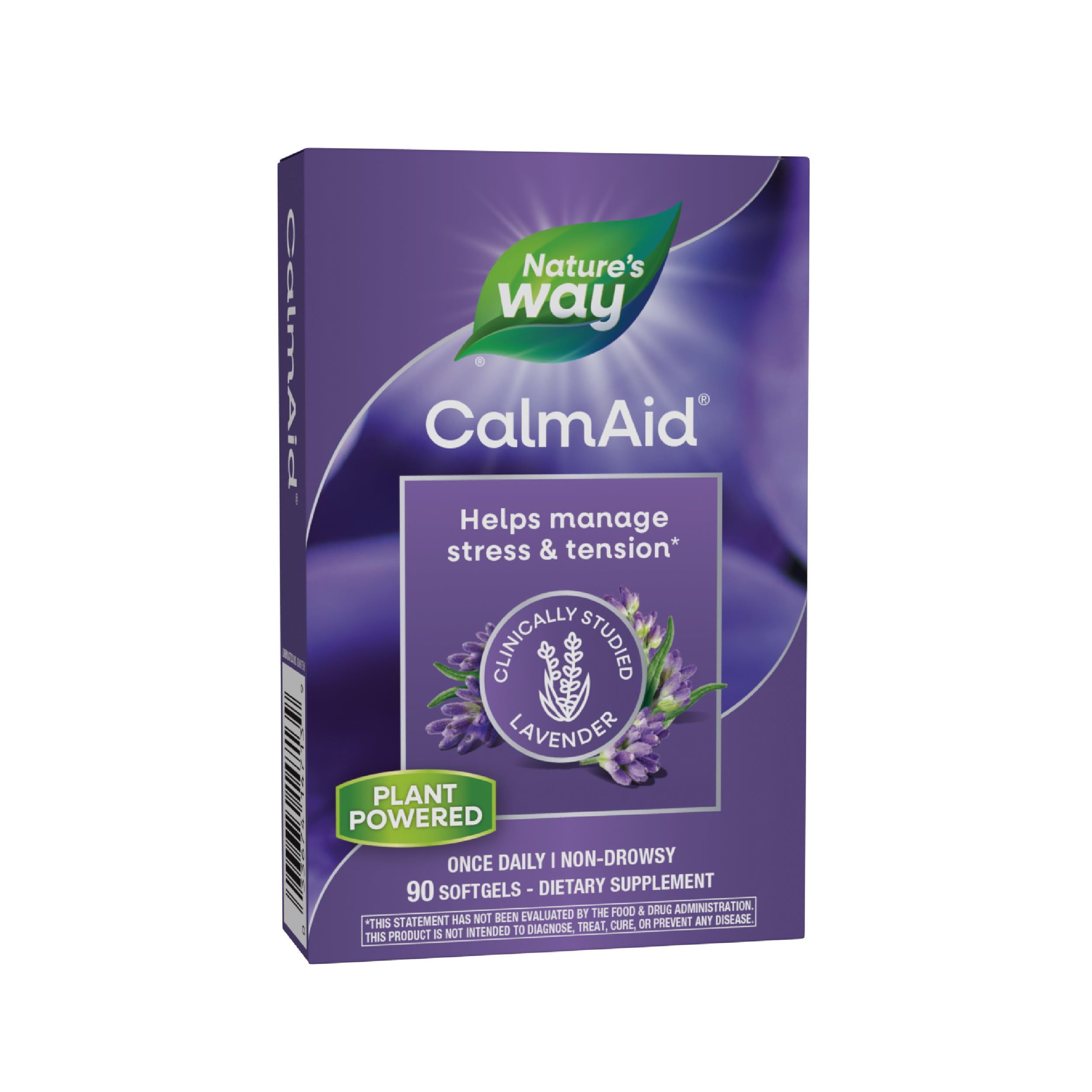
Forms/doses: Aromatherapy (2–3 drops in a diffuser 30–60 minutes before bed; or diluted 1–2% topical application); oral standardized extract (Silexan) 80–160 mg/day for anxiety, with downstream sleep improvements.
Evidence quality: Moderate for anxiety reduction with oral extract; aromatherapy shows small-to-moderate improvements in sleep quality in various populations.
Time‑to‑effect: Aromatherapy may be immediate for relaxation; oral extract typically 2–6 weeks.
Traditional use: Sedative bitter; “hop pillows” for sleep.
Mechanisms: Bitter acids and essential oils may have mild sedative properties; often synergistic with valerian.
Forms/doses: Extracts typically 120–500 mg; teas are very bitter. Commonly found in combination sleep formulas.
Evidence quality: Emerging. Stand‑alone data are limited; combinations with valerian show modest benefits in some RCTs.
Time‑to‑effect: 1–2 hours acutely; more consistent effects may appear over 1–2 weeks in combos.
Kava (Piper methysticum)
Traditional use: South Pacific ceremonial beverage for calm and sociability.
Mechanisms: Kavalactones interact with GABA‑A and other receptors; notable anxiolytic effects that may secondarily improve sleep.
Forms/doses: Standardized extracts providing 50–150 mg kavalactones in the evening (clinical anxiety trials often use up to 250 mg/day). Traditional water‑based preparations are considered lower risk than acetone/ethanol extracts.
Evidence quality: Moderate for anxiety; sleep often improves when anxiety decreases. Safety concerns limit routine use.
Safety flags: Rare but serious hepatotoxicity has been reported. Avoid with liver disease, heavy alcohol use, or hepatotoxic drugs; use only with clinician oversight, if at all.
Ashwagandha (Withania somnifera)
Traditional use (Ayurveda): Rasayana (rejuvenative) used for stress, vitality, and sleep.
Mechanisms: May modulate the HPA axis and GABAergic signaling; withanolides are considered active compounds.
Forms/doses: Root extract 300–600 mg/day standardized to withanolides (often ~5%), typically for 6–8 weeks.
Evidence quality: Moderate and growing. RCTs in stressed or insomnia‑prone adults report improved sleep quality and sleep onset, and reduced stress. Effects tend to be modest but clinically meaningful for some.
Melatonin‑containing botanicals (e.g., tart cherry)
Examples: Montmorency tart cherry (juice or extract) contains small amounts of melatonin and may support circadian signaling.
Forms/doses: Tart cherry juice 8–16 oz (240–480 mL) in the evening, or standardized extracts as directed. Consider low‑sugar options, especially if blood sugar management is a concern.
Evidence quality: Emerging to moderate. Small RCTs suggest modest increases in total sleep time and sleep efficiency in some adults, particularly older adults with insomnia.
Time‑to‑effect: Within days to 2 weeks.
Melatonin (context)
Melatonin is not an herb but is a common comparison point. Strong evidence supports use for jet lag and some circadian issues; results for primary insomnia are mixed but can help certain individuals. Doses typically range 0.3–3 mg 30–90 minutes before bed; more is not necessarily better. See our detailed page on Melatonin.
What the Research Says: A quick evidence map
More consistent findings: Valerian (small improvements; product variability matters), oral lavender extract (anxiety relief with downstream sleep gains), ashwagandha (sleep quality in stress‑related cases), melatonin (strong for circadian issues), tart cherry (small trials show benefits).
Promising but less robust: Passionflower, lemon balm, hops—especially in combination formulas.
Sedation: Herbs that calm the nervous system can cause drowsiness. Avoid driving or operating machinery until you know your response.
Additive effects: Combining multiple sedatives—herbal or pharmaceutical—can increase drowsiness and risk of falls, especially in older adults.
Allergies: Chamomile is in the Asteraceae family; cross‑reactivity can occur in those allergic to ragweed or related plants.
Drug interactions (examples; not exhaustive)
CNS depressants: Valerian, passionflower, lemon balm, hops, kava, and lavender may enhance the effects of benzodiazepines, Z‑drugs, antihistamines, opioids, and alcohol.
Liver‑related: Kava should not be combined with hepatotoxic medications (e.g., high‑dose acetaminophen, isoniazid) or heavy alcohol use.
Anticoagulants/antiplatelets: Case reports suggest possible bleeding risk when chamomile is combined with warfarin; exercise caution and consult your clinician if on blood thinners.
Hormone‑sensitive conditions: Hops has phytoestrogenic compounds; use caution in estrogen‑sensitive conditions. Rare reports of prepubertal gynecomastia with topical lavender products exist; data are limited but suggest caution with chronic topical use in children.
Cytochrome P450: Data are limited and sometimes conflicting; valerian may affect CYP3A4/2D6 in theory. If you take narrow‑therapeutic‑index drugs, discuss any herbal plan with your clinician.
Special populations
Pregnancy: Safety data are limited for most sleep herbs. Ashwagandha is generally avoided due to miscarriage concerns in traditional texts and case reports; kava is contraindicated; passionflower is often avoided. Use only food‑level chamomile with clinician guidance; otherwise defer herbs.
Breastfeeding: Data are sparse; avoid kava. Use other herbs cautiously and with professional input.
Children and adolescents: Many sleep herbs are understudied. Melatonin usage is common in pediatrics but should be guided by a clinician. Herbal sedatives warrant caution due to dosing uncertainty and additive sedation. For broader principles, see Are Herbal Supplements Safe? below.
Older adults: Start low and go slow; higher fall risk from nocturnal sedation.
Liver disease or heavy alcohol use: Avoid kava; use other herbs with caution and medical oversight.
Quality and regulatory concerns
Variability and adulteration: Active compound levels can vary widely between brands and batches. Some herbs have been adulterated or contaminated with heavy metals, pesticides, or unlabeled drugs in rare cases.
Standardization: Look for standardization where applicable (e.g., valerian to valerenic acids; ashwagandha to withanolides; lavender oral extract as Silexan). Essential oils are not the same as oral extracts—oral use of essential oils is not recommended unless product and dose are specifically designed for ingestion.
Match the goal: If pre‑sleep anxiety is dominant, consider lavender (aromatherapy or oral extract), lemon balm, or passionflower. For sleep latency, valerian or a valerian–hops combo may help. For stress‑linked sleep disruption over weeks, ashwagandha is an option.
Prefer standardized extracts where evidence exists and look for third‑party testing.
Tea vs. capsule vs. tincture: Teas are gentle and ritual‑friendly (chamomile, lemon balm, passionflower). Capsules and tinctures allow more precise dosing (valerian, ashwagandha, standardized lavender).
Dosing and timelines
Start low, reassess in 1–2 weeks, and titrate carefully. Many people need 2–4 weeks to judge effect for non‑hormonal herbs; stress‑modulating options like ashwagandha may need 6–8 weeks.
Consider daytime timing for anxiolytic herbs (e.g., lavender oral extract, ashwagandha) to reduce evening arousal, plus a separate bedtime herb or tea.
Combining herbs and conventional care
Combinations can be reasonable (e.g., valerian + hops; lemon balm + passionflower), but avoid stacking multiple sedatives at high doses.
If you already use prescription sleep aids, consult your clinician to avoid additive sedation or interactions.
Insomnia persists beyond 3–4 weeks despite lifestyle and over‑the‑counter approaches.
You experience loud snoring, witnessed apneas, morning headaches, or severe daytime sleepiness (possible sleep apnea).
You have restless legs, chronic pain, depression, mania/hypomania, or PTSD symptoms worsening at night.
You are pregnant, breastfeeding, have liver/kidney disease, take blood thinners or multiple CNS‑active medications, or are considering kava.
Thoughtful product options (non‑prescriptive)
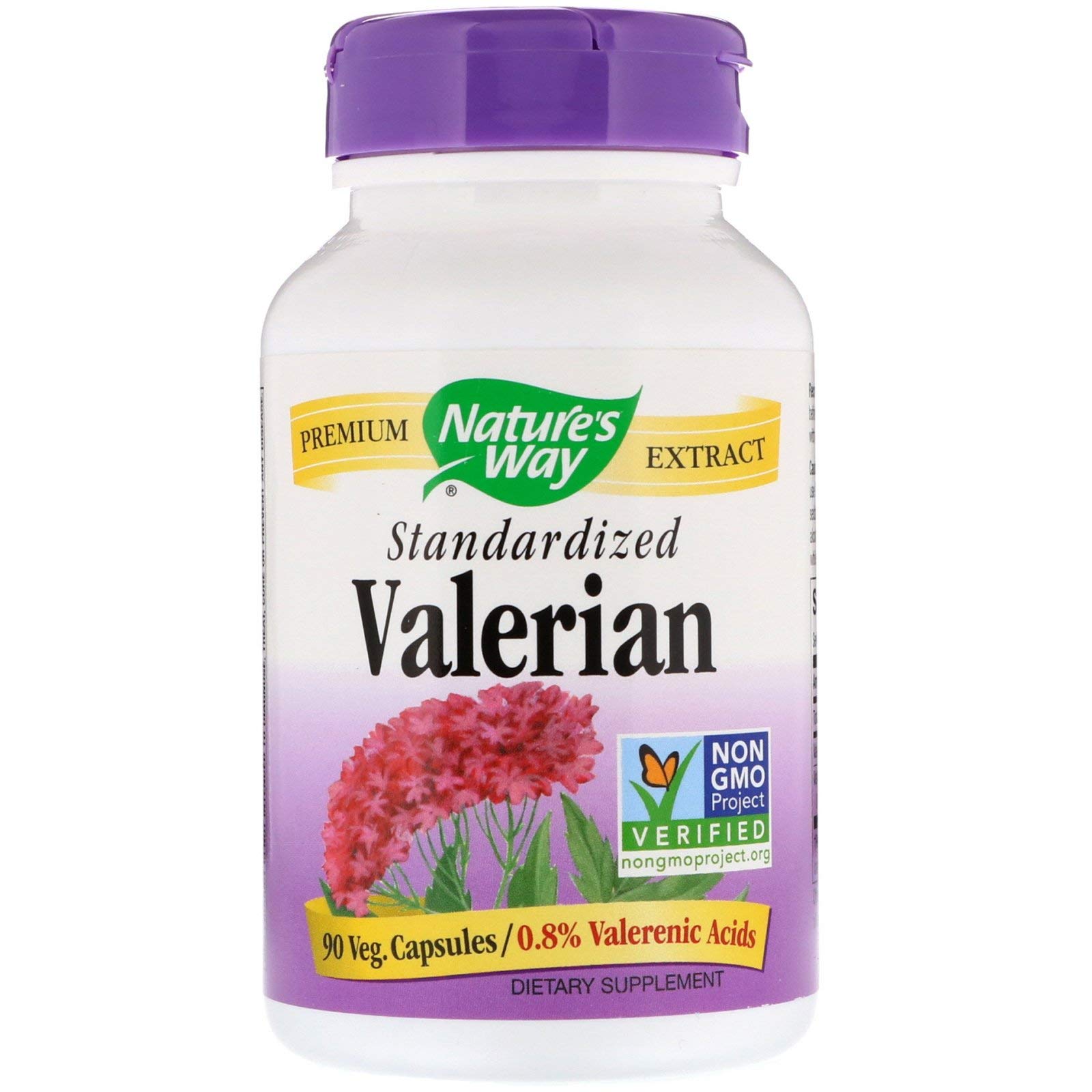
Many people find a third‑party‑tested valerian extract standardized to valerenic acids helpful at bedtime, such as Valerian Sleep Extract. Evidence suggests small improvements in sleep latency for some users.
For aromatherapy, a simple, water‑based diffuser like an Ultrasonic Diffuser can help you create a consistent lavender bedtime routine. Aromatherapy may aid relaxation as part of a broader sleep ritual.
If you’re curious about tart cherry, a low‑sugar concentrate like Montmorency Tart Cherry Concentrate is a practical way to trial whether it fits your routine. Early studies report modest benefits in some adults.
Putting it all together: a sample gentle plan
60–90 minutes before bed: Dim lights and shut down bright screens; brief stretching or a warm shower.
45–60 minutes before bed: One cup of chamomile, lemon balm, or passionflower tea.
30–60 minutes before bed: If appropriate, a standardized valerian capsule. Use on most nights for 2–4 weeks before judging.
Daytime: For stress‑linked sleep issues, consider oral lavender extract (Silexan) or ashwagandha for 6–8 weeks, if appropriate and cleared by your clinician.
Every week: Reassess timing, dose, and how you feel the next morning. Adjust to the lowest effective dose or discontinue if no clear benefit by 4–6 weeks.
This information is for educational purposes and should not replace individualized medical advice. Discuss herbal options with a qualified clinician, especially if you have medical conditions or take prescription medications.
This content is for informational purposes only and does not constitute medical advice. Always consult a qualified healthcare provider before starting, stopping, or changing any supplement or medication regimen.
Herbal Remedies for Sleep Disorders: Evidence‑Based Herbs, Dosage, Safety & How They Compare to Conventional Treatments. If you’re lying awake at 2 a.m., you may be wondering whether herbal remedies for sleep disorders can help you fall asleep faster, stay asleep longer, or wake feeling more restored. Research suggests certain herbs can modestly improve insomnia and anxiety‑related sleeplessness, while other sleep dis
Herbs for Better Sleep Quality: An Evidence‑Based Guide to Options, Dosage & Safety. Many people ask whether herbs for better sleep quality can make a real difference without next‑day grogginess or dependence. Short answer: for mild to moderate sleep troubles—especially when stress or an overactive mind is involved—several herbs have research suggesting modest benefits. Results vary
Curious if herbal medicine can help with sleep, stress, digestion, or energy? This guide explains what herbal medicine is, how it’s used across traditions, what the research says, how to choose qualit
Naturopathic Solutions for Insomnia: Evidence‑Based Herbs, Lifestyle Strategies, and When to See an ND. If you’re lying awake at 2 a.m. wondering why sleep won’t come, you’re not alone. Many people look for naturopathic solutions for insomnia because they want gentle, whole‑person strategies that address root causes—stress, circadian disruption, pain, or medications—without heavy next‑day grogginess.
Are Herbal Supplements Safe? Risks, Benefits, and How to Use Them Wisely. If you’ve ever wondered “are herbal supplements safe,” you’re not alone. Many people reach for herbs to support sleep, mood, immunity, or joint comfort, yet safety depends on multiple factors: the specific herb, dose, product quality, your health status, and any medications you take. This guide brid
Herbal Remedies for Anxiety: Evidence-Based Options & How to Choose. If you’re exploring herbal remedies for anxiety, you likely want something natural that can take the edge off without heavy side effects. This guide walks through what “herbal remedies” actually are, how they may work, and what the research says about specific options like kava, ashwagandha, lavende