Herbs for Better Sleep Quality: An Evidence‑Based Guide to Options, Dosage & Safety
Which herbs actually improve sleep quality? Evidence‑based guide to valerian, chamomile, lavender, ashwagandha, passionflower, lemon balm, hops, magnolia—doses, safety, and tips.
·10 min read
This content is for informational purposes only and does not constitute medical advice. Always consult a qualified healthcare provider before starting, stopping, or changing any supplement or medication regimen.
Many people ask whether herbs for better sleep quality can make a real difference without next‑day grogginess or dependence. Short answer: for mild to moderate sleep troubles—especially when stress or an overactive mind is involved—several herbs have research suggesting modest benefits. Results vary, and choosing the right herb, dose, and timing matters.
This guide blends western clinical evidence with traditional wisdom. We classify the strength of evidence for each herb and explain how to use them thoughtfully and safely.
Why consider herbs for better sleep quality?
Insomnia and poor sleep quality affect 10–30% of adults at any time, with chronic insomnia in about 10%.
Herbal approaches may be appropriate for people with situational insomnia, stress‑related sleep disruption, or difficulty winding down—especially when combined with solid sleep hygiene or cognitive behavioral therapy for insomnia (CBT‑I). They are not a substitute for treating sleep apnea, major depression, uncontrolled pain, or other medical drivers of insomnia.
Moderate evidence: several RCTs or high‑quality observational studies with generally positive results
Emerging evidence: small human trials or promising animal/mechanistic studies
Traditional use: long historical use with limited or conflicting modern data
Results in sleep research are often subjective (sleep diaries, PSQI scores) and can be influenced by expectations. Objective outcomes (polysomnography, actigraphy) are less common and sometimes show smaller effects. Expect modest improvements (for example, 10–20 minutes faster sleep onset or small gains in sleep quality) rather than dramatic changes.
What the Research Says (big picture)
Best supported overall: valerian (mixed but generally positive for sleep latency/quality), lavender (especially oral Silexan for anxiety‑linked sleep issues), and ashwagandha (multiple RCTs showing small to moderate PSQI improvements)
Helpful for relaxation and mild insomnia: chamomile, lemon balm, passionflower
Often used in combinations: hops (commonly paired with valerian), lemon balm + valerian
Emerging but interesting: magnolia bark (honokiol/magnolol)
Use with caution: kava (anxiety benefits, but significant liver safety concerns)
For context on behavioral approaches and how supplements may affect sleep stages, see Targeted Sleep Support: How Supplements May Influence Sleep Architecture—and How They Compare With CBT‑I (/articles/sleep-architecture-supplements-vs-cbti).
Herbs for Better Sleep Quality (profiles, dosing, and evidence)
Valerian (Valeriana officinalis)
Traditional use: European herbal sedative for centuries; used for difficulty falling asleep and restlessness
Active constituents/mechanism: valerenic acids and valepotriates may inhibit GABA breakdown and modulate GABA‑A receptors, supporting relaxation
Typical doses/forms:
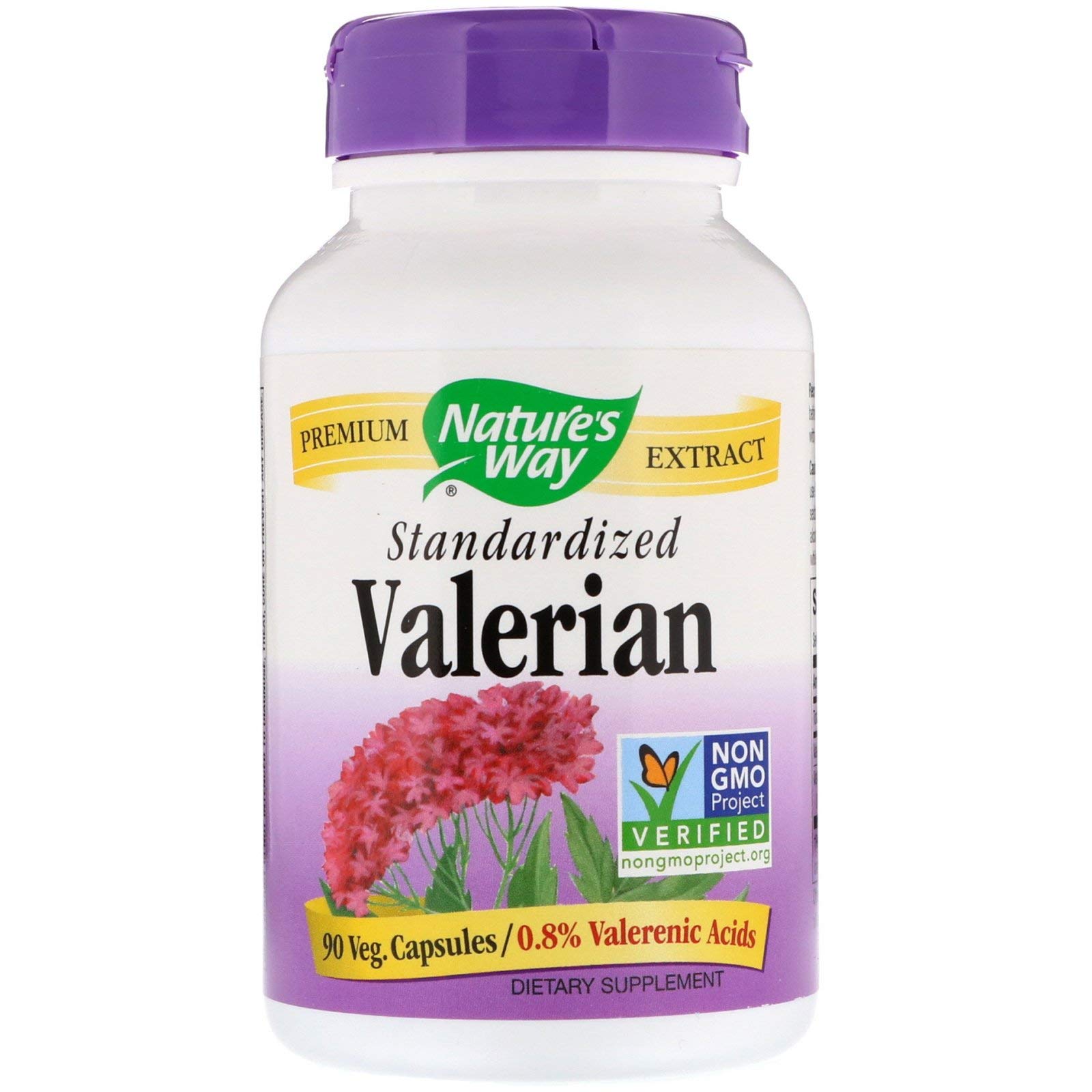
Extract: 300–600 mg standardized to ~0.8% valerenic acids, 30–60 minutes before bed
Tea: 2–3 g dried root steeped 10–15 minutes
Tincture: 2–6 mL in the evening
Onset/duration: may help within hours; some benefits build over 2–4 weeks
Clinical evidence/expected effect: moderate (mixed). Meta‑analyses suggest small improvements in subjective sleep quality and sleep latency (often 5–20 minutes). Effects are variable; some people notice clear benefit, others little change.
Traditional use: globally used as a calming tea for restlessness and digestion
Active constituents/mechanism: apigenin and related flavonoids bind to benzodiazepine receptor sites on GABA‑A, contributing to gentle sedation
Typical doses/forms:
Tea: 1–2 g dried flowers per cup; 1–3 cups daily (last cup 30–60 minutes before bed)
Extract: 220–1100 mg daily
Tincture: 2–4 mL, 1–3 times daily
Onset/duration: gentle, often within an hour; short‑acting
Clinical evidence/expected effect: moderate for relaxation; emerging to moderate for sleep. Small RCTs show modest improvements in sleep quality in certain groups (e.g., postpartum). Expect mild effects.
Lavender (Lavandula angustifolia)
Traditional use: aromatherapy for calm, tension, and sleep
Active constituents/mechanism: linalool and linalyl acetate may modulate glutamate and GABA signaling; aroma can shift autonomic balance toward parasympathetic (rest‑and‑digest)
Typical doses/forms:
Aromatherapy: 2–4 drops of essential oil in a diffuser or diluted (1–2%) for topical use; pillow sprays are common
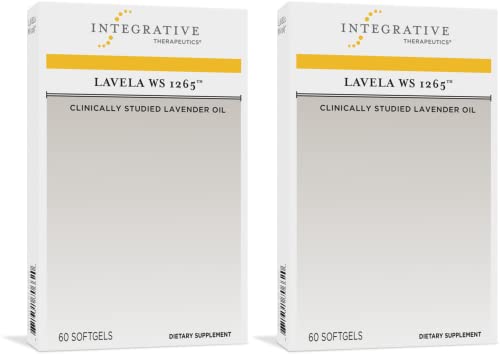
Oral extract: Silexan 80 mg daily (standardized lavender oil in softgels) used in RCTs for anxiety with secondary sleep benefits
Tea: 1–2 tsp dried flowers steeped 10 minutes
Onset/duration: aromatherapy can calm within minutes; oral use shows benefits over 2–8 weeks
Clinical evidence/expected effect: moderate. Multiple RCTs of Silexan show reduced anxiety and improved subjective sleep quality; aromatherapy studies suggest small improvements in sleep quality in various populations.
Traditional use: Native American and European herbalism for restlessness and circular thoughts
Active constituents/mechanism: flavonoids (e.g., chrysin, vitexin) appear GABAergic; may reduce mental overactivity
Typical doses/forms:
Tea: ~2 g dried herb steeped 10–15 minutes, 1–2 times daily
Extract: 250–500 mg in the evening
Tincture: 1–2 mL up to 3 times daily
Onset/duration: 30–60 minutes; may be most helpful for “busy‑mind” insomnia
Clinical evidence/expected effect: emerging to moderate. Small trials indicate improved subjective sleep quality; effects are usually mild.
Lemon Balm (Melissa officinalis)
Traditional use: European “calming” herb for mood and digestion
Active constituents/mechanism: rosmarinic acid may inhibit GABA transaminase, increasing GABA availability; mild antispasmodic effects
Typical doses/forms:
Tea: 1.5–4.5 g dried leaf per day
Extract: 300–600 mg (often standardized to rosmarinic acid)
Tincture: 2–3 mL in the evening
Onset/duration: 1–2 hours; sometimes combined with valerian for synergy
Clinical evidence/expected effect: moderate for anxiety; emerging to moderate for sleep. RCTs of lemon balm‑valerian combinations show small to moderate improvements in sleep quality and latency.
Ashwagandha (Withania somnifera)
Traditional use: Ayurvedic rasayana for resilience, stress balance, and restorative sleep
Active constituents/mechanism: withanolides appear to modulate stress pathways (HPA axis) and GABAergic signaling; some extracts may influence sleep onset and continuity
Typical doses/forms:
Root extract: 240–600 mg/day (e.g., KSM‑66 at 300–600 mg; Shoden at 120–240 mg), usually standardized to withanolides
Tea/decoction and powders also used traditionally
Onset/duration: benefits generally build over 2–8 weeks; may also ease daytime stress that disrupts sleep
Clinical evidence/expected effect: moderate. Multiple RCTs report small to moderate improvements in PSQI (often 1–3 points), reduced sleep latency (≈10–30 minutes), and better sleep efficiency in some participants.
Learn more: Ashwagandha Benefits: Evidence‑Based Guide for Stress, Sleep & More (/articles/ashwagandha-benefits-evidence-based-guide)
Hops (Humulus lupulus)
Traditional use: sedative properties noted by brewery workers; used for restlessness and tension
Active constituents/mechanism: bitter acids and xanthohumol may interact with GABAergic pathways; often synergistic with valerian
Typical doses/forms:
Tea: 0.5–2 g dried strobiles
Extract: 300–500 mg in the evening
Tincture: 1–2 mL
Onset/duration: 30–60 minutes; often combined with valerian
Clinical evidence/expected effect: emerging to moderate, mostly in combination products (valerian + hops), showing small improvements in sleep quality and latency.
Magnolia bark (Magnolia officinalis)
Traditional use: in East Asian medicine for “phlegm‑Qi” stagnation, worry, and restlessness
Active constituents/mechanism: honokiol and magnolol are positive allosteric modulators of GABA‑A receptors in preclinical models; potential anxiolytic/sedative effects
Typical doses/forms:
Extracts providing honokiol/magnolol; common supplement totals 200–400 mg in the evening (standardizations vary)
Onset/duration: likely 30–60 minutes; data limited
Clinical evidence/expected effect: emerging. Small human studies—often combinations (e.g., magnolia + phellodendron)—suggest reduced stress and improved subjective sleep; high‑quality sleep‑specific RCTs are limited.
A note on kava (Piper methysticum)
Traditional use: South Pacific ceremonial beverage; calming and social relaxation
Mechanism: kavalactones modulate GABAergic transmission and ion channels; clear anxiolytic effects in RCTs
Safety concern: reports of serious liver injury led to restrictions in some countries. While kava may reduce anxiety that interferes with sleep, many clinicians advise avoiding it for routine sleep support, particularly if you drink alcohol, use other sedatives, or have liver disease. If used, keep to short durations and medically supervised settings.
Safety, interactions, and contraindications
Herbs are bioactive. Use the lowest effective dose and monitor for side effects.
Common side effects
Valerian, hops, magnolia: drowsiness, dizziness, GI upset
Chamomile, lemon balm, passionflower: generally gentle; possible GI upset, allergic reactions (especially chamomile in people allergic to ragweed or related plants)
Lavender: aromatherapy is usually well‑tolerated; oral lavender may cause GI upset or belching
Ashwagandha: GI upset, vivid dreams; rare case reports of liver injury have been published—seek care if you develop jaundice, dark urine, or severe fatigue
Serious risks and cautions
Liver: avoid kava; use caution with valerian, ashwagandha, and magnolia if you have liver disease or take hepatotoxic drugs; monitor for symptoms of liver injury
Daytime impairment: any sedative herb can worsen balance or reaction time; higher risk in older adults—start low and avoid driving until you know your response
Dependency/withdrawal: classic dependence is unlikely with these herbs; however, abrupt discontinuation after long use may transiently worsen sleep in some people
Antidepressants: generally compatible, but monitor for excessive sedation
Anticoagulants/antiplatelets: chamomile (theoretical/rare case reports), magnolia (in vitro antiplatelet effects) — use caution
Thyroid/immune medications: ashwagandha may influence thyroid function and immune activity; consult your clinician
Special populations
Pregnancy: avoid ashwagandha, passionflower, hops, magnolia, and kava. Small amounts of chamomile or lavender aroma are often considered, but safety data are limited—discuss with your obstetric provider
Breastfeeding: data are limited for most herbs; prioritize non‑pharmacologic strategies
Children: use pediatric‑appropriate products and doses; consult a clinician
Older adults: start at half the adult dose; watch for falls and interactions with polypharmacy
Liver disease: avoid kava; use other sedative herbs cautiously with medical supervision
When to stop and seek medical advice
Insomnia persists beyond 2–4 weeks of focused self‑care
Restless legs, parasomnias, or irregular sleep‑wake schedules
New/worsening depression, mania/hypomania, or suicidal thoughts
Signs of liver injury (jaundice, dark urine, pale stools, severe fatigue)
Practical selection and integration
How to choose quality products
Prefer standardized extracts with transparent dosing (e.g., valerian standardized to valerenic acids; ashwagandha with defined withanolide content; lemon balm with rosmarinic acid)
Look for third‑party testing (USP, NSF, ConsumerLab) and batch transparency
Choose single‑herb formulas first to identify what works before trying combinations
Fast‑acting herbs (lavender aroma, passionflower, lemon balm, hops): try nightly for 7–14 days while practicing sleep hygiene
Cumulative herbs (valerian, ashwagandha, some magnolia extracts): allow 2–4 weeks for full effect
Track outcomes: keep a brief sleep diary (bedtime, sleep onset, awakenings, total sleep time, next‑day alertness). A simple mobile app or spreadsheet works well. Consider standardized tools like PSQI or ISI for a baseline and follow‑up
Combining herbs and pairing with behavioral care
Combinations used in studies: valerian + hops; valerian + lemon balm; chamomile + passionflower
Practical approach: start with one herb; if partially effective, consider adding a complementary herb at low dose (e.g., valerian plus lemon balm). Avoid stacking multiple sedatives at full dose
Always pair herbs with fundamentals: consistent sleep/wake times, light management, caffeine/alcohol limits, wind‑down routines, and stimulus control. For persistent insomnia, CBT‑I has the strongest evidence among non‑drug treatments; see Targeted Sleep Support: How Supplements May Influence Sleep Architecture—and How They Compare With CBT‑I (/articles/sleep-architecture-supplements-vs-cbti)
For a broader comparison of herbal sleep options and how they stack up to common sleep aids, you may also find Herbal Remedies for Better Sleep: Evidence, Dosage, Safety, and How They Compare to Common Sleep Aids (/articles/herbal-remedies-for-better-sleep-evidence-dosage-safety-compare) helpful.
Realistic expectations
Most herbs yield modest improvements: falling asleep 10–20 minutes faster, fewer nighttime awakenings, or a small bump in sleep quality scores
They are less likely to fix sleep apnea, circadian misalignment (e.g., shift work, jet lag), or severe psychiatric drivers of insomnia without addressing those root causes
Next‑day grogginess is usually less than with prescription sedatives, but can occur—adjust timing and dose accordingly
Practical takeaways
If stress and a “busy mind” are central, start with lavender (aroma or oral Silexan), lemon balm, passionflower, or ashwagandha
If difficulty falling asleep is the main issue, consider valerian (alone or with hops) and give it 2–4 weeks
Keep doses modest, avoid alcohol/sedatives, and track your response
Prioritize product quality and standardization; start with single‑herb trials
Seek professional help if insomnia persists, daytime function is impaired, or safety red flags appear
Disclaimer
This article is for educational purposes and does not substitute for personalized medical advice. Always consult a qualified healthcare professional before starting, stopping, or combining herbs, supplements, or medications—especially if you are pregnant or breastfeeding, have medical conditions, or take prescription drugs.
This content is for informational purposes only and does not constitute medical advice. Always consult a qualified healthcare provider before starting, stopping, or changing any supplement or medication regimen.
Herbal Remedies for Better Sleep: Evidence, Dosage, Safety, and How They Compare to Common Sleep Aids. If you’re struggling with falling asleep, staying asleep, or waking unrefreshed, you’re not alone. Many people explore herbal remedies for sleep improvement because they prefer gentle, plant‑based options or want to avoid next‑day grogginess from conventional sedatives. Research suggests several her
Herbal Remedies for Sleep Disorders: Evidence‑Based Herbs, Dosage, Safety & How They Compare to Conventional Treatments. If you’re lying awake at 2 a.m., you may be wondering whether herbal remedies for sleep disorders can help you fall asleep faster, stay asleep longer, or wake feeling more restored. Research suggests certain herbs can modestly improve insomnia and anxiety‑related sleeplessness, while other sleep dis
Curious if herbal medicine can help with sleep, stress, digestion, or energy? This guide explains what herbal medicine is, how it’s used across traditions, what the research says, how to choose qualit
Herbs to Enhance Focus and Concentration: An Evidence‑Based Guide (what works, dosage & safety). If you’re looking for herbs to enhance focus and concentration, you’re not alone. Many students, professionals, and busy parents want steadier attention without the jittery edge of high-dose caffeine. This guide bridges Western research and long-standing Eastern traditions to help you decide which f
Naturopathic Solutions for Insomnia: Evidence‑Based Herbs, Lifestyle Strategies, and When to See an ND. If you’re lying awake at 2 a.m. wondering why sleep won’t come, you’re not alone. Many people look for naturopathic solutions for insomnia because they want gentle, whole‑person strategies that address root causes—stress, circadian disruption, pain, or medications—without heavy next‑day grogginess.
Herbs That Boost Stamina: An Evidence‑Based Guide to Natural Energy and Endurance. If you’re looking for herbs that boost stamina, you’re probably juggling long days, tough workouts, or simply wanting steadier energy without a crash. The right plants can support endurance, but they work best when paired with training, sleep, and smart nutrition. Below, we explain what “stamina” re