Herbs That Boost Stamina: An Evidence‑Based Guide to Natural Energy and Endurance
Looking for herbs that boost stamina? See what research suggests, effective dosages, safety tips, and smart stacks for natural energy and endurance.
·12 min read
This content is for informational purposes only and does not constitute medical advice. Always consult a qualified healthcare provider before starting, stopping, or changing any supplement or medication regimen.
If you’re looking for herbs that boost stamina, you’re probably juggling long days, tough workouts, or simply wanting steadier energy without a crash. The right plants can support endurance, but they work best when paired with training, sleep, and smart nutrition. Below, we explain what “stamina” really means, which physiological systems herbs can influence, and what research suggests about the most studied options—plus dosages, safety, and real‑world stacking strategies.
Stamina vs. energy vs. endurance: what are we optimizing?
Stamina: the ability to sustain physical or mental effort over time; combines endurance capacity, resilience to fatigue, and recovery.
Energy: the subjective sense of vitality; may shift with sleep, stress, blood sugar, and neurotransmitters.
Endurance: measurable ability to perform submaximal work for longer (e.g., running or cycling time trials, time‑to‑exhaustion, VO2max).
Mitochondrial function and ATP production (cellular energy factories)
Oxygen delivery and utilization (e.g., nitric‑oxide–mediated blood flow, VO2max)
Stress response and HPA axis (cortisol, resilience to mental/physical stress)
Inflammation and oxidative stress (muscle damage, delayed onset soreness)
Blood sugar regulation (glycemic stability reduces energy dips)
Why herbs may help: certain phytochemicals upregulate mitochondrial enzymes, increase nitric oxide, or modulate cortisol and inflammatory pathways. Limits: herbs provide modest effects compared with training, sleep, and conditioning. Individual responses vary, and product quality matters. Think of botanicals as supportive tools rather than substitutes for fundamentals.
Best herbs that boost stamina: evidence‑based profiles
Each profile includes active constituents, proposed mechanisms, a brief research summary, typical dosages, and when you might feel effects. Evidence levels are described as strong, moderate, emerging, or traditional.
Ashwagandha (Withania somnifera)
Tradition: Rasayana (rejuvenative) herb in Ayurveda, traditionally used for strength and vitality.
Mechanisms: modulates HPA axis and cortisol; may enhance mitochondrial function and lower exercise‑induced oxidative stress.
What the research says (moderate evidence): Multiple randomized trials in healthy adults and athletes report improvements in VO2max (often 4–13% over 8–12 weeks), reduced perceived exertion, and better strength/power metrics. Studies vary in quality and sample size; effects seem more consistent in those with lower baseline fitness.
Dosage and forms: 300–600 mg/day of a root‑only extract standardized to withanolides (e.g., 5%); many trials use 300 mg twice daily. Onset: 2–8 weeks.
Tradition: Used in Russia, Scandinavia, and parts of Asia for fatigue and resilience in harsh climates.
Key constituents: rosavins and salidroside.
Mechanisms: may influence AMPK and mitochondrial biogenesis; modulates stress neurotransmitters; reduces perceived fatigue.
What the research says (moderate evidence): Trials in students, shift workers, and recreational exercisers show reduced fatigue and improved time‑to‑exhaustion or cognitive‑motor performance under stress. Endurance results are mixed but generally positive for perceived effort and fatigue resistance, especially acutely.
Dosage and forms: 200–400 mg/day standardized to ~3% rosavins and 1% salidroside; for acute use, 200 mg 30–60 minutes before demanding activity. Onset: often within days; some feel acute effects.
Mechanisms: may enhance nitric‑oxide signaling and microcirculatory function; anti‑fatigue effects via HPA modulation and antioxidant activity.
What the research says (emerging to moderate): Human studies show small improvements in subjective fatigue and some measures of endurance, mainly in less‑trained individuals; results are inconsistent in trained athletes.
Dosage and forms: 200–400 mg/day of standardized extract (typically 5–7% ginsenosides) for 4–12 weeks. Onset: several weeks.
Tradition: Used in Russia and East Asia as an adaptogen for work capacity.
Key constituents: eleutherosides (e.g., B and E), lignans.
Mechanisms: adaptogenic support of stress response; potential effects on lactate handling and fatigue perception.
What the research says (emerging): Early Soviet‑era data and small modern trials suggest modest improvements in work capacity and recovery, but modern, high‑quality RCTs are limited.
Dosage and forms: 300–1200 mg/day standardized to eleutherosides B+E; often taken for 4–8 weeks. Onset: weeks.
Cordyceps (C. militaris or cultivated C. sinensis)
Tradition: TCM lung and kidney tonic for endurance and recovery.
Mechanisms: may improve oxygen utilization, mitochondrial ATP production, and lactate kinetics; antioxidant and anti‑inflammatory effects.
What the research says (emerging to moderate): Some trials in older or less‑trained adults report VO2max increases (often 5–10%) and better time‑to‑exhaustion after 4–12 weeks; studies in well‑trained athletes often find minimal or no benefit.
Dosage and forms: 1–3 g/day of fruiting‑body powder or 500–1500 mg/day of concentrated extract; look for C. militaris with quantified cordycepin. Onset: 3–8 weeks.
Mechanisms: may influence mood, motivation, and perceived energy; limited data on direct aerobic performance.
What the research says (emerging): Small trials report improvements in sexual function and mood; one small study suggested a minor improvement in cycling time trial after 14 days, but evidence for endurance is preliminary.
Dosage and forms: 1.5–3 g/day of gelatinized (pre‑cooked) maca powder. Onset: 2–6 weeks.
Beetroot and dietary nitrates (not an herb, but highly relevant)
Rationale: Included because the stamina/endurance effect is among the most consistently demonstrated in exercise science.
Active compound: inorganic nitrate (NO3−), converted to nitric oxide (NO) via the nitrate–nitrite–NO pathway.
Mechanisms: increases NO, improving vasodilation, muscle oxygenation, and exercise efficiency (lower O2 cost at a given workload).
What the research says (strong evidence): Multiple meta‑analyses show small but meaningful improvements in time‑trial performance (often ~1–2%) and reduced oxygen cost, especially in recreationally trained individuals. Effects are less consistent in highly trained athletes but can still be present with proper dosing.
Dosage and forms: 6–8 mmol nitrate (e.g., ~500 ml beet juice or ~400–800 mg nitrate from standardized shots/powders) taken 2–3 hours pre‑exercise; or daily loading for 3–7 days. Avoid strong antiseptic mouthwash (it can impair nitrate→NO conversion). Onset: acute (hours) or after several days of loading.
Product tip: Many people find NSF Certified Beetroot Powder or concentrated nitrate shots helpful for consistent dosing; look for labeled nitrate content per serving.
Ginger (Zingiber officinale)
Tradition: Culinary and medicinal root used in Ayurveda and TCM for digestion and circulation.
Key constituents: gingerols, shogaols.
Mechanisms: anti‑inflammatory and analgesic; may reduce exercise‑induced muscle damage and soreness, supporting training consistency and perceived stamina.
What the research says (moderate for soreness; emerging for performance): Several RCTs show ~10–25% reductions in delayed onset muscle soreness (DOMS) with 1–2 g/day over a few days; direct effects on endurance performance are limited.
Dosage and forms: 1–2 g/day powder or extract; for soreness, start 1–2 days before hard sessions. Onset: days.
Snapshot: how big are the effects?
Strongest direct endurance evidence: beetroot/nitrates (small but reliable gains; most evident in recreational athletes).
Most consistent adaptogenic support: ashwagandha and rhodiola (fatigue, perceived exertion, some VO2max and time‑to‑exhaustion benefits).
Potentially helpful, with variability: Panax ginseng, cordyceps, eleuthero, maca (more data needed, or benefits mainly in specific populations).
Recovery support: ginger (reduces soreness; indirect stamina benefit by enabling training quality).
Practical guidance: using herbs for real‑world stamina goals
Match the herb to your timeframe and goal
Short‑term performance (today or this week)
Beetroot/nitrates: 6–8 mmol nitrate 2–3 hours pre‑event; consider 3–7 days of loading before key races.
Rhodiola: 200 mg 30–60 minutes before demanding efforts for perceived‑fatigue benefits.
Building chronic stamina (4–12 weeks)
Ashwagandha: 300–600 mg/day (root extract), supports VO2max and recovery.
Cordyceps: 1–3 g/day (fruiting body) or 500–1500 mg extract; more likely to help if you’re less trained or returning to fitness.
Panax ginseng or eleuthero: 200–400 mg/day (ginseng) or 300–1200 mg/day (eleuthero) as adjuncts; monitor response.
Recovery and training consistency
Ginger: 1–2 g/day around hard blocks to reduce soreness.
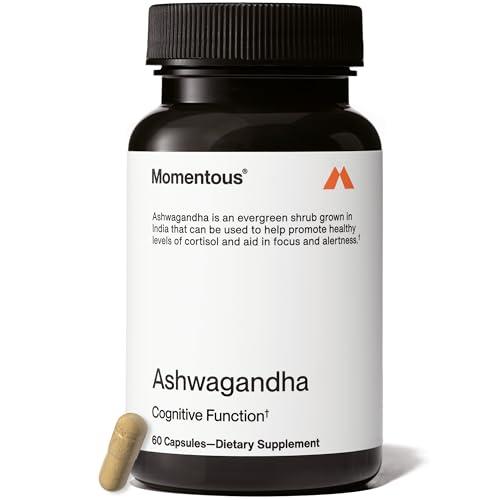
Product example: For a gradual, lifestyle‑friendly option, some people consider a standardized KSM‑66 Ashwagandha Root Extract, taken daily with food.
Smart stacks and cycling
Beet‑and‑Breathe (pre‑event): beetroot nitrates + rhodiola (acute) for blood flow plus reduced perceived effort.
Resilience (training block): ashwagandha (daily) + cordyceps (daily) for 8–12 weeks; add ginger around high‑load sessions.
Classic adaptogen rotation: alternate 6–8 weeks of Panax ginseng with 6–8 weeks of rhodiola or eleuthero; include 1–2 weeks off between blocks to reassess.
Avoid stacking multiple strongly stimulating products; start one change at a time to gauge effects.
Integrate with fundamentals
Nutrition: prioritize carbohydrate availability for endurance sessions; include nitrate‑rich foods (beets, arugula), polyphenols (berries), and omega‑3s.
Hydration and electrolytes: dehydration elevates heart rate and perceived effort.
Sleep and stress: adaptogens help most when sleep is adequate; track sleep consistency.
Training: periodize loads; herbs can support adaptation but can’t replace progressive training.
How to monitor effectiveness
Keep a 4–6 week log: resting HR, HRV (if available), session RPE (rating of perceived exertion), time‑to‑exhaustion or time‑trial results, and sleep quality.
Look for small, consistent improvements (e.g., 1–3% better times, lower RPE at the same pace).
If no benefit after a full trial at a verified dose, consider discontinuing or trying a different approach.
Safety, interactions, and quality: what to know before you start
Common side effects and cautions
Ashwagandha: GI upset, drowsiness in some; rare liver injury case reports; may raise thyroid hormone slightly—use caution with hyperthyroidism or thyroid meds; avoid during pregnancy.
Rhodiola: may feel stimulating; possible insomnia or agitation at higher doses; caution in bipolar disorder.
Panax ginseng: insomnia, headache, GI upset; may affect blood pressure and blood sugar—monitor if on antihypertensives or antidiabetic meds; can interact with warfarin.
Eleuthero: may raise or lower blood pressure; insomnia; potential interaction with digoxin; caution with diabetes medications.
Cordyceps: generally well tolerated; theoretical antiplatelet effects—caution with anticoagulants/antiplatelets; immunomodulatory—use caution with autoimmune conditions or immunosuppressive therapy.
Maca: typically well tolerated; hormone‑sensitive conditions should consult a clinician (data limited).
Beetroot/nitrates: can lower blood pressure—caution with antihypertensives, PDE‑5 inhibitors, or nitrates; high‑oxalate foods may be an issue for those with kidney stones; harmless beeturia (pink urine) is common.
Ginger: heartburn or reflux; antiplatelet activity—caution with anticoagulants/antiplatelets or before surgery.
Most herbs discussed are not prohibited by WADA. The primary risk is contamination/adulteration (e.g., undeclared stimulants) in poorly regulated supplements. Tested athletes should choose products certified by NSF Certified for Sport or Informed‑Sport and avoid proprietary blends without transparent dosing.
Quality and sourcing tips
Standardization matters:
Ashwagandha: root‑only extracts with declared withanolide content; avoid leaf‑heavy products for consistency.
Rhodiola: look for ~3% rosavins and 1% salidroside to match study profiles.
Panax ginseng: standardized to total ginsenosides (5–7%); note species (Panax ginseng vs. P. quinquefolius) as effects differ.
Eleuthero: standardized to eleutherosides B+E.
Cordyceps: preference for fruiting‑body extracts with quantified cordycepin; verify species (C. militaris) and avoid generic “mycelial biomass” on grain when possible.
Beet products: labeled nitrate content per serving (mmol or mg), not just beetroot mass.
Third‑party testing: look for USP, NSF, Informed‑Sport/Informed‑Choice, or ConsumerLab reports to reduce contamination risk.
Species authenticity: rhodiola and ginseng are sometimes adulterated; stick with reputable brands that provide certificates of analysis.
Western and Eastern perspectives—bridging the two
Eastern traditions (Ayurveda, TCM, Andean ethnobotany) emphasize vitality, qi/prana, and resilience. Ashwagandha, ginseng, cordyceps, and maca were traditionally used to “tonify” strength and stamina across seasons.
Western research focuses on quantifiable outcomes: VO2max, time‑trial performance, RPE, cortisol, and biomarkers of oxidative stress. Modern studies suggest some traditional claims map onto mechanisms like HPA modulation, nitric‑oxide signaling, and mitochondrial support.
What the Research Says: quick evidence map
Strong: beetroot/nitrate for submaximal efficiency and small performance gains in recreational athletes.
Moderate: ashwagandha and rhodiola for fatigue reduction and modest VO2max/time‑to‑exhaustion benefits; ginger for soreness reduction.
Emerging: cordyceps, Panax ginseng, eleuthero, maca for endurance (more consistent effects in less‑trained or specific populations).
You take prescription medications (blood thinners, blood pressure, diabetes, thyroid, psychiatric meds).
You’re pregnant, trying to conceive, or breastfeeding.
You have cardiovascular disease, autoimmune conditions, bipolar disorder, liver/kidney disease, or uncontrolled hypertension.
You’re a tested athlete and need guidance on certified products and risk management.
Practical takeaways
If you want an acute boost for a race or hard session: use beetroot/nitrates (2–3 hours pre) and consider rhodiola (200 mg pre‑event).
If you’re building base stamina over weeks: consider daily ashwagandha and cordyceps; evaluate ginseng or eleuthero as adjuncts.
For recovery and training quality: use ginger around heavy training to reduce soreness.
Start low, verify quality, and change one variable at a time. Track objective and subjective metrics for 4–6 weeks, then reassess.
Disclaimer
This article is for educational purposes and should not replace personalized medical advice. Always speak with a qualified healthcare professional before starting any new supplement, especially if you have medical conditions, take medications, or are pregnant.
This content is for informational purposes only and does not constitute medical advice. Always consult a qualified healthcare provider before starting, stopping, or changing any supplement or medication regimen.
Herbs to Enhance Focus and Concentration: An Evidence‑Based Guide (what works, dosage & safety). If you’re looking for herbs to enhance focus and concentration, you’re not alone. Many students, professionals, and busy parents want steadier attention without the jittery edge of high-dose caffeine. This guide bridges Western research and long-standing Eastern traditions to help you decide which f
Supplements for Energy Boost: Evidence‑Based Options, Dosage, and Safety. Feeling drained and wondering which supplements for energy boost actually work? Before reaching for a pill or powder, it helps to understand why energy dips happen and when supplements may help versus when a medical evaluation is the smarter first step. This guide bridges western research and time‑t
Herbs for Better Sleep Quality: An Evidence‑Based Guide to Options, Dosage & Safety. Many people ask whether herbs for better sleep quality can make a real difference without next‑day grogginess or dependence. Short answer: for mild to moderate sleep troubles—especially when stress or an overactive mind is involved—several herbs have research suggesting modest benefits. Results vary
Herbal Detox Programs for Vitality: Evidence, Safe Protocols, and What Works. If you’re exploring herbal detox programs to boost vitality, you’re likely aiming for more steady energy, clearer digestion, and a sense of “lightness” without harsh cleanses. Herbal detox programs, when thoughtfully designed, focus on supporting the body’s own elimination systems—liver, kidneys, ly
Curious if herbal medicine can help with sleep, stress, digestion, or energy? This guide explains what herbal medicine is, how it’s used across traditions, what the research says, how to choose qualit
Best Immune‑Boosting Herbal Teas: An Evidence‑Based Guide to Ingredients, Benefits, Brewing & Safety. If you’re searching for the best immune-boosting herbal teas, you’re likely looking for simple, soothing options to support your defenses during cold season or stressful stretches. Research suggests certain herbs can modulate immune activity, soothe inflamed tissues, and offer antioxidant support—th