

Ginseng
Also known as: Panax, Ginseng (Panax)
Overview
Panax ginseng refers primarily to herbs in the Panax genus, most notably Asian ginseng (Panax ginseng) and American ginseng (Panax quinquefolius). These roots have been used for centuries in East Asian and Indigenous North American healing traditions and are now widely marketed as dietary supplements for energy, resilience to stress, cognitive support, immune function, and general vitality. Their main bioactive compounds are ginsenosides, along with polysaccharides and other phytochemicals that may influence neuroendocrine, immune, metabolic, and vascular pathways.
In contemporary supplement use, Panax ginseng is often described as an adaptogen, a term commonly used to suggest support for the body’s stress response and maintenance of physiological balance. However, ginseng is not a single standardized substance: effects may vary considerably depending on species, age of root, extraction method, dose, processing (such as red versus white ginseng), and product quality. This variability is one reason the scientific literature can be difficult to interpret, even when studies appear promising.
Research has explored Panax ginseng in relation to fatigue, physical performance, cognition, glucose metabolism, sexual health, and immune support. Some studies suggest modest benefits in selected contexts, particularly for fatigue, subjective well-being, and certain metabolic or sexual health outcomes, but findings are mixed and not universally consistent. Safety is generally considered acceptable for many adults when used appropriately, though reported concerns include insomnia, headaches, gastrointestinal upset, palpitations, and interactions with medications such as anticoagulants, diabetes drugs, stimulants, and some psychiatric medications.
Because Panax ginseng products differ widely and because supplement regulation varies by country, quality assurance is an important consideration. A balanced interpretation is that ginseng is a historically important botanical with active pharmacology and a growing research base, but not a uniformly predictable intervention. Individuals with chronic medical conditions, pregnancy, hormone-sensitive disorders, bleeding risk, or complex medication regimens are typically advised to discuss supplement use with a qualified healthcare professional.
Medical Perspectives
Two Ways of Seeing Health

Western
scientific · clinical
Western medicine applies science, technology, and clinical experience to treat symptoms through testing, diagnosis, and targeted intervention.

Eastern
traditional · alternative
Eastern medicine focuses on treating the body naturally by applying traditional knowledge practiced for thousands of years, emphasizing balance and whole-person wellness.
Gold Bamboo presents both perspectives side-by-side so you can make informed decisions. We don't advocate for one over the other — your health choices are yours.
Western Medicine Perspective
Western / Conventional Medicine Perspective
From a conventional biomedical standpoint, Panax ginseng is understood as a botanical supplement with multiple potentially active constituents, especially ginsenosides. Laboratory and clinical research has examined effects on the hypothalamic-pituitary-adrenal axis, inflammatory signaling, nitric oxide pathways, glucose handling, neurotransmission, and immune activity. This broad pharmacology helps explain why ginseng is studied across diverse conditions, but it also means that mechanisms remain complex and may not translate consistently into clinical benefit.
Clinical evidence is mixed but substantive enough to warrant ongoing study. Systematic reviews and randomized trials have evaluated Panax ginseng for fatigue, erectile dysfunction, upper respiratory infections, cognitive performance, and metabolic parameters. Some studies indicate improvements in subjective energy, aspects of sexual function, or glycemic measures, while others find minimal or no significant benefit. Conventional medicine generally views Panax ginseng as a supplement with possible modest effects in selected populations, rather than a primary therapy for major disease.
Safety assessment in western medicine focuses on adverse effects, drug interactions, and product standardization. Potential concerns include sleep disturbance, blood pressure changes, tachycardia, nervousness, gastrointestinal symptoms, and altered blood glucose. Interactions are an important issue, especially with warfarin and other anticoagulants, antidiabetic medications, monoamine oxidase inhibitors, stimulants, and immunomodulatory therapies. Clinicians also note that commercial products may contain inconsistent amounts of active compounds, making real-world outcomes less predictable than those seen in controlled studies.
Overall, conventional medicine tends to place Panax ginseng in the category of adjunctive, not definitive, supportive care. Research suggests biological plausibility and some clinically relevant effects, but evidence is not strong enough to support broad disease claims. Consultation with healthcare providers is commonly emphasized when ginseng is being considered alongside prescription medications or chronic disease management.
Eastern & Traditional Perspective
Eastern / Traditional Medicine Perspective
In Traditional Chinese Medicine (TCM), Ren Shen (ginseng, usually Panax ginseng) is regarded as a premier qi-tonifying herb. Traditionally, it is used in patterns associated with deficiency, exhaustion, weakness, reduced appetite, shortness of breath, and diminished vitality. Rather than targeting a single disease entity, TCM evaluates ginseng according to broader functional patterns involving the Spleen, Lung, and Heart systems, and in some classical contexts as support for recovery from severe depletion. Red ginseng and white ginseng may also be understood as having somewhat different energetic properties depending on processing.
Within this framework, ginseng is valued for helping restore constitutional strength, resilience, and adaptive capacity. Traditional use often places it in formulas rather than as an isolated agent, where it is combined with herbs intended to balance warming, moistening, or digestive effects. TCM practitioners generally distinguish between individuals who appear depleted and those with signs of excess or heat, reflecting the traditional belief that the herb’s appropriateness depends on pattern differentiation rather than symptom matching alone.
In related East Asian systems, including Korean traditional medicine, ginseng holds a similarly prominent place as a restorative botanical associated with stamina, recovery, and longevity. American ginseng is sometimes viewed as relatively cooler in nature than Asian ginseng in traditional herbal energetics, and thus used in somewhat different constitutional contexts. These distinctions are not identical to pharmacologic categories but remain important in classical practice.
Broader traditional and integrative systems, including some forms of Ayurveda and naturopathy, often classify Panax ginseng among herbs used to support stress adaptation, endurance, and recovery. In these systems, the concept overlaps with the modern term adaptogen, though the traditional rationale is usually more holistic than biochemical. While historical use is extensive, practitioners in these traditions also commonly acknowledge the need to consider constitution, concurrent illness, and professional guidance when integrating potent botanicals like ginseng.
Supplements & Products
Recommended Products

Adaptogens: Herbs for Strength, Stamina, and Stress Relief: Winston, David, Maimes, Steven
In this updated edition of the definitive guide to adaptogenic herbs, clinical herbalist David Winston and researcher Steven Maimes provide a comprehensive look at adaptogens: non-toxic herbs such as

Solgar Korean Ginseng Root Extract, 60 Vegetable Capsules - Immune Support - Standardized, Full Potency (SFP) - Non-GMO, Vegan, Gluten Free, Dairy Free, Kosher - 60 Servings, Standard Packaging
Standardized, Full Potency (SFP); ... Ginseng Root Extract is <strong>suitable for vegans, and free of: gluten, wheat, dairy, soy, yeast, sugar, sodium, artificial flavor, sweetener, preservatives, an
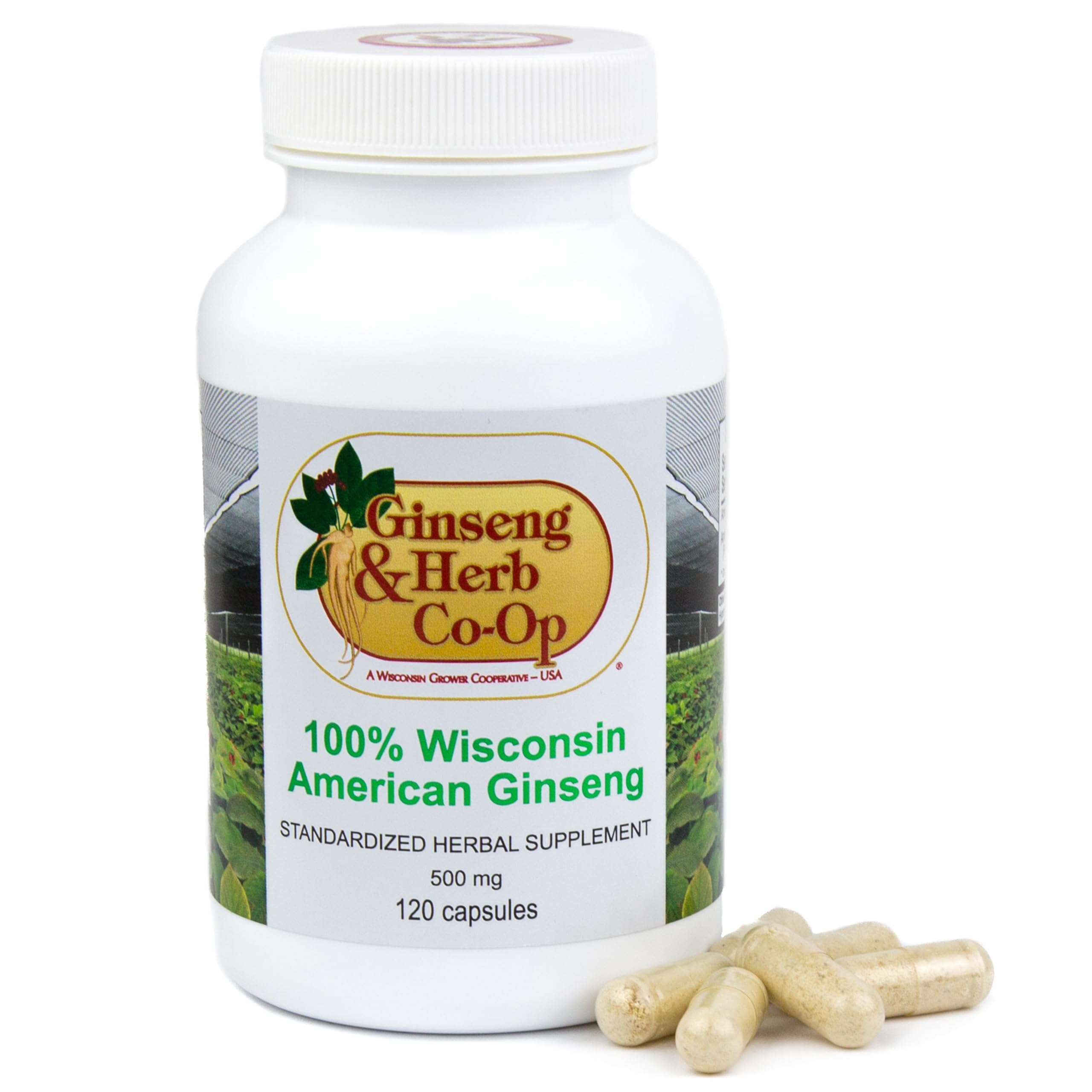
100% Pure Wisconsin American Ginseng Capsules - 500mg. Authentic Panax Quinquefolius. Potent Ground Ginseng Root - No Fillers, Binders or Other Additives.
Hsu’s Ginseng SKU 1001 | American Ginseng Capsules, 100ct | Cultivated American Ginseng from Marathon County, Wisconsin USA | 许氏花旗参丸 | 500 mg 100 ct Capsules Bottle, Panax quinquefolius l., B000153QYG
Evidence & Sources
Promising research with growing clinical support from multiple studies
- National Center for Complementary and Integrative Health (NCCIH)
- World Health Organization Monographs on Selected Medicinal Plants
- Cochrane Database of Systematic Reviews
- Journal of Ginseng Research
- American Family Physician
- Phytomedicine
- The Annals of Pharmacotherapy
- Mayo Clinic Proceedings
This content is for informational purposes only and does not constitute medical advice. Always consult a qualified healthcare provider before starting, stopping, or changing any supplement or medication regimen.