Supplements for Energy Boost: Evidence‑Based Options, Dosage, and Safety
Feeling drained? Explore supplements for energy boost with evidence-based dosing, safety tips, labs to check, and smart stacking strategies.
·12 min read
This content is for informational purposes only and does not constitute medical advice. Always consult a qualified healthcare provider before starting, stopping, or changing any supplement or medication regimen.
Feeling drained and wondering which supplements for energy boost actually work? Before reaching for a pill or powder, it helps to understand why energy dips happen and when supplements may help versus when a medical evaluation is the smarter first step. This guide bridges western research and time‑tested eastern practices to help you choose safely and effectively.
Why am I tired? Common causes—and when to seek care
Persistent low energy usually has multiple contributors. Addressing root causes often delivers more benefit than any single supplement.
Sleep: Inadequate duration, poor quality, circadian disruption, or sleep apnea can all sap daytime energy.
Nutrition: Too few calories, low protein, dehydration, or micronutrient insufficiency (iron, B12, vitamin D, magnesium) are common.
Stress and mental health: Chronic stress, anxiety, and depression can blunt motivation and physical energy.
Medical conditions: Thyroid disorders, anemia, diabetes, infections (including post‑viral fatigue), autoimmune disease, heart or lung disease, and chronic kidney/liver issues.
Medications/substances: Sedatives, some antihistamines, beta‑blockers, certain antidepressants, and alcohol or cannabis can reduce alertness.
Life stages: Pregnancy/postpartum, perimenopause/menopause, and aging shift hormone dynamics and sleep.
When to prioritize medical evaluation before supplementing:
Red flags: Chest pain, shortness of breath, fainting, rapid or irregular heartbeat, severe or sudden fatigue, unexplained weight loss, persistent fever/night sweats, new neurologic symptoms.
Persistent fatigue >2–4 weeks despite good sleep and nutrition.
Risk factors for anemia or deficiency (heavy menstrual bleeding, vegan/vegetarian diet, GI disorders, bariatric surgery).
Suspected thyroid disorder, sleep apnea, or depression.
Helpful labs/tests to discuss with your clinician:
Strong evidence: Caffeine for alertness and performance; iron if you’re iron‑deficient; vitamin B12 if deficient; creatine for repeated high‑intensity efforts and possibly general vitality in some populations.
Moderate evidence: Magnesium for those with low intake or sleep/stress issues; CoQ10 for statin‑associated fatigue and some fatigue syndromes; rhodiola for stress‑related fatigue; Panax ginseng for fatigue over several weeks.
Emerging evidence: Vitamin D for energy when deficient; L‑carnitine for older adults or certain medical conditions; cordyceps for endurance; NAD+ precursors (NR/NMN) for cellular energy metrics.
Traditional use: Ashwagandha and cordyceps have centuries of use for vitality in Ayurveda and TCM; modern trials are growing but still mixed.
This article classifies evidence levels below as strong, moderate, emerging, or traditional.
Best supplements for energy boost: profiles, dosing, and expected effects
Caffeine (coffee, tea, capsules)
Mechanism: Adenosine receptor antagonist; increases alertness and perceived energy; can enhance endurance via reduced perceived exertion.
Typical dose: 50–200 mg per dose; up to ~400 mg/day for most healthy adults. Start low. Pregnancy: limit to ≤200 mg/day.
Evidence: Strong for acute alertness and performance.
Onset: 15–60 minutes; lasts 3–6 hours (longer if slow metabolizer).
Notes: Can disturb sleep, worsen anxiety, trigger palpitations or reflux. Interacts with stimulants. Avoid late‑day dosing.
B‑complex (focus on B12 and folate)
Mechanism: B vitamins are co‑factors in energy metabolism; B12/folate support red blood cell formation and methylation.
Typical dose: B‑complex with RDA‑to‑modest doses (e.g., B12 250–1000 mcg/day orally; folate 400–800 mcg/day as methylfolate or folic acid). Injections only if medically indicated.
Evidence: Strong for correcting deficiency; limited for benefit if levels are adequate.
Onset: Days to weeks after correcting deficiency.
Notes: Test B12 before high‑dose folate; metformin and PPIs can lower B12. B vitamins are generally safe; may cause vivid dreams if taken at night.
Iron
Mechanism: Required for hemoglobin and mitochondrial enzymes; low iron impairs oxygen delivery and ATP production.
Typical dose: 18–65 mg elemental iron/day for deficiency (different salts vary). Use under clinician guidance; recheck labs.
Evidence: Strong for iron‑deficiency anemia; moderate for iron‑deficiency without anemia in menstruating individuals/athletes.
Onset: 2–8 weeks for symptom improvement; 2–3+ months to replete stores.
Notes: Confirm deficiency first (ferritin, iron studies). Can cause constipation, nausea; interacts with thyroid meds and some antibiotics. Avoid in hemochromatosis.
Vitamin D
Mechanism: Hormone‑like vitamin affecting muscle function, inflammation, and mood.
Typical dose: 1000–2000 IU/day commonly; personalized based on 25(OH)D levels.
Evidence: Emerging to moderate—benefit most likely if deficient.
Onset: Weeks to months.
Notes: Excess can cause hypercalcemia; caution with thiazide diuretics and granulomatous diseases. Test 25(OH)D when possible.
Magnesium
Mechanism: Cofactor in ATP synthesis; supports muscle/nerve function and sleep quality.
Typical dose: 100–400 mg elemental magnesium/day (glycinate, citrate, or chloride forms are better tolerated).
Evidence: Moderate for sleep quality and stress; emerging for energy in those with low intake.
Onset: Days to weeks.
Notes: Diarrhea possible (especially oxide). Caution in kidney disease. Separate from certain antibiotics/bisphosphonates by several hours. See our guide to Magnesium.
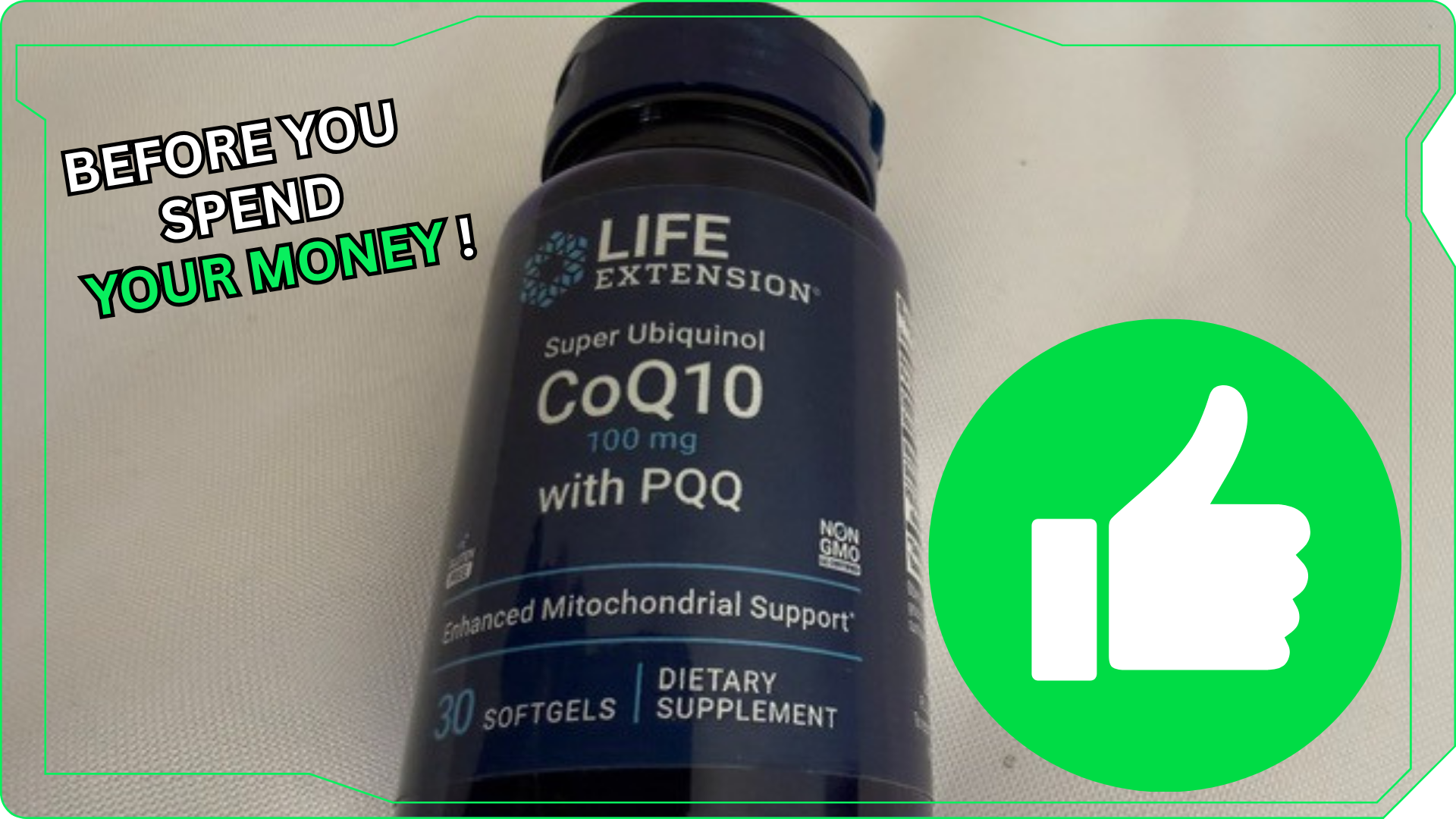
Coenzyme Q10 (CoQ10)
Mechanism: Electron transporter in mitochondria; antioxidant; supports ATP production.
Typical dose: 100–300 mg/day with fat (ubiquinone or ubiquinol; higher bioavailability with some forms).
Evidence: Moderate—benefit seen in statin‑associated fatigue, some chronic fatigue/fibromyalgia studies.
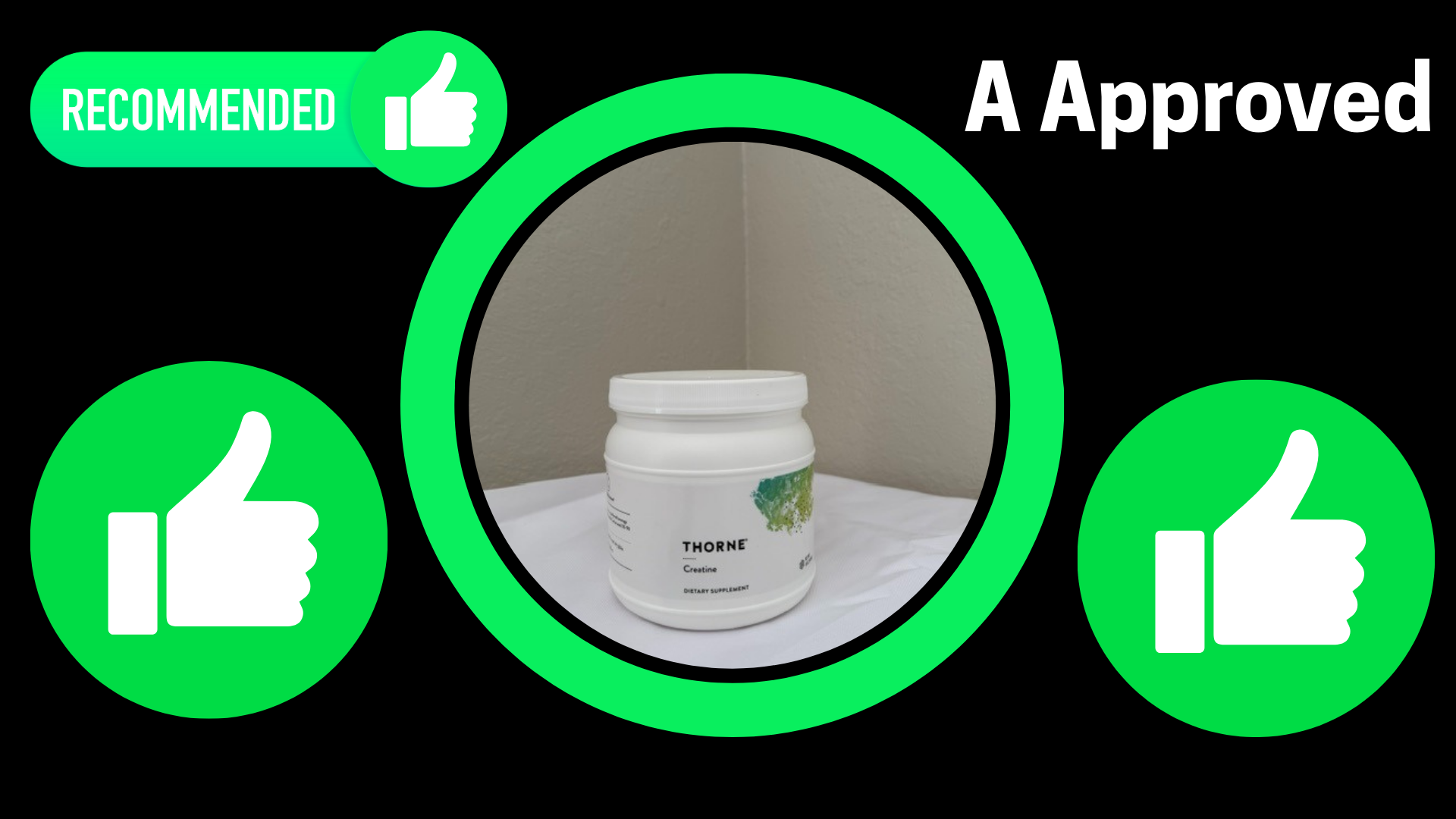
Mechanism: Increases phosphocreatine stores to rapidly regenerate ATP during high‑intensity efforts; may support brain energy.
Typical dose: 3–5 g/day; optional loading 20 g/day in 4 doses for 5–7 days.
Evidence: Strong for repeated high‑intensity performance; emerging to moderate for general fatigue and cognitive energy in some groups.
Onset: 1–4 weeks (faster with loading).
Notes: Water weight gain is common; ensure hydration. Caution with kidney disease. Look for Creapure or third‑party tested products. See Creatine Monohydrate.
Evidence: Emerging—human studies show increases in blood NAD+ and some metabolic markers; subjective energy findings are mixed.
Onset: 2–8 weeks.
Notes: Generally well tolerated short‑term; long‑term safety still under study. Avoid megadoses without guidance, especially if you have active cancer history.
Safety, interactions, and who should be cautious
General principles
Start low, go slow; add one supplement at a time so you can gauge effects.
Time stimulants (caffeine, rhodiola, ginseng) earlier in the day to protect sleep.
If you’re pregnant, breastfeeding, under 18, have chronic illness, or take prescription meds, consult a clinician first.
Common interactions and cautions
Caffeine: Interacts with other stimulants; may worsen anxiety, GERD, or arrhythmias. Limit during pregnancy.
Iron: Only if labs confirm need. Avoid with hemochromatosis. Space from levothyroxine, tetracyclines/quinolones. Constipation common.
B12/folate: High folate can mask B12 deficiency—test first. Metformin and PPIs may lower B12.
Vitamin D: Risk of hypercalcemia at high doses; caution with thiazides and granulomatous diseases. Monitor levels.
Magnesium: Diarrhea at high doses; caution with kidney disease; separates from certain antibiotics/bisphosphonates.
CoQ10: May reduce warfarin’s anticoagulant effect (monitor INR when starting/stopping).
Creatine: Benign water weight gain; caution with kidney disease or nephrotoxic drugs.
L‑carnitine: Possible interaction with warfarin; may increase TMAO. GI upset/fishy odor are common.
Rhodiola: Can be activating; caution with bipolar disorder.
Ginseng: May affect blood sugar and bleeding risk; caution with anticoagulants and diabetes meds.
Ashwagandha: May raise thyroid hormone; rare liver injury case reports—use reputable brands, stop if jaundice/itching.
Cordyceps: Immunomodulatory; theoretical interaction with immunosuppressants; quality concerns/contaminants—buy tested extracts.
NAD+ precursors: Limited long‑term safety data; discuss with your clinician if you have cancer history.
Populations needing extra caution
Pregnancy/breastfeeding and children: Limit to clinician‑recommended prenatal/child formulations; avoid stimulants and herbs unless advised.
Cardiovascular disease/arrhythmias: Use stimulants and adaptogens cautiously; monitor BP/HR.
Psychiatric conditions: Stimulants and activating adaptogens may destabilize mood/anxiety in some.
Autoimmune disease or transplant: Avoid immunomodulating herbs/mushrooms without specialist input.
Recommended labs and monitoring
Before iron: CBC, ferritin, transferrin saturation; recheck in 6–8 weeks.
Before high‑dose B12/folate: Serum B12 ± MMA and folate.
Before/after vitamin D: 25(OH)D after 8–12 weeks.
Thyroid symptoms: TSH ± free T4.
On warfarin: Check INR after starting/stopping CoQ10, ginseng, or carnitine.
Practical decisions: picking quality, dosing, timing, and stacking
How to choose high‑quality supplements
Look for third‑party testing seals (USP, NSF, Informed Choice, or CL). For herbs/mushrooms, prefer standardized extracts and fruiting‑body products with contaminant testing.
Keep formulas simple. Single‑ingredient products make it easier to assess effects and avoid interactions.
Match the form to the goal: magnesium glycinate for gentler GI; creatine monohydrate for best data; CoQ10 taken with fat for absorption.
Realistic expectations
If you correct a deficiency (iron, B12, vitamin D), expect meaningful improvements over weeks to months.
Stimulants work the same day but can borrow from tomorrow’s sleep; use judiciously.
Mitochondrial supports (CoQ10, creatine, carnitine, NAD+ precursors) often need 2–8 weeks to assess.
Herbs help most when stress or sleep drive fatigue; think in weeks, not days (rhodiola may be quicker).
With meals containing fat: CoQ10, NR/NMN (if sensitive, try with food).
Evening: Magnesium (sleep support), ashwagandha (if calming for you).
Iron: Away from calcium/coffee/tea; pair with vitamin C for absorption.
Creatine: Any time daily; consistency > timing.
Smart stacks (evidence‑minded)
For alertness without jitters: Lower‑dose caffeine with calming amino acids (e.g., L‑theanine) can smooth edges. Keep total caffeine ≤400 mg/day.
For cellular energy support: Creatine + CoQ10 may complement each other over 4–8 weeks.
For stress‑related fatigue: Ashwagandha at night + rhodiola in the morning, trial for 4–8 weeks; monitor mood and sleep.
Lifestyle moves that multiply results
Protect sleep: Regular schedule, dark cool room, wind‑down routine.
Eat enough: Aim for protein at each meal, fiber, and hydration; don’t skip meals if you’re active.
Train smart: 2–3 resistance sessions/week and regular light movement beat all‑or‑nothing bursts.
Manage stress: Brief breathwork, sunlight exposure, and breaks through the day.
Helpful products many people consider
Many people find a third‑party tested creatine powder Creatine Monohydrate (Third‑Party Tested) convenient for daily use; evidence is strong for performance and emerging for general vitality.
A simple B‑complex can cover baseline needs; options like Balanced B‑Complex (Methylated) are popular, but benefits are most likely if you’re low in B vitamins.
If you suspect low iron and can’t access labs immediately, some use at‑home testing such as an At‑Home Iron & Ferritin Test to guide a discussion with their clinician. Treat results as preliminary, not diagnostic.
Red flags and when to get help
New or worsening chest pain, shortness of breath, fainting, irregular heartbeat, severe headaches, or neurologic changes—seek urgent care.
Fatigue with fever, night sweats, or unintentional weight loss—schedule prompt evaluation.
Any supplement causing rash, jaundice, dark urine, severe GI pain, or mood instability—stop and contact your clinician.
How to use this information
Start with root causes: sleep, nutrition, stress, and medical screening.
Choose one high‑priority supplement based on your likely needs (e.g., iron if labs confirm deficiency; magnesium if sleep is poor; caffeine for occasional alertness).
Trial for a defined window (2–8 weeks for most non‑stimulants), track sleep, mood, and energy, then reassess.
Protect sleep: It’s the most reliable performance enhancer you have.
This information is for educational purposes and should not replace personalized medical advice. Always discuss new supplements with a qualified healthcare professional, especially if you take prescription medications or have chronic health conditions.
This content is for informational purposes only and does not constitute medical advice. Always consult a qualified healthcare provider before starting, stopping, or changing any supplement or medication regimen.
Vitamin Combinations for Optimal Energy: An Evidence‑Based Guide to Stacks, Safety, and When to Test. If you’re dragging through the day and wondering which vitamin combinations for optimal energy can actually help, you’re not alone. Fatigue has many causes—sleep debt, stress, low iron, suboptimal B vitamins, thyroid issues, post‑viral recovery—and the right nutrient stack depends on what’s driving
Supplements for Stress Management: Evidence‑Based Options, Dosage & Safety. If you’re feeling wired, worn down, or both, you might be wondering which supplements for stress management are truly worth trying. Research suggests certain nutrients, herbs, and mind‑body compounds can nudge stress systems toward balance. Still, even the best options offer small‑to‑moderate benefi
Supplements to Boost Athletic Performance: Evidence‑Based Guide for Athletes. If you train hard, you’ve likely wondered which supplements to boost athletic performance actually work—and which are just hype. This guide bridges western sports nutrition research with time‑tested traditional options so you can choose strategically, dose correctly, and stay safe.
We group ergogen
Supplements for Heart Health: Evidence‑Based Options, Dosage & Safety. If you’re looking into supplements for heart health, you’re not alone. Many people want to know which nutrients can support cholesterol, blood pressure, triglycerides, heart rhythm, and overall cardiovascular resilience—without overpromising or overlooking risks. This guide reviews research-backed o
Supplements for Healthy Aging: An Evidence‑Based Guide to What Works, Dosage & Safety. Aging well is about staying strong, sharp, and active—not chasing immortality. If you’re wondering which supplements for healthy aging are actually worth considering, research suggests a focused, evidence‑based plan can support bones, heart, brain, mitochondria, skin, and stress resilience. Suppleme
Herbs That Boost Stamina: An Evidence‑Based Guide to Natural Energy and Endurance. If you’re looking for herbs that boost stamina, you’re probably juggling long days, tough workouts, or simply wanting steadier energy without a crash. The right plants can support endurance, but they work best when paired with training, sleep, and smart nutrition. Below, we explain what “stamina” re