Supplements for Healthy Aging: An Evidence‑Based Guide to What Works, Dosage & Safety
An evidence‑based guide to supplements for healthy aging—what works, dosages, safety, and how to personalize a plan without the hype.
·12 min read
This content is for informational purposes only and does not constitute medical advice. Always consult a qualified healthcare provider before starting, stopping, or changing any supplement or medication regimen.
Aging well is about staying strong, sharp, and active—not chasing immortality. If you’re wondering which supplements for healthy aging are actually worth considering, research suggests a focused, evidence‑based plan can support bones, heart, brain, mitochondria, skin, and stress resilience. Supplements work best when layered onto fundamentals: diet, movement, sleep, and social connection.
Below, we bridge Western clinical evidence and Eastern tradition to help you decide what’s meaningful, what’s hype, and how to use this information safely.
How Aging Works—and Where Supplements Can Help
Aging isn’t one process; it’s many overlapping shifts:
Oxidative stress and inflammation: Over time, reactive oxygen species and chronic low‑grade inflammation (“inflammaging”) can damage cells and tissues.
Mitochondrial decline: The cell’s powerhouses produce less ATP with age, potentially reducing energy and recovery capacity.
Hormonal shifts: Changes in estrogen, testosterone, DHEA, and growth hormone affect muscle, bone, mood, and metabolism.
Gut microbiome changes: Diversity often declines with age, influencing immune health and nutrient absorption.
Structural wear and tear: Collagen in joints and skin gradually breaks down; bone mineral density can fall.
Where supplements can help
Nutrient repletion: Correcting common shortfalls (vitamin D, B12, magnesium, omega‑3s) has strong to moderate evidence for targeted benefits.
Targeted support: Certain compounds may support mitochondrial function (CoQ10), modulate inflammation (curcumin), or aid joint/skin matrix (collagen)—with moderate to emerging evidence.
Microbiome nudges: Select probiotics can support digestive and immune function; evidence is strain‑ and condition‑specific.
Where supplements are limited
No capsule replaces resistance training, a fiber‑rich diet, quality sleep, stress management, and purpose. Claims of “reverse aging” are overstated; realistic benefits are incremental and depend on baseline status and adherence.
What the Research Says
Evidence levels are summarized using: strong (multiple RCTs/meta‑analyses), moderate (limited RCTs/consistent observational), emerging (early human trials, mechanistic/animal), traditional (historical use with limited modern trials).
Correcting deficiencies (vitamin D, B12) improves specific outcomes in those who are low (strong to moderate evidence). Routine high‑dose use without testing offers diminishing returns and risk.
Omega‑3 EPA/DHA support cardiovascular health markers and may aid brain and eye health (moderate to strong for triglyceride lowering; moderate for broader outcomes).
CoQ10 supports cellular energy and may help statin‑associated muscle symptoms and some measures of cardiac function (moderate evidence).
Curcumin reduces inflammatory signaling (e.g., NF‑κB) with small‑to‑moderate effects on joint discomfort and inflammatory markers (moderate evidence).
Collagen peptides show small benefits for joint comfort and skin elasticity in some RCTs (moderate evidence), especially with adequate protein intake.
NAD+ precursors (NR, NMN) raise NAD+ levels in humans (strong biomarker evidence) but have limited evidence for hard clinical outcomes (emerging clinical evidence).
Probiotics show benefit for certain GI concerns and antibiotic‑associated diarrhea (moderate evidence), with aging‑specific outcomes still developing.
Adaptogens (ashwagandha, rhodiola, ginseng) are traditionally used for stress and vitality; modern evidence is growing but variable and product‑specific (emerging to moderate).
Best Supplements for Healthy Aging: Evidence‑Based Review
Core nutrients: vitamin D, vitamin B12, magnesium
Primary benefits
Vitamin D: Bone health, muscle function, immune support. Deficiency is common with aging due to less sun exposure and skin synthesis.
B12: Nerve health, red blood cell formation; absorption declines with age and with metformin or acid‑suppressing drugs.
Vitamin D: Strong for preventing/treating deficiency‑related bone issues; mixed for non‑skeletal outcomes. Test 25(OH)D to guide dosing.
B12: Strong for correcting deficiency (neurologic and hematologic benefits). Observational links to cognition and mood exist; RCTs are mixed unless a deficiency is present.
Magnesium: Moderate for sleep quality, leg cramps in select groups, blood pressure (small reductions), and migraine prevention.
Who may benefit most
Vitamin D: Adults with little sun, darker skin living at higher latitudes, osteoporosis risk, older adults in care settings.
B12: Adults 50+, vegans/vegetarians, those on PPIs/H2 blockers or metformin.
Magnesium: Low dietary intake, muscle cramps, constipation, sleep issues; athletes; people under chronic stress.
Typical dosing and forms
Vitamin D3: 1,000–2,000 IU daily; personalize to reach 25(OH)D ~30–50 ng/mL. Avoid chronic intakes >4,000 IU/day without monitoring.
B12: 250–500 mcg daily for maintenance; 500–1,000 mcg daily if low or on metformin/PPIs. Cyanocobalamin or methylcobalamin are both effective.
Magnesium: 200–400 mg elemental/day (glycinate for gentler GI; citrate for constipation). Adjust for kidney function.
Common claims vs. reality
High‑dose vitamin D does not prevent all chronic disease; benefits are clearest if you’re low.
B12 is not a stimulant; it helps if you’re deficient. Otherwise, extra provides little added energy.
Magnesium is not a cure‑all; expect modest improvements in sleep or cramps.
Omega‑3 fats (EPA/DHA)
Primary benefits: Heart and vascular support (triglyceride lowering, potential anti‑arrhythmic and anti‑inflammatory effects); brain and eye health.
Evidence strength: Moderate to strong for triglyceride reduction; moderate for cardiovascular outcomes depending on dose/form; mixed for cognition unless low baseline intake.
Who may benefit: Low fish intake, elevated triglycerides, dry eye, inflammatory conditions under clinician care.
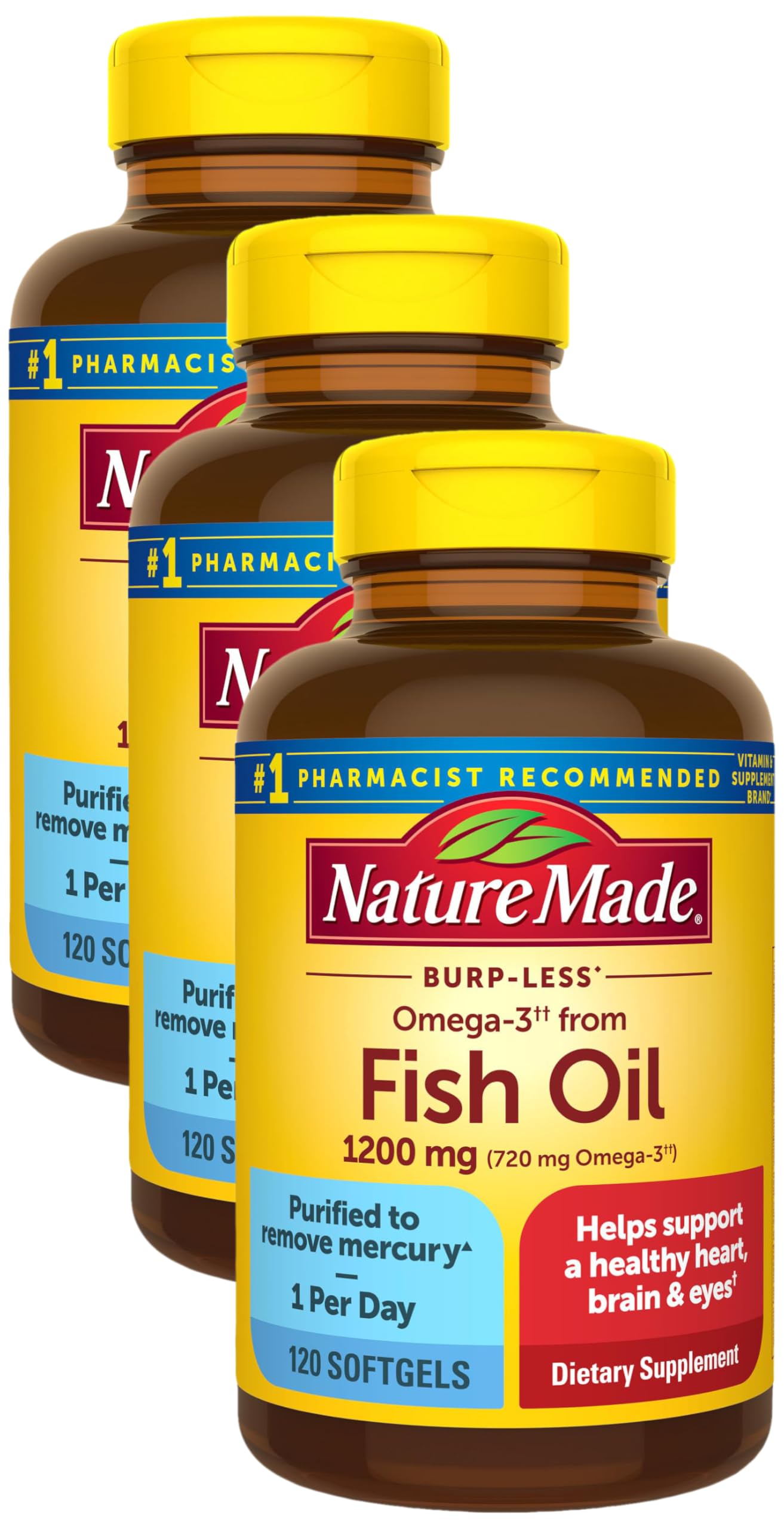
Typical dosing: 1,000 mg/day combined EPA+DHA for general support; 2–4 g/day for triglycerides under medical supervision. Choose products with oxidation control and third‑party testing. Many people find a USP-Verified Fish Oil (product-url) helpful for this purpose.
Claims vs. reality: Not all fish oils are equal; quality and dose matter. It’s not a replacement for statins or diet when those are indicated. For a deeper dive on cardiovascular context, see Supplements for Heart Health: Evidence‑Based Options, Dosage & Safety (/articles/supplements-for-heart-health-evidence-dosage-safety).
Antioxidants and mitochondrial supports: CoQ10, astaxanthin, resveratrol
Coenzyme Q10 (CoQ10)
Mechanism: Key electron carrier in mitochondria; antioxidant roles. Levels may decline with age and statin use.
Evidence: Moderate for statin‑associated muscle symptoms and certain heart measures; mixed for fatigue. Doses 100–200 mg/day (ubiquinol may offer better absorption). See Coenzyme Q10 and Cellular Energy: What the Science Says for Healthy Aging (/articles/coenzyme-q10-cellular-energy-healthy-aging).
Who benefits: Adults on statins, those with low energy linked to mitochondrial issues, older adults with heart health goals.
Astaxanthin
Mechanism: Carotenoid antioxidant concentrated in membranes; may reduce lipid peroxidation.
Evidence: Emerging to moderate for skin photoprotection and exercise recovery; limited disease‑specific outcomes. Typical dose 4–12 mg/day.
Resveratrol
Mechanism: Polyphenol that may influence sirtuin signaling and antioxidant defenses.
Evidence: Emerging to moderate for metabolic markers; human outcome trials are mixed and dose/formulation dependent. Typical dose 100–500 mg/day; higher doses increase GI side effects.
Reality check: Popular in “longevity” marketing, but clinical benefits in healthy adults remain uncertain.
NAD+ precursors: NR (nicotinamide riboside) and NMN (nicotinamide mononucleotide)
Primary benefit: Support cellular NAD+ levels involved in energy metabolism and DNA repair.
Evidence strength: Strong for increasing NAD+ in blood; emerging for clinical outcomes (endurance, metabolic health, healthy aging markers).
Who may benefit: Adults seeking mitochondrial support, especially with low energy; those interested in experimental longevity pathways.
Typical dosing: NR 300–1,000 mg/day; NMN 250–1,000 mg/day. Long‑term safety and efficacy data are still limited.
Claims vs. reality: Not an “anti‑aging pill.” Consider as a monitored experiment, not a guarantee.
Curcumin/turmeric
Mechanism: Curcumin inhibits NF‑κB and other inflammatory pathways; poor bioavailability improved by piperine or phytosome formulations.
Evidence strength: Moderate for joint comfort and inflammatory markers; mixed for cognition and metabolic endpoints.
Who may benefit: Adults with joint discomfort or systemic inflammation under care.
Typical dosing: 500–1,000 mg/day of curcuminoids (standardized), often with piperine or as a phytosome.
Claims vs. reality: Helpful adjunct for joints; not a replacement for disease‑modifying treatments. May interact with blood thinners.
Collagen and protein support
Mechanism: Hydrolyzed collagen provides amino acids (glycine, proline) for connective tissue; leucine‑rich protein supports muscle protein synthesis.
Evidence strength: Moderate for small improvements in joint comfort and skin elasticity; strong for total protein intake supporting muscle preservation in older adults.
Who may benefit: Adults with joint wear‑and‑tear, skin elasticity goals, or difficulty meeting protein targets.
Typical dosing: Collagen peptides 5–15 g/day; total protein 1.2–1.6 g/kg/day for older adults, spread across meals with ~2–3 g leucine per meal.
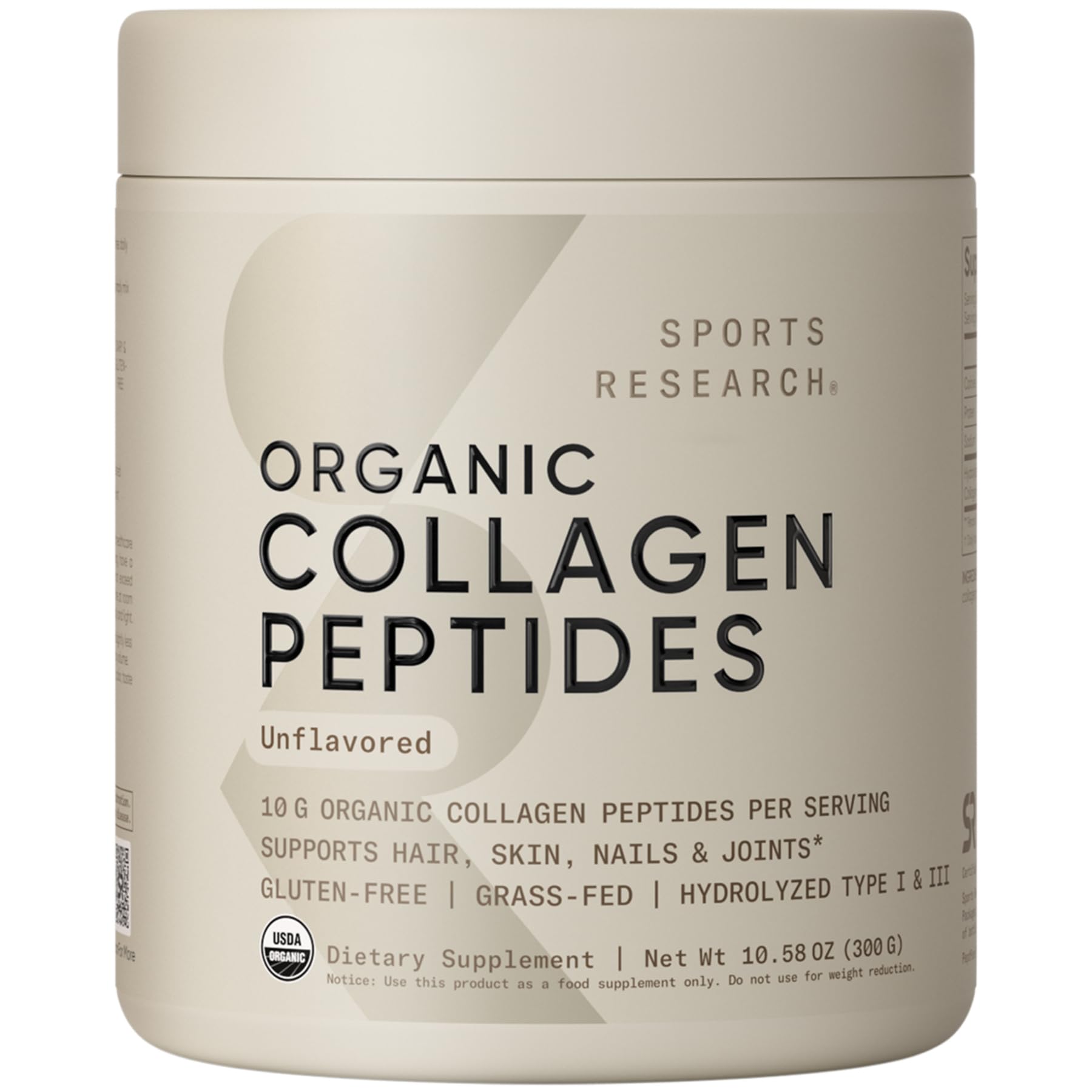
Product tip: Many people find Collagen Peptides Powder (product-url) easy to add to coffee or smoothies.
Primary benefits: Traditionally used for stress resilience, energy, and vitality; may modulate HPA‑axis and neurotransmitters.
Evidence strength: Emerging to moderate for stress, sleep, and fatigue depending on extract.
Who may benefit: High stress, mild fatigue, or sleep issues without major psychiatric conditions.
Typical dosing
Ashwagandha root extract: 300–600 mg/day (standardized to 5% withanolides). Note rare liver injury reports; monitor if using.
Rhodiola (e.g., SHR‑5): 200–400 mg/day, often morning.
Panax ginseng: 200–400 mg/day (standardized to 5–7% ginsenosides).
Product tip: Some people prefer a third‑party tested Adaptogen Blend (product-url) to simplify dosing.
For brain‑focused options beyond aging basics, see Natural Supplements for Brain Health: An Evidence‑Based Guide to Nootropics, Omega‑3s, and Key Vitamins (/articles/natural-supplements-for-brain-health).
Safety, Interactions, and Quality Control
General risks
Overdosing fat‑soluble vitamins (vitamin D) can cause toxicity.
Heavy metal or pesticide contamination can occur in botanicals; fish oils can oxidize.
Pill burden and cost add up; start low and reassess benefits.
Common interactions and cautions
Anticoagulants/antiplatelets: Fish oil (high doses), curcumin, resveratrol, and ginseng may increase bleeding risk; CoQ10 may reduce warfarin effect—monitor INR.
Blood pressure/diabetes meds: Magnesium and ginseng can alter responses; coordinate with your clinician.
Thyroid: Ashwagandha may increase thyroid hormone; avoid or monitor if you have thyroid disease or take levothyroxine.
Metformin/PPIs: Can reduce B12 absorption—consider testing and supplementation.
Antibiotics/bisphosphonates: Magnesium and calcium reduce absorption; separate by several hours.
Gallbladder disease: Curcumin/turmeric may worsen symptoms.
Kidney disease: Use magnesium cautiously and under medical supervision.
Immunocompromised: Probiotics carry rare infection risk; discuss with your care team.
Quality checklist
Look for third‑party testing: USP, NSF, Informed Choice, or a Certificate of Analysis.
Transparent labels: Clear dose per active ingredient, standardized extracts, and known forms (e.g., magnesium glycinate, ubiquinol).
Responsible sourcing: Sustainable omega‑3s with oxidation metrics (peroxide/anisidine values), botanicals tested for heavy metals and adulterants.
Company practices: cGMP certification, lot tracking, and responsive customer support.
Monitoring and lab tests to consider (with clinician guidance)
25(OH)D for vitamin D dosing.
B12 and methylmalonic acid (MMA) if symptoms or risk factors.
Omega‑3 index for EPA/DHA status where available.
Kidney function if using magnesium regularly.
Lipid panel, A1C, and blood pressure for cardiometabolic goals.
For lifestyle levers that matter as much as supplements, see Telomere Length and Lifestyle: What Really Matters for Healthy Aging (/articles/telomeres-lifestyle-healthy-aging).
Personalization: Building Your Plan
Prioritize by goals and likely benefit
Bone/muscle: Vitamin D (test‑guided) + magnesium, protein to 1.2–1.6 g/kg/day; consider collagen for joints/skin.
Heart and vessels: Omega‑3 EPA/DHA (quality‑verified, dose by goal), magnesium if intake is low.
Cellular energy: Consider CoQ10; optionally trial NR/NMN with realistic expectations.
Brain support: Ensure B12 sufficiency; consider omega‑3s; explore nootropic basics with caution. See Natural Supplements for Brain Health (/articles/natural-supplements-for-brain-health).
Stress and sleep: Magnesium glycinate at night; consider ashwagandha or rhodiola if appropriate and monitored; also see Supplements for Stress Management: Evidence‑Based Options, Dosage & Safety (/articles/supplements-for-stress-management-evidence-dosage-safety).
Joint/skin: Collagen peptides plus resistance training and UV protection; astaxanthin for photoprotection interest.
How to start
Step 1: Get baseline labs (25(OH)D, B12/MMA; consider omega‑3 index, kidney function) and review meds with your clinician.
Step 2: Add no more than 1–2 supplements for healthy aging at a time; track sleep, energy, digestion, pain, and labs over 8–12 weeks.
Step 3: Keep what clearly helps; stop what doesn’t. Re‑test and reassess every 6–12 months.
Stacking guidance
Morning: Omega‑3 with breakfast; B12 (if supplementing).
Midday: NR/NMN (if trialing), probiotics away from very hot liquids.
Evening: Magnesium glycinate; collagen anytime; curcumin with meals containing fat.
Lifestyle multipliers
Resistance training 2–3x/week to protect muscle and bone.
7–9 hours of sleep; stress practices (breathwork, tai chi, meditation).
Sunlight exposure balanced with skin protection; avoid tobacco; moderate alcohol.
Quick myth‑busting
“There’s one anti‑aging pill.” No—benefits are domain‑specific and modest.
“Natural means safe.” Not always; interactions and contamination exist.
“More is better.” Diminishing returns and toxicity are real, especially with fat‑soluble vitamins.
“Supplements replace healthy habits.” They’re tools, not substitutes.
Putting It All Together
Start with gaps: vitamin D, B12, magnesium, and omega‑3s often deliver the highest return for people who are low or have specific goals.
Consider targeted adds: CoQ10 for energy/heart support; curcumin for joints; collagen for joints/skin; probiotics for gut needs; adaptogens for stress.
Use quality products, modest doses, and regular check‑ins with your clinician. Most benefits are incremental but meaningful over months and years.
Educational note: This information is for educational purposes and should not replace individualized medical advice. Always discuss new supplements for healthy aging with your healthcare professional, especially if you take prescription medications or have chronic conditions.
This content is for informational purposes only and does not constitute medical advice. Always consult a qualified healthcare provider before starting, stopping, or changing any supplement or medication regimen.
Natural Supplements for Brain Health: An Evidence‑Based Guide to Nootropics, Omega‑3s, and Key Vitamins. If you’re searching for natural supplements for brain health, you’re likely looking for safe, evidence‑based ways to support memory, focus, mood, or long‑term cognitive resilience. This guide reviews what research suggests works, how these supplements may act in the brain, and how to use them though
Supplements for Heart Health: Evidence‑Based Options, Dosage & Safety. If you’re looking into supplements for heart health, you’re not alone. Many people want to know which nutrients can support cholesterol, blood pressure, triglycerides, heart rhythm, and overall cardiovascular resilience—without overpromising or overlooking risks. This guide reviews research-backed o
Nutritional Supplements for Memory Improvement: An Evidence‑Based Guide. If you’re exploring nutritional supplements for memory improvement, you’re not alone. Many people—students under stress, busy professionals, and older adults noticing “tip‑of‑the‑tongue” moments—look for safe, research‑backed ways to support recall, focus, and long‑term brain health. This guide synt
Supplements for Energy Boost: Evidence‑Based Options, Dosage, and Safety. Feeling drained and wondering which supplements for energy boost actually work? Before reaching for a pill or powder, it helps to understand why energy dips happen and when supplements may help versus when a medical evaluation is the smarter first step. This guide bridges western research and time‑t
Natural Supplements for Eye Health: An Evidence‑Based Guide to Lutein, Zeaxanthin, Omega‑3s, Zinc & Safety. If you’re noticing more screen fatigue, dry eyes, or you’re thinking ahead about age‑related vision changes, you might wonder which natural supplements for eye health are truly worth considering. Research suggests certain nutrients can help maintain healthy vision or slow progression of specific con
Supplements to Boost Athletic Performance: Evidence‑Based Guide for Athletes. If you train hard, you’ve likely wondered which supplements to boost athletic performance actually work—and which are just hype. This guide bridges western sports nutrition research with time‑tested traditional options so you can choose strategically, dose correctly, and stay safe.
We group ergogen