

supplements
Moderate Evidence

Promising research with growing clinical support

Natural Supplements for Brain Health: An Evidence‑Based Guide to Nootropics, Omega‑3s, and Key Vitamins

An evidence‑based guide to natural supplements for brain health—what works, typical dosages, safety, and who benefits—plus smart ways to try them.

9 min read
Natural Supplements for Brain Health: An Evidence‑Based Guide to Nootropics, Omega‑3s, and Key Vitamins

This content is for informational purposes only and does not constitute medical advice. Always consult a qualified healthcare provider before starting, stopping, or changing any supplement or medication regimen.

If you’re searching for natural supplements for brain health, you’re likely looking for safe, evidence‑based ways to support memory, focus, mood, or long‑term cognitive resilience. This guide reviews what research suggests works, how these supplements may act in the brain, and how to use them thoughtfully alongside lifestyle practices.

At a glance: top options and how they may work

  • Omega‑3s (DHA/EPA): structural fats for neuronal membranes; anti‑inflammatory signaling; may support synaptic plasticity
  • Bacopa monnieri: traditionally used for memory; may enhance cholinergic signaling, antioxidant defenses, and synaptic communication
  • Ginkgo biloba: vasomodulation and antioxidant effects; platelet‑activating factor antagonism
  • Lion’s mane (Hericium erinaceus): compounds (hericenones/erinacines) may stimulate nerve growth factor (NGF)
  • Phosphatidylserine (PS): key phospholipid for neuronal membranes and signaling cascades
  • Curcumin (from turmeric): anti‑inflammatory (NF‑κB), antioxidant, may increase brain‑derived neurotrophic factor (BDNF)
  • B vitamins (B12, folate, B6): support methylation and homocysteine metabolism; essential for myelin and neurotransmitter synthesis
  • Magnesium: modulates NMDA receptors; supports neuroplasticity and sleep quality
  • Vitamin D: neurosteroid‑like effects; immune and inflammatory modulation in the CNS

Evidence strength varies by compound and population. Correcting a deficiency (e.g., B12 or vitamin D) often yields the most reliable cognitive benefits.

Natural supplements for brain health: what the research says

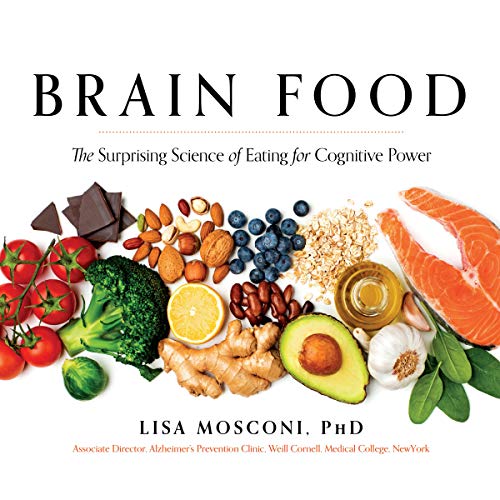
Brain Food: The Surprising Science of Eating for Cognitive Power: Mosconi PhD, Lisa

Brain Food: The Surprising Science of Eating for Cognitive Power: Mosconi PhD, Lisa

Lisa Mosconi, PhD, INHC, is the <strong>associate director of the Alzheimer&#x27;s Prevention Clinic at Weill Cornell Medical College (WCMC)/NewYork-Presbyterian Hospital</strong>, where she was recru

Check Price on Amazon

Omega‑3 fatty acids (DHA/EPA)

  • Mechanisms: DHA is a primary structural lipid in synaptic membranes; supports membrane fluidity, receptor function, and synaptogenesis. EPA may modulate neuroinflammation and mood‑related eicosanoids.
  • What the research says (evidence: moderate to strong, population‑dependent): Multiple meta‑analyses suggest omega‑3s support cognitive development in youth and may slow cognitive decline in older adults with low baseline intake or mild cognitive issues. Benefits for healthy, middle‑aged adults are modest but plausible, especially for mood and processing speed. Effects accrue over months, not days.
  • Typical dose: 1–2 g/day combined EPA+DHA, prioritizing 500–1000 mg/day DHA. Vegetarians may consider algae‑based DHA.
  • Onset: 8–24 weeks.
  • Safety/Interactions: Generally well tolerated; fishy aftertaste, mild GI upset. High doses may increase bleeding tendency, especially with anticoagulants/antiplatelets (discuss with a clinician). Choose purified, third‑party tested oils to minimize contaminants.
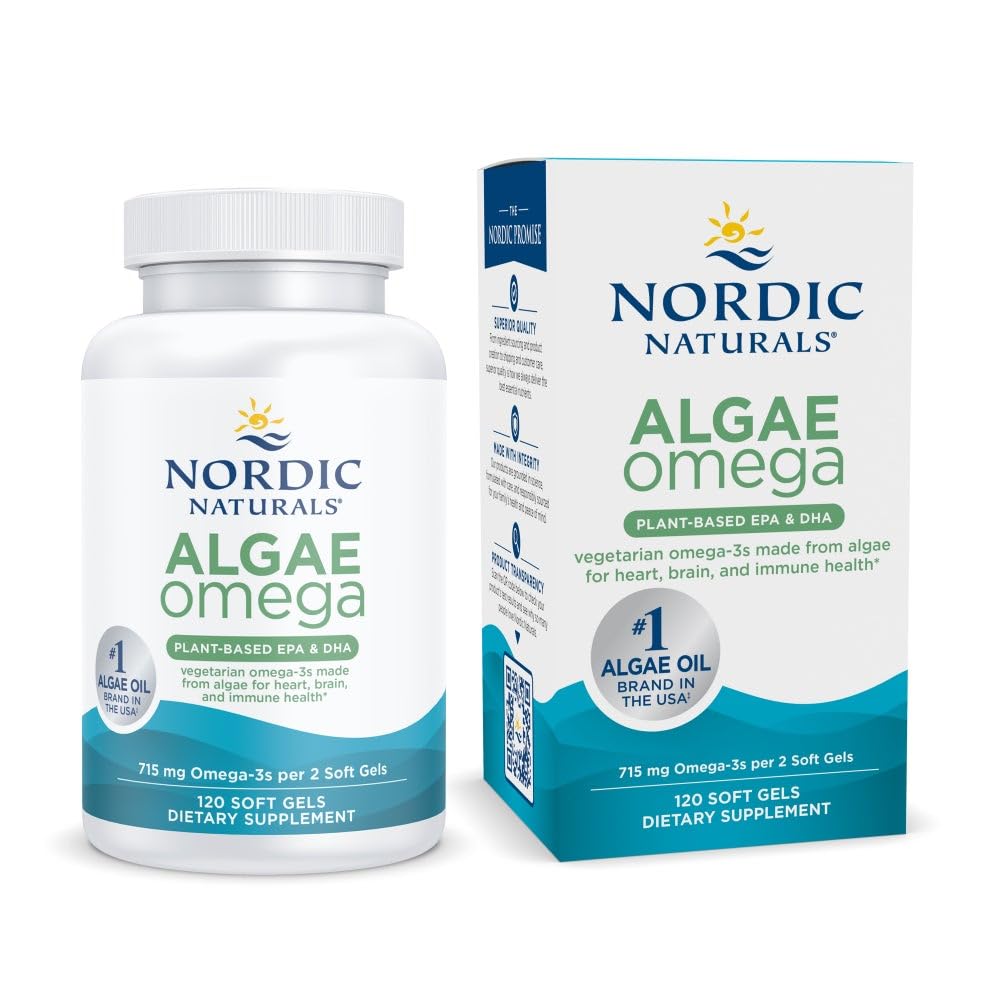
  • Consideration: Many people find High‑Purity Algae DHA (product-url) convenient when avoiding fish oil. Avoid specific health claims; look for products with robust third‑party testing.

Nordic Naturals Algae Omega - 120 Soft Gels - 715 mg Omega-3 - Certified Vegan Algae Oil - Plant-Based EPA & DHA - Heart, Eye, Immune & Brain Health - Non-GMO - 60 Servings

Nordic Naturals Algae Omega - 120 Soft Gels - 715 mg Omega-3 - Certified Vegan Algae Oil - Plant-Based EPA & DHA - Heart, Eye, Immune & Brain Health - Non-GMO - 60 Servings

View on Amazon

Bacopa monnieri (Brahmi)

  • Mechanisms: Bacosides may enhance cholinergic transmission, increase cerebral antioxidant capacity, and support synaptic signaling.
  • What the research says (evidence: moderate): Several randomized trials in healthy adults indicate small but meaningful improvements in memory acquisition and delayed recall after 8–12 weeks. Data in older adults with mild cognitive impairment (MCI) are promising but mixed.
  • Typical dose: 300 mg/day of an extract standardized to 45–55% bacosides.
  • Onset: 4–12 weeks; it’s not an acute stimulant.
  • Safety/Interactions: GI upset (nausea, loose stools) is the most common. Theoretically additive effects with sedatives; caution with thyroid medications (limited data). Avoid in pregnancy due to insufficient safety data.
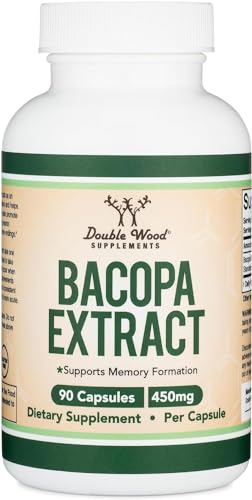
  • Consideration: Many people choose a Standardized Bacopa 55% Bacosides (product-url) to match doses used in studies.

Bacopa Monnieri Capsules 20% Bacosides 450mg, 90 Count (Non-GMO, Gluten Free) Brahmi Extract (Memory Supplement for Brain Health, Focus, and Cognitive Function) by Double Wood

Bacopa Monnieri Capsules 20% Bacosides 450mg, 90 Count (Non-GMO, Gluten Free) Brahmi Extract (Memory Supplement for Brain Health, Focus, and Cognitive Function) by Double Wood

View on Amazon

Ginkgo biloba

  • Mechanisms: Enhances microcirculation, modulates nitric oxide, scavenges free radicals, and antagonizes platelet‑activating factor.
  • What the research says (evidence: moderate): Standardized extracts (e.g., 24% flavone glycosides/6% terpene lactones) show modest cognitive and activities‑of‑daily‑living benefits in some trials of dementia and MCI. Effects in healthy adults are smaller and inconsistent.
  • Typical dose: 120–240 mg/day divided, of standardized extract (24/6 profile).
  • Onset: 4–12 weeks.
  • Safety/Interactions: Headache, GI upset. Potential bleeding risk with anticoagulants/antiplatelets. Stop before surgery. Avoid in pregnancy.

Lion’s mane mushroom (Hericium erinaceus)

  • Mechanisms: Hericenones and erinacines in fruiting bodies/mycelium may promote nerve growth factor (NGF) synthesis and neuroplasticity.
  • What the research says (evidence: emerging to moderate): Small human trials suggest improvements in subjective cognition and mild memory complaints over 8–16 weeks. Animal and cell studies are supportive but not definitive for humans.
  • Typical dose: 500–1000 mg extract 1–3 times daily; quality and erinacine content vary widely.
  • Onset: 8–16 weeks.
  • Safety/Interactions: Generally well tolerated; rare allergy in those sensitive to mushrooms. Limited drug interaction data.
  • Learn more: See our overview of Lion's Mane Mushroom at /supplements/lions-mane-mushroom.
  • Consideration: A Third‑Party Tested Lion’s Mane Extract (product-url) can simplify quality assurance; look for identified fruiting‑body content and beta‑glucan levels.

Phosphatidylserine (PS)

  • Mechanisms: A phospholipid critical to neuronal membrane integrity and signaling (e.g., dopaminergic and cholinergic pathways). May lower cortisol in some contexts.
  • What the research says (evidence: moderate): Clinical trials in older adults show small improvements in memory and executive function, particularly in those with age‑related decline. Data in younger adults are limited.
  • Typical dose: 100 mg three times daily (300 mg/day). Sunflower‑derived PS is an option for soy‑avoidant individuals.
  • Onset: 6–12 weeks.
  • Safety/Interactions: Usually well tolerated; occasional insomnia or GI upset. Theoretical additive effect with cholinergic agents.

Curcumin (from turmeric)

  • Mechanisms: Inhibits NF‑κB and COX‑2, reduces neuroinflammation and oxidative stress; may raise BDNF and support amyloid/tau homeostasis in models.
  • What the research says (evidence: emerging to moderate): Small RCTs in non‑demented adults show modest improvements in working memory and attention, with stronger data for mood and inflammatory markers. Bioavailability varies widely by formulation.
  • Typical dose: 500–1000 mg/day of enhanced‑bioavailability curcumin (e.g., phytosome/meriva, BCM‑95), often with piperine unless contraindicated.
  • Onset: 8–12 weeks.
  • Safety/Interactions: GI upset; may interact with anticoagulants/antiplatelets and affect drug metabolism (CYPs). Avoid with gallbladder obstruction. Isolated reports of liver injury with high‑bioavailability products; choose reputable brands and monitor.

B vitamins (B12, folate, B6)

  • Mechanisms: Support one‑carbon metabolism and methylation; regulate homocysteine (a vascular and neurotoxic risk marker); necessary for myelin and neurotransmitter synthesis.
  • What the research says (evidence: strong for deficiency correction; moderate otherwise): In people with elevated homocysteine or low B12/folate, supplementation can slow brain atrophy and may improve cognitive measures. In replete individuals, effects are small.
  • Typical dose: B12 (methylcobalamin or cyanocobalamin) 500–1000 mcg/day for low/low‑normal levels; folate (as methylfolate) 400–800 mcg/day; B6 1.3–2 mg/day (often via a balanced B‑complex). Test, don’t guess.
  • Onset: Weeks to months, depending on deficiency severity.
  • Safety/Interactions: Generally safe; high folic acid can mask B12 deficiency—check B12 before taking high‑dose folate. Very high B6 over long periods can cause neuropathy.

Magnesium

  • Mechanisms: Cofactor in ATP production; modulates NMDA receptors and GABAergic tone, potentially aiding plasticity, stress resilience, and sleep quality.
  • What the research says (evidence: emerging to moderate): Trials suggest benefits for sleep quality, stress, and possibly mood; cognitive outcomes are less studied, but sleep and stress improvements can indirectly aid cognition.
  • Typical dose: 200–400 mg/day elemental magnesium. Forms: glycinate or citrate for general use; L‑threonate (1–2 g/day total, providing ~144 mg elemental Mg) is marketed for brain penetration, though head‑to‑head data are limited.
  • Onset: Days to weeks for sleep/stress; longer for cognitive changes.
  • Safety/Interactions: Diarrhea (especially with oxide); caution with severe kidney disease. May interact with some antibiotics (separate dosing).

Vitamin D

  • Mechanisms: Acts as a neuroactive steroid; modulates neuroinflammation, calcium signaling, and neurotrophic pathways.
  • What the research says (evidence: moderate for deficiency correction): Low vitamin D is associated with cognitive decline; supplementation shows benefit primarily when baseline levels are low.
  • Typical dose: 1000–2000 IU/day vitamin D3, individualized to maintain 25(OH)D in the sufficient range per clinician guidance.
  • Onset: Weeks to months.
  • Safety/Interactions: Excess can cause hypercalcemia—avoid high doses without monitoring. Interacts with thiazide diuretics (hypercalcemia risk).

Also of interest from related traditions and research

  • Adaptogens like ashwagandha may help stress resilience and sleep, which can support cognition indirectly (evidence: moderate for stress/sleep). See Ashwagandha Benefits at /articles/ashwagandha-benefits-evidence-based-guide.
  • Certain nootropics such as L‑theanine (for calm focus) and alpha‑GPC (choline donor) are discussed in our Nootropics That Work guide at /articles/nootropics-guide.
  • The gut–brain axis is an emerging frontier: specific probiotic strains (“psychobiotics”) may influence mood and cognition via neurotransmitter and immune pathways (evidence: emerging). See Psychobiotics and Mood at /articles/psychobiotics-gut-brain-axis-mental-health.
  • Traditional tonics like Panax ginseng are studied for attention and mental fatigue (evidence: emerging to moderate). Learn more at /supplements/ginseng-panax.

Clinical evidence, safety, and typical dosing at a glance

  • Strongest evidence: Correcting deficiencies (B12, vitamin D), adequate omega‑3 (especially DHA) intake in those with low baseline levels.
  • Moderate evidence: Bacopa, standardized ginkgo, phosphatidylserine; lion’s mane has growing but still preliminary human data.
  • Emerging evidence: Curcumin for cognition (more consistent for mood/inflammation); magnesium threonate for cognitive endpoints.
  • Typical trial lengths: Expect 8–12 weeks minimum for herbs like bacopa, ginkgo, lion’s mane, curcumin, and PS; 12–24 weeks for omega‑3s; deficiency correction varies.
  • Common side effects: GI upset (bacopa, curcumin, fish oil, magnesium), headache (ginkgo), loose stools (magnesium), insomnia at high dose (PS). Most are mitigated by taking with food, starting low, and using divided doses.
  • Key interactions/contraindications: Anticoagulants/antiplatelets (ginkgo, curcumin, high‑dose fish oil); gallbladder disease (curcumin); severe kidney disease (magnesium); pregnancy/lactation (insufficient data for many herbs; avoid ginkgo/bacopa/curcumin supplements unless supervised).

How to choose and use supplements wisely

Selecting quality products

  • Standardization matters: Bacopa (45–55% bacosides), ginkgo (24% flavone glycosides/6% terpene lactones), curcumin with enhanced bioavailability (phytosome or similar), PS labeled for mg per serving.
  • Forms and absorption:
    • Omega‑3s in re‑esterified triglyceride or phospholipid forms may absorb better; algae‑based DHA for vegetarians.
    • Magnesium glycinate for gentle GI experience; citrate for constipation‑prone individuals; L‑threonate is marketed for CNS penetration but evidence is still developing.
    • Vitamin D3 (cholecalciferol) often preferred over D2.
  • Third‑party testing: Look for USP, NSF, Informed Choice, or ConsumerLab verification to reduce contamination and potency variability.
  • Transparent labeling: Identify plant part and extract ratio (e.g., lion’s mane fruiting body vs. mycelium), active‑constituent content, and excipients.

Sensible starter stacks (evidence‑informed, conservative)

  • Foundational brain support
    • DHA 500–1000 mg/day
    • Balanced B‑complex at or near RDA levels (adjust B12/folate if labs show low)
    • Magnesium glycinate 200–300 mg elemental at night
  • Memory and learning focus
    • Bacopa extract 300 mg/day (45–55% bacosides)
    • Phosphatidylserine 100 mg, three times daily
    • Ensure adequate choline from diet (eggs, soy, crucifers); consider alpha‑GPC if dietary intake is low (see our nootropics guide at /articles/nootropics-guide)
  • Stress‑resilient focus (indirect cognitive support)
    • Ashwagandha extract 300–600 mg/day (standardized), plus magnesium 200–300 mg at night (see /articles/ashwagandha-benefits-evidence-based-guide)
  • Neurotrophic emphasis
    • Lion’s mane extract 500–1000 mg, two to three times daily, plus DHA 500–1000 mg/day

Start low and increase gradually while monitoring tolerance. Many people find a High‑Purity Algae DHA (product-url) or a Standardized Bacopa 55% Bacosides (product-url) a practical way to begin; verify independent testing and appropriate standardization.

How long to try before deciding

  • Set a 12‑week trial for bacopa, ginkgo, lion’s mane, curcumin, and PS; 16–24 weeks for omega‑3s. Reassess monthly.
  • Track outcomes: Use a simple journal or app to rate memory, focus, sleep, mood, and stress (0–10 scale). Consider brief tasks (e.g., word‑list recall, reaction‑time apps) for objectivity.
  • Lab monitoring: If targeting deficiency, check B12, methylmalonic acid, homocysteine, 25(OH)D, or an omega‑3 index as appropriate.
  • When to stop or change: If no measurable benefit after a full trial and adherence is good, consider discontinuation or a different approach.

Who may benefit—and who should avoid

  • May benefit
    • Older adults or those with subjective cognitive decline/MCI (bacopa, ginkgo, PS, omega‑3s)
    • People with low dietary fish intake or on plant‑based diets (DHA/EPA)
    • Individuals with documented low B12/folate or vitamin D
    • Students and professionals seeking small, incremental improvements in memory/attention with non‑stimulant options (bacopa, PS, magnesium for sleep support)
    • Those under chronic stress or with suboptimal sleep (ashwagandha, magnesium, omega‑3s; see /articles/sleep-architecture-supplements-vs-cbti for sleep context)
  • Use caution or avoid
    • Pregnancy or breastfeeding: Insufficient safety data for many herbs; avoid ginkgo, bacopa, curcumin supplements unless medically indicated and supervised.
    • Bleeding disorders or use of anticoagulants/antiplatelets: Be cautious with ginkgo, curcumin, and high‑dose fish oil.
    • Gallbladder disease/bile duct obstruction: Avoid curcumin supplements.
    • Severe kidney disease: Use magnesium only with clinician guidance.
    • Soy allergy: Choose sunflower‑derived PS.
    • Mushroom allergy: Avoid lion’s mane.
    • Thyroid disease: Bacopa may influence thyroid hormones in animals—consult your clinician.

Lifestyle context and research gaps

  • Lifestyle first:
    • Diet: A Mediterranean or MIND‑style eating pattern rich in fish, extra‑virgin olive oil, leafy greens, berries, legumes, and nuts is linked with slower cognitive decline.
    • Exercise: Aerobic and resistance training increase BDNF and improve executive function.
    • Sleep: Consolidated, sufficient sleep supports memory consolidation; if needed, see our discussion of sleep supplements versus CBT‑I at /articles/sleep-architecture-supplements-vs-cbti.
    • Cognitive training and social engagement: Support neuroplasticity and resilience.
    • Vascular risk: Manage blood pressure, glucose, and lipids—key drivers of brain aging.
  • Research gaps and overhyped claims:
    • Heterogeneity in herbal extracts and curcumin formulations complicates trial comparisons.
    • Many studies are small, short, or industry‑funded; publication bias is possible.
    • Few head‑to‑head trials compare leading options or identify ideal combinations.
    • Be skeptical of “instant memory booster” marketing; most benefits are incremental and require weeks to months.
  • When to seek clinical input: Progressive memory decline, functional impairment, depression/anxiety, sleep apnea symptoms, or complex medication regimens warrant medical evaluation. A clinician can personalize labs (B12, D, omega‑3 index), interpret interactions, and guide safe trials.

Practical takeaways

  • Build from foundations: sleep, exercise, Mediterranean‑style diet, stress management.
  • If you supplement, start with needs‑based picks: correct deficiencies (B12, D), ensure omega‑3 adequacy; then consider bacopa, PS, or lion’s mane for memory support; ginkgo in older adults with circulation‑related concerns; curcumin and magnesium for inflammation/sleep‑stress contexts.
  • Set realistic horizons: 8–12+ weeks for most botanicals; track outcomes and adjust methodically.
  • Prioritize quality: standardized extracts, transparent labels, and third‑party testing. Many readers report that a Third‑Party Tested Lion’s Mane Extract (product-url) offers helpful transparency on sourcing and potency.

Disclaimer

This article is for educational purposes and is not a substitute for personalized medical advice. Always consult a qualified healthcare professional before starting any new supplement, especially if you are pregnant, nursing, have a medical condition, or take medications.

Recommended Products

Brain Food: The Surprising Science of Eating for Cognitive Power: Mosconi PhD, Lisa
book

Brain Food: The Surprising Science of Eating for Cognitive Power: Mosconi PhD, Lisa

Lisa Mosconi, PhD, INHC, is the <strong>associate director of the Alzheimer&#x27;s Prevention Clinic at Weill Cornell Medical College (WCMC)/NewYork-Presbyterian Hospital</strong>, where she was recru

Nordic Naturals Algae Omega - 120 Soft Gels - 715 mg Omega-3 - Certified Vegan Algae Oil - Plant-Based EPA & DHA - Heart, Eye, Immune & Brain Health - Non-GMO - 60 Servings
supplement

Nordic Naturals Algae Omega - 120 Soft Gels - 715 mg Omega-3 - Certified Vegan Algae Oil - Plant-Based EPA & DHA - Heart, Eye, Immune & Brain Health - Non-GMO - 60 Servings

Nordic Naturals Plant Based Ultimate Omega, Lemon Flavor - 60 Vegetarian Soft Gels - 1210 mg Omega-3 - Vegan EPA and DHA - Supplement Made from Algae - Brain &amp; Heart Support - Non-GMO - 30 Serving

Bacopa Monnieri Capsules 20% Bacosides 450mg, 90 Count (Non-GMO, Gluten Free) Brahmi Extract (Memory Supplement for Brain Health, Focus, and Cognitive Function) by Double Wood
supplement

Bacopa Monnieri Capsules 20% Bacosides 450mg, 90 Count (Non-GMO, Gluten Free) Brahmi Extract (Memory Supplement for Brain Health, Focus, and Cognitive Function) by Double Wood

HyberVive Bacopa Monnieri Supplement 300MG, Organic Nootropic Bacopa Extract, ≥ 55% High Potency Bacosides, Brain &amp; Memory Supplement for Focus and Cognitive Support, Made in USA, 90 Capsules

Health Disclaimer

This content is for informational purposes only and does not constitute medical advice. Always consult a qualified healthcare provider before starting, stopping, or changing any supplement or medication regimen.

You Might Also Like

articles

Supplements for Energy Boost: Evidence‑Based Options, Dosage, and Safety

Supplements for Energy Boost: Evidence‑Based Options, Dosage, and Safety. Feeling drained and wondering which supplements for energy boost actually work? Before reaching for a pill or powder, it helps to understand why energy dips happen and when supplements may help versus when a medical evaluation is the smarter first step. This guide bridges western research and time‑t

articles

Holistic Methods for Improving Immunity: An Evidence‑Based Guide to Lifestyle, Herbs, and Mind‑Body Practices

Holistic Methods for Improving Immunity: An Evidence‑Based Guide to Lifestyle, Herbs, and Mind‑Body Practices. If you’re looking for holistic methods for improving immunity, you’re not alone. Many people want a practical, evidence‑informed plan that blends lifestyle, nutrition, mind–body practices, and time‑honored botanicals. Research suggests you can support both innate and adaptive immunity by stacking sm

articles

Best Digestive Health Supplements: Probiotics, Enzymes, L‑Glutamine, and What the Evidence Says

Best Digestive Health Supplements: Probiotics, Enzymes, L‑Glutamine, and What the Evidence Says. If you’re wrestling with bloating, gas, constipation, reflux, or irritable bowel syndrome (IBS), it’s natural to search for the best digestive health supplements. Research suggests some supplements can meaningfully support digestion, while others are overhyped. This guide compares top options—probio