Best Vitamins for Mood Enhancement: An Evidence‑Based Guide to Supporting Mental Wellbeing
Which vitamins truly help mood? Evidence‑based guide to vitamin D, B6/B9/B12, and C—mechanisms, dosing, safety, testing, and practical use for wellbeing.
·12 min read
This content is for informational purposes only and does not constitute medical advice. Always consult a qualified healthcare provider before starting, stopping, or changing any supplement or medication regimen.
If you’re wondering which nutrients truly make a difference for how you feel day to day, you’re not alone. The phrase “best vitamins for mood enhancement” gets searched for a reason: many of us sense that nutrition and mental wellbeing are connected, but we want clarity about what actually helps, how much to take, and what the science really says.
This guide bridges western research with eastern/traditional wisdom to explain how specific vitamins influence mood, where the evidence is strongest, and how to use that information safely and practically.
How vitamins influence mood and brain function
Vitamins don’t work like antidepressant drugs. They are cofactors and regulators that help brain systems function as designed. Four main pathways connect vitamins to mood:
Neurotransmitter synthesis and balance: B6, folate (B9), and B12 support the enzymatic pathways that produce and recycle serotonin, dopamine, and GABA. Vitamin C helps convert dopamine to norepinephrine.
Inflammation and oxidative stress: Vitamins C and E are antioxidants; vitamin D modulates inflammatory signaling. Lower oxidative stress and calmer immune activity are associated with better mood in observational research.
Energy metabolism and mitochondrial function: B vitamins act as coenzymes in energy production, which the brain heavily relies on. Fatigue and low resilience to stress can worsen mood.
Neuroplasticity and HPA‑axis regulation: Vitamin D receptors are present throughout the brain; vitamin D may influence neurotrophins (like BDNF) and help regulate the stress response (hypothalamic‑pituitary‑adrenal axis).
Who is at higher risk of deficiency‑related mood symptoms?
Older adults: lower stomach acid and medication use can impair B12 and folate status; less sun exposure affects vitamin D.
Vegans/vegetarians: B12 is scarce in plant foods; folate is abundant, but B12 deficiency can still drive mood and cognitive symptoms.
People with malabsorption: celiac disease, inflammatory bowel disease, bariatric surgery, pancreatic insufficiency can impair fat‑soluble (D, E) and B‑vitamin absorption.
People with darker skin or limited sun exposure: higher melanin reduces vitamin D synthesis; indoor living and high latitudes increase risk.
Individuals with Seasonal Affective Disorder (SAD): while light is primary therapy, low vitamin D often coexists and may compound winter low mood.
Common deficiency symptoms can include fatigue, brain fog, low motivation, irritability, sleep changes, and—in B12 deficiency—neurological symptoms like tingling or balance problems. These symptoms are non‑specific, so testing is important before assuming causation.
The best vitamins for mood enhancement: what the research says
This section focuses on vitamins with the most plausible biological mechanisms and clinical research for mood support. Evidence levels reflect the overall body of research, from multiple randomized controlled trials (RCTs) and meta‑analyses (strong), to traditional use or preliminary findings (emerging/traditional).
Vitamin D (D3 preferred)
How it might help: Vitamin D receptors are found in limbic regions involved in emotion. Research suggests vitamin D may modulate serotonin synthesis enzymes, reduce pro‑inflammatory cytokines, and influence neurotrophic factors. Low vitamin D status is consistently associated with higher depressive symptoms in observational studies.
What the research says: Meta‑analyses of RCTs indicate small to moderate improvements in depressive symptoms, with the largest benefits seen in people who start out deficient and in those with clinically significant depression receiving adjunctive vitamin D. Effects in otherwise healthy, replete populations tend to be small.
Targets and testing: Many clinicians aim for a serum 25‑hydroxyvitamin D [25(OH)D] of about 30–50 ng/mL (75–125 nmol/L) for general health; mood studies showing benefit often included participants below 20–30 ng/mL at baseline.
Typical doses: 1,000–2,000 IU/day for maintenance; 2,000–4,000 IU/day for repletion under guidance. Some medical protocols use higher short‑term doses, then retest.
Safety notes: Excess can cause high calcium levels (thirst, frequent urination, confusion). Use caution with granulomatous diseases (e.g., sarcoidosis), hyperparathyroidism, and with thiazide diuretics. Retest 8–12 weeks after dose changes. Consider D3 over D2; see our overview of Vitamin D3.
Evidence level: moderate (benefits most clear in deficient or clinically depressed individuals as adjunct therapy).
B‑vitamins with a focus on B6, folate (B9), and B12
These vitamins work together in one‑carbon metabolism and methylation—pathways that help synthesize and regulate monoamine neurotransmitters and clear homocysteine.
B6 (pyridoxal‑5′‑phosphate, PLP) is a cofactor for decarboxylases that produce serotonin, dopamine, and GABA.
Folate and B12 recycle homocysteine to methionine, supporting methylation reactions critical for neurotransmitter balance and myelin integrity.
What the research says:
Folate: Low folate status predicts poorer response to antidepressants. Adjunctive L‑methylfolate (the active form) has shown improvements in antidepressant response in RCTs, particularly at 15 mg/day in SSRI‑resistant depression. Effect sizes tend to be modest to moderate.
B12: Supplementation appears most helpful when deficiency is present (fatigue, low mood, cognitive symptoms). As an adjunct with folate, some studies indicate improved antidepressant outcomes.
B6: Data suggest small mood benefits, especially in stress‑prone or premenstrual populations, likely via GABA and serotonin pathways. Evidence quality is mixed and dosing varies.
Homocysteine: Elevated homocysteine is associated with depressive symptoms; lowering it with B9/B12 often improves biomarkers and may aid mood in some, but not all, trials. For a deeper dive into mechanisms, see our guide on B Vitamins and Methylation.
Typical doses (adjunctive, short term):
B6: 25–50 mg/day; avoid long‑term high doses.
Folate: 400–800 mcg/day from diet/supplements; L‑methylfolate 7.5–15 mg/day has been used medically as antidepressant augmentation—best under clinician guidance.
B12: 250–1,000 mcg/day oral (cyanocobalamin or methylcobalamin) depending on status; injections are sometimes used for confirmed deficiency.
Safety notes: High folic acid can mask B12 deficiency—check B12 if using folate. B6 at high doses over time may cause neuropathy; many countries set a tolerable upper limit of 100 mg/day (lower in some regions for chronic use). Metformin and acid‑suppressing drugs reduce B12; isoniazid depletes B6. Folate can interact with antifolate medications (e.g., methotrexate) and some anti‑seizure drugs—coordinate with your prescriber.
Evidence level: moderate overall (adjunctive benefits most consistent; strongest signals for L‑methylfolate in antidepressant non‑responders and B12 when deficient).
Vitamin C
How it might help: Potent antioxidant; cofactor for dopamine β‑hydroxylase (converts dopamine to norepinephrine); may help buffer cortisol and inflammatory responses under stress.
What the research says: Small RCTs in stressed students, hospitalized patients, and those with low baseline vitamin C show modest improvements in mood and reductions in anxiety or fatigue. Benefits are less consistent in well‑nourished, low‑stress populations.
Typical doses: 200–500 mg/day for general support; up to 1,000 mg/day short term during high stress or low intake.
Safety notes: High doses may cause GI upset or diarrhea; people with a history of calcium oxalate kidney stones should be cautious with chronic high intake. Interacts with some lab tests.
Evidence level: emerging to moderate (most helpful when baseline status is low or stress is high).
Vitamin E (and brief notes on other fat‑soluble vitamins)
Vitamin E: As an antioxidant, it has theoretical benefits for neuroinflammation and oxidative stress. Clinical evidence for mood improvement is limited and mixed; not a first‑line vitamin for mood alone. High doses may increase bleeding risk, especially with anticoagulants.
Vitamin A and K: No convincing clinical evidence for direct mood benefits. Excess vitamin A (including some retinoids) can worsen mood—avoid megadoses.
Evidence level: limited/emerging (use primarily for other indications, not mood‑specific effects).
What the Research Says: Putting effect sizes and quality in context
Associations vs causation: Large observational studies show that low vitamin D, folate, and B12 status correlate with worse mood, but RCTs are needed to prove benefit from supplementation.
RCTs and meta‑analyses:
Vitamin D: Generally small to moderate symptom improvements—largest when correcting deficiency or augmenting treatment in depression.
Folate/B12: Adjunctive use can improve response and remission rates in some trials; effects are variable but clinically meaningful for certain subgroups.
Vitamin C: Small trials suggest short‑term mood and stress benefits, especially with low baseline status.
Realistic expectations: For most people, vitamins are supportive layers—not stand‑alone cures. Benefits often emerge over weeks to a few months, and are strongest when addressing a confirmed deficiency or combining with lifestyle and therapeutic care.
Practical dosing, safety, and testing considerations
Dietary reference intakes vs therapeutic doses:
Vitamin D: RDA 600–800 IU/day; clinical repletion often 1,000–4,000 IU/day with monitoring.
B6: RDA ~1.3–1.7 mg/day; mood studies often use 25–50 mg/day for limited periods.
Folate: RDA 400 mcg DFE/day; supplements commonly 400–800 mcg/day. Prescription‑strength L‑methylfolate (7.5–15 mg/day) is a medical therapy for resistant depression.
B12: RDA 2.4 mcg/day; supplementation commonly 250–1,000 mcg/day orally when intake or absorption is low.
Vitamin C: RDA 75–90 mg/day; 200–1,000 mg/day often used in stress/mood research.
B6: sensory neuropathy (tingling, numbness) with high chronic intakes.
Vitamin E: bleeding risk at high doses, especially with warfarin or antiplatelets.
Vitamin C: GI upset; consider kidney stone risk in predisposed individuals.
Key interactions/contraindications:
Antidepressants: L‑methylfolate is often used adjunctively; coordinate dosing with your clinician.
Anticoagulants/antiplatelets: High‑dose vitamin E may increase bleeding risk—avoid unless advised.
Methotrexate or other antifolate drugs: Folate can reduce drug efficacy (doses and timing must be managed clinically; sometimes folinic acid is prescribed at specific intervals).
Metformin/PPIs/H2 blockers: May lower B12—consider testing and supplementing.
Isoniazid: Depletes B6—supplementation is commonly recommended.
Thiazide diuretics and granulomatous diseases: Increase risk of vitamin D–related hypercalcemia.
When to test blood levels or consult a clinician:
Depressive symptoms with risk factors for deficiency (limited sun, vegan/vegetarian, older age, GI disorders, metformin or acid‑suppressing medications).
Neurological symptoms (numbness/tingling, balance issues) or macrocytosis—check B12, folate, methylmalonic acid (MMA), and homocysteine.
Before high‑dose vitamin D or L‑methylfolate; recheck 8–12 weeks after dose changes.
Consider homocysteine as a functional marker for B9/B12 status (general target often ~5–12 µmol/L).
Many people find an At‑Home Vitamin D Test Kit helpful for initial screening, but confirm important decisions with clinical testing when possible.
Actionable guidance: foods, forms, product quality, and timelines
Best food sources:
Vitamin D: fatty fish (salmon, sardines), cod liver oil, fortified dairy/plant milks; sensible sun exposure where appropriate.
Vitamin D3 (cholecalciferol) is generally preferred to D2 for raising/maintaining levels. A simple, third‑party tested softgel like Vitamin D3 2000 IU Softgels is a common maintenance dose for many adults.
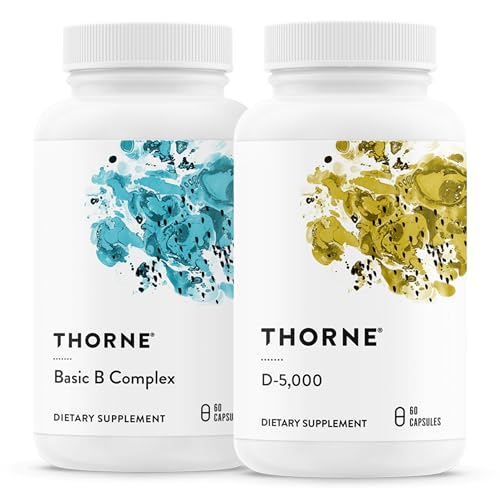
B‑complex products can cover B6, folate, and B12 together. If you have known MTHFR variants or poor tolerance to folic acid, a formula with methylfolate (5‑MTHF) is reasonable; many people find a balanced Methylated B‑Complex convenient for this purpose.
Vitamin C: standard ascorbic acid works well; buffered or liposomal forms may be gentler on the stomach for some individuals.
Choosing quality products:
Look for third‑party seals (USP, NSF, Informed Choice) or transparent testing.
Avoid megadoses unless medically indicated and monitored.
Prefer products that list exact amounts of each nutrient (avoid “proprietary blends” for vitamins).
Realistic expectations and timelines:
Vitamin D: mood‑related benefits typically require 4–12 weeks while blood levels normalize.
B‑vitamins: some people notice energy and stress resilience within 2–4 weeks; antidepressant augmentation trials with L‑methylfolate show changes over 4–8 weeks.
Vitamin C: effects on stress/fatigue can appear within days to weeks, particularly if intake was low.
How vitamins fit with other evidence‑based approaches:
Light therapy is first‑line for SAD; a simple Light Therapy Lamp (10,000 lux) can be a helpful non‑drug tool alongside vitamin D during winter months.
The “best vitamins for mood enhancement” are those that correct a deficiency or support a known bottleneck: vitamin D (especially if low), and B‑vitamins—particularly folate and B12 for methylation and B6 for neurotransmitter synthesis. Vitamin C may add small benefits under stress or low intake.
Testing guides targeting: check 25(OH)D, B12, folate, and consider MMA/homocysteine if symptoms or risk factors are present.
Use food first where possible, then conservative supplements. Consider D3 1,000–2,000 IU/day, a balanced B‑complex with methylfolate, and vitamin C 200–500 mg/day as starting points for many adults.
Expect gradual changes over weeks, and pair nutrition with proven mood supports: therapy, physical activity, quality sleep, time outdoors, and social connection.
Disclaimer
This article is for educational purposes and should not replace personalized medical advice. Nutrient needs vary widely. Consult a qualified clinician—especially if you are pregnant, have chronic illness, take prescription medications (antidepressants, anticoagulants, methotrexate, anti‑seizure drugs), or are considering higher‑dose supplements.
This content is for informational purposes only and does not constitute medical advice. Always consult a qualified healthcare provider before starting, stopping, or changing any supplement or medication regimen.
Top Vitamins for Mood Enhancement: Evidence‑Based Guide to Vitamins That Support Mood. If you’re wondering which nutrients can actually lift your spirits, you’re not alone. Many people search for the top vitamins for mood enhancement when they notice low energy, irritability, or the winter blues. Vitamins are not magic bullets, but research suggests certain ones can support neurotrans
Natural Supplements for Brain Health: An Evidence‑Based Guide to Nootropics, Omega‑3s, and Key Vitamins. If you’re searching for natural supplements for brain health, you’re likely looking for safe, evidence‑based ways to support memory, focus, mood, or long‑term cognitive resilience. This guide reviews what research suggests works, how these supplements may act in the brain, and how to use them though
Nutritional Supplements for Memory Improvement: An Evidence‑Based Guide. If you’re exploring nutritional supplements for memory improvement, you’re not alone. Many people—students under stress, busy professionals, and older adults noticing “tip‑of‑the‑tongue” moments—look for safe, research‑backed ways to support recall, focus, and long‑term brain health. This guide synt
Supplements for Stress Management: Evidence‑Based Options, Dosage & Safety. If you’re feeling wired, worn down, or both, you might be wondering which supplements for stress management are truly worth trying. Research suggests certain nutrients, herbs, and mind‑body compounds can nudge stress systems toward balance. Still, even the best options offer small‑to‑moderate benefi
Top Vitamins for Skin Health: An Evidence‑Based Guide to Vitamin C, E, A, D, Biotin & More. If you’re wondering which nutrients truly nourish your skin, you’re not alone. Many people search for the top vitamins for skin health to address dryness, acne, fine lines, or uneven tone. Research suggests specific vitamins play distinct biological roles in collagen synthesis, antioxidant defense,
Vitamin Combinations for Optimal Energy: An Evidence‑Based Guide to Stacks, Safety, and When to Test. If you’re dragging through the day and wondering which vitamin combinations for optimal energy can actually help, you’re not alone. Fatigue has many causes—sleep debt, stress, low iron, suboptimal B vitamins, thyroid issues, post‑viral recovery—and the right nutrient stack depends on what’s driving