B Vitamins and Methylation: What Matters, What’s Hype, and How to Support the Cycle
A practical, evidence-based guide to B vitamins and methylation: how the cycle works, what MTHFR variants really mean, folate vs. folic acid vs. 5-MTHF, B12 and B6 forms, homocysteine as a marker, and why shortfalls still happen—plus a food-first approach.
·10 min read
This content is for informational purposes only and does not constitute medical advice. Always consult a qualified healthcare provider before starting, stopping, or changing any supplement or medication regimen.
Introduction
Methylation is a quiet cellular workhorse. It helps turn genes on and off, recycles homocysteine, builds neurotransmitters, and supports DNA repair and detoxification. B vitamins—especially folate (B9), B12, B6, and riboflavin (B2)—are central actors in this cycle. This article explains the methylation cycle in plain language, unpacks MTHFR polymorphisms and their real-world significance, clarifies folate vs. folic acid (and 5-MTHF), explores B12 and B6 forms, and discusses homocysteine as a marker—alongside a practical, food-first approach.
Methylation, Simply Explained
• The core loop: The body uses folate to donate a methyl group to vitamin B12, which then converts homocysteine to methionine. Methionine becomes S-adenosylmethionine (SAM), the universal methyl donor used for DNA methylation, neurotransmitter metabolism, and membrane phospholipid remodeling. After donating, SAM becomes S-adenosylhomocysteine (SAH), then homocysteine. Homocysteine can be recycled back to methionine (B12- and folate-dependent) or shunted down the transsulfuration pathway to make glutathione (B6-dependent). Betaine (from choline) can also remethylate homocysteine via an alternate pathway in the liver and kidney. [Evidence: strong for biochemical pathway]
• Key enzymes and helpers: MTHFR (methylenetetrahydrofolate reductase) converts folate to its methylated form (5-MTHF). Riboflavin (B2) is its cofactor. Vitamin B6 activates enzymes that convert homocysteine toward glutathione production. [Evidence: strong]
Homocysteine: A Useful, Imperfect Marker
• Homocysteine tracks with B vitamin status and kidney function and is consistently associated with cardiovascular and cognitive risk in observational studies (Clarke et al., BMJ 2012; Humphrey et al., Ann Intern Med 2008). [Evidence: strong for association]
• Large randomized trials show that B vitamins reliably lower homocysteine but do not consistently reduce major cardiovascular events (HOPE-2, NEJM 2006; NORVIT, NEJM 2006; VITATOPS, Lancet Neurol 2010). A meta-analysis suggests a modest reduction in stroke risk, especially in regions without folic acid fortification (Huang et al., Stroke 2012). [Evidence: strong for homocysteine lowering; moderate for clinical outcomes overall; moderate for stroke benefit]
• In cognition, a trial in mild cognitive impairment found that homocysteine-lowering B vitamins slowed brain atrophy (Smith et al., PLoS One 2010), but broader reviews show limited or no prevention of dementia at the population level (Cochrane Review, 2018). [Evidence: moderate]
Bottom line: Homocysteine may be a helpful functional marker of methylation/B vitamin status, but changing it has not uniformly translated into fewer clinical events. [Evidence: moderate]
MTHFR Polymorphisms: Prevalent, But Context Matters
• Prevalence: The common MTHFR C677T variant is widespread—about 30–40% of many populations are carriers (CT), and 10–15% may be TT in European ancestry groups, with higher rates in some Hispanic and lower in African populations (Botto & Yang, Am J Epidemiol 2000). [Evidence: strong]
• Biochemical impact: The TT genotype reduces MTHFR activity, often elevating homocysteine when folate intake is low (Frosst et al., Nat Genet 1995). [Evidence: strong]
• Clinical significance vs. hype: In countries with folic acid fortification, the C677T variant has a much smaller effect on risk of cardiovascular disease, as folate repletion buffers the pathway (Clarke et al., BMJ 2012). For neural tube defects (NTDs), improving maternal folate status reduces risk across genotypes, and public health fortification has cut NTD rates substantially (De Wals et al., NEJM 2007). [Evidence: strong]
Takeaway: MTHFR variants are common and influence homocysteine, but adequate folate status largely normalizes risk. Genetic testing alone rarely changes management without assessing diet and biomarkers. [Evidence: moderate]
Folate vs. Folic Acid vs. 5-MTHF
• Food folate and folic acid are not the same. Folate refers to naturally occurring forms in foods (leafy greens, legumes, liver). Folic acid is a synthetic, stable form used in fortified foods and many supplements; it must be reduced and methylated to become 5-MTHF, the biologically active form that donates methyl groups. [Evidence: strong]
• Folic acid fortification works. It improves folate status and reduces NTDs at the population level (De Wals et al., NEJM 2007). [Evidence: strong]
• Unmetabolized folic acid (UMFA) can appear in blood at higher intakes; its clinical significance remains uncertain (Lamers et al., Am J Clin Nutr 2006; Scaglione & Panzavolta, Drugs 2014). [Evidence: emerging]
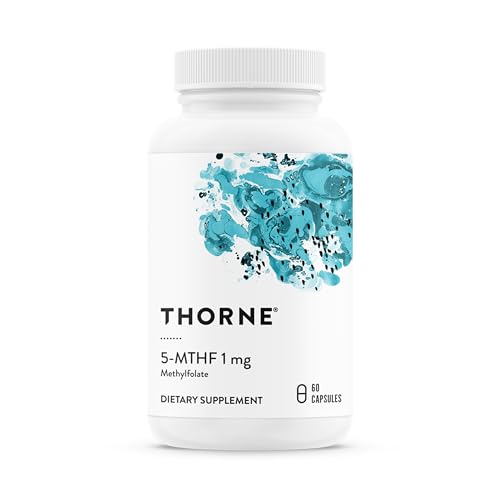
• 5-MTHF (L-methylfolate) vs. folic acid: Randomized studies suggest 5-MTHF raises folate status and lowers homocysteine as effectively as folic acid, and may be particularly effective in individuals with MTHFR C677T (Pietrzik et al., Eur J Clin Nutr 2010; Prinz-Langenohl et al., Am J Clin Nutr 2009). Clinical outcome differences remain unproven. [Evidence: moderate for biomarker effects; emerging for clinical outcomes]
Vitamin B12: Methylcobalamin vs. Cyanocobalamin
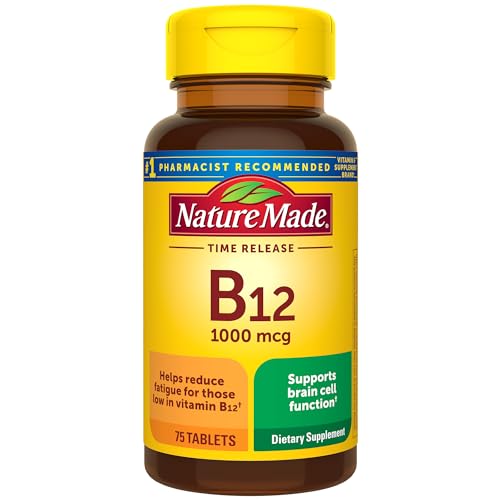
• Both forms correct deficiency. Cyanocobalamin (stable, widely used) and methylcobalamin (bioactive coenzyme form) both increase B12 status and lower homocysteine in deficiency (O’Leary & Samman, Nutrients 2010; Eussen et al., Am J Clin Nutr 2005). [Evidence: strong]
• Are they clinically different? Head-to-head trials are limited. Some small trials in neuropathy suggest methylcobalamin may support nerve health, but findings are not definitive (Sun et al., Nutrients 2019 review). For most people, either form may restore status; choice may be influenced by tolerance, stability, and context. [Evidence: emerging]
• Delivery matters less than once thought. High-quality evidence shows oral routes can be as effective as injections for many with deficiency, depending on cause (Cochrane Review, 2018). [Evidence: strong]
Vitamin B6 Forms and Riboflavin’s Underrated Role
• B6 forms: Most supplements use pyridoxine HCl, which the liver converts to the active coenzyme pyridoxal-5'-phosphate (PLP). P5P supplements provide the active form directly. Comparative clinical advantages of P5P over pyridoxine are not firmly established outside specific medical contexts. [Evidence: emerging]
• In homocysteine metabolism, B6 status influences the transsulfuration pathway; however, B6 alone has modest effects on homocysteine compared with folate/B12, while combinations are more effective (Lonn et al., NEJM 2006; Homocysteine Lowering Trialists’ data). [Evidence: strong for combination effect]
• Riboflavin (B2) as an MTHFR cofactor: In individuals with the MTHFR 677TT genotype and hypertension, riboflavin supplementation lowered blood pressure in randomized trials, suggesting genotype-specific benefits (McNulty et al., Circulation 2013). [Evidence: moderate]
Why B Vitamin Shortfalls Occur Even in Developed Countries
• Aging and absorption: Older adults often have reduced stomach acid or intrinsic factor, making B12 absorption challenging; prevalence estimates of deficiency in seniors range from 5–20% depending on the cutoff and setting (Allen, Am J Clin Nutr 2009). [Evidence: strong]
• Medications: Metformin and acid-suppressing drugs are linked to lower B12 status (de Jager et al., Arch Intern Med 2010; Lam et al., JAMA 2013). Certain antiepileptics and methotrexate interact with folate metabolism. [Evidence: strong]
• Dietary patterns: Low intake of leafy greens, legumes, and organ meats reduces food folate intake; strict vegan or low-animal-food diets require attention to reliable B12 sources (fortified foods). Ultra-processed diets may be calorie-rich but micronutrient-poor. [Evidence: strong]
• Alcohol use and chronic disease: Alcohol impairs absorption and metabolism of several B vitamins, notably B6 and folate, while renal and inflammatory conditions can raise homocysteine independent of intake (NIH ODS reviews). [Evidence: moderate]
• Increased needs: Pregnancy, lactation, and rapid growth increase demand; fortification helps, but not everyone reaches optimal status. [Evidence: strong]
A Food-First Approach to Support Methylation
• Folate-rich foods: Dark leafy greens (spinach, romaine), asparagus, Brussels sprouts, lentils, black beans, avocado, and liver. Cooking methods that limit water loss may better preserve folates. [Evidence: strong]
• B12 sources: Clams, sardines, salmon, beef, eggs, and dairy. For plant-based eaters, fortified plant milks, nutritional yeast with added B12, and some meat analogs provide reliable B12. [Evidence: strong]
• B6 sources: Poultry, fish, potatoes, bananas, and chickpeas. [Evidence: strong]
• Riboflavin sources: Milk/yogurt, eggs, almonds, mushrooms, and leafy greens. [Evidence: strong]
• Choline/betaine: Eggs, liver, soy, quinoa, beets, and spinach support alternate remethylation pathways. [Evidence: moderate]
• Whole-diet patterns: Diets emphasizing minimally processed foods—leafy greens, legumes, seafood, eggs, dairy or fortified alternatives, and nuts/seeds—may naturally support methylation and homocysteine balance. [Evidence: moderate]
What About Supplements?
• Supplements may help when dietary intake is insufficient, in life stages with increased needs, or when absorption is compromised. Research suggests that 5-MTHF, folic acid, methylcobalamin, and cyanocobalamin each can improve biomarkers, though clinical outcomes vary by condition and population context. [Evidence: moderate]
• Individuals with the MTHFR 677TT genotype may exhibit greater improvements in folate biomarkers with 5-MTHF, and some may prefer it for tolerance; however, public-health data show that any effective means of raising folate status reduces NTD risk. [Evidence: moderate]
• Given the mixed outcome data for cardiovascular prevention, B vitamin supplements may be most valuable for correcting documented deficiency or elevated homocysteine in targeted contexts rather than as a universal prevention strategy. [Evidence: strong for deficiency correction; moderate for prevention]
Traditional Perspectives: Converging on Nutrient-Dense Foods
Many traditional systems emphasize foods that, coincidentally, are rich in B vitamins. In Traditional Chinese Medicine, “blood-nourishing” foods—leafy greens, organ meats, egg yolks—align with modern sources of folate and B12. Ayurveda’s focus on sattvic, whole foods and ghee-supported digestion parallels modern insights that nutrient-dense, minimally processed diets support metabolic pathways, including methylation. These frameworks prioritize dietary patterns over isolated nutrients—an approach that modern research increasingly validates. [Evidence: traditional for frameworks; moderate for convergence with nutrient-dense diets]
How to Think About Testing
• Serum B12 can be misleading at borderline levels; methylmalonic acid and holotranscobalamin may add context. Homocysteine integrates signals from folate, B12, B6, thyroid, kidney, and inflammation. Interpretation benefits from a whole-picture view of diet, medications, and health status. [Evidence: moderate]
Bottom Line
• Methylation is fundamental, and B9, B12, B6, and B2 are key cofactors. Homocysteine is a useful, though imperfect, functional marker. [Evidence: strong]
• Common MTHFR variants influence homocysteine but usually have limited clinical impact when folate status is adequate. Fortification and folate-rich diets remain the most powerful levers. [Evidence: strong]
• Folic acid and 5-MTHF both improve folate status; 5-MTHF may have advantages in certain genotypes, though clinical outcome differences are unproven. [Evidence: moderate]
• Cyanocobalamin and methylcobalamin both correct B12 deficiency; compelling superiority for most people remains unestablished. [Evidence: strong for correction; emerging for form-specific benefits]
• B vitamin shortfalls still occur in developed countries due to age-related absorption issues, medications, dietary patterns, and higher physiological needs. [Evidence: strong]
• A food-first, minimally processed, nutrient-dense diet—supported by targeted supplementation when indicated—may best support a healthy methylation cycle. [Evidence: moderate]
This content is for informational purposes only and does not constitute medical advice. Always consult a qualified healthcare provider before starting, stopping, or changing any supplement or medication regimen.
Homocysteine: What This Blood Marker Tells You About B Vitamins and Methylation
Homocysteine sits at the crossroads of the body’s methylation and sulfur pathways. When homocysteine accumulates in the
# Folate vs. Folic Acid for MTHFR and Homocysteine: What Research Really Says
If you’ve heard that your methylation “depends on MTHFR” or that methylfolate is the only effective option, you’re not al
Peripheral Neuropathy and Vitamin B12. Vitamin B12 is essential for healthy nerve function. It supports myelin maintenance, DNA synthesis, and one‑carbon (methylation) reactions that keep homocysteine and methylmalonic acid (MMA) in check. When B12 is low, MMA and homocysteine often rise, mitochondrial and axonal metabolism are disrupted
Vitamin B9. Folate, Folic Acid, Vit B9. ## Overview
**Vitamin B9** is the umbrella term commonly used for **folate** and closely related compounds involved in **DNA synthesis, cell division, amino acid metabolism, and red blood cell formation**. Folate occurs naturally in foods such as leafy greens, legumes, citrus, and liver, while **fol
Vitamin B12 deficiency. . ## Overview
**Vitamin B12 deficiency** is a condition in which the body does not have enough cobalamin, an essential water-soluble vitamin needed for **DNA synthesis, red blood cell formation, and healthy neurologic function**. Because B12 plays a central role in cell division and myelin maintenanc