Supported by multiple clinical trials and meta-analyses
Vitamin D + K2: The Deficiency Epidemic & How to Fix It
Why 40% of adults are deficient, optimal blood levels, the critical role of K2 in calcium routing, and dosing strategies that actually work.
·11 min read
This content is for informational purposes only and does not constitute medical advice. Always consult a qualified healthcare provider before starting, stopping, or changing any supplement or medication regimen.
The Vitamin D Crisis
Vitamin D deficiency is one of the most widespread nutritional problems in the developed world. Conservative estimates put the prevalence at 40 percent of American adults. Among certain populations — the elderly, people with darker skin living at higher latitudes, anyone who spends most of their time indoors — rates climb above 70 percent.
This is a modern problem. Humans evolved outdoors. Our skin synthesizes vitamin D3 (cholecalciferol) when UVB radiation from sunlight strikes 7-dehydrocholesterol in the epidermis. For most of human history, this was sufficient. Then we moved indoors, started wearing clothes and sunscreen, migrated to latitudes where winter UVB intensity is too weak for vitamin D production, and built cities where buildings block the sky.
The result is a slow-motion public health crisis. Not the kind that makes headlines — the kind that quietly degrades bone density, immune function, mood, metabolic health, and resilience to disease across hundreds of millions of people.
A 2011 study in Nutrition Research found that 41.6% of American adults were deficient in vitamin D (below 20 ng/mL), with rates reaching 82.1% among Black adults and 69.2% among Hispanic adults — making it one of the most common nutritional deficiencies in the industrialized world.
What Vitamin D Actually Does
Vitamin D is misnamed. It's not a vitamin in the traditional sense — it's a secosteroid hormone precursor. Once synthesized in the skin or ingested, it undergoes two hydroxylation steps: first in the liver (to 25-hydroxyvitamin D, the form measured in blood tests) and then in the kidneys (to 1,25-dihydroxyvitamin D, the biologically active hormone).
The active form binds to vitamin D receptors (VDR) found in virtually every tissue in the body. This is the clue that vitamin D does far more than regulate calcium and bones. VDRs are present in immune cells, brain tissue, the heart, the pancreas, the colon, the prostate, breast tissue, and skeletal muscle. The molecule is a systemic regulator.
Bone health — The foundational role. Vitamin D enables calcium absorption in the gut. Without adequate vitamin D, you absorb only 10 to 15 percent of dietary calcium. With sufficient levels, absorption increases to 30 to 40 percent. Chronic deficiency leads to osteomalacia in adults and rickets in children.
Immune function — Vitamin D modulates both innate and adaptive immunity. It upregulates antimicrobial peptides (cathelicidin, defensins) and helps regulate the inflammatory response. Multiple studies have linked low vitamin D to increased susceptibility to respiratory infections, autoimmune conditions, and poorer outcomes in critical illness.
Mood and mental health — VDRs are densely concentrated in brain regions associated with depression. Observational studies consistently link low vitamin D to higher rates of depression, and some — though not all — interventional trials show improvement in mood with supplementation, particularly in those with baseline deficiency.
Metabolic health — Vitamin D influences insulin secretion and sensitivity. Deficiency is associated with increased risk of type 2 diabetes, and the large D2d trial (2019) showed a trend toward diabetes risk reduction with supplementation, particularly in high-risk individuals with prediabetes.
D3 vs D2
Two forms of vitamin D exist in supplements: D3 (cholecalciferol, the form your skin makes) and D2 (ergocalciferol, derived from fungi and plants).
D3 wins. This isn't a close call. D3 is approximately 87 percent more effective at raising and maintaining blood levels of 25-hydroxyvitamin D compared to D2 at equivalent doses. D3 also has a longer half-life, meaning fewer fluctuations in blood levels between doses.
D2 still has a place for strict vegans (standard D3 is derived from lanolin in sheep's wool), though vegan-certified D3 sourced from lichen is now widely available. If you have the option, always choose D3.
Enter Vitamin K2
This is where the story gets interesting — and where many people supplementing vitamin D alone are making an incomplete decision.
Vitamin K2 is a fat-soluble vitamin with a specific and critical job: directing calcium to where it should go (bones and teeth) and away from where it shouldn't (arteries, kidneys, soft tissues). It does this by activating two key proteins:
Osteocalcin — A protein produced by osteoblasts (bone-building cells). When activated by K2, osteocalcin binds calcium and incorporates it into bone mineral matrix. Without K2, osteocalcin remains inactive and calcium floats past bones without being deposited.
Matrix GLA Protein (MGP) — A protein produced in blood vessel walls. When activated by K2, MGP prevents calcium from depositing in arterial walls. Without K2, MGP can't do its job, and calcium accumulates in arteries — contributing to vascular calcification, stiffness, and cardiovascular disease.
Two main forms of K2 matter for supplementation:
MK-4 — Short-acting, requires multiple daily doses. Found in animal products (particularly goose liver and egg yolks from pastured chickens). Research, primarily Japanese studies using pharmacological doses of 45 mg, shows benefits for bone density.
MK-7 — Long-acting, with a half-life of about 72 hours (vs. a few hours for MK-4). Derived from natto (fermented soybeans). A single daily dose maintains stable blood levels. Most of the cardiovascular and bone research relevant to supplemental doses uses MK-7.
The Rotterdam Study, following nearly 5,000 participants over 10 years, found that high dietary vitamin K2 intake was associated with a 57% reduction in cardiovascular mortality — a stronger association than seen with K1 (the form abundant in leafy greens).
The D + K2 Synergy
Vitamin D increases calcium absorption from the gut. That's its job. But more calcium in the bloodstream is a double-edged sword — it's beneficial only if it ends up in the right places. K2 is the traffic cop that ensures it does.
This creates what researchers call the "calcium paradox": populations with the highest calcium intakes don't always have the best bone density or the lowest fracture rates. In some studies, high calcium supplementation without adequate K2 has been associated with increased cardiovascular events — calcium going to arteries instead of bones.
The solution isn't to avoid calcium or vitamin D. It's to ensure adequate K2 is present to direct the calcium traffic. Think of it as a three-part system: vitamin D opens the door (calcium absorption), K2 provides the directions (calcium routing), and magnesium provides the energy (vitamin D activation and calcium transport).
Testing Your Levels
The standard test is serum 25-hydroxyvitamin D (also called 25-OH vitamin D or calcidiol). This reflects your vitamin D status over the past two to three weeks.
What "sufficient" means depends on who you ask:
Below 20 ng/mL — Deficient by any standard. Associated with bone disease and significantly elevated disease risk.
20 to 30 ng/mL — The "sufficient" range per the Institute of Medicine. Many researchers consider this too low.
30 to 50 ng/mL — Considered optimal by most functional and integrative practitioners.
40 to 60 ng/mL — The range advocated by the Endocrine Society and vitamin D researchers like Dr. Michael Holick and the Grassroots Health initiative.
Above 100 ng/mL — Potentially harmful. Extremely unlikely to reach through supplementation at reasonable doses.
A reasonable target for most people is 40 to 60 ng/mL. Testing twice a year — once in late winter (your likely nadir) and once in late summer (your likely peak) — gives a useful picture of your status across seasons.
Dosing Strategies
Vitamin D3
The RDA of 600 to 800 IU is designed to prevent rickets and severe deficiency. It is insufficient to reach the 40 to 60 ng/mL range for most adults.
Practical dosing for adults:
Maintenance (if already in range): 2,000 to 4,000 IU daily
Repletion (if below 30 ng/mL): 5,000 to 10,000 IU daily for 8 to 12 weeks, then retest
Body weight adjustment: Larger individuals require more. A rough guideline is 40 to 60 IU per kilogram of body weight for maintenance.
Sun exposure credit: If you get regular midday sun exposure on bare skin during summer months, you may need less supplemental D. A fair-skinned person produces roughly 10,000 to 20,000 IU from 15 to 20 minutes of full-body sun exposure.
Always take vitamin D with a meal containing fat. It's fat-soluble, and absorption increases dramatically when consumed with dietary fat.
Vitamin K2 (MK-7)
General pairing with vitamin D: 100 to 200 mcg MK-7 daily
Cardiovascular or bone support: 200 to 300 mcg MK-7 daily
Higher vitamin D doses (5,000+ IU): Consider 200 mcg MK-7 minimum
Many combination supplements now include D3 and K2 together, which simplifies the regimen.
Co-factors: Magnesium Is Non-Negotiable
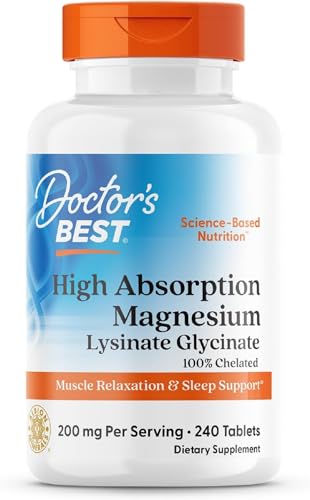
Here's a fact that most vitamin D advice overlooks: magnesium is required at every step of vitamin D metabolism. The enzymes that convert vitamin D to its active form (both the liver hydroxylase CYP2R1 and the kidney hydroxylase CYP27B1) are magnesium-dependent.
Supplementing vitamin D without adequate magnesium can be counterproductive. You're increasing demand on an already depleted mineral. Some people who don't respond to vitamin D supplementation — their blood levels don't rise despite adequate dosing — find that adding magnesium resolves the issue.
This is why we recommend addressing magnesium status concurrently with vitamin D supplementation. The two nutrients are biochemically inseparable. Add K2 for calcium direction, and you have a foundational triad that's worth more than the sum of its parts.
Toxicity: Real but Rare
Vitamin D toxicity (hypervitaminosis D) is possible but requires sustained intake far above recommended supplemental doses — typically above 50,000 IU daily for months. The primary danger is hypercalcemia (elevated blood calcium), which can cause nausea, kidney stones, and in severe cases, cardiac arrhythmias.
At doses of 4,000 to 10,000 IU daily — the range most people use for maintenance and repletion — toxicity is vanishingly rare. The Endocrine Society identifies 10,000 IU daily as the tolerable upper limit for adults, and some researchers argue this is conservative.
K2 may provide an additional safety margin by ensuring that any increase in calcium absorption is directed to bones rather than accumulating in blood and soft tissues. This is speculative but mechanistically sound — another reason to pair D3 with K2.
Periodic blood testing (every 6 to 12 months once stable) is the simplest way to ensure you're in the optimal range without overshooting.
The Bottom Line
Vitamin D deficiency is genuinely widespread, its health consequences are serious and broad-ranging, and correction is straightforward, safe, and inexpensive. This is one of the clearest interventions in nutritional medicine.
Don't take vitamin D alone. Pair it with K2 (100 to 200 mcg MK-7) to ensure calcium goes where it belongs, and address magnesium status to support the metabolic machinery that activates vitamin D. Test your levels. Aim for 40 to 60 ng/mL. Retest to confirm you've arrived.
This isn't exotic biohacking. It's correcting a deficiency that evolution didn't prepare us for — because evolution assumed we'd be outside.
This article is for informational purposes only and does not constitute medical advice. Consult a qualified healthcare provider before starting any supplement regimen.
This content is for informational purposes only and does not constitute medical advice. Always consult a qualified healthcare provider before starting, stopping, or changing any supplement or medication regimen.
Vitamin K2. . ## Overview
**Vitamin K2** is a fat-soluble nutrient within the broader vitamin K family, best known for its role in regulating how the body uses calcium. While **vitamin K1 (phylloquinone)** is found largely in leafy green vegetables and is classically associated with blood clotting, **vitamin K2
Vitamin D3. Vitamin D. ## Overview
**Vitamin D3 (cholecalciferol)** is a fat-soluble nutrient and commonly used supplement that plays a central role in **calcium balance, bone mineralization, muscle function, and immune regulation**. It is one of the main forms of vitamin D relevant to human health, alongside vitamin D2
Best Vitamin D Supplements: Top Picks & Buying Guide. If you’re wondering how to choose the best vitamin D supplement for your needs, you’re not alone. Vitamin D supports bone health, immune function, and mood, yet many of us fall short—especially in winter or with limited sun exposure. This guide reviews how to pick a high‑quality product, who might b
Vitamin D Test. 25-Hydroxy Vitamin D Test, Vitamin D3 Test. ## Overview
A **vitamin D test** is a blood test used to estimate the body’s vitamin D status, most commonly by measuring **25-hydroxyvitamin D [25(OH)D]**, the major circulating form of vitamin D. Vitamin D plays a central role in **calcium absorption, bone mineralization, muscle function, and immu
Depression and Vitamin D. Depression is a common mental health condition with biological, psychological, and social contributors. Vitamin D, a hormone-like nutrient produced in skin with sunlight exposure and obtained from diet, has been linked to brain function, inflammation, and sleep—systems that also influence mood. Unde
If you’re wondering what vitamin D benefits are real, how much you need, and whether to get it from sun, food, or supplements, you’re not alone. Vitamin D benefits span bone strength, immune function,