Vitamin C Beyond Colds: Collagen, Iron, Antioxidants, and a Closer Look at IV and Traditional Sources
Vitamin C is more than a cold remedy. Explore its roles in collagen synthesis, iron absorption, neurotransmitter production, antioxidant recycling, modern debates on IV and liposomal delivery, and traditional sources like camu camu, acerola, and amla—through an evidence-based lens.
·9 min read
This content is for informational purposes only and does not constitute medical advice. Always consult a qualified healthcare provider before starting, stopping, or changing any supplement or medication regimen.
Introduction
Vitamin C is best known for its connection to the common cold. But focusing on sniffles misses its central roles in connective tissue integrity, brain chemistry, redox balance, and nutrient absorption. Research suggests vitamin C acts as a pivotal cofactor in multiple enzymatic systems, recycles other antioxidants, and influences iron handling and skin health—while modern debates continue over high‑dose and intravenous (IV) strategies. Traditional medical systems have long prized vitamin C–rich plants, adding another layer to the story.
This article synthesizes current evidence, from biochemistry to clinical trials, and bridges western research with traditional perspectives—without dosage advice.
Vitamin C is required for the activity of prolyl and lysyl hydroxylases, enzymes that stabilize the collagen triple helix. Without adequate ascorbate, collagen is under‑hydroxylated, compromising skin, gums, blood vessels, and bone—a mechanism that explains scurvy’s hallmark signs and impaired wound healing. Reviews detail these pathways and their relevance to skin integrity and aging (Pullar et al., 2017; Mandl et al., 2009).
Neurotransmitter production (Evidence: strong)
Ascorbate donates electrons to dopamine β‑hydroxylase, which converts dopamine to norepinephrine, and supports peptide amidation reactions in neuropeptides. The brain concentrates vitamin C and relies on it for neuronal signaling and protection from oxidative stress (May, 2012; Harrison & May, 2009).
Antioxidant recycling and redox balance (Evidence: moderate to strong)
Vitamin C directly scavenges reactive species and helps regenerate vitamin E from its radical form, maintaining lipid antioxidant defenses. It also interacts with the glutathione system to sustain cellular redox status. Mechanistic and human data support these interactions, though clinical outcome links vary by context (Niki, 2015; Carr & Frei, 1999; Mandl et al., 2009).
Vitamin C and iron: enhancing absorption versus clinical outcomes
Research suggests vitamin C improves non‑heme iron absorption by reducing ferric (Fe3+) to ferrous (Fe2+) iron and forming soluble chelates in the gut. Classic absorption studies and reviews conclude it can meaningfully counteract meal inhibitors of iron (Teucher et al., 2004; Hallberg et al., 1989).
Does it improve anemia treatment? (Evidence: strong—recent RCTs)
While vitamin C enhances absorption from meals, recent randomized trials indicate that adding vitamin C to standard oral iron therapy may not meaningfully change hemoglobin recovery in iron‑deficiency anemia when iron dosing is adequate (Li et al., 2020). In practice, pairing vitamin C–containing foods with plant iron sources may help absorption, yet the benefit in clinical anemia treatment appears limited when iron is already optimized.
Reassessing Linus Pauling’s legacy: what he got right—and wrong
Colds (Evidence: strong for duration; moderate for prevention in extreme stress)
Pauling popularized high‑dose vitamin C for colds. Large systematic reviews and meta‑analyses since then suggest vitamin C does not prevent colds in the general population, but may reduce cold duration modestly and severity to a small extent. Incidence reductions appear mainly in people under heavy physical stress (e.g., endurance athletes, subarctic training) (Hemilä & Chalker, 2013/2016 Cochrane). In other words, there is some merit—but not the sweeping prevention effect once promised.
Cancer (Evidence: mixed; oral—negative; IV—emerging but unproven)
Early uncontrolled reports (Cameron & Pauling) suggested benefit, but two rigorous Mayo Clinic trials using oral vitamin C showed no survival advantage in advanced cancer (Moertel et al., 1985). Pharmacokinetic work later clarified that oral dosing saturates plasma vitamin C, whereas IV infusions can produce much higher transient plasma levels (Levine et al., 1996; Padayatty et al., 2004). This sparked renewed interest in IV vitamin C as a potential pro‑oxidant adjunct in oncology, but controlled clinical efficacy remains unproven and context‑specific.
IV vitamin C in critical care: promise, pitfalls, and where evidence stands
Sepsis and ARDS (Evidence: moderate to strong—mixed/negative outcomes)
CITRIS‑ALI: In patients with sepsis and acute respiratory distress syndrome, high‑dose IV vitamin C did not improve primary outcomes of organ failure or biomarkers, though some secondary mortality signals generated debate (Fowler et al., 2019, JAMA).
VITAMINS trial: A combination protocol (vitamin C, hydrocortisone, thiamine) did not outperform hydrocortisone alone in septic shock (Fujii et al., 2020, JAMA).
LOVIT trial: High‑dose IV vitamin C in sepsis increased the composite of death or persistent organ dysfunction compared with placebo (Lamontagne et al., 2022, NEJM).
Overall, research suggests routine IV vitamin C in critical illness is not supported and may pose risks in some settings. Ongoing trials continue to refine which patients, if any, might benefit, but current signals caution against indiscriminate use.
Delivery science: does liposomal vitamin C change the game?
Absorption ceilings are real with oral dosing (Evidence: strong pharmacokinetic)
Human pharmacokinetics show saturable intestinal transport for oral vitamin C, leading to a plateau in plasma levels (Levine et al., 1996). IV routes bypass this ceiling, explaining very different plasma concentrations with infusion (Padayatty et al., 2004).
Liposomal delivery (Evidence: emerging)
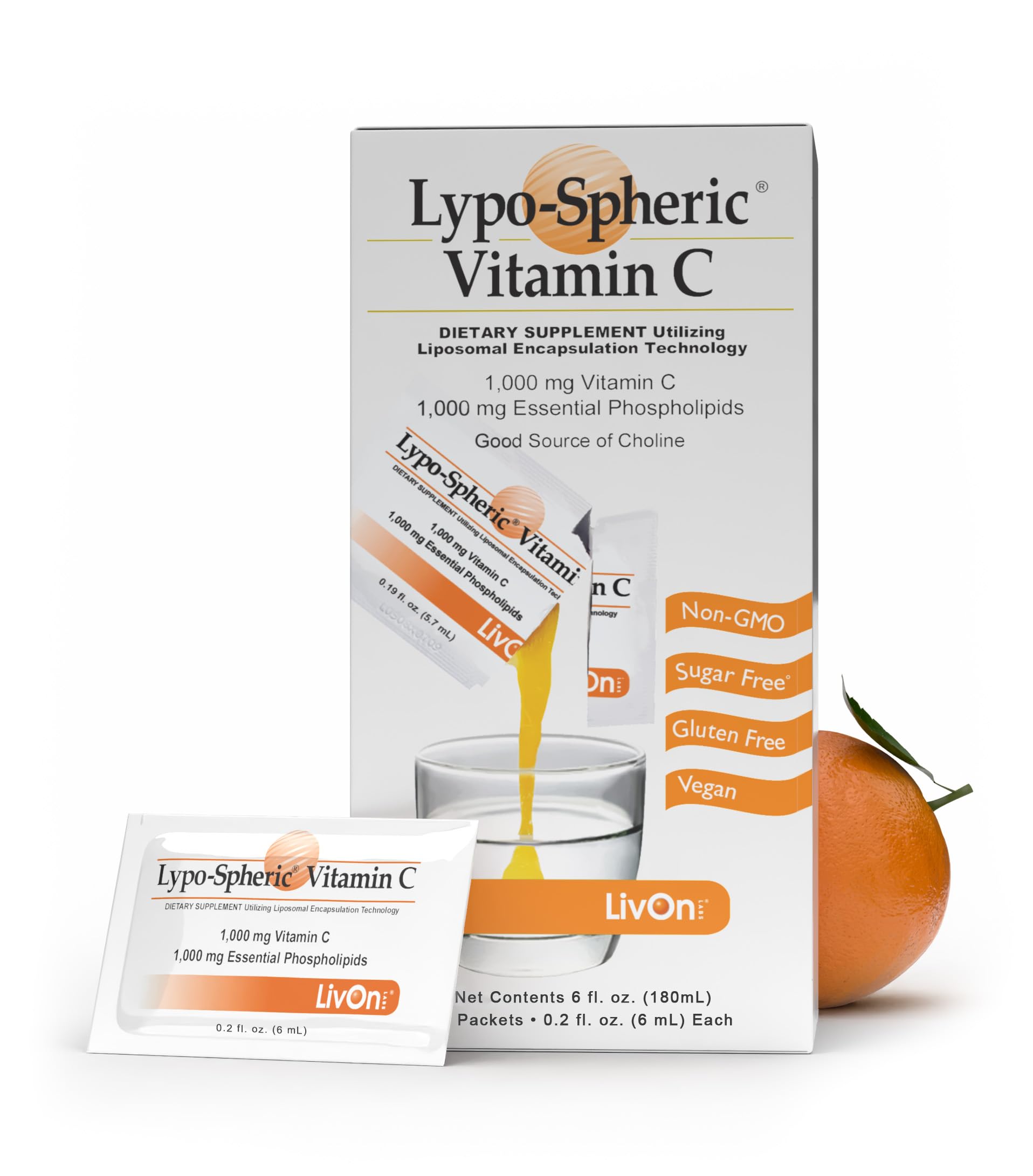
Small human crossover trials suggest liposomal encapsulation may increase peak plasma vitamin C versus non‑liposomal oral forms at comparable intakes (Davis et al., 2016). Whether this translates into superior clinical outcomes remains unclear. Research to date is preliminary and focused on pharmacokinetics, not long‑term health endpoints.
Skin, connective tissue, and wound milieu
Given its centrality to collagen maturation, vitamin C may support skin barrier function, wound milieu, and periodontal tissues (Evidence: strong mechanistic; moderate human). Reviews note associations with improved dermal matrix integrity and antioxidant protection against UV‑induced oxidative stress, framing vitamin C as a “maintenance” nutrient for connective tissues beyond scurvy prevention (Pullar et al., 2017).
Traditional and food‑based sources: more than just milligrams
Many traditional systems emphasize vitamin C–rich plants, often alongside polyphenols that may add synergistic effects.
Extremely high in vitamin C and polyphenols. In a small randomized comparison, camu camu juice reduced oxidative stress and inflammatory markers more than a matched amount of isolated vitamin C, suggesting a whole‑food matrix effect (Inoue et al., 2008). Traditional Amazônian use aligns with modern findings on antioxidant capacity.
Acerola provides abundant vitamin C with anthocyanins and carotenoids. Laboratory and compositional studies support strong antioxidant potential; human outcome trials are still limited.
Amla/Amalaki (Emblica officinalis) in Ayurveda (Evidence: emerging; traditional)
Used as a Rasayana (rejuvenative) for vitality and digestion. Modern studies report antioxidant activity and small clinical trials suggesting benefits on lipid and glycemic markers, though standardization and formulations vary (Patel & Goyal, 2012; selected small RCTs). Vitamin C is one component, but tannins and other phytochemicals likely contribute.
Bridging perspectives
Western research clarifies vitamin C’s enzymatic cofactor roles, redox interactions, and pharmacokinetics. Traditional practices often pair vitamin C–rich foods with botanicals, aligning with evidence that whole‑food matrices may amplify effects beyond isolated ascorbate (emerging). Together, these views suggest vitamin C functions both as a specific cofactor and as part of a broader phytochemical network.
Practical implications (no medical or dosing advice)
Meal composition matters: Pairing vitamin C–rich foods with plant‑based iron sources may help non‑heme iron uptake (moderate evidence), while clinical anemia correction depends on broader treatment factors (strong evidence that added vitamin C does not always improve outcomes when iron is adequate).
Connective tissue: Research suggests steady dietary patterns supporting vitamin C status may help maintain skin and vascular integrity via collagen maturation (moderate to strong evidence).
Delivery questions: Liposomal forms may raise plasma levels modestly (emerging evidence); IV use produces pharmacologic levels but has not shown routine benefit in critical care and may pose risks (moderate to strong evidence against routine use).
Whole foods: Traditional sources like camu camu, acerola, and amla provide vitamin C alongside polyphenols that may confer additional benefits (emerging evidence), underscoring a food‑first approach when feasible.
Bottom line
Vitamin C is far more than a cold remedy; it is essential for collagen maturation, neurotransmitter production, iron handling, and antioxidant recycling (strong evidence for core biochemistry).
For colds, research suggests modest reductions in duration and severity, with prevention benefits mainly in extreme physical stress—not the sweeping protection once claimed (strong to moderate evidence).
Enhancing non‑heme iron absorption with vitamin C–rich foods is well supported, but adding vitamin C to iron therapy does not always improve anemia outcomes when iron dosing is sufficient (moderate to strong evidence).
IV vitamin C achieves high plasma levels but has not demonstrated consistent clinical benefit in sepsis/ARDS and may increase harm in some trials (moderate to strong evidence against routine use).
Liposomal vitamin C shows pharmacokinetic promise without established clinical superiority (emerging evidence).
Traditional vitamin C–rich plants likely deliver synergistic effects through their full phytochemical profiles (emerging evidence), aligning modern science with time‑tested practices.
References
Carr AC, Frei B. Toward a new recommended dietary allowance for vitamin C based on antioxidant and health effects in humans. Am J Clin Nutr. 1999;69(6):1086–1107.
Pullar JM, Carr AC, Vissers MCM. The roles of vitamin C in skin health. Nutrients. 2017;9(8):866.
Mandl J, Szarka A, Bánhegyi G. Vitamin C: update on physiology and pharmacology. Free Radic Biol Med. 2009;46(6):642–657.
May JM. Vitamin C transport and its role in the central nervous system. Subcell Biochem. 2012;56:85–103.
Niki E. Interaction of ascorbate and alpha-tocopherol. Free Radic Biol Med. 2015;66:3–7.
Teucher B, Olivares M, Cori H. Enhancers of iron absorption: ascorbic acid and other organic acids. Int J Vitam Nutr Res. 2004;74(6):403–419.
Li N, et al. Effect of vitamin C with iron vs iron alone among adults with iron deficiency anemia. JAMA Netw Open. 2020;3(11):e2023644.
Hemilä H, Chalker E. Vitamin C for preventing and treating the common cold. Cochrane Database Syst Rev. 2013;(1):CD000980 (updated 2016).
Levine M, et al. Vitamin C pharmacokinetics in healthy volunteers. Proc Natl Acad Sci USA. 1996;93(8):3704–3709.
Padayatty SJ, et al. Vitamin C pharmacology: implications for oral and intravenous use. Ann Intern Med. 2004;140(7):533–537.
Cameron E, Pauling L. Supplemental ascorbate in the supportive treatment of cancer. Proc Natl Acad Sci USA. 1976;73(10):3685–3689.
Moertel CG, et al. High-dose vitamin C versus placebo in the treatment of advanced cancer. N Engl J Med. 1985;312(3):137–141.
Fowler AA III, et al. Effect of vitamin C infusion on organ failure and biomarkers in sepsis and ARDS (CITRIS‑ALI). JAMA. 2019;322(13):1261–1270.
Fujii T, et al. Hydrocortisone, vitamin C, and thiamine in septic shock (VITAMINS). JAMA. 2020;323(5):423–431.
Lamontagne F, et al. High‑dose vitamin C in sepsis (LOVIT). N Engl J Med. 2022;386:2387–2398.
Davis JL, Paris HL, Beals JW, et al. Pharmacokinetics of liposomal‑encapsulated ascorbic acid. Nutr Metab Insights. 2016;9:25–30.
Inoue T, et al. Anti‑oxidative and anti‑inflammatory effects of camu camu compared with vitamin C tablets. J Cardiol. 2008;52(2):127–132.
Patel S, Goyal RK. Emblica officinalis in health and disease. Int J Pharm Sci Res. 2012;3(3):880–884.
This content is for informational purposes only and does not constitute medical advice. Always consult a qualified healthcare provider before starting, stopping, or changing any supplement or medication regimen.
Vitamin C Beyond Colds: Focus on Collagen Synthesis
If you’ve heard of [vitamin C](/supplements/vitamin-c) only in the context of colds, you’re missing its central role in how the body builds and mai
IV Vitamin C Therapy. high-dose vitamin C IV, vitamin C infusion. ## Overview
**IV vitamin C therapy** refers to the intravenous administration of ascorbic acid, allowing substantially higher blood concentrations than can typically be achieved through oral supplementation. On wellness and integrative medicine platforms, it is often discussed in relation to **immu
Top Vitamins for Skin Health: An Evidence‑Based Guide to Vitamin C, E, A, D, Biotin & More. If you’re wondering which nutrients truly nourish your skin, you’re not alone. Many people search for the top vitamins for skin health to address dryness, acne, fine lines, or uneven tone. Research suggests specific vitamins play distinct biological roles in collagen synthesis, antioxidant defense,
[Zinc is often called the immune mineral](/supplements/zinc), and for good reason. It participates in hundreds of enzymatic reactions, shapes how immune cells develop and communicate, and may [shorten
Collagen Supplement Side Effects: Risks, Who's at Risk, and Safety Tips. If you’re curious about collagen supplement side effects, you’re not alone. Collagen powders and capsules are everywhere, and while most people tolerate them well, some do experience digestive symptoms, headaches, or allergic reactions. This guide reviews what collagen is, why people take it, the mo