Vitamin Combinations for Optimal Energy: An Evidence‑Based Guide to Stacks, Safety, and When to Test
Which vitamin combinations boost energy? Evidence-backed stacks, dosing ranges, labs to check, safety, and timing tips to feel and function better.
·11 min read
This content is for informational purposes only and does not constitute medical advice. Always consult a qualified healthcare provider before starting, stopping, or changing any supplement or medication regimen.
If you’re dragging through the day and wondering which vitamin combinations for optimal energy can actually help, you’re not alone. Fatigue has many causes—sleep debt, stress, low iron, suboptimal B vitamins, thyroid issues, post‑viral recovery—and the right nutrient stack depends on what’s driving your low energy. This guide blends western evidence and traditional insights to map how vitamins and cofactors power your cells, which combinations show synergy, when to test, and how to use supplements safely.
The biology of energy and fatigue: how vitamins and cofactors fit in
Energy in the body is produced largely inside mitochondria as ATP (adenosine triphosphate). Multiple vitamins and minerals serve as coenzymes and cofactors in this process, in neurotransmitter synthesis, red blood cell formation, and immune resilience—each of which can affect how energized you feel.
Mitochondrial ATP production
B‑complex (B1, B2, B3, B5, B6): These vitamins form coenzymes (TPP, FAD, FMN, NAD⁺/NADH, CoA, and PLP) that run glycolysis, the citric acid cycle, and fatty‑acid oxidation. Without adequate B vitamins, the electron transport chain (ETC) slows.
Magnesium: Over 300 enzymes use magnesium; ATP is bound as Mg‑ATP. Low magnesium can impair ATP synthesis and muscle function.
Iron: Central to heme and iron‑sulfur clusters in ETC complexes; deficiency can limit oxygen transport and mitochondrial respiration.
CoQ10 (ubiquinone): A lipid‑soluble electron carrier shuttling electrons from complexes I/II to III; research suggests supplementation improves cellular energy in deficient states and some chronic conditions.
L‑carnitine: Transports long‑chain fatty acids into mitochondria for beta‑oxidation. Acetyl‑L‑carnitine also supports brain energy and acetylcholine synthesis.
Vitamin C: Cofactor for enzymes in carnitine biosynthesis; inadequate vitamin C can reduce carnitine levels and contribute to fatigue.
Neurotransmitter synthesis and nervous system tone
B6, folate, and B12: Support synthesis and methylation pathways for dopamine, norepinephrine, and serotonin. Folate and B12 regenerate methyl groups via the methionine cycle; low status can present as mental fatigue or low motivation.
Vitamin C: Cofactor for dopamine β‑hydroxylase, converting dopamine to norepinephrine—relevant to focus and alertness.
Magnesium: Modulates NMDA and GABA receptors, influencing calm focus and sleep quality that, in turn, affects daytime energy.
Red blood cell formation and oxygen delivery
Iron: Required for hemoglobin. Iron‑deficiency anemia is a common, reversible cause of fatigue.
Folate and B12: Essential for DNA synthesis in rapidly dividing cells, including red blood cell precursors; deficiencies cause megaloblastic anemia and fatigue.
Vitamin C: Enhances non‑heme iron absorption and may improve iron status when paired with iron.
Immune support and post‑illness energy
Vitamin D: Regulates innate and adaptive immunity; low levels have been associated with fatigue and myalgias. Some studies indicate symptom improvement with repletion when deficient.
Vitamin C: Traditionally used for immune support; it also reduces oxidative stress during recovery, which may help energy.
What the research says about vitamin combinations for optimal energy
Research suggests certain nutrient pairings work better together due to shared pathways. Below are combinations with evidence notes, plus tailored stacks for common fatigue patterns. Evidence levels: strong (multiple RCTs/meta‑analyses), moderate (limited RCTs/observational), emerging (pilot trials/biological plausibility), traditional (historical use without modern trials).
Rationale: B’s drive ATP and neurotransmitters; vitamin C supports catecholamine and carnitine synthesis. Trials in stressed or low‑status adults report improved subjective energy and mood with B‑complex, often enhanced by vitamin C. Benefits are most evident when correcting insufficiencies.
Practical: Morning dosing with food; consider methylated forms if you have MTHFR variants.
B12 + folate (preferably methylfolate) — Evidence: strong for deficiency; limited in replete adults
Rationale: These vitamins work in the same methylation cycle. Correcting one without the other can mask problems (e.g., folate can normalize blood counts while B12‑related nerve injury progresses). Co‑supplementation corrects anemia and supports neurological health when deficient.
Practical: Typical oral B12 1,000 mcg/day; methylfolate 400–800 mcg/day. In pernicious anemia or malabsorption, parenteral B12 may be needed.
Iron + vitamin C — Evidence: strong for iron‑deficiency anemia (IDA)
Rationale: Vitamin C increases non‑heme iron absorption and supports hemoglobin synthesis. Meta‑analyses show improved ferritin and hemoglobin when vitamin C is paired with iron during IDA treatment.
Practical: Take iron away from calcium, coffee/tea; add 100–200 mg vitamin C. Recheck ferritin and hemoglobin after 6–8 weeks.
Vitamin D + magnesium — Evidence: moderate
Rationale: Magnesium is required for vitamin D activation and signaling; low magnesium can blunt vitamin D response. Studies indicate better 25(OH)D normalization and symptom improvement when magnesium status is adequate.
Practical: Replete magnesium (200–400 mg elemental/day) and take vitamin D3 with a fat‑containing meal. Monitor 25(OH)D.
Rationale: Selenium is a cofactor for antioxidant enzymes (e.g., glutathione peroxidases) that protect mitochondrial membranes where CoQ10 resides. RCTs in older adults with low selenium found improved quality‑of‑life and cardiovascular outcomes using CoQ10 (200 mg/day) plus selenium (200 mcg/day). Fatigue benefits are most reported in low‑selenium, older, or statin‑using individuals.
Note: CoQ10 may reduce warfarin effect; monitor INR if on anticoagulation.
L‑carnitine + CoQ10 — Evidence: emerging to moderate
Rationale: Carnitine supports fat transport into mitochondria; CoQ10 improves electron transport. Small trials in chronic fatigue states and fibromyalgia report improved fatigue scores, especially with acetyl‑L‑carnitine 1–2 g/day plus CoQ10 100–200 mg/day.
Stack: B12 1,000 mcg/day oral (methylcobalamin or cyanocobalamin) or prescription injections + methylfolate 400–800 mcg/day if homocysteine elevated.
Tests: Serum B12 plus methylmalonic acid (MMA) and homocysteine for borderline cases; intrinsic factor antibodies if pernicious anemia suspected.
Post‑viral or chronic fatigue features — Evidence: emerging to moderate
Stack: CoQ10 100–200 mg/day (with meals) + acetyl‑L‑carnitine 1–2 g/day + magnesium 200–400 mg/day. Consider B‑complex if dietary intake is low or after prolonged stress.
Notes: Some pilot RCTs show symptom improvement; effects vary. Address sleep, pacing, and graded return to activity.
Lifestyle‑related fatigue (stress, sleep debt, heavy training) — Evidence: moderate for correcting suboptimal status
Stack: B‑complex (at least 100% DV of B1, B2, B3, B6, B12, folate) + magnesium 200–400 mg/day + vitamin D3 adjusted to labs. Optional vitamin C (200–500 mg/day) for carnitine synthesis and antioxidant support.
Tests: 25(OH)D; consider RBC magnesium (more informative than serum), and a basic metabolic panel if cramping or sleep issues persist.
Muscle fatigue or statin‑associated low energy — Evidence: moderate in select groups
Stack: CoQ10 100–200 mg/day; ensure vitamin D sufficiency and adequate magnesium.
Tests: 25(OH)D; discuss with your prescriber, as data are mixed but favorable for some individuals.
Safety, contraindications, interactions, and when to test
Nutrients are not risk‑free. Dosing should be individualized and ideally guided by labs.
Risks of over‑supplementation
Vitamin B6: Chronic intakes above ~100 mg/day can cause sensory neuropathy.
Niacin (B3): High doses can cause flushing; sustained‑release forms at high doses may stress the liver.
Vitamin C: Generally safe up to 1,000 mg/day; higher doses may increase kidney stone risk in susceptible men and can cause GI upset.
Vitamin D: Excess can cause hypercalcemia; avoid chronic intakes above 4,000 IU/day without monitoring 25(OH)D and calcium.
Iron: Unnecessary iron can cause oxidative stress and, in hemochromatosis, organ damage. Supplement only if labs support a need.
Magnesium: Excess causes diarrhea; in kidney disease, hypermagnesemia risk rises.
Selenium: Upper limit is 400 mcg/day; overuse can cause hair/nail brittleness and GI symptoms.
L‑carnitine: May cause GI upset; raises TMAO in some individuals—cardiovascular significance remains debated.
Key drug–nutrient interactions to know
Warfarin and anticoagulants: CoQ10 may reduce warfarin effect; vitamin E at high doses may increase bleeding risk—monitor INR and coordinate with your clinician.
Levothyroxine: Iron, calcium, and magnesium reduce absorption; separate by at least 4 hours.
Antibiotics: Iron and magnesium interfere with tetracyclines and quinolones; separate by 2–6 hours.
PPIs and metformin: Can lower B12; long‑term users should monitor.
Diuretics: May deplete magnesium and potassium; consider monitoring and repletion.
Chemotherapy and radiation: Antioxidants and supplements should be coordinated with oncology due to potential interactions.
Pregnancy and breastfeeding: Iron, folate, iodine, and choline needs increase; dosing should be guided by prenatal care. Avoid high‑dose vitamin A and unnecessary botanicals.
Kidney disease: Caution with magnesium, potassium, and vitamin C; carnitine is sometimes used in dialysis but under specialist care.
Anticoagulants or antiplatelets: Coordinate any supplement changes with your clinician.
Hemochromatosis or thalassemia: Avoid iron unless prescribed.
Bariatric surgery or GI disorders: Malabsorption is common; B12 injections and monitored iron are often required.
Unexplained rapid fatigue, weight loss, fevers, chest pain, or neurologic deficits: Seek medical evaluation promptly.
Practical guidance: food sources, forms, timing, and lifestyle
Food first, with smart supplementation
B vitamins: Meat, fish, eggs, legumes, whole grains, leafy greens.
B12: Animal foods and fortified plant milks/cereals for vegans.
Folate: Leafy greens, beans, avocado, citrus.
Vitamin C: Citrus, berries, kiwifruit, bell peppers, broccoli.
Vitamin D: Fatty fish, fortified dairy/plant milks; sunlight where appropriate.
Magnesium: Pumpkin seeds, almonds, cashews, black beans, spinach, dark chocolate.
Iron: Heme iron in red meat, poultry, fish; non‑heme in legumes, tofu, spinach (pair with vitamin C foods).
CoQ10: Sardines, mackerel, organ meats.
L‑carnitine: Red meat; smaller amounts in fish and poultry.
Preferred formulations and typical supplemental ranges
B‑complex: Look for balanced doses near 100% DV; forms like methylcobalamin (B12) and L‑methylfolate may benefit individuals with methylation issues.
B12: Oral 1,000 mcg/day is common for deficiency; sublingual is fine. In malabsorption, injections per clinician.
Folate: 400–800 mcg/day L‑methylfolate; folic acid is effective for most, but methylfolate bypasses MTHFR bottlenecks.
Iron: Ferrous bisglycinate or ferrous sulfate; 25–65 mg elemental/day for IDA under supervision. Heme iron polypeptide may be gentler but costlier.
Vitamin C: 200–500 mg/day with iron or meals if intake is low.
Vitamin D3: 1,000–2,000 IU/day is common maintenance; personalize to 25(OH)D level.
Magnesium: 200–400 mg/day elemental; glycinate or citrate forms are well tolerated (citrate may loosen stools).
CoQ10: 100–200 mg/day; ubiquinol may have better bioavailability in older adults.
L‑carnitine: 1–2 g/day; acetyl‑L‑carnitine for mental energy, L‑carnitine L‑tartrate often used around training.
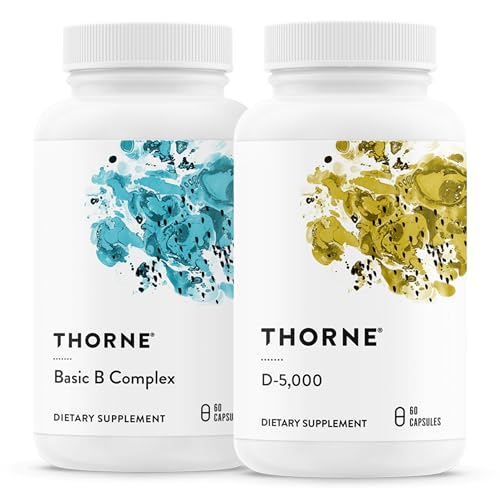
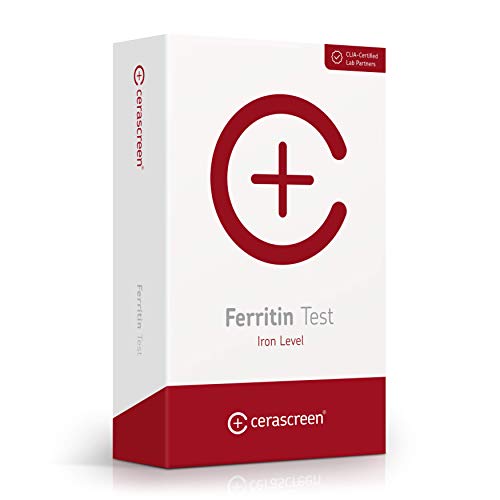
Many people find Methylated B‑Complex convenient when diet or stress makes consistent B intake challenging. For mitochondrial support, Ubiquinol CoQ10 Softgels are a commonly chosen format. If iron status is uncertain, an At‑home Ferritin Test Kit can be a starting point—confirm results with your clinician.
Timing and absorption tips
Take B‑complex in the morning with food to avoid nausea and support daytime energy.
Pair iron with vitamin C; avoid taking with calcium, coffee/tea, or high‑fiber cereal.
Space iron, calcium, or magnesium at least 4 hours from thyroid medication or certain antibiotics.
Take vitamin D and CoQ10 with a fat‑containing meal.
Magnesium glycinate in the evening may aid relaxation and sleep quality.
Non‑supplement strategies that amplify results
Sleep: Aim for 7–9 hours with regular timing; morning light exposure supports circadian rhythm.
Nutrition pattern: Emphasize protein (20–30 g/meal), high‑fiber carbs, and unsaturated fats; consider Mediterranean‑style eating.
Movement: Mix aerobic work (150 minutes/week) with 2–3 sessions of strength training to build mitochondrial density.
Stress: Brief daily breathwork or mindfulness (5–10 minutes) can lower sympathetic overdrive and improve perceived energy.
Hydration: Even mild dehydration reduces alertness; target pale‑yellow urine.
How to track progress
Symptom diary: Rate energy (0–10) morning and afternoon; note sleep, training, stress, and supplements.
Functional markers: Step count, resting heart rate, HRV, or time‑to‑fatigue in a standard workout.
Lab rechecks: 6–8 weeks after starting iron, B12/folate, or vitamin D; extend intervals once stable.
Reassess: If no change after 8–12 weeks of targeted therapy and lifestyle optimization, revisit the diagnosis with your clinician.
What to expect: realistic timelines
Correcting iron or B12 deficiency: Partial improvement within 2–4 weeks; full replenishment can take 2–3 months (iron often longer to rebuild stores).
Vitamin D and magnesium repletion: 4–8 weeks for level and symptom shifts.
Mitochondrial support (CoQ10, carnitine): 2–8 weeks for perceived energy changes; longer in chronic conditions.
What the Research Says (summary by claim)
Iron + vitamin C improves IDA outcomes — Evidence: strong (multiple RCTs/meta‑analyses).
B12 + folate corrects megaloblastic anemia and supports neurologic health in deficiency — Evidence: strong.
B‑complex (with vitamin C) reduces perceived stress/fatigue in low‑status or high‑stress adults — Evidence: moderate.
Vitamin D repletion improves fatigue when deficient; magnesium enhances vitamin D metabolism — Evidence: moderate.
CoQ10 (± selenium) improves cellular energy and quality‑of‑life in older/low‑selenium or statin users — Evidence: moderate.
L‑carnitine ± CoQ10 reduces fatigue in specific chronic conditions — Evidence: emerging to moderate.
Start with likely cause: history, symptoms, and a short lab panel (CBC, ferritin, B12 with MMA, 25(OH)D, and, if needed, RBC magnesium) clarify the right stack.
Use combinations with synergy: iron + vitamin C for IDA; B12 + methylfolate when B12 or homocysteine is off; vitamin D with adequate magnesium; CoQ10 with selenium in older/low‑selenium adults.
Dose conservatively and retest: Most benefits appear within 4–8 weeks; avoid long‑term high doses without labs.
Pair with lifestyle: Sleep, balanced meals, hydration, and stress tools multiply supplement benefits.
Coordinate with your clinician if pregnant, managing chronic illness, or on prescription medications.
Disclaimer
This article is for educational purposes and does not replace personalized medical advice. Nutrient needs vary widely; consult a qualified healthcare professional for diagnosis, lab interpretation, and treatment planning—especially if you are pregnant, have kidney disease, take anticoagulants, or have chronic medical conditions.
This content is for informational purposes only and does not constitute medical advice. Always consult a qualified healthcare provider before starting, stopping, or changing any supplement or medication regimen.
Supplements for Energy Boost: Evidence‑Based Options, Dosage, and Safety. Feeling drained and wondering which supplements for energy boost actually work? Before reaching for a pill or powder, it helps to understand why energy dips happen and when supplements may help versus when a medical evaluation is the smarter first step. This guide bridges western research and time‑t
Essential Vitamins for Physical Performance: An Evidence‑Based Guide to Energy, Endurance & Recovery. If you train hard but still feel flat, you might wonder which essential vitamins for physical performance actually move the needle. Vitamins do not supply calories, yet they quietly power energy production, muscle contraction, tissue repair, immunity, and even focus under fatigue. This guide integra
Best Vitamins for Mood Enhancement: An Evidence‑Based Guide to Supporting Mental Wellbeing. If you’re wondering which nutrients truly make a difference for how you feel day to day, you’re not alone. The phrase “best vitamins for mood enhancement” gets searched for a reason: many of us sense that nutrition and mental wellbeing are connected, but we want clarity about what actually helps, ho
Top Vitamins for Mood Enhancement: Evidence‑Based Guide to Vitamins That Support Mood. If you’re wondering which nutrients can actually lift your spirits, you’re not alone. Many people search for the top vitamins for mood enhancement when they notice low energy, irritability, or the winter blues. Vitamins are not magic bullets, but research suggests certain ones can support neurotrans
Supplements for Stress Management: Evidence‑Based Options, Dosage & Safety. If you’re feeling wired, worn down, or both, you might be wondering which supplements for stress management are truly worth trying. Research suggests certain nutrients, herbs, and mind‑body compounds can nudge stress systems toward balance. Still, even the best options offer small‑to‑moderate benefi
Optimal Vitamins for Children’s Health: An Evidence‑Based Guide for Parents. Parents often ask: What are the optimal vitamins for children’s health, and does my child need a supplement? This guide bridges western evidence and traditional wisdom so you can make clear, safe choices. We review roles, dosages by age, food sources, when to consider supplements, and how to evaluat