Essential Vitamins for Physical Performance: An Evidence‑Based Guide to Energy, Endurance & Recovery
Which vitamins truly support energy, endurance, and recovery? An evidence‑based guide to essential vitamins for physical performance, food‑first tips, and safety.
·10 min read
This content is for informational purposes only and does not constitute medical advice. Always consult a qualified healthcare provider before starting, stopping, or changing any supplement or medication regimen.
If you train hard but still feel flat, you might wonder which essential vitamins for physical performance actually move the needle. Vitamins do not supply calories, yet they quietly power energy production, muscle contraction, tissue repair, immunity, and even focus under fatigue. This guide integrates western research and traditional food wisdom to help you use vitamins strategically—without megadoses that may backfire.
How Vitamins Support Physical Performance
Vitamins act as coenzymes and regulators in systems athletes rely on daily:
Energy metabolism: B vitamins (B1, B2, B3, B6, folate, B12) are coenzymes in glycolysis, the Krebs cycle, beta‑oxidation, and electron transport. For example, thiamine (B1) helps convert pyruvate to acetyl‑CoA; riboflavin (B2) forms FAD/FMN; niacin (B3) forms NAD/NADP used in redox reactions.
Muscle function and power: Vitamin D binds the vitamin D receptor (VDR) in muscle, influencing calcium handling and type II muscle fiber performance. Vitamin B6 supports glycogen phosphorylase, important for releasing glucose during intense exercise.
Recovery and connective tissue: Vitamin C is required for collagen cross‑linking and carnitine synthesis; vitamin E protects cell membranes from exercise‑induced oxidative stress; vitamin K activates proteins that support bone and soft‑tissue integrity.
Immune resilience: Vitamins C and D modulate innate and adaptive immunity—relevant for avoiding training interruptions from upper respiratory infections.
Cognition and mood: Folate and B12 support one‑carbon metabolism and neurotransmitter synthesis, influencing mental energy and decision‑making under fatigue.
What the Research Says
Correcting deficiencies improves performance and recovery (evidence: strong). Multiple trials show that when athletes are deficient—particularly in vitamin D or B12—repletion improves muscle function, hematological status, and subjective energy. Supplementing beyond needs shows limited ergogenic benefit.
Vitamin D and muscle performance (evidence: moderate to strong in deficient individuals). RCTs in athletes with low vitamin D often report improvements in strength or power; effects are inconsistent when baseline levels are sufficient.
B‑complex and energy (evidence: moderate). Observational and controlled studies indicate that inadequate B vitamin status impairs work capacity; supplementation helps when intake or status is low, but routine high‑dose B vitamins don’t consistently enhance performance in replete athletes.
Antioxidants and training adaptations (evidence: moderate). High‑dose vitamin C and E can reduce markers of oxidative stress, but several trials suggest they may blunt mitochondrial and hypertrophic adaptations when taken chronically around workouts.
Vitamin C and illness in athletes (evidence: moderate). Meta‑analyses indicate vitamin C can roughly halve the incidence of colds in people under heavy physical stress (e.g., endurance events), and may shorten duration.
Vitamin K and performance (evidence: emerging). Small studies suggest menaquinone‑7 (MK‑7) may improve cardiovascular efficiency and support bone, but direct ergogenic effects are not well established.
This balance of findings suggests a “food‑first, fix deficiencies, avoid megadoses” approach.
The Most Important Vitamins for Athletes and Active People
B‑Complex: The Engine Room
What they do: B1, B2, B3, B6, folate, and B12 are coenzymes that convert carbohydrate, fat, and protein into usable energy and support neurotransmitter and red blood cell synthesis.
Deficiency consequences: Low B vitamins can mean early fatigue, poor work economy, irritability, neuropathy (B6/B12), macrocytic anemia (folate/B12), and impaired lactate clearance (B1).
Groups at risk: Low‑energy availability, restrictive diets, vegan/vegetarian (B12, sometimes riboflavin), heavy alcohol use (B1), long‑distance runners with high energy turnover, people on metformin (B12) or certain anticonvulsants (folate).
B2 (riboflavin): Forms FAD/FMN in electron transport; also supports antioxidant enzymes (glutathione reductase). Risk with low dairy intake or restrictive diets. RDA ≈ 1.1–1.3 mg/day.
B3 (niacin): Builds NAD/NADP; high supplemental doses can cause flushing and may impair fat oxidation during exercise. RDA ≈ 14–16 mg NE/day; UL 35 mg/day for supplements.
B6 (pyridoxine): Coenzyme for glycogen phosphorylase and neurotransmitters (GABA, serotonin). Chronic high doses can cause neuropathy. RDA ≈ 1.3 mg/day; UL 100 mg/day.
Folate: DNA synthesis and methylation; critical for RBC production. Synthetic folic acid is more bioavailable than food folate; aim for 400 mcg DFE/day. UL 1000 mcg/day (synthetic) to avoid masking B12 deficiency.
B12 (cobalamin): Myelin maintenance and RBC formation; deficiency leads to macrocytic anemia, neuropathy, brain fog. Found mainly in animal foods. RDA 2.4 mcg/day; no established UL.
Evidence level for B‑complex and performance: moderate overall; strong when correcting deficiency.
Vitamin D: Muscle, Bone, and Immunity
Mechanisms: Influences calcium handling in muscle, muscle fiber development, and immune modulation. Low 25(OH)D status is linked with weakness, higher injury risk, and more frequent illness.
Intake/testing: RDA 600–800 IU/day; many athletes require individualized dosing to maintain 25(OH)D around 30–50 ng/mL. UL 4000 IU/day; sustained intakes above this increase toxicity risk.
Evidence level: moderate to strong in deficient individuals.
Vitamin C: Collagen, Carnitine, and Immune Support
Mechanisms: Cofactor for collagen synthesis (tendons/ligaments), carnitine synthesis (fatty acid transport into mitochondria), and antioxidant defense; enhances non‑heme iron absorption.
Performance relevance: May reduce URTI incidence in heavily training athletes and support connective‑tissue repair. High chronic doses around workouts may blunt endurance adaptations.
Risk groups: Low fruit/vegetable intake, smokers (+35 mg/day needs), ultra‑endurance athletes with high oxidative stress.
Intake: RDA 75–90 mg/day; UL 2000 mg/day.
Evidence level: moderate for illness reduction in stressed athletes; mixed for direct performance changes.
Vitamin E: Membrane Protection, With Caveats
Mechanisms: Lipid‑soluble antioxidant protecting cell membranes from peroxidation during intense exercise.
Performance relevance: Mixed findings; may reduce oxidative markers after ultra‑events but hasn’t consistently improved performance. High doses may increase bleeding risk and could blunt training adaptations when combined with high‑dose vitamin C.
Risk groups: Very low‑fat diets, fat‑malabsorption.
Intake: RDA 15 mg alpha‑tocopherol/day; UL 1000 mg/day (supplemental alpha‑tocopherol).
Evidence level: emerging to moderate for oxidative stress markers; limited for ergogenic effects.
Vitamin K (K1 and K2): Bone and Soft‑Tissue Support
Mechanisms: Cofactor for gamma‑carboxylation of osteocalcin and matrix Gla‑protein, supporting bone mineralization and vascular health. MK‑7 (a K2 form) has a longer half‑life and may aid cardiovascular efficiency.
Performance relevance: Indirect—bone integrity and possibly cardiovascular efficiency; direct performance benefits remain preliminary.
Risk groups: Very low‑vegetable intake (K1), long‑term antibiotic use, fat‑malabsorption. Patients on warfarin require consistent intake and medical guidance.
Intake: Adequate Intake ≈ 90 mcg/day (women), 120 mcg/day (men). No established UL from foods.
Evidence level: emerging for performance; stronger for bone health.
Natural Dietary Sources and Practical Intake Guidance
Food‑First Strategies
B‑complex: Whole grains (B1), dairy and almonds (B2), poultry and fish (B3, B6), leafy greens and beans (folate), eggs, dairy, meat, and fortified foods (B12 for vegans via fortified milks/cereals or supplements).
Vitamin D: Sunlight synthesis; salmon, sardines, egg yolks, fortified dairy/plant milks. Many people still require supplementation, especially in winter.
Vitamin C: Citrus, kiwifruit, berries, bell peppers, broccoli, tomatoes. In Ayurvedic tradition, amla (Indian gooseberry) is a notably rich source (traditional use; modern research supports its high vitamin C content).
Vitamin E: Nuts and seeds (almonds, sunflower seeds), wheat germ, avocado, olive oil. East Asian and Mediterranean food traditions emphasize these foods for “vitality” (traditional perspective).
Vitamin K: K1 in leafy greens (kale, spinach); K2 in fermented foods like natto (Japanese tradition), certain cheeses, and pasture‑raised animal products.
Timing Relative to Training
Water‑soluble vitamins (B‑complex, C): Take with meals for better tolerance; split doses if supplementing.
Fat‑soluble vitamins (D, E, K): Take with a meal containing fat to improve absorption.
Antioxidants around workouts: Avoid chronic high‑dose vitamin C (>500 mg) or E (>200 IU) immediately pre/post‑training, as research suggests they may blunt some training adaptations. Normal dietary intakes from fruits, vegetables, nuts, and oils are encouraged.
Bioavailability Tips
Vitamin D3 vs D2: D3 generally raises 25(OH)D more effectively than D2.
Folate vs folic acid: Folic acid in fortified foods/supplements is well absorbed. Some individuals with MTHFR variants may prefer 5‑MTHF forms, though performance advantages are unproven (evidence: emerging).
B12: Absorption depends on intrinsic factor; small, frequent doses or sublingual forms can be useful for those with low stomach acid or on metformin/PPIs.
Vitamin K: MK‑7 has a longer half‑life than K1 or MK‑4, supporting steadier levels; foods like natto are rich sources.
Iron synergy: Pair vitamin C‑rich foods with plant iron (beans, lentils, spinach) to enhance absorption—important for endurance athletes.
When Supplementation May Be Warranted
Vitamin D: Indoor athletes, winter months, or consistent levels <30 ng/mL may warrant D3 supplementation, ideally with periodic blood testing.
B12: Vegans/vegetarians, adults over 50, or those on metformin/PPIs often need a B12 supplement.
Folate: People with low intake or increased needs (e.g., preconception) may benefit; avoid exceeding the UL without guidance.
Vitamin C: Short‑term use during heavy training blocks or travel may reduce URTIs; keep doses moderate (e.g., 200–500 mg/day) and avoid timing near workouts.
Vitamin E/K: Food‑first unless there’s a diagnosed need or fat‑malabsorption.
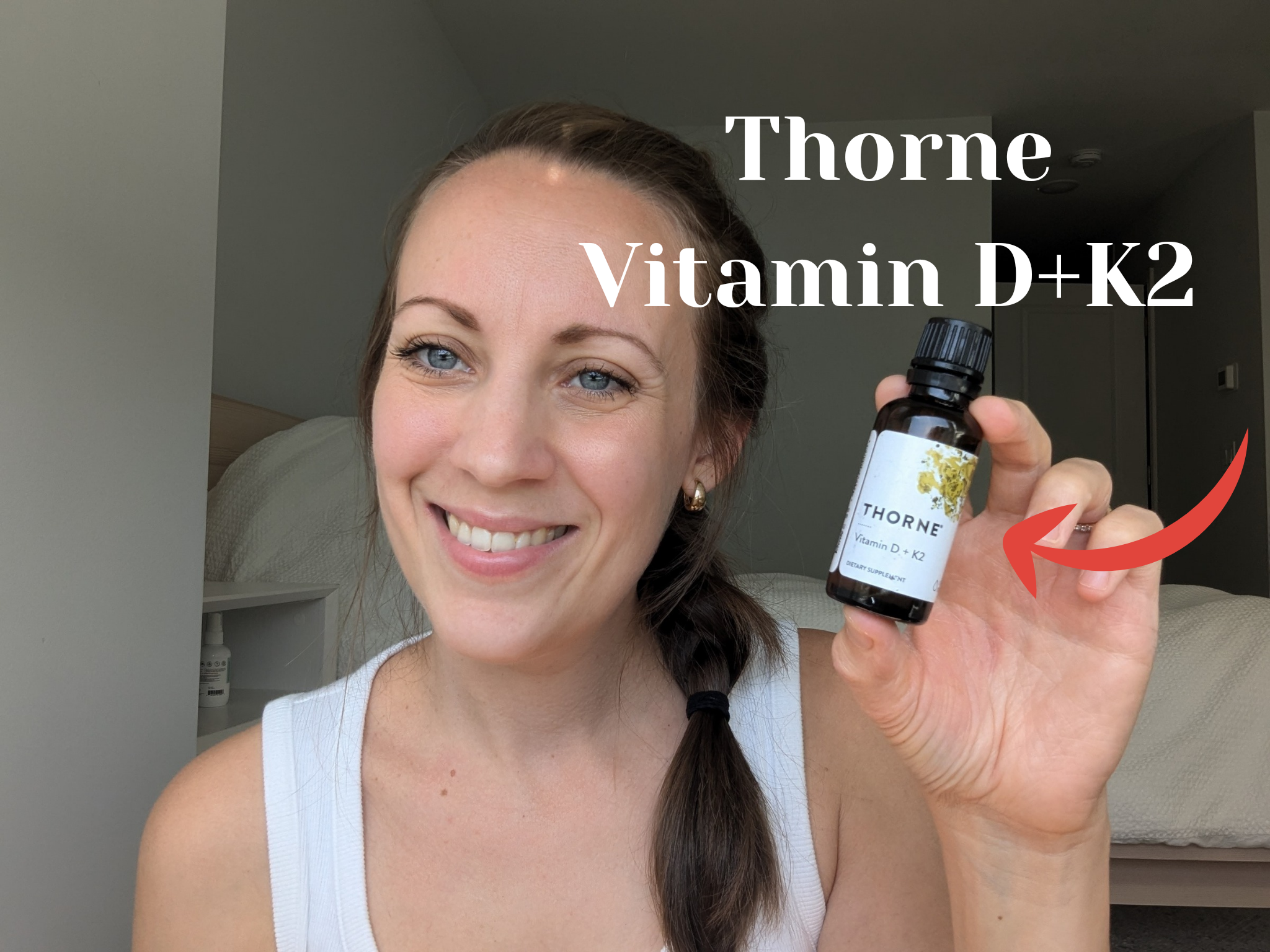
Many readers find an athlete‑focused multivitamin helpful for “insurance” when training volume spikes—consider Athlete’s Daily Multi. Those needing to build or maintain vitamin D status sometimes prefer Vitamin D3 + K2 Drops taken with a meal. If you’re unsure of your vitamin D status, an at‑home 25(OH)D Test Kit can be a convenient option before adjusting intake. These are suggestions, not endorsements; choose products that meet third‑party testing standards.
Safety, Testing, and Personalization
Signs of Deficiency or Excess
B1: Fatigue, irritability; severe deficiency causes beriberi. Excess from food is rare.
B2: Cracks at mouth corners, sore throat; urine turns bright yellow with supplements (harmless).
B3: Deficiency causes pellagra (dermatitis, diarrhea, dementia). High supplemental doses can cause flushing, liver enzyme elevations, and may worsen glucose control.
B6: Deficiency—dermatitis, neuropathy. Excess—sensory neuropathy at high doses or prolonged use.
Folate: Deficiency—macrocytic anemia, fatigue; high supplemental intakes can mask B12 deficiency.
B12: Deficiency—anemia, neuropathy, brain fog; excess is generally well tolerated.
Vitamin C: Deficiency—scurvy (rare). Excess—GI upset, kidney stone risk in predisposed individuals.
Age: Adults over 50 often need more B12 (reduced stomach acid) and vitamin D.
Diet: Vegans/vegetarians—prioritize B12, riboflavin, iron (with vitamin C), and vitamin D; omnivores with low produce—emphasize C, folate, and E‑rich foods.
Sport: Endurance athletes—guard iron status and vitamin C for absorption; be cautious with high‑dose antioxidants. Strength/power—ensure vitamin D sufficiency for muscle function. Contact/impact sports—vitamin D and K‑rich diets for bone health.
Training load: During high volume or travel, consider short‑term use of a well‑designed multivitamin and moderate vitamin C, while keeping antioxidant megadoses away from workouts.
Western and Eastern Perspectives
Western view: Targeted correction of deficiencies with diet and, if needed, supplements—guided by labs for vitamin D and B12—has the strongest evidence for performance benefits.
Eastern and traditional view: Vitality arises from whole, seasonal foods and sunlight—citrus and amla for resilience (vitamin C), fermented foods like natto for longevity (vitamin K2), nuts and seeds for “essence” (vitamin E), and organ meats/broths in some traditional cuisines for B vitamins. These traditions align with a food‑first approach (evidence: traditional), complemented today by selective testing and supplementation when indicated.
Practical Takeaways
Prioritize a colorful, whole‑food diet rich in leafy greens, legumes, whole grains, fruits, nuts/seeds, dairy or fortified alternatives, eggs, seafood, and fermented foods.
Test, don’t guess—especially for vitamin D and B12 if you’re at risk. Adjust supplementation to maintain sufficiency, not excess.
Use supplements surgically: D3 for low 25(OH)D; B12 for vegans/older adults or metformin users; moderate vitamin C during heavy blocks or travel; avoid high‑dose C/E around training.
Respect ULs and interactions, particularly with warfarin, statins/niacin, anticoagulants, metformin/PPIs, and fat‑absorption blockers.
Consistency beats spikes: Take water‑soluble vitamins with meals, fat‑soluble with a fat‑containing meal, and keep vitamin K intake steady if on warfarin.
Disclaimer
This article is for educational purposes and does not replace personalized medical advice. Consult a qualified healthcare professional before starting or changing supplements, especially if you have medical conditions, take medications, are pregnant, or compete in sanctioned sports with supplement restrictions.
This content is for informational purposes only and does not constitute medical advice. Always consult a qualified healthcare provider before starting, stopping, or changing any supplement or medication regimen.
Supplements to Boost Athletic Performance: Evidence‑Based Guide for Athletes. If you train hard, you’ve likely wondered which supplements to boost athletic performance actually work—and which are just hype. This guide bridges western sports nutrition research with time‑tested traditional options so you can choose strategically, dose correctly, and stay safe.
We group ergogen
Supplements for Energy Boost: Evidence‑Based Options, Dosage, and Safety. Feeling drained and wondering which supplements for energy boost actually work? Before reaching for a pill or powder, it helps to understand why energy dips happen and when supplements may help versus when a medical evaluation is the smarter first step. This guide bridges western research and time‑t
Vitamin Combinations for Optimal Energy: An Evidence‑Based Guide to Stacks, Safety, and When to Test. If you’re dragging through the day and wondering which vitamin combinations for optimal energy can actually help, you’re not alone. Fatigue has many causes—sleep debt, stress, low iron, suboptimal B vitamins, thyroid issues, post‑viral recovery—and the right nutrient stack depends on what’s driving
Best Supplements for Athletic Recovery: An Evidence‑Based Guide to What Works, Dosage & Safety. If you’re training hard and still waking up sore, the question becomes: which are the best supplements for athletic recovery, and when do they actually help beyond food, sleep, and smart programming? Research suggests the biggest wins come from getting the fundamentals right—adequate protein and car
Herbs That Boost Stamina: An Evidence‑Based Guide to Natural Energy and Endurance. If you’re looking for herbs that boost stamina, you’re probably juggling long days, tough workouts, or simply wanting steadier energy without a crash. The right plants can support endurance, but they work best when paired with training, sleep, and smart nutrition. Below, we explain what “stamina” re
Top Vitamins for Mood Enhancement: Evidence‑Based Guide to Vitamins That Support Mood. If you’re wondering which nutrients can actually lift your spirits, you’re not alone. Many people search for the top vitamins for mood enhancement when they notice low energy, irritability, or the winter blues. Vitamins are not magic bullets, but research suggests certain ones can support neurotrans