If you’re training hard and still waking up sore, the question becomes: which are the best supplements for athletic recovery, and when do they actually help beyond food, sleep, and smart programming? Research suggests the biggest wins come from getting the fundamentals right—adequate protein and carbs, hydration, and quality sleep—then layering targeted supplements where they add measurable benefit.
What “Recovery” Really Means (and When Supplements Help)
Athletic recovery isn’t one thing. It’s a set of overlapping processes that can be supported through nutrition, rest, and—strategically—supplementation:
- Muscle repair and growth (muscle protein synthesis, or MPS)
- Inflammation resolution and soreness management (DOMS)
- Glycogen replenishment (replacing muscle carbohydrate stores)
- Rehydration and electrolyte balance
- Nervous system reset and sleep quality
When supplements often add meaningful benefit:
- Your protein or carbohydrate intake is insufficient or poorly timed
- You have high training volumes, two‑a‑days, or stage races/tournaments
- You’re older (anabolic resistance increases protein needs)
- You’re injured or managing tendon/ligament issues
- You’re a heavy/salty sweater or train in heat
- Sleep is inconsistent or stress is high
When food and rest are usually enough:
- Low‑to‑moderate training load with adequate meals and sleep
- Ample recovery windows between sessions
This guide balances western evidence (RCTs, meta‑analyses) with traditional and emerging approaches, and clearly states the strength of evidence for each option.
What the Research Says: A Quick Hierarchy of Impact
- Strong evidence: Meeting total daily protein (and leucine per meal), timely carbs after hard sessions, creatine monohydrate for performance and some markers of recovery, proper hydration/electrolytes.
- Moderate evidence: Omega‑3s (EPA/DHA) for soreness and inflammation signaling; tart cherry for soreness and sleep; magnesium for sleep/relaxation; collagen + vitamin C for tendon/ligament support.
- Emerging or context‑dependent: Curcumin for DOMS; vitamin D (particularly if deficient) for muscle function/illness risk; L‑glutamine for gut/immune stress more than direct performance recovery.
Evidence‑Based Supplements for Athletic Recovery
Protein (Whey or Plant) + Leucine
- Primary benefit: Stimulates muscle protein synthesis and limits breakdown after training.
- How it works: Leucine activates mTOR, a key switch for MPS. Whey is naturally leucine‑rich; plant proteins can work similarly if leucine and total protein are matched.
- Dose & timing: 0.3–0.4 g/kg protein within 1–2 hours after training (e.g., ~25–40 g for many athletes), with 2–3 g leucine per dose. Hit 1.6–2.2 g/kg/day total protein, split across 3–5 meals.
- Preferred forms: Whey isolate or hydrolysate for fast absorption; high‑quality blends for plant‑based athletes (e.g., pea + rice) formulated to provide ~2.5 g leucine per serving.
- Evidence strength: Strong (multiple RCTs and meta‑analyses on MPS and recovery markers).
- Notes/limits: If meals already cover protein/leucine targets, added shakes may offer little additional benefit.
Many people find NSF‑certified whey isolate convenient to reliably hit protein targets post‑workout.
Creatine Monohydrate
- Primary benefit: Supports repeated high‑intensity efforts and may reduce markers of muscle damage; can enhance glycogen storage when combined with carbs.
- How it works: Increases phosphocreatine stores, improving ATP resynthesis and cellular energy buffering.
- Dose & timing: 3–5 g/day; optional loading 20 g/day split over 5–7 days. Daily timing is flexible; consistency matters.
- Preferred forms: Creatine monohydrate (most studied, cost‑effective). Look for third‑party testing.
- Evidence strength: Strong for performance; moderate for soreness/damage markers and glycogen resynthesis.
- Notes/limits: Expect 1–2 kg water weight gain in muscle. Safe for healthy kidneys at standard doses; discuss with your clinician if you have kidney disease.
- Learn more: See our guide to Creatine Monohydrate.
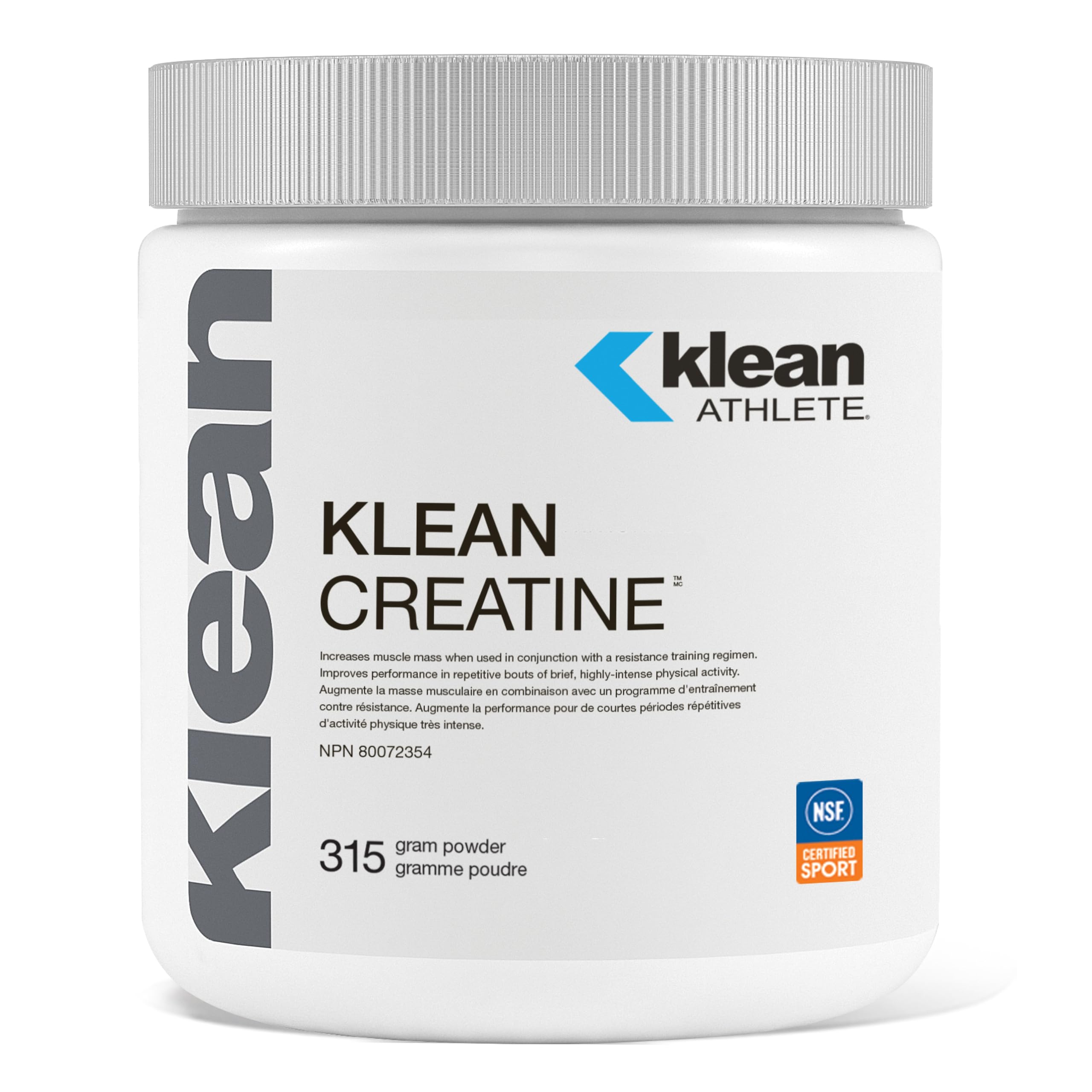
Many athletes prefer an NSF Certified for Sport creatine to reduce contamination risk.
Omega‑3s (EPA/DHA)
- Primary benefit: Reduces exercise‑induced soreness and supports inflammation resolution; may aid joint comfort in some athletes.
- How it works: EPA/DHA shift eicosanoid balance and help generate specialized pro‑resolving mediators (SPMs) that turn off the inflammatory response.
- Dose & timing: 1–3 g/day combined EPA+DHA with meals; consider higher end during heavy blocks (short‑term) with clinician guidance.
- Preferred forms: Reputable fish oil (triglyceride or ethyl‑ester), krill oil, or algae‑based DHA/EPA for plant‑based athletes.
- Evidence strength: Moderate; results vary by dose, baseline diet, and training load.
- Notes/limits: Check for freshness (peroxide/anisidine values) and third‑party testing to avoid oxidation/heavy metals.
Many people choose a third‑party‑tested fish oil delivering ~1 g EPA+DHA per serving.
Collagen (or Gelatin) + Vitamin C
- Primary benefit: Supports collagen synthesis in tendons/ligaments; may reduce joint discomfort and help during rehab.
- How it works: Provides glycine, proline, and hydroxyproline; vitamin C is a cofactor for collagen cross‑linking enzymes.
- Dose & timing: 10–15 g collagen or ~15 g gelatin + 50–100 mg vitamin C, 30–60 minutes before targeted loading (jump rope, isometrics, rehab exercises) 1–2x/day.
- Preferred forms: Hydrolyzed collagen peptides for solubility/digestion.
- Evidence strength: Moderate for tendon/ligament support in rehab settings; emerging for general soreness.
- Notes/limits: Not a complete protein; use in addition to, not instead of, high‑quality dietary protein.
Magnesium
- Primary benefit: Supports relaxation and sleep quality; may reduce cramps related to deficiency and help parasympathetic recovery.
- How it works: Involved in >300 enzymatic reactions, including ATP metabolism and GABAergic signaling.
- Dose & timing: 200–400 mg elemental magnesium in the evening.
- Preferred forms: Glycinate or bisglycinate (gentle on GI), citrate (more laxative), taurate (cardio support). Avoid oxide for poor absorption.
- Evidence strength: Moderate for sleep in those with low intake; limited for performance per se but supportive of recovery behaviors.
- Notes/limits: Can cause loose stools at higher doses; adjust form/dose accordingly.
Vitamin D
- Primary benefit: Muscle function, immune support, and potentially lower injury/illness risk when deficient.
- How it works: Vitamin D receptors in muscle and immune cells influence protein synthesis and immune modulation.
- Dose & timing: Common maintenance 1,000–2,000 IU/day; personalize to blood levels (target 25(OH)D typically ~30–50 ng/mL; follow clinician guidance).
- Preferred forms: D3 (cholecalciferol) with a meal containing fat.
- Evidence strength: Moderate when correcting deficiency; limited benefit if already sufficient.
- Notes/limits: Over‑supplementation risks hypercalcemia—test before you guess.
Tart Cherry (Concentrate or Extract)
- Primary benefit: Reduces DOMS and may improve sleep quality.
- How it works: Anthocyanins modulate COX pathways and oxidative stress; tart cherries naturally contain melatonin.
- Dose & timing: 240–480 mL/day of tart cherry juice or 500–1,000 mg/day of standardized extract; start 3–7 days before peak events and continue 2–3 days after.
- Preferred forms: Standardized concentrate or capsules with known anthocyanin content.
- Evidence strength: Moderate for soreness and sleep; individual response varies.
- Notes/limits: High juice intakes add sugar; consider extracts if managing carbohydrate.
A standardized tart cherry concentrate can be convenient during tournaments or stage races.
Curcumin/Curcuminoids
- Primary benefit: May reduce soreness and support inflammation control.
- How it works: Curcumin inhibits NF‑κB and COX‑2 signaling, pathways involved in inflammation.
- Dose & timing: 500–1,000 mg/day of curcuminoids with enhanced absorption (e.g., with piperine, phytosomal, or micellar forms), usually split doses with meals for 3–7 days around heavy training.
- Preferred forms: Phytosomal curcumin (e.g., Meriva‑type) or formulations with documented bioavailability.
- Evidence strength: Emerging to moderate for DOMS; heterogeneity across studies.
- Notes/limits: High chronic doses might theoretically blunt training adaptations; best used strategically around peak soreness periods.
Electrolytes and Carbohydrate Refeed Options
- Primary benefit: Faster rehydration and glycogen restoration; reduced cramping related to sodium loss; better next‑day readiness.
- How it works: Sodium aids fluid absorption; carbohydrate replenishes glycogen via GLUT‑4–mediated uptake.
- Dose & timing: Post‑exercise carbohydrate ~1.0–1.2 g/kg/hr for the first 2–4 hours after very hard sessions; sodium 300–600 mg per 500–700 mL (16–24 oz) to match sweat losses. Rehydrate with ~1.5 L per kg body mass lost.
- Preferred forms: Sports drinks, drink mixes, gels, real‑food carbs (rice, potatoes, fruit), and electrolyte tablets/powders.
- Evidence strength: Strong (sports nutrition consensus) for performance recovery between close‑together sessions.
- Notes/limits: Personalize by sweat rate and gut tolerance. See our guide to Electrolytes Beyond Sports Drinks.
L‑Glutamine (Special Case)
- Primary benefit: Supports gut barrier and immune function during heavy training or travel; limited direct effects on performance recovery.
- How it works: Primary fuel for enterocytes (gut lining) and immune cells; may help maintain gut integrity under stress.
- Dose & timing: 5–10 g once or twice daily during intense blocks or GI stress.
- Preferred forms: Free‑form powder/capsules.
- Evidence strength: Emerging for athlete‑specific recovery; more consistent for gut/immune support under stress.
- Notes/limits: Not a primary recovery driver compared to protein/carbs. Learn more in our piece on L‑Glutamine for Recovery and Gut Health.
Safety, Interactions, Testing, and Label Quality
General safety
- Protein: Usually safe; whey may trigger lactose sensitivity or acne in some. Choose plant blends if dairy‑sensitive.
- Creatine: Generally safe at 3–5 g/day in healthy adults. Discuss with a clinician if you have kidney disease or are on nephrotoxic meds.
- Omega‑3s: May increase bleeding tendency at high doses; caution with anticoagulants/antiplatelets.
- Collagen: Allergen potential (fish/shellfish/bovine). Not suitable for strict vegans.
- Magnesium: Diarrhea with citrate/oxide at higher doses; reduce dose or switch to glycinate.
- Vitamin D: Risk of hypercalcemia with high chronic intakes; test levels and follow medical advice.
- Tart cherry: Juice adds sugars; extracts may be preferable for glucose management.
- Curcumin: May interact with anticoagulants and gallbladder disease; piperine enhances absorption but can alter drug metabolism (CYP3A4, P‑gp).
- Electrolytes: High sodium is problematic for uncontrolled hypertension or kidney disease; individualize.
Drug/supplement interactions
- Anticoagulants/antiplatelets: Use caution with omega‑3s and curcumin.
- Diabetes meds: Carbohydrate refueling should be coordinated with medical guidance.
- Proton‑pump inhibitors and fat‑malabsorption: May affect vitamin D status.
Doping/contamination risk for tested athletes
- Choose products certified by NSF Certified for Sport, Informed Sport, or BSCG.
- Avoid proprietary blends that obscure exact doses.
- Be wary of “muscle‑building” or “fat‑burning” products with stimulant blends; these have higher contamination risk.
Quality markers on labels
- Third‑party testing seals (NSF, Informed Sport, USP, BSCG)
- Transparent dosing (no proprietary blends)
- For fish oil: Publish oxidation/heavy metal testing; prefer dark bottles, note expiration
- For plant proteins: Certificates showing low heavy metals
- For curcumin: Standardized curcuminoid content and bioavailability form
How to Use This Information: Sport‑Specific Playbooks
Strength/Power and Hypertrophy
- Priority stack (cost‑effective):
- Protein to 1.6–2.2 g/kg/day (2–3 g leucine/meal)
- Creatine monohydrate 3–5 g/day (Creatine Monohydrate)
- Carbs after high‑volume sessions (0.8–1.0 g/kg)
- Situational add‑ons:
- Collagen + vitamin C before tendon/ligament rehab or heavy connective‑tissue loading
- Magnesium in the evening to support sleep
- Tart cherry around test weeks if soreness disrupts training continuity
Endurance (Running, Cycling, Triathlon)
- Priority stack:
- Carbohydrate refeed 1.0–1.2 g/kg/hr for 2–4 hours after key sessions
- Electrolytes tailored to sweat losses (see our Electrolytes guide)
- 0.3–0.4 g/kg protein within 1–2 hours post‑workout
- Situational add‑ons:
- Omega‑3s during heavy mileage blocks
- Tart cherry for stage races or back‑to‑back hard days
- Curcumin for targeted DOMS relief (short courses)
Team and Court/Field Sports
- Priority stack:
- Post‑practice recovery shake (25–40 g protein + 30–60 g carbs)
- Electrolytes during hot practices/games
- Creatine for repeat sprint ability and some recovery markers
- Situational add‑ons:
- Collagen during times of high cutting/jumping loads
- Magnesium for sleep on travel days
Masters Athletes (40+)
- Increase per‑meal protein to ~0.4 g/kg to overcome anabolic resistance
- Consider creatine and collagen support
- Check vitamin D status, especially in winter
Plant‑Based Athletes
- Use leucine‑fortified plant blends or pairings (pea + rice) to hit ~2.5–3 g leucine/meal
- Consider algae‑based EPA/DHA
- Creatine can be especially helpful for those not consuming meat/fish
Timing and Sequencing Cheat Sheet
- 0–4 hours post‑workout: Fluids/electrolytes, carbs (1.0–1.2 g/kg/hr after key sessions), protein 0.3–0.4 g/kg, optional creatine with carbs
- Same day evening: Magnesium; tart cherry or curcumin if soreness is disruptive
- Rehab sessions: Collagen/gelatin + vitamin C 30–60 minutes beforehand, followed by targeted loading
- Daily: Vitamin D (if needed), omega‑3s with meals
Budget Priorities (High ROI → Nice‑to‑Have)
- Tier 1: Protein to daily target; carbs after hard sessions; electrolytes to match sweat; creatine monohydrate
- Tier 2: Magnesium for sleep; tart cherry for heavy blocks; omega‑3s (especially if fish intake is low)
- Tier 3: Collagen + vitamin C for connective tissue focus; curcumin for targeted soreness; vitamin D if deficient
Don’t Forget Non‑Supplement Recovery Tools
- Sleep 7–9 hours, consistent schedule, and a wind‑down routine
- Periodized training and deloads; technique and strength fundamentals
- Massage and manual therapy can help perceived recovery and range of motion for some athletes; see our guide to Massage Therapy for Athletes
- Gentle mobility, walking, and nutrition within your usual diet pattern
When to Seek Professional Advice
- You take prescription medications (anticoagulants, diabetes meds, SSRIs, etc.)
- You have kidney, liver, gallbladder, cardiovascular, or metabolic disease
- You’re pregnant or breastfeeding
- You’ve had recurrent injuries, RED‑S symptoms, or unexplained fatigue
- You want lab‑guided vitamin D or ferritin optimization
- You’re a tested athlete needing vetted, certified products
This information is for educational purposes and should not replace personalized medical or dietetic care. If in doubt, consult a sports RD or sports medicine clinician.