L‑Glutamine for Recovery and Gut Health: Inside the Gut–Muscle Axis
Glutamine sits at the crossroads of muscle, gut, and immune function. Here’s what research says about its role in athletic recovery, gut barrier integrity, immune health in athletes, burn/trauma care, and IBS—with a bridge to the traditional bone broth perspective.
·10 min read
This content is for informational purposes only and does not constitute medical advice. Always consult a qualified healthcare provider before starting, stopping, or changing any supplement or medication regimen.
Overview
L‑glutamine is the most abundant free amino acid in human blood and skeletal muscle. During intense training or illness, the body’s demand for glutamine rises as muscles, the gut lining, and immune cells all compete for it. Research suggests glutamine may help support recovery by aiding gut barrier integrity and certain immune functions under stress, with more mixed findings for direct performance gains or muscle protein synthesis. This article examines evidence across athletic recovery, gut health (including IBS), immune function in athletes, and severe burn/trauma, and connects Western data with traditional perspectives like bone broth.
Key Points at a Glance
Glutamine is a central fuel for the gut lining and immune cells and a major nitrogen shuttle from muscle (Evidence: strong).
For athletes, glutamine may help maintain gut barrier integrity during heat or endurance stress and may modestly influence some immune markers; effects on illness risk are mixed (Evidence: moderate for gut barrier; mixed/limited for infection risk).
Direct effects on strength, power, or muscle protein synthesis are inconsistent, though some studies report lower muscle soreness or damage markers after strenuous exercise (Evidence: emerging to moderate, outcome‑dependent).
In severe burns/trauma, parenteral or enteral glutamine in clinical nutrition has been associated with fewer infections and shorter hospital stays in several meta‑analyses, though results vary by clinical context and dose; high‑dose use in multiorgan failure has shown harm (Evidence: moderate overall; context‑dependent with safety signals in specific ICU settings).
In IBS, especially post‑infectious IBS with increased intestinal permeability, one RCT found symptom improvement with glutamine versus placebo (Evidence: moderate for PI‑IBS; emerging for broader IBS phenotypes).
Traditional preparations like bone broth, long valued for convalescence, supply glutamine‑rich amino acids and collagen‑derived peptides that may support the gut–muscle axis (Evidence: traditional with mechanistic plausibility).
What Makes Glutamine So Abundant?
Glutamine forms a metabolic crossroads for muscle, gut, and immune systems. Skeletal muscle synthesizes and releases large amounts of glutamine into the bloodstream via glutamine synthetase, distributing nitrogen to other tissues that need it during stress. The gut epithelium and activated immune cells preferentially use glutamine as a primary fuel and as a precursor for nucleotides and the antioxidant glutathione. The kidney also uses glutamine for acid–base regulation through ammoniagenesis. Together, these roles explain why glutamine is the most abundant free amino acid in plasma and muscle and why levels often fall during prolonged exercise or trauma (Evidence: strong; supported by decades of biochemical and physiological research and narrative reviews).
Glutamine and Muscle Recovery: What Does Training Science Show?
Muscle protein synthesis (MPS): Stable isotope tracer studies in healthy adults indicate that glutamine alone does not robustly increase MPS or net muscle anabolism compared with adequate protein or essential amino acids (Evidence: strong for “no direct MPS boost” in well‑nourished individuals; e.g., infusion/supplement studies have not shown consistent MPS increases).
Soreness and muscle damage: Small randomized trials in resistance or eccentric exercise sometimes report lower perceived soreness and/or lower creatine kinase with glutamine versus placebo, but findings are heterogeneous across protocols and populations (Evidence: emerging to moderate; small RCTs with variable outcomes).
Glycogen resynthesis: Early studies reported that adding glutamine to carbohydrate after glycogen‑depleting exercise increased whole‑body carbohydrate storage or enhanced glycogen repletion, though subsequent work has been mixed and often shows modest effects at best (Evidence: emerging; heterogeneous trial data).
Bottom line for training: Research suggests glutamine is not a substitute for total protein or carbohydrate in recovery. Any benefit for muscle soreness or glycogen repletion appears context‑dependent and generally modest (Evidence: moderate to emerging, depending on the outcome).
Gut Barrier Integrity Under Stress: The Athlete’s “Leaky Gut” Problem
Endurance and heat stress can compromise intestinal tight junctions, allowing bacterial products (like LPS) to enter circulation and contribute to gastrointestinal distress and systemic inflammation—sometimes called exercise‑induced gastrointestinal syndrome. Glutamine is the preferred fuel for enterocytes and is involved in tight junction protein expression and redox balance.
Randomized trials in hot or strenuous exercise settings have reported that glutamine reduced exercise‑induced increases in intestinal permeability (e.g., lower lactulose:rhamnose ratios) and blunted heat‑shock and inflammatory responses compared with placebo (Evidence: moderate; RCTs in heat/exertional stress such as Zuhl et al., 2014, J Appl Physiol; additional supportive trials in endurance protocols).
Systematic reviews of nutritional strategies for exercise‑associated GI syndrome list glutamine among promising options for supporting barrier function, while noting that real‑world symptom improvements vary and that studies differ in design and dosing (Evidence: moderate; narrative/systematic reviews in sports nutrition and GI physiology).
Immune Function in Athletes: Modest Effects, Mixed Findings
The “glutamine hypothesis” in sports immunology proposed that post‑exercise drops in plasma glutamine contribute to transient immune suppression and upper‑respiratory symptoms. Evidence is mixed:
Some double‑blind trials in marathon/ultra‑endurance settings reported fewer self‑reported infections in athletes receiving glutamine versus placebo in the weeks after competition (Evidence: emerging to moderate; classic RCTs such as Castell & Newsholme, late 1990s).
Other RCTs found no effect on infection incidence or on key immune cell functions (Evidence: mixed; e.g., Krzywkowski et al., 2001 RCT showed no benefit).
Reviews conclude that glutamine may modulate certain immune markers under heavy training but that consistent reductions in illness risk are not established (Evidence: moderate for biomarker modulation; limited for clinical infection outcomes; see sports immunology reviews by Gleeson and colleagues).
The Gut–Muscle Axis: Why One Nutrient Touches Two Systems
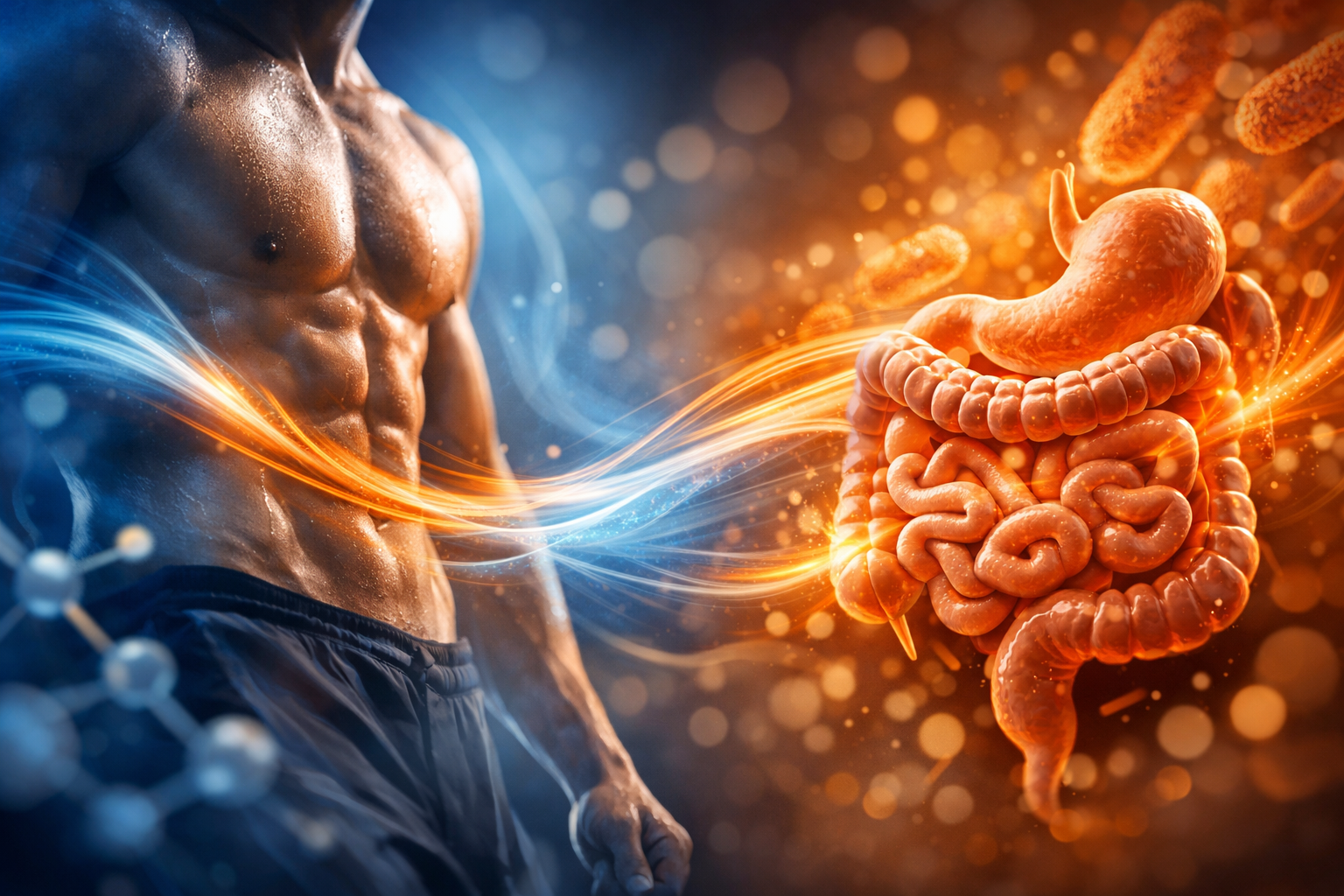
The gut and skeletal muscle communicate bidirectionally through nutrient flow, immune signaling, and microbial metabolites. When the gut barrier is strained by heat, dehydration, or ischemia during long efforts, endotoxin leakage can increase systemic inflammation, potentially impairing recovery and performance. Muscles, in turn, act as a glutamine reservoir, releasing the amino acid to support the gut lining and immune response during stress. Research suggests glutamine sits at the center of this axis by:
Fueling enterocytes and maintaining tight junction proteins (Evidence: strong in cellular and animal models; moderate in human trials under stress).
Supporting lymphocyte and macrophage function during training blocks (Evidence: moderate for immune cell metabolism; mixed for clinical outcomes).
Contributing to glutathione synthesis and redox control, which may influence recovery from oxidative stress (Evidence: moderate for mechanism; mixed for performance outcomes).
Severe Burn/Trauma: Clinical Nutrition Evidence and Important Cautions
Outside of sport, glutamine has been extensively studied in patients with severe burns or trauma, where catabolic stress is extreme and gut barrier integrity is threatened.
Meta‑analyses of parenteral or enteral nutrition supplemented with glutamine in burn/trauma cohorts have reported fewer infectious complications and shorter hospital stays compared with isonitrogenous controls (Evidence: moderate; multiple systematic reviews and meta‑analyses through the 2010s generally supportive, especially in burns).
However, in critically ill ICU patients with multiorgan failure and shock, the REDOXS trial (NEJM, 2013) reported increased mortality with high‑dose glutamine and antioxidants (Evidence: strong for harm in this specific population/context). This underscores that findings in severe stress differ by dose, route (parenteral vs enteral), organ function, and timing.
Implication for athletes: These clinical data highlight glutamine’s role in gut and immune support during extreme catabolic stress but cannot be directly extrapolated to healthy, exercising individuals (Evidence translation: limited).
Irritable Bowel Syndrome (IBS) and GI Applications
Post‑infectious IBS with increased permeability: A double‑blind RCT in adults with post‑infectious IBS and documented “leaky gut” found that glutamine significantly improved global IBS symptom severity scores and reduced intestinal permeability markers compared with placebo (Zhou et al., 2019, Clin Gastroenterol Hepatol) (Evidence: moderate for this subgroup).
Other IBS phenotypes: Evidence is limited and mixed; some small studies in chemotherapy‑induced mucositis or HIV‑related enteropathy suggest symptomatic benefits, but robust trials are lacking for general IBS‑D or IBS‑M populations (Evidence: emerging).
Bridging to Tradition: Bone Broth and Convalescence
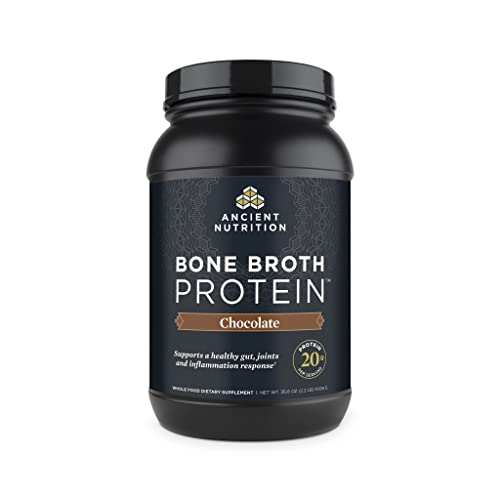
Across East Asian, Mediterranean, and Latin American healing traditions, slow‑simmered bone broths have been used for recovery from illness and strenuous labor. Bone broth and long‑cooked stocks supply amino acids such as glutamic acid (a precursor that cells can convert to glutamine), glycine, and proline, alongside collagen‑derived peptides and minerals. From a modern lens, these components may support:
Gut lining energy needs via glutamine/glutamate and amino acids (Evidence: traditional; mechanistic plausibility from enterocyte fuel preferences).
Connective tissue remodeling via collagen peptides and glycine (Evidence: emerging to moderate from collagen peptide RCTs on joint/tendon outcomes; indirect for broth specifically).
While the exact glutamine content of home broths varies with ingredients and cooking time, the convergence of traditional use with contemporary gut–muscle axis science is notable (Evidence: traditional with emerging mechanistic support).
Safety and Context
Exercise and general wellness: Trials in healthy athletes typically report good short‑term tolerance, though GI upset can occur in some individuals (Evidence: moderate for tolerability in athletes).
Critical illness: High‑dose glutamine in patients with multiorgan failure has been associated with harm (REDOXS, 2013) (Evidence: strong for this context). Athletic supplementation practices should not be extrapolated to ICU settings.
Individual variability: Responses likely depend on training load, heat stress, nutritional status, and baseline gut health (Evidence: emerging; interindividual variability is common in sports nutrition).
Bottom Line
For athletes, research suggests glutamine may help maintain gut barrier integrity during heat or endurance stress and may modestly influence certain immune markers during heavy training (Evidence: moderate). Its effects on actual illness risk and direct performance gains are mixed (Evidence: limited to emerging).
Glutamine does not reliably increase muscle protein synthesis beyond what adequate protein already provides, though some studies report less soreness or muscle damage markers after hard efforts (Evidence: strong for no direct MPS effect; emerging to moderate for soreness/damage outcomes).
In severe burn/trauma, clinical nutrition trials suggest benefits on infections and hospital stay, but results depend on clinical context; high‑dose use in multiorgan failure has shown harm (Evidence: moderate with important safety caveats).
In IBS, especially post‑infectious IBS with increased permeability, one well‑designed RCT found symptom and permeability improvements (Evidence: moderate for that subgroup).
Traditional bone broth aligns with modern mechanisms by providing glutamine‑related amino acids and collagen peptides that may support the gut–muscle axis (Evidence: traditional with mechanistic plausibility).
As with most nutrition strategies, context matters. Glutamine’s most consistent strengths appear at the interface of gut barrier support and immune metabolism during physiological or clinical stress, rather than as a direct muscle‑building aid in otherwise well‑nourished individuals.
This content is for informational purposes only and does not constitute medical advice. Always consult a qualified healthcare provider before starting, stopping, or changing any supplement or medication regimen.
L-Glutamine. Glutamine. ## L-Glutamine Overview
**L-glutamine** is a conditionally essential amino acid that plays a central role in human metabolism. Under typical conditions, the body can synthesize enough glutamine to meet its needs, but during periods of physiological stress—such as severe illness, injury, intense exe
## Why target the gut during hard training?
Long runs, races in the heat, and high‑intensity sessions can challenge the gastrointestinal (GI) tract as much as the legs. Reduced blood flow to the gut,
Muscle Growth and Essential Amino Acids (EAAs). Muscle growth depends on building new muscle proteins faster than they are broken down. Essential amino acids (EAAs) are the indispensable building blocks the body cannot make on its own, and they directly drive muscle protein synthesis (MPS). Among them, leucine is especially notable for activating
Glutathione. . ## Glutathione Overview
**Glutathione** is a small molecule made from three amino acids—glutamate, cysteine, and glycine—and is often described as the body’s **master antioxidant**. It is produced naturally inside cells and plays a central role in protecting tissues from **oxidative stress**, helpi
Best Supplements for Athletic Recovery: An Evidence‑Based Guide to What Works, Dosage & Safety. If you’re training hard and still waking up sore, the question becomes: which are the best supplements for athletic recovery, and when do they actually help beyond food, sleep, and smart programming? Research suggests the biggest wins come from getting the fundamentals right—adequate protein and car
Best Digestive Health Supplements: Probiotics, Enzymes, L‑Glutamine, and What the Evidence Says. If you’re wrestling with bloating, gas, constipation, reflux, or irritable bowel syndrome (IBS), it’s natural to search for the best digestive health supplements. Research suggests some supplements can meaningfully support digestion, while others are overhyped. This guide compares top options—probio