Autoimmunity and the Gut Connection: What the Science (and Traditions) Suggest
An evidence-based look at how the gut may shape autoimmune risk and symptoms—covering mechanisms like molecular mimicry, microbiome diversity, anti-inflammatory diets (including AIP), and traditional perspectives from TCM and Ayurveda.
·10 min read
This content is for informational purposes only and does not constitute medical advice. Always consult a qualified healthcare provider before starting, stopping, or changing any supplement or medication regimen.
Introduction
Autoimmune diseases arise when the immune system misidentifies the body’s own tissues as foreign. Over the past decade, research suggests the gut—its barrier, microbes, and immune crosstalk—may shape autoimmune risk and symptom activity in conditions such as rheumatoid arthritis (RA), multiple sclerosis (MS), type 1 diabetes (T1D), and Hashimoto’s thyroiditis. This article explores core mechanisms (molecular mimicry, barrier dysfunction, the “hygiene hypothesis” update), what is known about microbiome diversity, condition-specific links, anti-inflammatory dietary patterns (including the Autoimmune Protocol, AIP), and how traditional systems frame autoimmunity.
How the Gut Talks to the Immune System
The intestinal lining forms a selective barrier while immune cells constantly sample microbial and dietary signals. Short-chain fatty acids (SCFAs) produced when microbes ferment fiber may support regulatory T cells (Tregs) and anti-inflammatory pathways. Experimental research suggests SCFAs can modulate Tregs and help maintain immune tolerance, an effect relevant to autoimmunity, although direct clinical translation remains in progress (evidence: strong for mechanism; emerging-to-moderate for clinical relevance). [Arpaia et al., Nature 2013; Koh et al., Cell 2016]
Intestinal permeability is another piece. Elevated markers such as zonulin and functional assessments of “leaky gut” have been reported in several autoimmune conditions. Reviews suggest that barrier disruption may allow luminal antigens to stimulate systemic immune responses, potentially contributing to loss of tolerance (evidence: moderate). [Fasano, Physiol Rev 2012]
Mechanisms That May Link the Gut to Autoimmunity
Molecular mimicry: Microbial proteins can resemble human proteins closely enough that immune responses cross-react. Classic examples include Campylobacter jejuni and Guillain–Barré syndrome; in the endocrine realm, in vitro and observational studies report cross-reactivity between Yersinia enterocolitica antigens and thyroid tissue, relevant to autoimmune thyroid disease. Causality in most autoimmune conditions remains unproven, but the mechanism is biologically plausible and supported experimentally (evidence: strong for mechanism; emerging for disease-specific causation). [Cusick et al., Autoimmun Rev 2012]
Barrier dysfunction: When tight junctions loosen, microbial products may enter circulation, priming autoreactivity in genetically susceptible individuals (evidence: moderate). [Fasano, Physiol Rev 2012]
Hygiene hypothesis, updated: The “old friends” framework proposes that reduced early-life exposure to diverse microbes (due to urbanization, sanitation, antibiotics) may impair immune education and regulatory pathways, increasing risk for allergic and autoimmune disease. Observational and ecological data support the concept, while interventional trials (e.g., helminth therapy) have yielded mixed results (evidence: moderate for association; emerging for effective interventions). [Rook, Immunology 2012; Bloomfield et al., Perspect Public Health 2016]
Microbiome Diversity and Autoimmune Risk
Across multiple autoimmune conditions, studies report altered gut microbiota composition and reduced diversity—though findings vary and causality is not established. In RA, MS, and T1D, systematic reviews and cohort studies have identified shifts toward pro-inflammatory taxa and reductions in SCFA producers. Transplantation and colonization experiments in animal models lend plausibility by showing that microbiota from affected patients can modify disease activity in hosts (evidence: moderate overall; strong for association in some conditions, emerging for causality). [Zhang et al., Nat Med 2015 (RA); Jangi et al., Nat Commun 2016 (MS); Cekanaviciute et al., PNAS 2017 (MS mechanistic transfer); Kostic et al., Cell Host Microbe 2015 (T1D risk cohorts)]
Condition Snapshots: What’s Known So Far
Rheumatoid arthritis (RA): New-onset, untreated RA has been associated with expansions of Prevotella copri and community shifts that correlate with disease activity. Oral–gut mucosal immune activation and microbial metabolites have been implicated in Th17-skewed responses (evidence: moderate). [Scher et al., eLife 2013; Zhang et al., Nat Med 2015]
Multiple sclerosis (MS): Studies report increased Akkermansia and Methanobrevibacter and reduced butyrate-producing bacteria in MS. In mechanistic experiments, microbiota from MS patients transferred to mice may exacerbate neuroinflammation, suggesting a causal contribution of gut signals in susceptible hosts (evidence: moderate, with strong preclinical support). [Jangi et al., Nat Commun 2016; Cekanaviciute et al., PNAS 2017]
Type 1 diabetes (T1D): Prospective birth cohorts following genetically at-risk infants report microbiome changes preceding islet autoimmunity, including decreased diversity and shifts toward specific taxa (e.g., Bacteroides species in some populations). Increased intestinal permeability has also been observed in T1D (evidence: moderate). [Kostic et al., Cell Host Microbe 2015; Bosi et al., Diabetes 2006]
Hashimoto’s thyroiditis: Reviews and small clinical studies report dysbiosis and possible increased permeability among individuals with autoimmune thyroid disease. Molecular mimicry with Yersinia species has been hypothesized, but evidence in humans remains preliminary (evidence: emerging). [Virili & Centanni, Rev Endocr Metab Disord 2015]
Anti-Inflammatory Dietary Patterns and the AIP Protocol
Dietary patterns that support microbial diversity and dampen inflammation may help symptom control and inflammatory markers in some autoimmune conditions. While diet is not a cure, research suggests nutrition can be a meaningful adjunct.
Mediterranean-style patterns: Systematic reviews and controlled trials in inflammatory diseases, including RA, generally report modest improvements in pain and inflammatory markers, potentially mediated by fiber, polyphenols, and unsaturated fats that support SCFA production and reduce oxidative stress (evidence: moderate). [Forsyth et al., Nutrients 2018 (systematic review of diet and RA activity); Sköldstam et al., Ann Rheum Dis 2003 (controlled trial)]
Whole-food, anti-inflammatory frameworks: Emphasis on diverse plants, omega-3–rich seafood, minimally processed foods, and probiotics and fermented foods may enhance microbial diversity and barrier-supportive metabolites. Clinical trials across autoimmune diseases remain limited but align with mechanistic pathways (evidence: emerging-to-moderate). [Koh et al., Cell 2016]
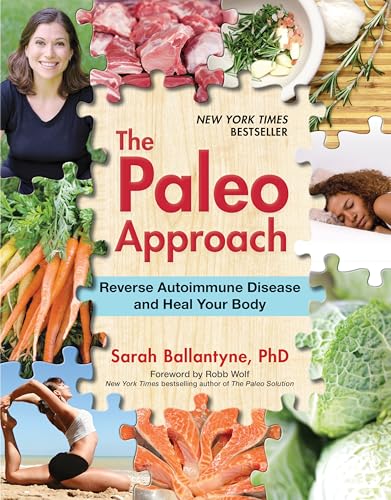
Autoimmune Protocol (AIP): The AIP is an elimination-and-reintroduction framework that removes potential dietary triggers (e.g., certain grains, legumes, dairy, and other categories) and prioritizes nutrient-dense whole foods. Early clinical investigations in inflammatory bowel disease (IBD) reported improvements in disease activity and quality of life during short-term programs, though these studies were small and uncontrolled. Limited pilot data in Hashimoto’s suggest symptom benefits but no definitive changes in thyroid autoantibodies within the study periods (evidence: emerging). [Konijeti et al., Inflamm Bowel Dis 2017 (uncontrolled trial in IBD); pilot programs in autoimmune thyroid disease reported patient-reported improvements without controls]
Important caveats: Many dietary trials are small, heterogeneous, and not disease-specific. Elimination protocols may reduce dietary variety if not carefully planned, which can impact the microbiome. Reintroduction phases and personalization are central to evaluating tolerance and maintaining diversity (evidence: emerging).
Traditional Medicine Perspectives: Convergences with Modern Mechanisms
Traditional Chinese Medicine (TCM): Autoimmunity is often framed as internal disharmony—imbalances among organ systems (e.g., Spleen for transformation/transport, Liver for smooth flow of Qi) with “dampness” or “heat” contributing to inflammation. TCM approaches aim to harmonize these patterns through acupuncture, botanicals, and dietary therapy. Emerging research suggests certain TCM formulations may modulate inflammatory cytokines, Treg/Th17 balance, and barrier integrity in preclinical and small clinical studies, aligning with modern concepts of gut–immune regulation (evidence: emerging; traditional). [Modern reviews of TCM immunomodulation indicate potential effects on T cell polarization and mucosal immunity]
Ayurveda: Autoimmune illness is linked to ama (accumulated, incompletely metabolized substances) and impaired agni (digestive fire). Therapies target digestion, elimination, and tissue nourishment, often employing tailored dietary regimens, botanicals, and cleansing practices (e.g., Panchakarma). Early human studies report improvements in inflammatory markers and quality of life after structured Ayurvedic programs, though rigorous randomized trials specific to autoimmunity are limited (evidence: emerging; traditional). [Preliminary clinical reports describe reductions in inflammatory markers following integrative Ayurvedic programs]
These traditional models emphasize digestion, internal balance, and individualized care—concepts that converge with contemporary interests in gut barrier function, microbial diversity, and immune tolerance.
What This Means Practically
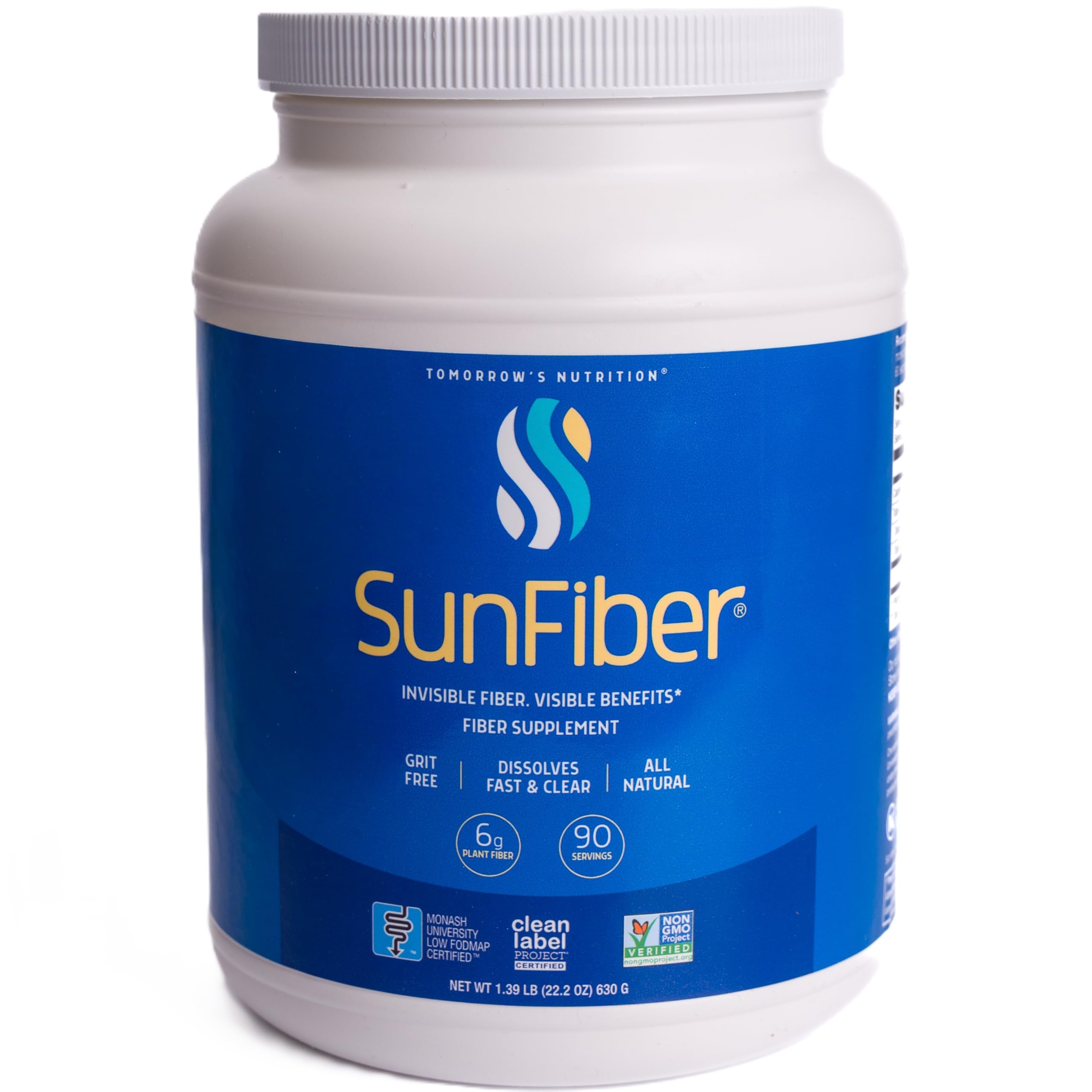
Diversity matters: Research suggests that a diverse, fiber-rich dietary pattern may support beneficial microbial metabolites linked to immune regulation (evidence: moderate for mechanism; emerging for disease-specific outcomes).
Gentle on the barrier: Patterns that reduce ultra-processed foods and emphasize whole foods may support mucosal integrity and reduce pro-inflammatory signaling (evidence: emerging-to-moderate).
Personalization is key: Responses vary by individual, diagnosis, genetics, medications, and baseline microbiome. Elimination frameworks like AIP may help some people identify triggers, but professional guidance and careful reintroduction are important to maintain nutritional adequacy and microbial diversity (evidence: emerging).
Bottom Line
The gut–autoimmunity connection is supported by converging lines of evidence: mechanistic work on SCFAs and barrier integrity, associations between dysbiosis and autoimmune diseases, and pilot diet studies showing symptom and biomarker shifts. Most findings are associative, and causality is still being clarified (overall evidence: moderate).
Mechanisms such as molecular mimicry, barrier dysfunction, and reduced early-life microbial exposures (“old friends” hypothesis) may contribute to loss of immune tolerance in susceptible people (evidence: strong for mechanisms; moderate-to-emerging for disease-specific causation).
In RA, MS, T1D, and Hashimoto’s, altered microbiota and potential barrier changes are repeatedly reported, but robust, long-term interventional trials are needed (evidence: moderate for association; emerging for intervention efficacy).
Anti-inflammatory dietary patterns—including Mediterranean-style eating and, for some, structured elimination-and-reintroduction frameworks like AIP—may help with symptoms and inflammatory markers, though evidence remains preliminary and heterogeneous (evidence: moderate for Mediterranean in inflammatory conditions; emerging for AIP).
Traditional systems such as TCM and Ayurveda conceptualize autoimmunity as internal disharmony linked to digestive imbalance. Their emphasis on restoring balance and digestive health aligns with modern interests in microbiome and mucosal integrity, but high-quality clinical trials are still limited (evidence: emerging; traditional).
Selected References
Arpaia N et al. Metabolites enable T-regulatory cell-mediated immunoregulation. Nature. 2013.
Koh A et al. From Dietary Fiber to Host Physiology: Short-Chain Fatty Acids as Key Bacterial Metabolites. Cell. 2016.
Fasano A. Leaky gut and autoimmune diseases. Physiol Rev. 2012.
Rook GA. Hygiene hypothesis and autoimmune disease. Immunology. 2012.
Bloomfield SF et al. Time to abandon the hygiene hypothesis. Perspect Public Health. 2016.
Scher JU et al. Expansion of Prevotella copri correlates with enhanced susceptibility to arthritis. eLife. 2013.
Zhang X et al. The oral and gut microbiomes are perturbed in rheumatoid arthritis. Nat Med. 2015.
Jangi S et al. Alterations of the human gut microbiome in multiple sclerosis. Nat Commun. 2016.
Cekanaviciute E et al. Gut bacteria from multiple sclerosis patients modulate human T cells and exacerbate symptoms in mouse models. PNAS. 2017.
Kostic AD et al. The dynamics of the human infant gut microbiome in development and in progression toward type 1 diabetes. Cell Host Microbe. 2015.
Bosi E et al. Increased intestinal permeability in type 1 diabetes. Diabetes. 2006.
Virili C, Centanni M. “With a little help from my friends”—The role of microbiota in thyroid hormone metabolism and enterohepatic recycling. Rev Endocr Metab Disord. 2015.
Konijeti FA et al. Efficacy of the Autoimmune Protocol Diet for Inflammatory Bowel Disease. Inflamm Bowel Dis. 2017.
Forsyth C et al. Systematic review of dietary interventions in rheumatoid arthritis. Nutrients. 2018; Sköldstam L et al., Ann Rheum Dis. 2003.
This content is for informational purposes only and does not constitute medical advice. Always consult a qualified healthcare provider before starting, stopping, or changing any supplement or medication regimen.
Overview
[Hashimoto’s thyroiditis](/relates/autoimmune-disease-and-thyroid-disease)—the most common cause of [hypothyroidism](/compare/thyroid-disorders) in many countries—is an autoimmune condition i
Autoimmune Disease. . ## Overview
**Autoimmune disease** refers to a broad group of conditions in which the immune system mistakenly targets the body’s own tissues. Rather than responding only to infections or harmful foreign substances, immune cells, antibodies, and inflammatory signals react against organs, joints, gl
Autoimmune diseases and thyroid disease intersect frequently because autoimmune thyroid diseases (AITD)—primarily Hashimoto’s thyroiditis and Graves’ disease—are among the most common organ‑specific a
Autoimmune Protocol. Paleo autoimmune protocol, AIP diet, AIP, Autoimmune Protocol (AIP). ## Overview
The **Autoimmune Protocol (AIP)** is a structured dietary approach derived from the broader **Paleolithic-style elimination diet**. It is designed to temporarily remove foods commonly discussed as potential triggers of immune activation, digestive irritation, or symptom flares in people
Gut-Brain Axis. GBA, Gut-Brain Connection. ## Gut-Brain Axis Overview
The **gut-brain axis** refers to the complex, bidirectional communication network linking the **gastrointestinal tract**, the **central nervous system**, and a wider set of hormonal, immune, and metabolic signaling pathways. Rather than a single structure, it is a functio
Introduction
“Leaky gut” is a popular phrase for a real physiologic phenomenon: increased intestinal permeability. The gut barrier is not a concrete wall; it is a living interface that selectively all