Digestive Enzymes and Food Intolerance: What Actually Helps vs. Hype
Targeted digestive enzymes can help specific intolerances—lactase for lactose and alpha-galactosidase for bean-related gas—while broad blends and betaine HCl have limited evidence. Prescription pancreatic enzymes are effective for true pancreatic insufficiency. Traditional aids like ginger, bitters, and CCF tea may complement modern strategies.
·10 min read
This content is for informational purposes only and does not constitute medical advice. Always consult a qualified healthcare provider before starting, stopping, or changing any supplement or medication regimen.
Digestive Enzymes and Food Intolerance: What Actually Helps vs. Hype
Food-related discomfort—bloating, gas, cramping—often gets labeled as “intolerance,” and enzyme supplements are commonly marketed as the fix. The reality is more nuanced. Research suggests targeted enzymes may help in specific situations, while broad-spectrum blends often outpace the evidence. This guide clarifies where enzymes shine, where the data are thin, and how traditional approaches fit alongside modern science.
Key context: Food intolerance is not the same as food allergy. Intolerance relates to difficulty digesting components of food (for example, lactose or certain fibers), whereas allergies involve an immune response. Enzymes may help with intolerance by breaking down problem compounds before they trigger symptoms. They do not treat food allergies or celiac disease (Evidence: strong).
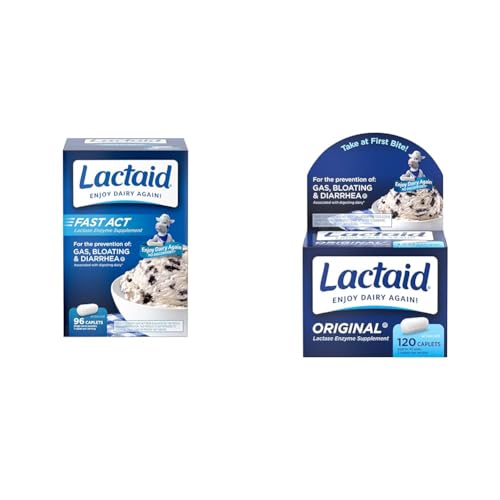
What research suggests: Lactase added to dairy or taken at the time of consumption improves lactose digestion and may reduce symptoms in lactose-intolerant individuals (Evidence: strong).
Highlights from studies: A European Food Safety Authority opinion concluded a cause-and-effect relationship between lactase use and improved lactose digestion in those with lactose maldigestion. Randomized, crossover trials have reported reduced breath hydrogen and fewer symptoms when lactase is used with dairy compared to placebo.
What it’s not: A cure for milk protein allergy or for celiac disease (Evidence: strong).
Alpha-galactosidase for gas from beans and high-FODMAP meals
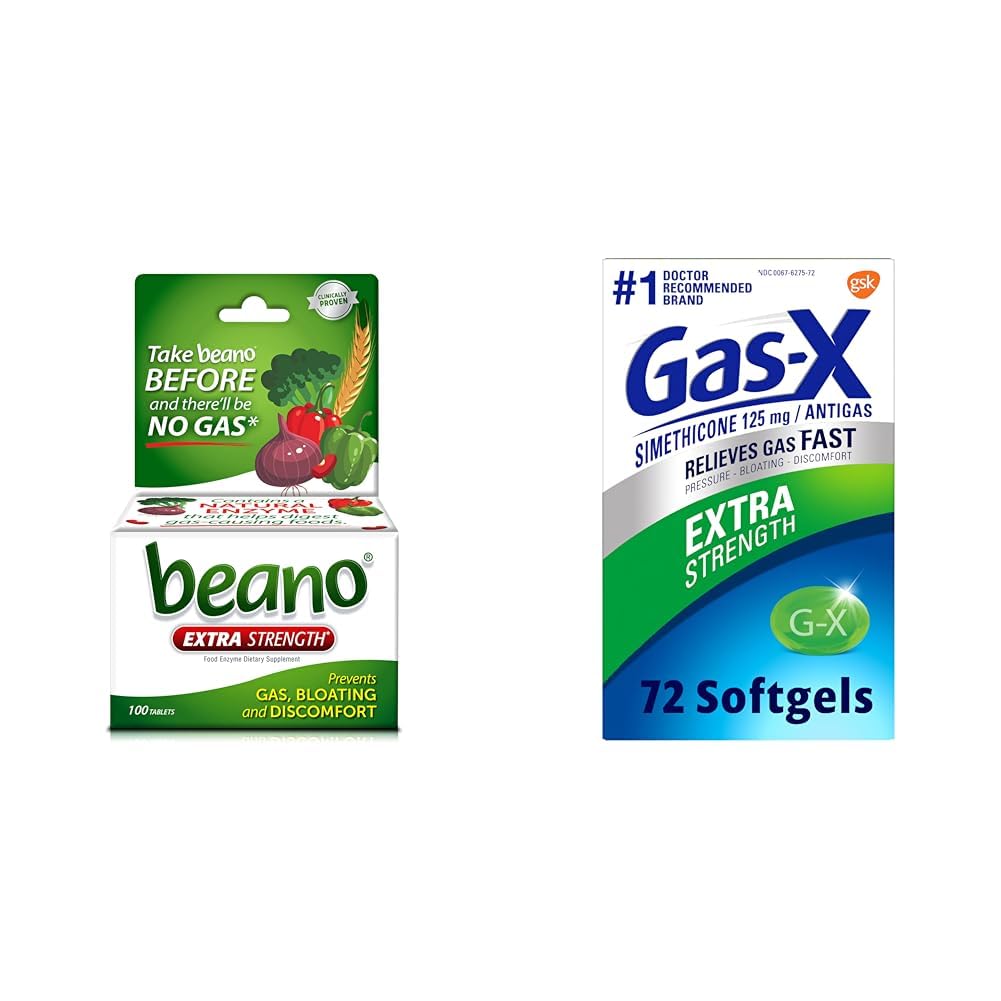
What research suggests: Small randomized, placebo-controlled trials report less intestinal gas and fewer symptoms when alpha-galactosidase is taken with meals rich in fermentable oligosaccharides (Evidence: moderate).
Use case: People who reliably experience gas after beans or certain cruciferous vegetables may notice less bloating and flatulence with targeted enzyme support (Evidence: moderate).
Pancreatic enzyme replacement for pancreatic insufficiency
When the pancreas does not secrete enough digestive enzymes (exocrine pancreatic insufficiency, EPI), fat and protein are malabsorbed, leading to steatorrhea, weight loss, and nutrient deficiencies. Causes include chronic pancreatitis, cystic fibrosis, pancreatic cancer, or pancreatic surgery.
What research suggests: Prescription pancreatic enzyme replacement therapy (PERT), formulated to survive stomach acid, improves fat absorption, stool consistency, and nutrition markers in EPI (Evidence: strong).
Clinical consensus: Gastroenterology guidelines and Cochrane reviews support PERT as standard of care for EPI. Over-the-counter blends are not substitutes for prescription PERT in this context (Evidence: strong).
Where marketing outpaces the evidence
Broad “multi-enzyme” blends for nonspecific bloating
OTC products often combine proteases, amylases, lipases, cellulases, and more, claiming broad relief from bloating or “food intolerances.”
What research suggests: Evidence for generalized symptom relief in otherwise healthy adults with nonspecific bloating is limited and heterogeneous. Benefits, when reported, are often tied to specific substrates (for example, lactose or bean oligosaccharides) rather than to “everything” (Evidence: emerging).
Practical takeaway: Matching the enzyme to the problem compound (for example, lactase for lactose) is more evidence-aligned than using broad blends for all discomfort (Evidence: moderate).
Enzymes for gluten or food allergy
Products that “digest gluten” do not prevent celiac disease–related intestinal damage or replace a strict gluten-free diet. Enzymes also do not prevent or treat IgE-mediated food allergies.
What research suggests: Experimental enzymes can break down some gluten peptides in vitro, but do not reliably neutralize immunogenic epitopes under normal eating conditions. Consensus guidelines warn against using enzymes to liberalize gluten in celiac disease or to prevent food-allergic reactions (Evidence: strong).
Do enzyme outputs decline with age?
Aging is associated with physiological changes in digestion, but the picture is nuanced.
Pancreas: Some studies show modest declines in exocrine secretory capacity with age, but clinically significant pancreatic insufficiency from aging alone appears uncommon in otherwise healthy adults (Evidence: moderate). Conditions that become more prevalent with age—such as chronic pancreatitis, diabetes, or pancreatic surgery—are stronger drivers of EPI.
Stomach acid: Basal acid output is often preserved with healthy aging. However, hypochlorhydria becomes more common with Helicobacter pylori–related atrophic gastritis, autoimmune gastritis, or long-term acid-suppressive therapy (Evidence: moderate). Low acid can contribute to dyspeptic symptoms and nutrient malabsorption in some contexts.
HCl/betaine for “low stomach acid”
Betaine hydrochloride (HCl) is marketed to “re-acidify” the stomach and aid digestion.
What research suggests: Small pharmacologic studies in healthy volunteers show that betaine HCl can transiently lower gastric pH after acid suppression, but robust randomized trials demonstrating symptom relief in dyspepsia, reflux, or bloating are lacking (Evidence: emerging).
Considerations: The safety and appropriateness of acidification strategies may vary based on individual history (for example, reflux, ulcers, medications). Consultation with a clinician is appropriate before using acidifying agents.
Traditional digestive aids and the east–west bridge
Many traditional systems emphasize stimulating the “digestive fire” before meals. Some of these practices align with known physiology of the cephalic phase of digestion—aroma and taste can stimulate saliva, gastric secretions, and motility.
Tradition: In Ayurveda and Traditional Chinese Medicine, ginger is used to “warm” and activate digestion (Evidence: traditional).
CCF tea (cumin–coriander–fennel)
What research suggests: Direct clinical trials on the CCF combination are scarce. Components have some supportive evidence—fennel preparations have reduced colic in infants and improved gastrointestinal comfort in small studies; cumin and coriander have traditional carminative uses with limited human data (Evidence: emerging/traditional).
Tradition: In Ayurveda, CCF tea is sipped warm around meals to gently support digestion without strong stimulation (Evidence: traditional).
Digestive bitters (European herbalism)
What research suggests: Bitter tastants (for example, gentian, artichoke) can stimulate saliva and gastric secretions via taste receptor pathways and the cephalic phase. Clinical evidence is mixed; standardized artichoke leaf extracts and multi-herb bitters formulations have shown improvement in functional dyspepsia symptoms in some trials, but data are not uniform and products vary widely (Evidence: emerging to moderate for specific extracts; emerging overall).
Tradition: European herbal medicine uses small amounts of bitters before meals to “prime” digestion—aligning with known physiology that bitter taste can trigger digestive reflexes (Evidence: traditional).
How to think about enzyme support
Identify the trigger. Targeted enzymes work best when the problematic food component is clear (for example, lactose, bean oligosaccharides). For broader, nonspecific symptoms, evidence is limited (Evidence: moderate/emerging).
Remember scope. Enzymes address digestion of substrates; they do not treat immune-mediated food allergies or celiac disease (Evidence: strong).
Quality matters. For scenarios like EPI, enteric-coated, prescription-grade preparations are designed to deliver active enzymes to the small intestine, a feature many OTC products lack (Evidence: strong).
Pair with nutrition strategies. For some intolerances, adjusting portion size or meal composition (for example, reducing high-FODMAP load at a single sitting) may help alongside, or even instead of, enzymes (Evidence: moderate).
Traditional tools can complement. Gentle practices like ginger or bitters before meals may help some people, particularly when symptoms are mild and meal-related, though responses vary (Evidence: emerging to moderate, depending on the herb and outcome).
Bottom Line
Strongest evidence: Lactase for lactose intolerance and prescription pancreatic enzymes for diagnosed pancreatic insufficiency. Alpha-galactosidase may reduce gas after beans and certain vegetables.
Mixed or limited evidence: Broad-spectrum OTC enzyme blends for nonspecific bloating; betaine HCl for symptom relief; traditional bitters and CCF tea (though some individuals report benefit and certain extracts like artichoke have supportive studies).
Not for: Food allergies or celiac disease.
Aging and digestion: Age-related decreases in digestive secretions are modest in healthy adults; clinically significant insufficiency usually reflects specific conditions rather than aging alone.
Practical approach: Match the enzyme to the substrate when the trigger is clear, and consider traditional, low-risk supports for mild, meal-related symptoms. For persistent or severe issues, evaluation for conditions like EPI, celiac disease, or H. pylori may be warranted.
References
EFSA Panel on Dietetic Products, Nutrition and Allergies (NDA). Scientific Opinion on the substantiation of a health claim related to lactase enzyme and improvement of lactose digestion. EFSA Journal. 2010;8(10):1792.
Shaukat A, Levitt MD, Taylor BC, et al. Systematic review: lactose intolerance and health. Ann Intern Med. 2010;152:797–803.
Suarez FL, Springfield J, Levitt MD. A comparison of symptoms after the consumption of beans: the effect of an oral enzyme preparation. Dig Dis Sci. 1994;39:1693–1700.
de la Iglesia-García D, Huang W, Szatmary P, et al. Efficacy of pancreatic enzyme replacement therapy in chronic pancreatitis: systematic review and meta-analysis. Pancreatology. 2017;17(6):847–856.
Whitcomb DC, et al. AGA Clinical Practice Update on the Diagnosis and Management of Exocrine Pancreatic Insufficiency. Gastroenterology. 2020;158(4):1231–1241.
Wu KL, Rayner CK, Chuah SK, et al. Effects of ginger on gastric emptying and motility in healthy humans and patients with functional dyspepsia. Eur J Gastroenterol Hepatol. 2008;20:436–440.
Madisch A, Holtmann G, Plein K, Hotz J. Treatment of functional dyspepsia with a fixed peppermint oil and caraway oil preparation: a randomized, placebo-controlled trial. Aliment Pharmacol Ther. 1999;13:1147–1156. [Related bitters/carminatives literature]
Bundy R, Walker AF, Middleton RW, Marakis G. Artichoke leaf extract reduces symptoms of irritable bowel syndrome and improves quality of life. Phytother Res. 2004;18(11):957–961.
Portincasa P, Bonfrate L, Scribano ML, et al. Curcumin and fennel essential oil improve symptoms and quality of life in IBS patients: a double blind, placebo-controlled RCT. J Gastrointestin Liver Dis. 2016;25(2):151–157.
This content is for informational purposes only and does not constitute medical advice. Always consult a qualified healthcare provider before starting, stopping, or changing any supplement or medication regimen.
Best Digestive Health Supplements: Probiotics, Enzymes, L‑Glutamine, and What the Evidence Says. If you’re wrestling with bloating, gas, constipation, reflux, or irritable bowel syndrome (IBS), it’s natural to search for the best digestive health supplements. Research suggests some supplements can meaningfully support digestion, while others are overhyped. This guide compares top options—probio
Digestive Enzymes. . ## Digestive Enzymes: Overview
**Digestive enzymes** are proteins that help break food into smaller components that can be absorbed and used by the body. Different enzymes act on different nutrients: **amylases** help digest carbohydrates, **proteases** break down proteins, and **lipases** help pro
Overview
Lactose intolerance is common worldwide and typically stems from low activity of lactase, the enzyme that breaks lactose (milk sugar) into absorbable sugars. This article focuses on a single
Best Herbs for Digestive Health: Evidence‑Based Uses, Dosage & Safety. If you’re dealing with indigestion, gas, bloating, reflux, or IBS, it’s natural to wonder about the best herbs for digestive health. Many traditional herbs are used to calm spasms, support gut motility, reduce inflammation, and soothe irritated mucosa — and for several of them, modern research provi
Best Practices for Healthy Digestion: An Evidence‑Based Guide to Diet, Lifestyle, and When to Use Supplements. If you’re wondering which daily habits actually help your gut feel calm, regular, and resilient, you’re not alone. This guide collects the best practices for healthy digestion—what to eat, how to live, and when to consider targeted supplements—so you can build a plan that’s realistic and evidence‑in
Food Sensitivity Panel. IgG Food Allergy Test, Food Intolerance Test. ## Overview
A **food sensitivity panel** is a laboratory test marketed to evaluate immune reactions to specific foods, most commonly by measuring **IgG or IgG4 antibodies** in the blood. These panels are often promoted as tools for investigating symptoms such as bloating, abdominal discomfort, head