Leaky Gut, Real or Hype? What Science Actually Says About Intestinal Permeability
A clear-eyed look at “leaky gut”: what intestinal permeability is, how zonulin and tight junctions work, what’s accepted vs. debated, how testing is done, and which conventional and traditional approaches have evidence.
·10 min read
This content is for informational purposes only and does not constitute medical advice. Always consult a qualified healthcare provider before starting, stopping, or changing any supplement or medication regimen.
Introduction
“Leaky gut” is a popular phrase for a real physiologic phenomenon: increased intestinal permeability. The gut barrier is not a concrete wall; it is a living interface that selectively allows nutrients in while keeping larger, potentially harmful molecules and microbes out. When this barrier becomes more permeable than usual, research suggests it may contribute to symptoms in some conditions. This article unpacks what is known, what is debated, how permeability is measured, and which interventions show promise—alongside traditional approaches that may support gut comfort.
What “Leaky Gut” Really Means: Tight Junctions and Zonulin
The small intestine’s single-cell-thick lining is sealed by protein complexes called tight junctions (including claudins, occludin, and junctional adhesion molecules). These act like adjustable gates that help regulate what passes between cells (paracellular transport) [strong]. Reviews in gastroenterology consistently describe barrier function as dynamic and responsive to diet, stress, temperature, microbes, and medications such as NSAIDs (systematic reviews, 2017–2022) [strong].
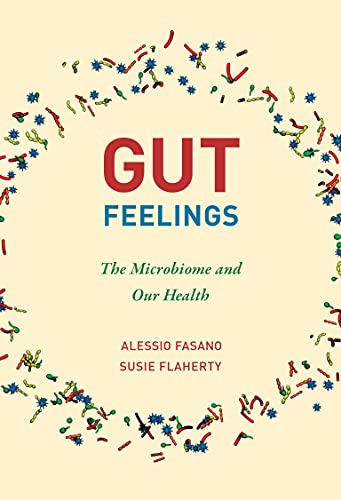
Zonulin is one human protein that modulates tight junctions. Research led by Alessio Fasano and others reported that gliadin (a component of gluten) and some bacterial signals can trigger zonulin release, loosening junctions in genetically susceptible people (Ann N Y Acad Sci, 2012; Gastroenterology, 2006) [moderate]. That said, commonly available blood and stool “zonulin” tests have been questioned: several studies found certain commercial assays may detect related complement proteins rather than true zonulin, complicating interpretation (Scheffler et al., PLoS One, 2018; Ajamian et al., 2019) [strong]. In short, the biology of zonulin is real, but routine zonulin testing remains problematic.
What Conventional Medicine Accepts vs. What’s Debated
Widely accepted: Intestinal permeability exists and is measurable; it increases in recognized GI diseases such as celiac disease and inflammatory bowel disease (IBD) and under stresses like intense exercise or NSAID use (systematic reviews, 2017–2023) [strong].
Debated: The idea that “leaky gut” alone causes a wide array of systemic conditions (e.g., fatigue, brain fog, autoimmune conditions) is not established. Associations exist in some studies, but causality is unclear and effect sizes vary (narrative and systematic reviews, 2018–2023) [emerging].
Testing: Sugar permeability tests are used in research. The clinical utility of single biomarkers such as serum/stool zonulin is limited by assay issues and lack of standardization (methodology reviews, 2018–2022) [strong].
Treatment: Restoring barrier function may help symptoms in defined contexts (e.g., gluten-free diet in celiac disease). For general, non-specific “leaky gut” claims, evidence remains preliminary (systematic reviews and RCTs, 2011–2023) [moderate to emerging].
Conditions Linked to Increased Permeability
Celiac disease: People with active celiac disease generally exhibit increased permeability that often improves on a strict gluten-free diet (meta-analyses and RCTs, 2014–2021) [strong]. Gliadin-triggered zonulin release has been described in celiac disease (Gastroenterology, 2006) [moderate].
Inflammatory bowel disease (Crohn’s disease and ulcerative colitis): Permeability is frequently elevated during active disease and can be higher even in some relatives of people with Crohn’s disease, suggesting a possible trait marker (systematic reviews and cohort studies, 2006–2020) [moderate to strong]. Whether barrier defects drive disease or reflect inflammation is still under study [emerging].
Irritable bowel syndrome (IBS): A subset—especially diarrhea-predominant and post-infectious IBS—shows increased permeability, which may correlate with abdominal pain and stool frequency (meta-analyses and RCTs, 2015–2021) [moderate]. Confocal endomicroscopy studies report localized barrier responses to specific foods in some individuals (Gut, 2015–2019) [emerging].
How Is Intestinal Permeability Measured?
Lactulose/mannitol (L/M) test: After ingesting two non-metabolized sugars, urine is collected for a set period. A higher L/M ratio suggests greater small-intestinal permeability (methodology reviews, 2014–2021) [strong]. Limitations include effects of kidney function, transit time, and technical variability [moderate].
Extended sugar panels: Adding probes like sucralose or rhamnose aims to differentiate small vs. colonic permeability; this remains mostly in research settings (methodology reviews, 2018–2022) [emerging].
Serum/stool biomarkers: Intestinal fatty acid–binding protein (I-FABP) reflects enterocyte injury; lipopolysaccharide-binding protein and claudin/occludin fragments are explored, but none are standardized for diagnosis (systematic reviews, 2019–2022) [emerging].
Confocal laser endomicroscopy: Advanced endoscopic imaging can visualize barrier changes in real time but is specialized and not routine (Gut, 2015–2019) [emerging].
Evidence-Backed Interventions That May Support Barrier Function
Note: The following summarizes research findings and does not provide dosage or treatment advice.
Gluten-free diet in celiac disease: In biopsy-proven celiac disease, strict avoidance of gluten improves permeability and mucosal architecture while reducing symptoms (meta-analyses and RCTs, 2014–2021) [strong]. In non-celiac populations, effects are inconsistent and should not be presumed [emerging].
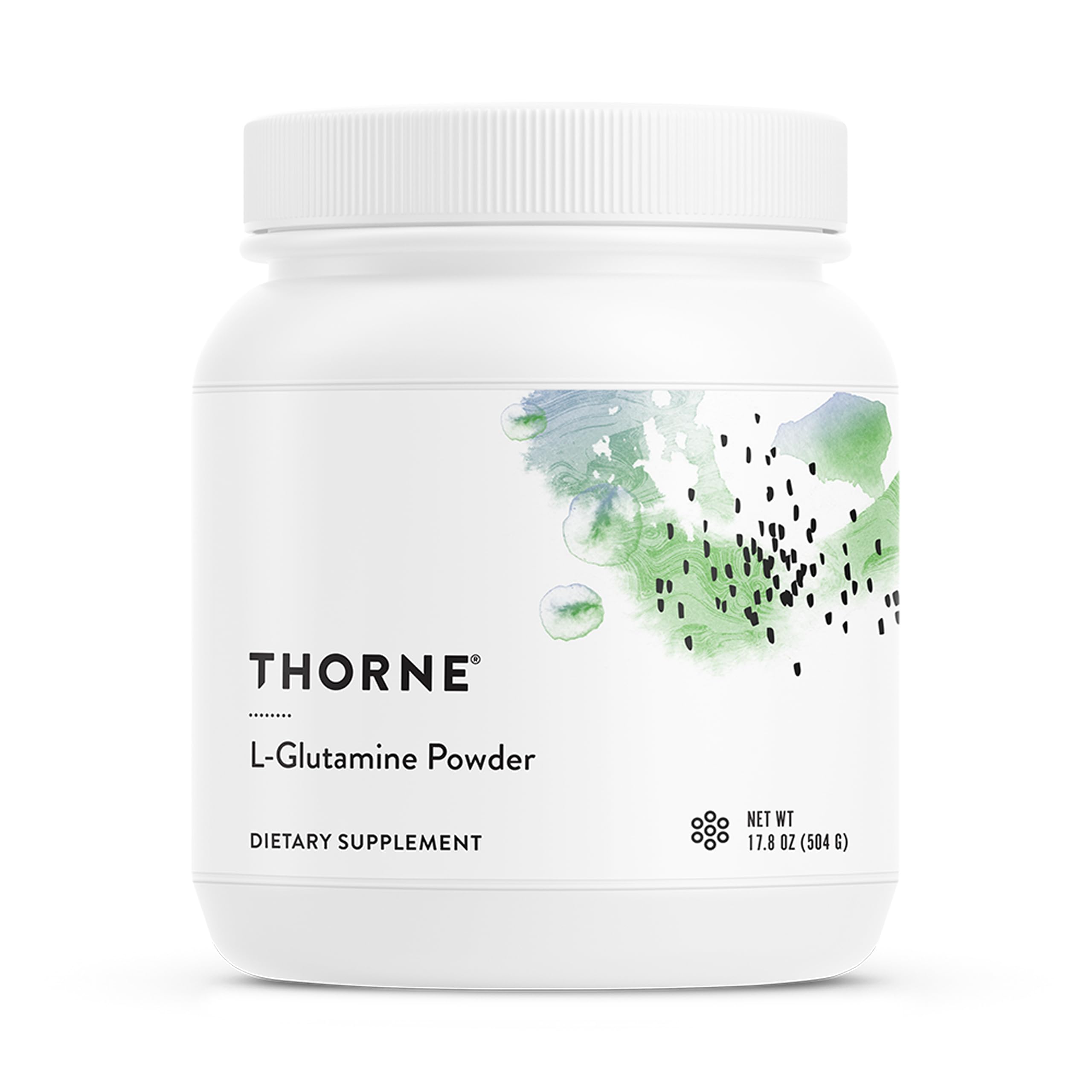
L‑glutamine: As the primary fuel for enterocytes, glutamine may help restore tight junction integrity under stress. An RCT in diarrhea-predominant IBS with increased permeability reported improvements in L/M ratio and bowel symptoms compared with placebo (Rao et al., Clin Transl Gastroenterology, 2014) [moderate]. Studies in athletes suggest attenuation of exercise-induced permeability, though findings are mixed (systematic reviews, 2018–2022) [emerging to moderate].
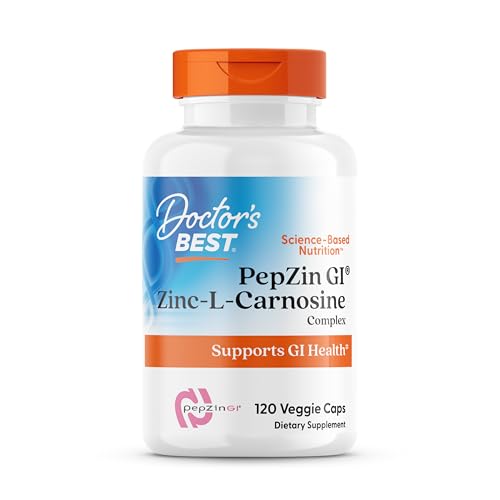
Zinc carnosine (polaprezinc): Used in Japan for gastric mucosal support, zinc carnosine has demonstrated mucosal protective effects and reductions in permeability increases induced by heat/exercise or NSAIDs in small human trials (randomized and crossover studies, 2007–2019) [moderate]. Broader GI benefits are supported by ulcer-healing data, but small-intestine barrier outcomes need larger trials [moderate].
Bovine colostrum: Rich in immunoglobulins and growth factors, colostrum has reduced NSAID- and exercise-induced increases in permeability in controlled human studies (Playford et al., Gut, 2001; Marchbank et al., Clin Sci, 2011; athlete trials 2017–2021) [moderate]. Symptom benefits appear context-specific and may not generalize to all IBS [emerging].
Probiotics and diet patterns: Certain Lactobacillus and Bifidobacterium strains, prebiotics, and higher-fiber diets increase short-chain fatty acids that support epithelial health in mechanistic and some clinical studies (systematic reviews, 2018–2022) [emerging to moderate]. Effects are strain- and context-specific; improvements in permeability markers do not always translate to symptom relief [emerging].
Lifestyle factors: Intense heat and exertion, NSAIDs, alcohol excess, and acute psychological stress can increase permeability in experimental settings (systematic reviews, 2017–2022) [moderate]. Minimizing or modifying these stressors, when appropriate and under professional guidance, may help reduce barrier strain [emerging].
Traditional and Integrative “Gut-Healing” Approaches
Many traditional systems emphasize soothing and nourishing the digestive lining. While modern trials are limited, some approaches align with known mechanisms like mucilage coating, anti-inflammatory effects, or provision of amino acids used by enterocytes.
Bone broth and collagen-rich preparations: Traditionally used for convalescence and digestive comfort. They supply gelatin and amino acids such as glycine and proline that are involved in tissue repair; however, clinical data directly linking broth to improved permeability are sparse (narrative reviews, 2018–2023) [traditional/emerging].
Slippery elm (Ulmus rubra) and other demulcents (e.g., marshmallow root): The mucilage content may coat and soothe irritated mucosa. Small clinical studies in functional GI complaints suggest symptom relief, but permeability endpoints are rarely measured (small RCTs and pilot studies, 2000–2015) [traditional to emerging].
Aloe vera inner gel: Has been studied in mild ulcerative colitis and IBS with mixed results; potential anti-inflammatory and barrier-supporting effects are proposed, but evidence is inconsistent and product quality varies (RCTs and systematic reviews, 2004–2020) [emerging].
Traditional Chinese Medicine (TCM) digestive formulas: Formulas like Ban Xia Xie Xin Tang (for epigastric discomfort) and Shen Ling Bai Zhu San (for chronic loose stools) are used to harmonize the middle burner. Preclinical models report upregulation of tight-junction proteins and reduced inflammation; limited human trials show symptom benefits in functional dyspepsia and chronic diarrhea (preclinical studies and small RCTs, 2004–2021) [traditional to emerging].
Bridging Perspectives
Western research frames intestinal permeability as a modifiable physiologic parameter that contributes to disease in defined contexts. Traditional systems focus on restoring digestive harmony, often via soothing, nourishing, and reducing irritants. These perspectives converge on the idea that the gut lining is responsive to diet, stress, and environment—and that supportive strategies may help selected individuals, especially when matched to a confirmed diagnosis or clear trigger [moderate].
Key Caveats
Testing variability: L/M testing is sensitive to protocol details; serum/stool zonulin assays may not measure zonulin reliably (methodology reviews, 2018–2022) [strong].
Causality vs. consequence: Increased permeability can be both a driver and a result of inflammation; context matters (systematic reviews, 2019–2023) [moderate].
Individual response: Interventions that change permeability markers do not always improve symptoms, and vice versa (RCTs and meta-analyses, 2015–2022) [moderate].
Bottom Line
The gut barrier is real, dynamic, and measurable. Increased intestinal permeability is well-documented in celiac disease and IBD, and in subsets of IBS and under stressors like intense exercise or NSAID exposure [strong to moderate].
Zonulin is a bona fide regulator of tight junctions, but routine “zonulin testing” is not yet reliable due to assay specificity issues [strong].
The lactulose/mannitol test is the most commonly used research tool for small-intestinal permeability, though it has limitations. Other biomarkers are promising but not standardized [strong to emerging].
Research suggests certain interventions may help restore barrier function in specific contexts: gluten-free diet in celiac disease [strong]; L-glutamine in IBS-D with increased permeability [moderate]; zinc carnosine and bovine colostrum under NSAID or exercise stress [moderate]. Probiotic and diet-fiber strategies show emerging support [emerging to moderate].
Traditional approaches like bone broth, slippery elm, aloe vera, and TCM digestive formulas are historically used for gut comfort; modern evidence for direct effects on permeability is limited but evolving [traditional to emerging].
The most actionable path pairs validated diagnoses and triggers with targeted, evidence-informed strategies, while recognizing that barrier changes are one piece of a larger gut-immune puzzle [moderate].
This content is for informational purposes only and does not constitute medical advice. Always consult a qualified healthcare provider before starting, stopping, or changing any supplement or medication regimen.
Leaky Gut Syndrome. Intestinal Permeability. ## Overview
**"Leaky gut syndrome"** is a popular term used to describe the idea that the intestinal lining becomes overly permeable, allowing larger molecules, microbial products, and other substances to pass from the gut into the bloodstream more easily than expected. In scientific and medical li
Intestinal Permeability Test. Leaky Gut Test, Gut Permeability Test, Lactulose Mannitol Test. ## Overview
**Intestinal permeability testing** refers to a group of assessments intended to evaluate how selectively the intestinal lining allows substances to pass from the gut into the bloodstream. In normal physiology, the intestinal barrier acts as a highly regulated interface: it permits abso
Overview
Zonulin has become a buzzword in conversations about “leaky gut,” and commercial serum or stool tests are now widely marketed as a way to assess intestinal permeability. What does zonulin act
Gut Barrier. Intestinal Barrier, Mucosal Barrier. ## Gut Barrier Overview
The **gut barrier** refers to the multilayered system that separates the contents of the digestive tract from the internal environment of the body. Rather than being a single wall, it includes the **intestinal lining**, **mucus layer**, **tight junction proteins** between in
Zonulin Test. Intestinal Permeability Test, Leaky Gut Marker. ## Overview
A **zonulin test** is a laboratory assessment intended to estimate levels of **zonulin**, a protein involved in regulating the tight junctions between cells lining the intestinal wall. Because these tight junctions help control what passes from the gut into the bloodstream, zonulin has
## Why target the gut during hard training?
Long runs, races in the heat, and high‑intensity sessions can challenge the gastrointestinal (GI) tract as much as the legs. Reduced blood flow to the gut,