

Muscle Growth and Essential Amino Acids (EAAs)
Muscle growth depends on building new muscle proteins faster than they are broken down. Essential amino acids (EAAs) are the indispensable building blocks the body cannot make on its own, and they directly drive muscle protein synthesis (MPS). Among them, leucine is especially notable for activating the mTOR pathway, a key regulator that turns on cellular machinery for building muscle. Other EAAs like lysine, methionine, and threonine are also required to complete new proteins, while conditionally essential amino acids such as arginine may support blood flow and recovery, though their roles are less directly tied to hypertrophy. Clinical research shows that consuming EAAs, particularly when paired with resistance training and adequate daily protein and calorie intake, increases MPS and supports gains in lean mass and strength. Leucine-rich proteins (e.g., whey) reliably elevate MPS, and balanced EAA blends can be effective as well. Meta-analyses find protein/EAA supplementation adds small but meaningful improvements in muscle size and strength on top of training, with the largest benefits in people whose baseline protein is insufficient and in older adults who experience age-related “anabolic resistance.” In contrast, BCAA-only products (leucine, isoleucine, valine without the other EAAs) stimulate some signaling but generally do not sustain a net positive protein balance unless the full complement of EAAs is also available. Whole-food proteins—such as dairy, eggs, lean meats, fish, and well-planned plant sources like soy, legumes, and mixed grains—provide EAAs with additional nutrients that aid recovery. Supplements (EAA blends, whey, soy isolates) offer convenience and precise composition, with rapid-digesting options often used around workouts in studies. However, total daily protein/EAA adequacy is more important than exact timing. EAAs work best in the context of progressive resistance exercise and sufficient energy intake; without these, their effect is blun
Updated September 8, 2026This content is for informational purposes only and does not constitute medical advice. Always consult a qualified healthcare provider before starting, stopping, or changing any supplement or medication regimen.
Overlapping Treatments
Protein-rich whole foods (e.g., dairy, eggs, lean meats, fish, soy, legumes)
Strong EvidenceProvide complete EAAs to support MPS, hypertrophy, and recovery; associated with improved training adaptations when total intake is adequate.
Primary natural source of EAAs, delivered with complementary nutrients (micronutrients, bioactive compounds) that may aid utilization.
Food tolerances, allergies, and dietary patterns (e.g., vegan) affect choices; careful planning ensures adequate leucine and lysine.
Whey or other high-quality protein supplements (e.g., whey, soy, blends)
Strong EvidenceConvenient boost to MPS and training adaptations, especially when habitual intake is low or timing around workouts is desired.
Delivers EAAs—often leucine-rich—in rapidly digestible form that reliably elevates plasma amino acids and MPS.
Dairy allergy/lactose intolerance for whey; individual GI tolerance varies; supplement quality assurance is important.
Progressive resistance training
Strong EvidencePrimary driver of muscle hypertrophy and strength via mechanotransduction and satellite cell activation.
Heightens sensitivity to EAAs and increases their incorporation into muscle proteins.
Requires appropriate programming and recovery to avoid overuse injuries.
Adequate total energy intake
Strong EvidenceSupports anabolism and positive net protein balance; energy deficits limit hypertrophy.
Ensures EAAs are used for building rather than oxidized for energy.
Energy needs vary by individual goals (gain, maintain, reduce fat mass).
Creatine monohydrate
Strong EvidenceConsistently enhances strength, power, and lean mass gains with training.
May complement EAA-driven MPS by improving training quality; mechanisms are distinct.
Water retention is common; ensure product purity.
Omega-3 fatty acids (fish oil, algal oil)
Emerging ResearchMay support recovery and muscle function; some studies show augmented MPS responses.
Can enhance sensitivity to EAAs in muscle cells in certain contexts.
Bleeding risk at high intakes; quality and oxidation status vary.
Vitamin D sufficiency
Moderate EvidenceAssociated with better muscle function and reduced fall risk; correcting deficiency may improve performance.
May support overall protein turnover and muscle health, indirectly aiding EAA effectiveness.
Test-and-correct approach is preferred; sunlight exposure and diet contribute.
Medical Perspectives
Two Ways of Seeing Health

Western
scientific · clinical
Western medicine applies science, technology, and clinical experience to treat symptoms through testing, diagnosis, and targeted intervention.
Surgeons · Pharmaceuticals · Clinical trials · Diagnostics 
Eastern
traditional · alternative
Eastern medicine focuses on treating the body naturally by applying traditional knowledge practiced for thousands of years, emphasizing balance and whole-person wellness.
Acupuncture · Herbal medicine · Yoga · Meditation
Gold Bamboo presents both perspectives side-by-side so you can make informed decisions. We don't advocate for one over the other — your health choices are yours.
Two Ways of Seeing Health
Western
scientific · clinical
Western medicine applies science, technology, and clinical experience to treat symptoms through testing, diagnosis, and targeted intervention.
Eastern
traditional · alternative
Eastern medicine focuses on treating the body naturally by applying traditional knowledge practiced for thousands of years, emphasizing balance and whole-person wellness.
Gold Bamboo presents both perspectives side-by-side so you can make informed decisions. We don't advocate for one over the other — your health choices are yours.
Western Perspective
Western medicine views essential amino acids as the proximate nutrient regulators of muscle protein synthesis (MPS). Leucine acts as a key signal activating mTORC1, initiating translation and building new myofibrillar proteins. Balanced EAAs are necessary to sustain net positive muscle protein balance; resistance training provides the anabolic stimulus that amino acids support.
Key Insights
- Leucine triggers mTORC1 and MPS, but all EAAs are required to build complete proteins.
- EAA or high-quality protein ingestion increases MPS at rest and post-exercise; effects are amplified by resistance training and adequate energy intake.
- BCAA-only supplements generally underperform compared with EAAs or complete proteins for hypertrophy because they lack the full amino acid complement.
- Protein/EAA supplements provide small-but-meaningful gains in muscle size and strength, especially when baseline intake is suboptimal and in older adults.
- Whole foods and protein quality matter: rapidly digested, leucine-rich proteins (e.g., whey) produce robust acute MPS responses.
Treatments
- EAA-rich diet emphasizing complete protein sources
- Leucine-rich protein supplements (e.g., whey) when convenient
- Progressive resistance training with adequate recovery
- Creatine to enhance training quality and adaptations
- Correction of nutrient insufficiencies (e.g., vitamin D), where relevant
Deep Dive
From a western biomedical view, essential amino acids (EAAs) are the immediate determinants of muscle protein synthesis (MPS). Resistance exerci... From a western biomedical view, essential amino acids (EAAs) are the immediate determinants of muscle protein synthesis (MPS). Resistance exercise provides the mechanical signal to remodel muscle, and EAAs supply both the raw materials and the molecular signal to build new proteins. Leucine stands out because it activates mTORC1, initiating the translation of myofibrillar proteins; yet, without the remaining EAAs, this signal cannot be converted into sustained net protein accretion. Acute feeding studies show that ingesting a bolus of EAAs or a leucine-rich protein quickly elevates plasma amino acid levels and stimulates MPS at rest and after exercise. Rapidly digested, high-leucine proteins like whey produce robust MPS spikes, while soy, mixed proteins, and whole-food sources also elevate MPS when the total EAA content is adequate. Systematic reviews and meta-analyses indicate that protein/EAA supplementation yields small but statistically significant improvements in lean mass and strength beyond resistance training alone, with the largest benefits occurring when baseline protein intake is suboptimal or in older adults experiencing anabolic resistance. In this latter group, leucine-enriched formulations can help reach the per-meal “threshold” needed to maximally stimulate MPS. BCAA-only supplements, while capable of activating some signaling, generally do not provide the complete amino acid profile needed for net muscle building, and they perform worse than complete proteins or EAA blends in controlled settings. Practical considerations include the relative importance of total daily protein/EAA intake over exact timing; consuming EAAs near training can be convenient, but consistent daily adequacy and progressive overload remain the main drivers of hypertrophy. Whole foods add micronutrients and bioactives that support recovery, while supplements offer convenience and precise composition. Safety is generally favorable for healthy individuals, but high amino acid loads warrant caution in chronic kidney disease and certain rare metabolic disorders. Emerging work suggests omega-3 fatty acids may sensitize muscle to amino acids, and creatine reliably enhances training quality—complementary strategies that, alongside sleep and energy sufficiency, create a milieu where EAAs can be most effective.
Sources
- Atherton PJ & Smith K. Muscle protein synthesis in response to nutrition and exercise. Curr Opin Clin Nutr Metab Care. 2012.
- Morton RW et al. A systematic review, meta-analysis and meta-regression of the effect of protein supplementation on resistance training–induced gains in muscle mass and strength. Br J Sports Med. 2018.
- Cermak NM et al. Protein supplementation augments the adaptive response of skeletal muscle to resistance-type exercise training. Am J Clin Nutr. 2012.
- Wolfe RR. Branched-chain amino acids and muscle protein synthesis in humans: myth or reality? J Int Soc Sports Nutr. 2017.
Eastern Perspective
Traditional systems emphasize nourishing and efficiently digesting protein-rich foods to build and maintain strong musculature. In Ayurveda, healthy mamsa dhatu (muscle tissue) depends on robust agni (digestive fire) and adequate, sattvic nourishment. In Traditional Chinese Medicine (TCM), the Spleen transforms food into qi and blood that feed the muscles, while Kidney essence supports growth and recovery. While these frameworks do not isolate amino acids, many recommended foods and tonics are rich in EAAs and support training recovery.
Key Insights
- Digestive strength (agni/Spleen qi) is central; easily digested protein foods are preferred to ensure nutrients reach muscle tissue.
- Balanced meals with legumes, dairy (where appropriate), eggs, meats, and grains are traditionally used to build strength and endurance.
- Restorative practices (sleep, massage/abhyanga, qigong/taiji) are seen as essential for integrating nourishment into tissue repair.
- Herbal rasayanas/tonics like ashwagandha (Ayurveda) and qi/yang tonics like astragalus or cordyceps (TCM) are traditionally used to support strength and recovery; modern evidence is growing but not definitive.
Treatments
- Diet emphasizing easily digested proteins (e.g., mung dal/legumes, soy, eggs, bone broths, dairy or ghee as tolerated)
- Routine to support digestion (warm meals, spices like ginger, cumin; mindful eating)
- Restorative movement and breath (qigong/taiji, yoga) to improve circulation of nutrients
- Adaptogenic/tonic herbs (e.g., ashwagandha; astragalus/cordyceps) alongside training and diet
Deep Dive
Traditional systems frame muscle building as the art of converting nourishment into resilient tissue. Ayurveda holds that strong mamsa dhatu (mu... Traditional systems frame muscle building as the art of converting nourishment into resilient tissue. Ayurveda holds that strong mamsa dhatu (muscle tissue) arises from steady agni (digestive fire), clean ingredients, and restorative rhythms. Meals that are warm, simple, and protein-inclusive—such as mung dal with rice, milk or yogurt for those who tolerate dairy, eggs, and thoughtfully prepared meats—are emphasized to deliver concentrated nutrition that is easy to assimilate. Spices like ginger, cumin, and black pepper are used to kindle digestion, mirroring the modern idea that efficient digestion and absorption are prerequisites for amino acids to reach muscle. In Traditional Chinese Medicine, the Spleen’s role in transforming food into qi and blood links directly to muscle tone and endurance, while Kidney essence supports recovery and adaptation. Tonic foods—broths, soy products like tofu or tempeh, legumes, and congee with egg or fish—align with the goal of providing high-quality proteins. Restorative practices such as qigong, taiji, yoga, and adequate sleep circulate nutrients to the periphery and calm the nervous system, paralleling western insights about recovery facilitating muscle repair. Herbal supports are selected based on constitution. Ashwagandha in Ayurveda is a rasayana traditionally used for vitality and strength; modern trials suggest improvements in strength and recovery when combined with training. In TCM, qi and yang tonics such as astragalus or cordyceps are used for stamina, though contemporary evidence for direct effects on hypertrophy remains preliminary. Across traditions, the emphasis is not on isolated amino acids but on complete, digestible nourishment, regular movement, and rest—an approach that harmonizes with western findings that EAAs are most effective within a balanced diet, sufficient energy intake, and progressive resistance exercise. The shared wisdom: support digestion, supply complete proteins, train consistently, and recover well so that nutrients can be transformed into lasting strength.
Sources
- Charaka Samhita (Ayurveda) – concepts of agni and dhatu nourishment.
- Kaptchuk TJ. The Web That Has No Weaver. TCM concepts of Spleen qi and Kidney essence.
- Wankhede S et al. Examining the effect of Withania somnifera supplementation on muscle strength and recovery: J Int Soc Sports Nutr. 2015.
- Chowdhury S et al. Ashwagandha for physical performance: systematic review. Nutrients. 2021.
Evidence Ratings
Leucine activates mTORC1 and stimulates human muscle protein synthesis.
Atherton PJ & Smith K. Curr Opin Clin Nutr Metab Care. 2012; Kimball SR & Jefferson LS. J Nutr. 2006.
Ingesting EAAs or high-quality protein increases MPS at rest and after resistance exercise.
Tipton KD et al. Am J Physiol. 1999; Cermak NM et al. Am J Clin Nutr. 2012.
BCAA-only supplements do not sustain a net positive muscle protein balance without the other EAAs.
Wolfe RR. J Int Soc Sports Nutr. 2017.
Protein/EAA supplementation adds small but meaningful gains in muscle size and strength when combined with resistance training.
Morton RW et al. Br J Sports Med. 2018.
Older adults show better MPS with leucine-enriched EAAs/proteins due to anabolic resistance.
Katsanos CS et al. Am J Physiol Endocrinol Metab. 2006; Churchward-Venne TA et al. J Nutr. 2014.
Omega-3 fatty acids may augment MPS responses to EAAs and improve muscle function in some contexts.
Smith GI et al. Am J Clin Nutr. 2011; Smith GI et al. J Physiol. 2015.
High protein/amino acid loads can be problematic in chronic kidney disease and should be individualized.
KDIGO Clinical Practice Guideline for CKD. 2024 update.
When total daily protein is sufficient, exact timing is less critical than meeting overall needs.
Schoenfeld BJ & Aragon AA. J Int Soc Sports Nutr. 2018.
Sources
- Atherton PJ, Smith K. Muscle protein synthesis in response to nutrition and exercise. Curr Opin Clin Nutr Metab Care. 2012.
- Kimball SR, Jefferson LS. Signaling pathways and molecular mechanisms through which branched-chain amino acids mediate translational control of protein synthesis. J Nutr. 2006.
- Tipton KD et al. Ingestion of casein and whey proteins result in muscle anabolism after resistance exercise. Am J Physiol. 1999.
- Cermak NM et al. Protein supplementation augments the adaptive response of skeletal muscle to resistance-type exercise training. Am J Clin Nutr. 2012.
- Morton RW et al. A systematic review, meta-analysis and meta-regression of protein supplementation on resistance training–induced gains. Br J Sports Med. 2018.
- Wolfe RR. Branched-chain amino acids and muscle protein synthesis in humans: myth or reality? J Int Soc Sports Nutr. 2017.
- Katsanos CS et al. A high proportion of leucine is required for optimal stimulation of the rate of muscle protein synthesis in the elderly. Am J Physiol Endocrinol Metab. 2006.
- Churchward-Venne TA et al. What is the optimal amount of protein to support post-exercise skeletal muscle reconditioning in the older adult? J Nutr. 2014.
- Moore DR et al. Protein ingestion to stimulate myofibrillar protein synthesis requires greater relative protein intakes in older vs younger men. J Gerontol A. 2015.
- Smith GI et al. Fish oil–derived n–3 PUFA therapy increases MPS in older adults. Am J Clin Nutr. 2011.
- KDIGO 2024 Clinical Practice Guideline for the Evaluation and Management of CKD.
- Schoenfeld BJ, Aragon AA. How much protein can the body use in a single meal? J Int Soc Sports Nutr. 2018.
- van Vliet S, Burd NA, van Loon LJC. The skeletal muscle anabolic response to plant- vs animal-based protein consumption. Nutrients. 2015.
- Hevia-Larraín V et al. Plant-based vs omnivorous diet for resistance-trained individuals with matched protein: RCT. Sports Med. 2021.
- Wankhede S et al. Withania somnifera supplementation on muscle strength and recovery: J Int Soc Sports Nutr. 2015.
Related Topics
Recommended Products
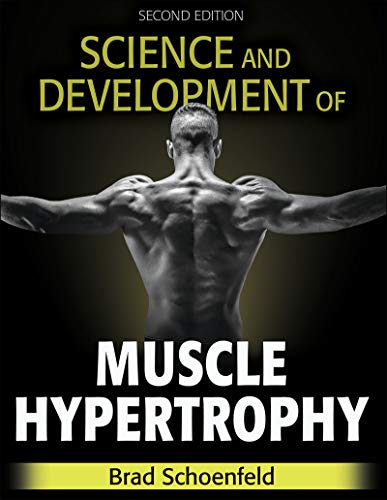
Science and Development of Muscle Hypertrophy: Schoenfeld, Brad
Science and Development of Muscle Hypertrophy, Second Edition, is <strong>the most comprehensive resource on muscle hypertrophy in the world</strong>. Written by Brad Schoenfeld, PhD, an international
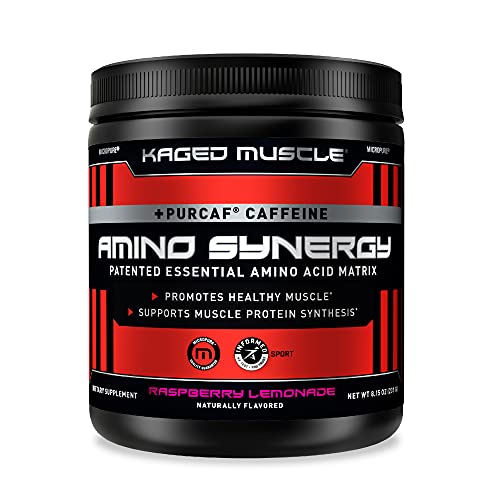
Kaged Muscle Amino Synergy - Vegan BCAA + EAA Powder, Premium Vegan Branched Chain Amino Acid and Essential Amino Acid Supplement with Coconut Water, Raspberry Lemonade, 30 Servings 6.88 Ounce (Pack of 1)
Buy Kaged Muscle Amino Synergy - Vegan BCAA + EAA Powder, Premium Vegan Branched Chain Amino Acid and Essential Amino Acid Supplement with Coconut Water, Raspberry Lemonade, 30 Servings 6.88 Ounce (Pa
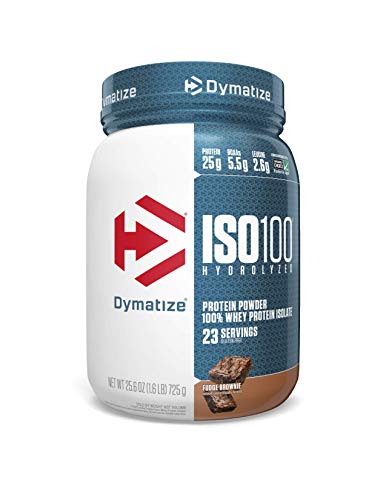
Dymatize ISO 100 Whey Protein Powder with 25g of Hydrolyzed 100% Whey Isolate, Vanilla 5 Pound, Package may vary
Dymatize ISO100 Hydrolyzed Protein Powder, 100% Whey Isolate Protein, 25g of Protein, 5.5g BCAAs, Gluten Free, Fast Absorbing, Easy Digesting, Gourmet Vanilla, 5 Pound.
Health Disclaimer
This content is for informational purposes only and does not constitute medical advice. Always consult a qualified healthcare provider before starting, stopping, or changing any supplement or medication regimen.