

Glutathione
Glutathione Overview
Glutathione is a small molecule made from three amino acids—glutamate, cysteine, and glycine—and is often described as the body’s master antioxidant. It is produced naturally inside cells and plays a central role in protecting tissues from oxidative stress, helping neutralize free radicals, and supporting many enzyme systems involved in cellular repair and metabolism. Glutathione is especially concentrated in the liver, where it participates in the processing of endogenous waste products, environmental chemicals, and byproducts of normal metabolism.
Interest in glutathione as a supplement has grown because of its broad biological roles. Research suggests it contributes to detoxification pathways, immune cell function, mitochondrial health, and the maintenance of vitamins C and E in their active antioxidant forms. Low glutathione status has been observed in a range of conditions associated with inflammation, aging, toxin exposure, metabolic dysfunction, and chronic illness. At the same time, glutathione biology is complex: blood levels do not always reflect tissue status, and the effects of oral, liposomal, inhaled, or intravenous forms may differ substantially.
In popular wellness discussions, glutathione is often linked with immune support, liver health, anti-aging, exercise recovery, and skin brightening. Conventional research has investigated glutathione directly, as well as nutrients that support its synthesis—particularly N-acetylcysteine (NAC), selenium, and alpha-lipoic acid. Studies indicate that boosting glutathione may be relevant in specific contexts, but evidence varies widely by health outcome, formulation, and study quality. Some uses are better established in biochemical or hospital settings than in general consumer supplementation.
Overall, glutathione is best understood as a foundational intracellular antioxidant and detoxification cofactor rather than a single-purpose remedy. Its importance in human physiology is well recognized, while the clinical benefits of supplementation remain an active area of research. As with many supplements affecting redox balance and metabolism, interpretation benefits from individualized medical context and guidance from qualified healthcare professionals.
Medical Perspectives
Two Ways of Seeing Health

Western
scientific · clinical
Western medicine applies science, technology, and clinical experience to treat symptoms through testing, diagnosis, and targeted intervention.

Eastern
traditional · alternative
Eastern medicine focuses on treating the body naturally by applying traditional knowledge practiced for thousands of years, emphasizing balance and whole-person wellness.
Gold Bamboo presents both perspectives side-by-side so you can make informed decisions. We don't advocate for one over the other — your health choices are yours.
Western Medicine Perspective
Western / Conventional Medicine Perspective
From a conventional medical standpoint, glutathione is essential to redox regulation, cellular defense, and phase II detoxification, particularly through glutathione S-transferase enzymes in the liver. It helps cells manage oxidative injury, supports mitochondrial function, and influences immune signaling. In clinical biochemistry, depleted glutathione is associated with increased oxidative stress and has been studied in liver disease, neurodegenerative disorders, diabetes, cardiovascular disease, respiratory illness, critical illness, and aging. However, association does not necessarily mean that supplementation alone changes outcomes in a meaningful way.
In mainstream medicine, one of the most established glutathione-related interventions is actually the use of glutathione precursors, especially N-acetylcysteine, rather than glutathione itself. NAC is widely used in hospital medicine for acetaminophen toxicity because it restores hepatic glutathione stores. This illustrates the medical importance of glutathione biology. Direct glutathione administration has also been studied in certain settings, including Parkinson’s disease, chemotherapy-related toxicity, male infertility, fatty liver disease, and respiratory conditions, but results are mixed and often limited by small sample sizes or inconsistent delivery methods.
A major issue in conventional evaluation is bioavailability. Oral glutathione was once thought to be poorly absorbed, though newer studies suggest some forms—particularly liposomal preparations or prolonged use—may increase blood or tissue markers in certain individuals. Even so, questions remain about whether these changes translate into reliable clinical benefits. Intravenous glutathione is used in some integrative and specialty practices, but it is not broadly standardized for wellness purposes, and safety, quality control, and indication-specific evidence are important considerations.
Conventional medicine generally views glutathione as biologically important and clinically relevant in selected contexts, while remaining cautious about broad claims around detoxification, immune enhancement, or anti-aging. Research supports its central role in human physiology, but many supplement-related claims remain under active investigation rather than firmly established.
Eastern & Traditional Perspective
Eastern / Traditional Medicine Perspective
Traditional medical systems do not typically describe glutathione by its modern biochemical name, yet its functions overlap with longstanding concepts related to vitality, resilience, purification, and the body’s capacity to recover from internal and external stressors. In Traditional Chinese Medicine (TCM), concerns that resemble oxidative burden or impaired detoxification may be interpreted through patterns involving the Liver system, accumulation of heat, toxins, or dampness, and weakness of the body’s protective and restorative energies. Within that framework, substances or practices that support the body’s internal harmony, circulation, and recovery may be viewed as indirectly supporting functions now associated with antioxidant defense.
In Ayurveda, parallels may be drawn with the preservation of ojas (vital essence), balanced agni (metabolic fire), and the reduction of ama (metabolic waste or toxic buildup). Although glutathione itself is not a classical Ayurvedic substance, the idea of strengthening the body’s ability to process stress, maintain tissue integrity, and support immune resilience fits closely with traditional Ayurvedic goals. Herbs and dietary patterns traditionally used for rejuvenation or liver support are sometimes discussed in modern integrative settings as helping maintain the internal environment in which glutathione production and antioxidant activity can function effectively.
In naturopathic and integrative medicine, glutathione is often framed as a central molecule in the body’s innate healing capacity, particularly in relation to detoxification, environmental exposures, oxidative stress, and immune balance. This perspective frequently emphasizes supporting endogenous production through nutrition and lifestyle, rather than viewing glutathione solely as an isolated supplement. Traditional frameworks also tend to place glutathione-related support within a broader context that includes sleep, stress regulation, digestive health, and restorative practices.
Overall, eastern and traditional perspectives tend to interpret glutathione less as a stand-alone intervention and more as a modern biochemical expression of older principles: protecting core vitality, improving resilience, and supporting the body’s natural clearing and repair mechanisms. These interpretations are philosophically coherent, though they are not always directly testable in the same way as modern pharmacologic models.
Supplements & Products
Recommended Products
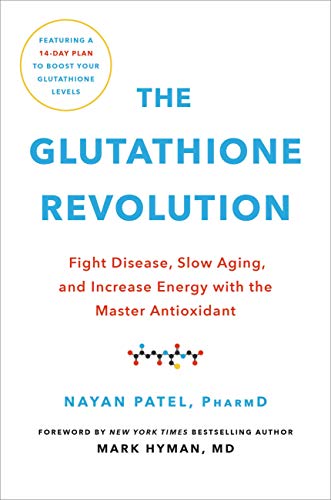
The Glutathione Revolution: Fight Disease, Slow Aging, and Increase Energy with the Master Antioxidant: Patel PharmD, Nayan, Hyman MD, Dr. Mark
Nayan Patel <strong>shares all the information you need to boost your glutathione levels, revitalize your body, and transform your life with this naturally-occurring super antioxidant</strong>. In The
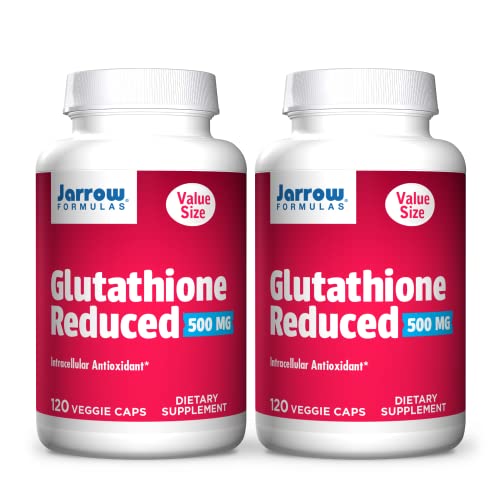
Jarrow Formulas Glutathione Reduced 500 mg - 120 Veggie Capsules - Intracellular Antioxidant - Quality Glutathione Supplements - Supports Recycling of Vitamins C & E - Non-GMO - Gluten Free - Vegan
Superior Nutrition and Formulation: Jarrow Formulas antioxidant nutritional supplements promote optimal health with quality, effective, affordable, and superior formulation of dietary supplements · Su
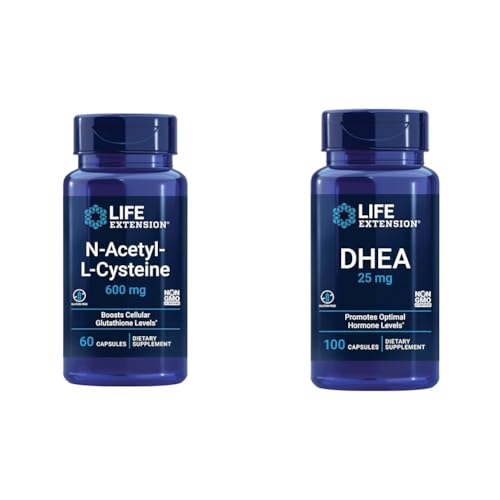
Life Extension N-Acetyl-L-Cysteine (NAC), Immune, Respiratory, Liver Health, NAC 600 mg, Potent antioxidant Support, Free-radicals, Easy to Absorb, 60 Capsules
<strong>Each NAC capsule delivers 600 mg of this powerful, rapidly absorbed nutrient</strong>. NAC is a powerful free radical scavenger and helps you combat everyday oxidative stress. NAC replenishes
Evidence & Sources
Promising research with growing clinical support from multiple studies
- National Institutes of Health (NIH)
- National Center for Complementary and Integrative Health (NCCIH)
- The Journal of Nutrition
- Free Radical Biology and Medicine
- Proceedings of the Nutrition Society
- Clinical Nutrition
- Oxidative Medicine and Cellular Longevity
- Molecules
- World Journal of Gastroenterology
- Antioxidants & Redox Signal
This content is for informational purposes only and does not constitute medical advice. Always consult a qualified healthcare provider before starting, stopping, or changing any supplement or medication regimen.