

L-Glutamine
Also known as: Glutamine
L-Glutamine Overview
L-glutamine is a conditionally essential amino acid that plays a central role in human metabolism. Under typical conditions, the body can synthesize enough glutamine to meet its needs, but during periods of physiological stress—such as severe illness, injury, intense exercise, or surgery—demand may exceed production. Glutamine is abundant in skeletal muscle and circulating blood, and it serves as a major fuel source for rapidly dividing cells, particularly those in the intestinal lining and immune system.
Interest in L-glutamine as a supplement generally centers on three areas: gut barrier support, immune function, and exercise recovery. In clinical nutrition, glutamine has been studied in settings such as critical illness, gastrointestinal injury, chemotherapy-related mucosal damage, and post-surgical recovery. In consumer health, it is commonly marketed for “leaky gut,” digestive resilience, and muscle repair after strenuous training. Research suggests its effects may vary significantly depending on the population being studied, the dose used, and whether the person is healthy or under substantial metabolic stress.
From a biological standpoint, glutamine contributes to nitrogen transport, acid-base balance, and the synthesis of important compounds such as nucleotides and glutathione. It also appears to influence intestinal tight junction integrity and may help support the structure and function of the gut mucosa under certain conditions. These functions help explain why it is frequently discussed in relation to gastrointestinal health and immune resilience, even though evidence is stronger in some medical contexts than in general wellness use.
Overall, L-glutamine is best understood as a foundational metabolic nutrient rather than a broad, one-size-fits-all performance or digestive supplement. Evidence is strongest in selected clinical situations and more mixed in healthy adults seeking routine support for exercise recovery or nonspecific digestive symptoms. As with any supplement, interpretation of benefits depends on context, and questions about use are best discussed with a qualified healthcare professional, especially in the presence of medical conditions or ongoing treatment.
Medical Perspectives
Two Ways of Seeing Health

Western
scientific · clinical
Western medicine applies science, technology, and clinical experience to treat symptoms through testing, diagnosis, and targeted intervention.

Eastern
traditional · alternative
Eastern medicine focuses on treating the body naturally by applying traditional knowledge practiced for thousands of years, emphasizing balance and whole-person wellness.
Gold Bamboo presents both perspectives side-by-side so you can make informed decisions. We don't advocate for one over the other — your health choices are yours.
Western Medicine Perspective
Western Medicine Perspective
In conventional medicine, L-glutamine is primarily viewed through the lens of clinical nutrition and metabolic stress. It has been studied extensively because the body’s glutamine requirements can rise during trauma, infection, burns, surgery, and prolonged critical illness. Historically, glutamine-enriched enteral and parenteral nutrition formulas were investigated for their potential to reduce infections, preserve intestinal integrity, and improve recovery. However, findings have been mixed, and some large trials in critically ill patients have raised concerns about indiscriminate supplementation in intensive care settings. As a result, modern medical use is more selective and context-dependent than early enthusiasm suggested.
For gastrointestinal health, research indicates glutamine may help support enterocytes, the cells lining the small intestine, and may influence mucosal repair and intestinal permeability in specific settings. It has been explored in conditions such as short bowel syndrome, mucositis, and certain inflammatory or stress-related gut disorders. That said, conventional gastroenterology does not regard glutamine as a universally established therapy for common digestive complaints, and evidence for self-identified “leaky gut” in otherwise healthy individuals remains less definitive than popular health marketing often implies.
In sports medicine, glutamine has long been discussed for muscle recovery, immune support after heavy exertion, and prevention of overtraining-related illness. Because skeletal muscle stores substantial amounts of glutamine, intense exercise can lower circulating levels transiently. Even so, studies in athletes suggest that glutamine supplementation does not consistently improve muscle mass, strength, or performance in healthy individuals consuming adequate protein. Its role may be more relevant in states of unusually high training load, low energy availability, or catabolic stress, but this remains an area of ongoing research rather than settled clinical consensus.
Safety is generally considered acceptable for many adults when used appropriately, but medical literature emphasizes that supplementation is not universally benign in all populations. Individuals with significant liver disease, kidney disease, certain metabolic disorders, cancer-related concerns, or those receiving complex hospital care may require individualized assessment. Conventional medicine therefore treats L-glutamine as a potentially useful but situation-specific nutrient rather than a routine remedy.
Eastern & Traditional Perspective
Eastern and Traditional Medicine Perspective
Traditional medical systems such as Traditional Chinese Medicine (TCM) and Ayurveda did not historically describe L-glutamine as an isolated nutrient, since it is a modern biochemical compound rather than a classical herb or formula ingredient. However, its contemporary use can be interpreted through traditional frameworks that emphasize restoration of digestive strength, tissue nourishment, and recovery from depletion.
In TCM, symptoms now associated with poor digestive resilience, fatigue after exertion, and weakened recovery are often understood in terms of Spleen Qi deficiency, impaired transformation and transportation of nutrients, or depletion of Qi and Yin after illness or overwork. From this perspective, a substance associated with supporting the intestinal lining and replenishment after physiological stress may be viewed as aligning with broader goals of strengthening the middle burner, supporting post-illness recovery, and preserving the body’s vital resources. TCM, however, traditionally relies on pattern-based diagnosis and multi-herb formulas, foods, and lifestyle regulation rather than single-agent supplementation.
In Ayurveda, digestive and tissue health are often understood through concepts such as Agni (digestive fire), Ama (metabolic residue or incomplete digestion), and the nourishment of bodily tissues or dhatus. A modern supplement like L-glutamine may be discussed by integrative practitioners as relevant when there is concern about weakened digestion, tissue depletion, or convalescence, especially where the intestinal lining is thought to need support. Still, Ayurveda classically emphasizes individualized constitution, food quality, digestion, and herbal preparations over isolated amino acids.
In naturopathic and integrative medicine, L-glutamine is commonly referenced for gastrointestinal integrity and immune support, especially in protocols addressing intestinal permeability, post-infectious recovery, or high physical stress. This use tends to bridge conventional biochemical reasoning with traditional principles of restoring digestive function and resilience. Even within these systems, however, practitioners generally frame glutamine as one component of a broader therapeutic picture rather than a standalone answer.
Supplements & Products
Recommended Products
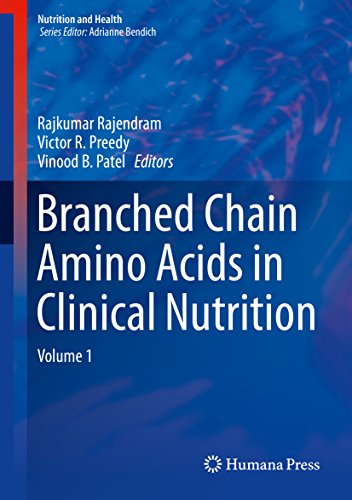
Branched Chain Amino Acids in Clinical Nutrition: Volume 1 (Nutrition and Health) eBook : Rajendram, Rajkumar, Preedy, Victor R., Patel, Vinood B.: Kindle Store
Amazon.com: Branched Chain Amino Acids in Clinical Nutrition: Volume 1 (Nutrition and Health) eBook : Rajendram, Rajkumar, Preedy, Victor R., Patel, Vinood B.: Kindle Store
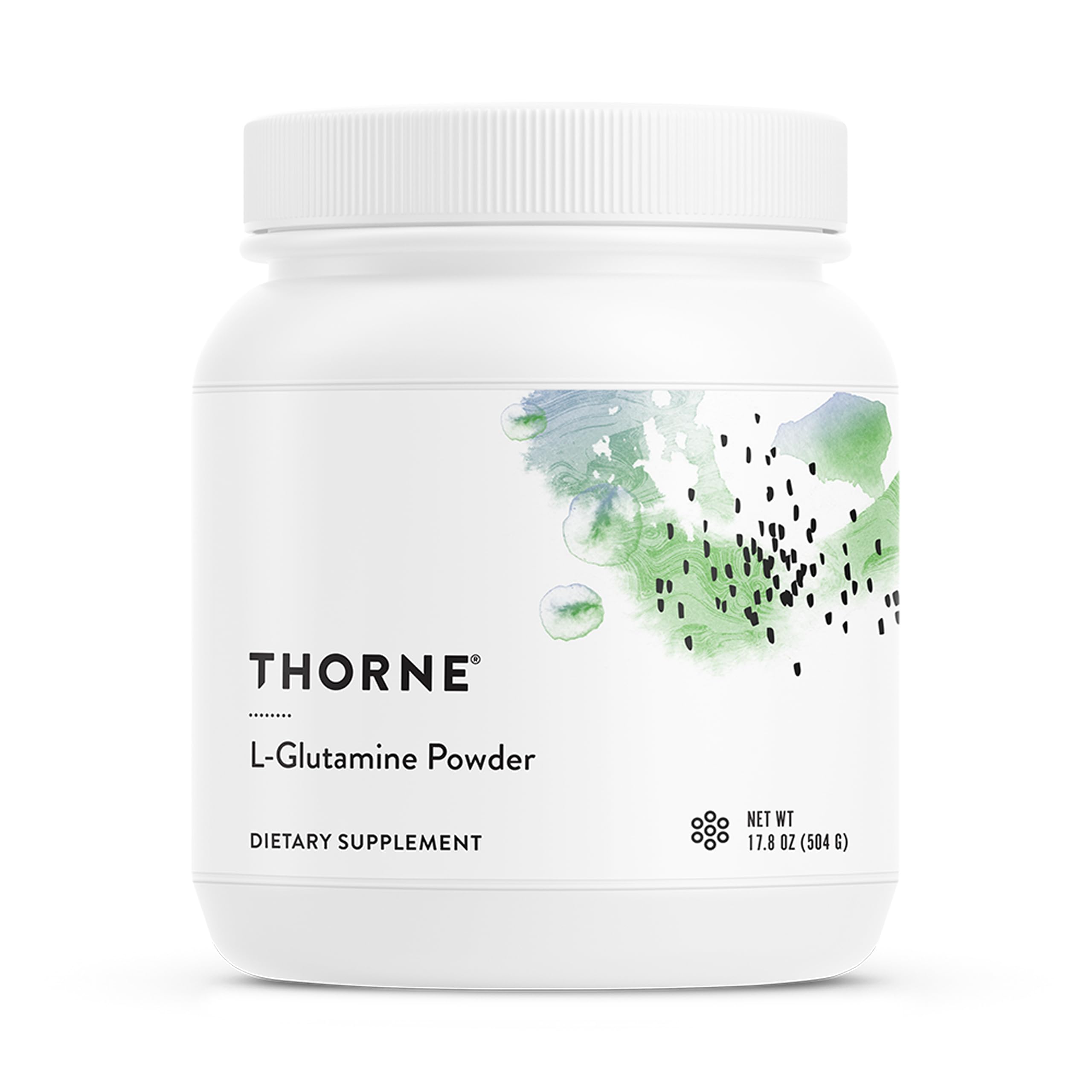
THORNE - L-Glutamine Powder - Glutamine Powder for GI Health and Immune Function* - 17.8 Oz
Momentous L-Glutamine Powder - <strong>Gut Health & Muscle Recovery Supplement - Boosts Exercise Performance & Immune Function</strong> - NSF Certified for Sport - 5 g - 60 Servings · Pure Enc

Jarrow Formulas L-Glutamine 1000 mg, Dietary Supplement for Muscle Tissue, Multifunctional Amino Acid, Immune Support , 100 Easy-Solv Tablets, 50-100 Day Supply
Jarrow Formulas® L-Glutamine 1000 mg tablets <strong>provide the most abundant amino acid in the body for daily muscle tissue protection and immune support</strong> for athletes and people seeking to
Evidence & Sources
Promising research with growing clinical support from multiple studies
- National Institutes of Health (NIH)
- National Center for Complementary and Integrative Health (NCCIH)
- Journal of Nutrition
- Clinical Nutrition
- Nutrition in Clinical Practice
- The New England Journal of Medicine
- Critical Care
- Sports Medicine
This content is for informational purposes only and does not constitute medical advice. Always consult a qualified healthcare provider before starting, stopping, or changing any supplement or medication regimen.