Top Vitamins for Mood Enhancement: Evidence‑Based Guide to Vitamins That Support Mood
Which vitamins help mood? Explore D, B6/B12/folate, and C—how they work, study quality, dosing, safety, and who benefits. Clear, evidence‑based guidance.
·12 min read
This content is for informational purposes only and does not constitute medical advice. Always consult a qualified healthcare provider before starting, stopping, or changing any supplement or medication regimen.
If you’re wondering which nutrients can actually lift your spirits, you’re not alone. Many people search for the top vitamins for mood enhancement when they notice low energy, irritability, or the winter blues. Vitamins are not magic bullets, but research suggests certain ones can support neurotransmitter production, reduce inflammation, and steady stress hormones—all of which influence mood.
This guide explains how key vitamins may affect the brain, what the research shows, how to use them safely, and who is most likely to benefit. Evidence levels are noted for each vitamin: strong (multiple RCTs/meta‑analyses), moderate (limited RCTs/observational), emerging (preliminary or small trials), or traditional (historical/deficiency‑based).
Top vitamins for mood enhancement and how they may work
Vitamin D (Evidence level: moderate)
Vitamin D acts like a neurosteroid. Research indicates it can:
Modulate inflammatory cytokines linked to depression
Influence serotonin synthesis via regulation of tryptophan hydroxylase
Affect neuroplasticity and HPA axis (stress hormone) activity
Low vitamin D status is common in people with limited sun exposure, darker skin, obesity, or autoimmune conditions. It is one of the most studied vitamins for mood.
People with malabsorption, vegan diets (B12), certain medications (metformin, PPIs), or genetic variants affecting folate metabolism may be more vulnerable to low status.
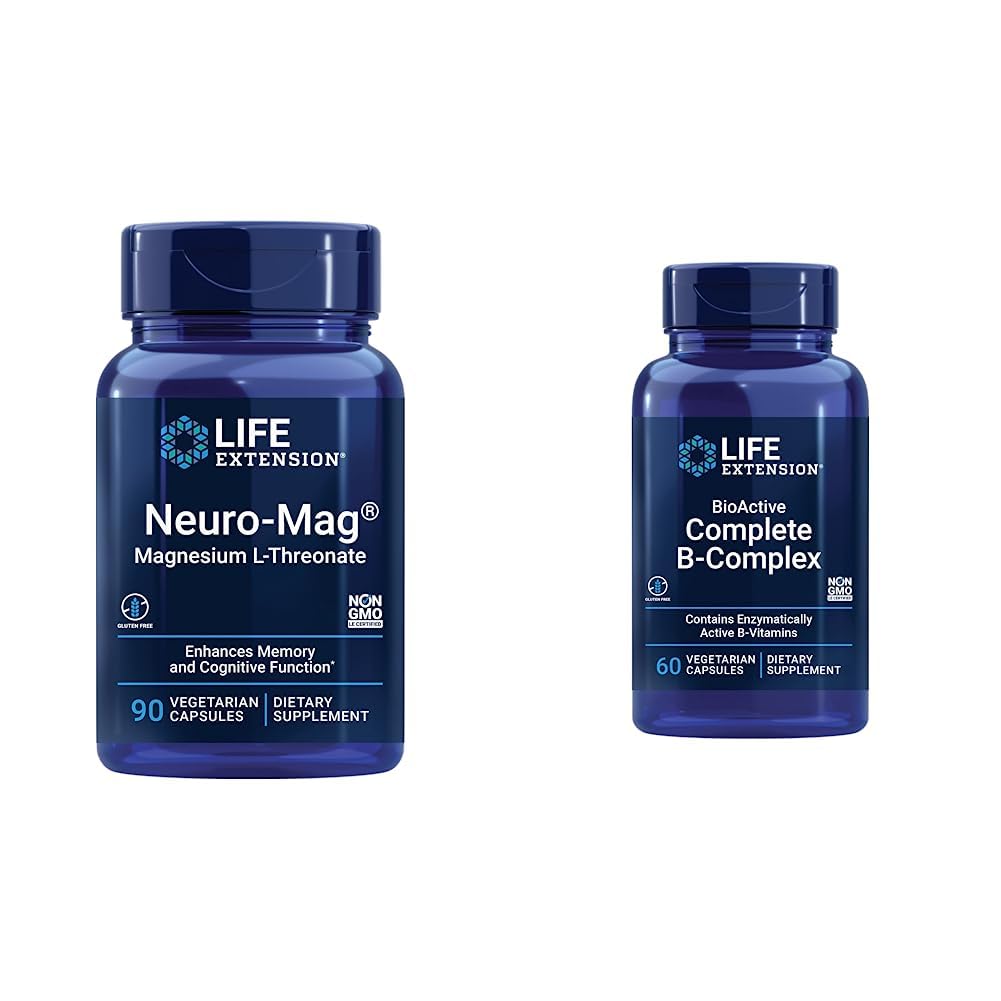
Practical option when diet is limited: a balanced methylated B‑complex may be convenient (not a substitute for testing)
Thiamine (B1) (Evidence level: emerging; strong for deficiency states)
Thiamine is essential for glucose metabolism in neurons and mitochondrial energy. Low thiamine can impair brain energy, contributing to irritability and low mood. It also influences the stress response (HPA axis) and nerve conduction.
Niacin (B3) (Evidence level: traditional for deficiency prevention; limited modern evidence for mood enhancement)
Niacin forms NAD/NADP, core molecules in cellular energy and redox balance. Severe deficiency (pellagra) causes dermatitis, diarrhea, and dementia with depressed mood—reversed by niacin repletion. Outside deficiency, evidence for mood enhancement is sparse.
Vitamin C (ascorbic acid) (Evidence level: moderate for stress‑related mood symptoms; emerging for anxiety)
Vitamin C is a potent antioxidant and cofactor for dopamine‑β‑hydroxylase (converts dopamine to norepinephrine) and for enzymes involved in peptide amidation (affecting neuropeptides). It may:
Meta‑analyses of randomized trials generally show a small but statistically significant improvement in depressive symptoms with vitamin D supplementation, particularly in those who are deficient at baseline. Effect sizes are typically small (standardized mean difference roughly 0.2), but clinically relevant for some individuals.
Trials in seasonal affective symptoms and perinatal populations are mixed; some show benefit, especially when baseline levels are low or doses adequately replete status.
Limitations: Heterogeneous dosing, short durations, and inclusion of participants without deficiency in several trials likely dilute effects.
Overall: Moderate evidence supports vitamin D for mood, with the most consistent benefit in people who are deficient.
B6 and B‑complex
A small RCT has suggested high‑dose B6 (around 100 mg/day) may reduce anxiety by shifting neurotransmission toward GABAergic activity; this is promising but preliminary.
Multiple trials of B‑complex formulas in workplace stress show small improvements in perceived stress and mood compared with placebo over 4–12 weeks.
Evidence for B6 in premenstrual symptoms (including mood) is older and mixed but suggests possible benefit at modest doses.
Overall: Emerging evidence for B6 alone (especially anxiety/PMS) and moderate evidence for B‑complex on stress/mood in generally healthy adults.
Folate (including L‑methylfolate) and B12
Observational research consistently links low folate/B12 and high homocysteine with greater depression risk and poorer antidepressant response.
Adjunctive L‑methylfolate (the bioactive folate form) has shown modest improvements in depressive symptoms when added to SSRIs/SNRIs, particularly in patients with elevated inflammatory markers or high BMI. Some trials used 15 mg/day.
B12 as an adjunct to antidepressants may improve treatment response in deficient or borderline‑deficient individuals; stand‑alone effects in replete adults are inconsistent.
Overall: Moderate evidence, stronger when deficiency or elevated homocysteine is present, and for adjunctive use with standard therapy.
Small RCTs have reported improved self‑reported mood and energy with thiamine supplementation in people with low-normal status. Robust trials are limited.
Repletion clearly improves neuropsychiatric symptoms in deficiency states (e.g., heavy alcohol use, malabsorption), but this is different from enhancement in replete individuals.
Overall: Emerging evidence in non‑deficient populations; strong need for better trials.
Niacin (B3)
Outside pellagra or medically supervised lipid therapy, modern RCTs do not show niacin as a mood enhancer. Anecdotes exist but lack controlled evidence.
Overall: Traditional evidence for correcting deficiency; no reliable enhancement data.
Vitamin C
Several small RCTs in students, hospital inpatients, and high‑stress groups report reductions in mood disturbance and anxiety with vitamin C (often 500–1000 mg/day) versus placebo.
A few trials in major depression are inconclusive or show benefit only as adjunct therapy.
Overall: Moderate evidence for stress‑related mood symptoms; emerging for anxiety and as an adjunct in clinical depression.
Forms: D3 (cholecalciferol) is generally preferred for raising serum 25(OH)D
Common doses in studies: 1000–4000 IU/day; higher short‑term repletion may be used under medical supervision
Labs/markers: Serum 25‑hydroxyvitamin D [25(OH)D]; many clinicians aim for 30–50 ng/mL
Safety: UL is 4000 IU/day for most adults; excess can cause hypercalcemia (nausea, confusion, kidney issues). Caution with thiazide diuretics and granulomatous diseases. Consider retesting after 8–12 weeks.
Practical tool: Many people find an at‑home 25(OH)D blood spot test helpful for tracking levels between clinic visits.
Forms: Pyridoxine HCl; P5P (active form) for some individuals
Common doses: 25–50 mg/day in B‑complex; some anxiety/PMS studies used up to 100 mg/day short‑term
Labs/markers: Plasma PLP (pyridoxal‑5‑phosphate)
Safety: UL 100 mg/day in the U.S. (lower in some regions). Chronic high doses can cause sensory neuropathy (numbness/tingling). B6 can reduce levodopa efficacy when levodopa is not paired with carbidopa.
Folate: 400–800 mcg/day; adjunctive L‑methylfolate in depression trials: 7.5–15 mg/day under medical care
B12: 250–1000 mcg/day orally; higher doses for deficiency or if on metformin/PPIs
Labs/markers: Serum B12 plus methylmalonic acid (MMA) and homocysteine; RBC folate is more stable than serum folate
Safety: Folate UL is 1000 mcg/day for supplemental folic acid due to risk of masking B12 deficiency; screen B12 before high‑dose folate. L‑methylfolate is generally well tolerated; rare reports of activating symptoms (e.g., in bipolar disorder) at higher doses—use medical supervision. B12 has no established UL; rare acneiform eruptions can occur.
Forms: Thiamine HCl; benfotiamine (fat‑soluble derivative for certain uses)
Common doses: 50–100 mg/day in B‑complex; higher for deficiency or alcohol use disorder under supervision
Labs/markers: Whole blood or erythrocyte thiamine diphosphate; erythrocyte transketolase activity
Safety: No established UL; very well tolerated. Rapid IV administration is medical‑only.
Niacin (B3)
Food sources: Poultry, fish, peanuts, mushrooms; tryptophan can convert to niacin
Forms: Nicotinic acid (flushing), niacinamide/nicotinamide (no flush), nicotinamide riboside (NR)
Common doses: RDA ~14–16 mg/day; high‑dose therapy for lipids (500–2000 mg/day) is prescription‑level
Labs/markers: Specialized (urinary N‑methylnicotinamide) rarely used in routine care
Safety: UL for flushing is 35 mg/day (immediate‑release nicotinic acid). High doses can cause flushing, itching, liver enzyme elevations, and interact with statins—medical supervision required. Not a mood “enhancer” in replete people.
Vitamin C
Food sources: Citrus, strawberries, kiwi, bell peppers, broccoli
Forms: Ascorbic acid; buffered/mineral‑ascorbate; liposomal (for GI sensitivity)
Common doses: 200–1000 mg/day; divided dosing may improve tolerance
Labs/markers: Plasma vitamin C (fasting), though not commonly measured
Safety: UL is 2000 mg/day; higher doses may cause GI upset and increase oxalate/kidney stone risk in susceptible individuals (especially men, history of stones). Caution in G6PD deficiency with high doses.
Many people find a simple Vitamin D3 + K2 softgel and a balanced methylated B‑complex convenient for daily use. These are options to consider—not guarantees of mood improvement.
Who is most likely to benefit—and who should be cautious
You may be more likely to benefit if you:
Have documented deficiency or borderline status (e.g., low 25(OH)D; low B12/high MMA; high homocysteine; low PLP; low vitamin C)
Have limited sun exposure; darker skin; live at high latitude (vitamin D)
Follow vegan/vegetarian diets (B12) or diets low in fruits/vegetables (vitamin C, folate)
Are pregnant/postpartum or perimenopausal (folate/B12 demands, vitamin D status, B6 for PMS‑related mood)
Are older (reduced B12 absorption, lower cutaneous vitamin D synthesis)
Have GI/malabsorption conditions (celiac, IBD), bariatric surgery, or chronic alcohol use (thiamine, folate, B12)
Take medications that reduce levels (metformin and PPIs → B12; some anti‑seizure meds → folate; cholestyramine/orlistat → fat‑soluble vitamin absorption)
Cautions and interactions:
Antidepressants and L‑methylfolate: Generally compatible; occasionally activating—monitor, especially in bipolar spectrum.
Levodopa without carbidopa: B6 can reduce efficacy—coordinate with neurology.
Methotrexate (for autoimmune disease): High‑dose folic acid or folate is often prescribed to reduce side effects; changes should be clinician‑guided.
Thiazide diuretics plus high‑dose vitamin D: Risk of hypercalcemia—monitor labs.
Kidney stone history (calcium oxalate): Be conservative with high‑dose vitamin C.
Pregnancy: Avoid megadoses; stick to prenatal‑appropriate ranges unless prescribed.
How to use this information: testing, choosing quality, and building a plan
Get the right tests when mood is low and risk factors are present
Consider: 25(OH)D; CBC; serum B12 with MMA and homocysteine; TSH; ferritin; fasting glucose/A1c; CRP if inflammation suspected. Add RBC folate or PLP (B6) if diet is limited.
Retest 8–12 weeks after starting supplementation to confirm repletion and guide maintenance.
Choose quality supplements
Look for third‑party certifications (USP, NSF, Informed Choice) and evidence‑based doses.
Prefer forms with good bioavailability: D3 (cholecalciferol); cyanocobalamin or methylcobalamin for B12; folate as folic acid or L‑methylfolate depending on clinical context; P5P for B6 if standard forms aren’t tolerated.
Keep dosing within studied ranges; more is not always better. Track how you feel using a simple mood scale or journal.
Combine vitamins with lifestyle and treatment
Nutrition: Emphasize leafy greens, legumes, colorful produce, fatty fish, eggs/dairy or B12‑fortified foods for plant‑based diets.
Sunlight, movement, and sleep hygiene meaningfully affect mood. Mind‑body practices (breathwork, tai chi, meditation) can modulate the stress response.
Therapy and medication: Vitamins can be useful adjuncts, not replacements. Discuss changes with your clinician—especially if you’re on antidepressants, mood stabilizers, thyroid meds, or anticoagulants.
If labs show deficiency, replete that vitamin first. If labs are normal but diet is limited, a standard‑dose multivitamin or B‑complex can be a low‑risk trial for 1–3 months.
Consider a pill organizer or reminder app; adherence matters more than exotic forms. Many people find a well‑reviewed daily pill organizer helpful for consistency.
If mood does not improve or worsens, seek professional evaluation for medical, hormonal, or psychological contributors.
Practical takeaways
The top vitamins for mood enhancement with the best evidence are vitamin D, a balanced B‑complex (with particular attention to B6, folate, and B12), and vitamin C—especially when deficiency or high stress is present.
Effect sizes in trials are generally small to modest; benefits are most consistent in people who start out low.
Test, replete, and maintain—then integrate sleep, movement, sunlight, therapy, and social connection for the biggest impact on how you feel.
Disclaimer
This information is for educational purposes and should not replace personal medical advice. Always consult your healthcare professional before starting, stopping, or changing any supplement—especially if you are pregnant, breastfeeding, have a medical condition, or take prescription medications.
This content is for informational purposes only and does not constitute medical advice. Always consult a qualified healthcare provider before starting, stopping, or changing any supplement or medication regimen.
Best Vitamins for Mood Enhancement: An Evidence‑Based Guide to Supporting Mental Wellbeing. If you’re wondering which nutrients truly make a difference for how you feel day to day, you’re not alone. The phrase “best vitamins for mood enhancement” gets searched for a reason: many of us sense that nutrition and mental wellbeing are connected, but we want clarity about what actually helps, ho
Top Vitamins for Skin Health: An Evidence‑Based Guide to Vitamin C, E, A, D, Biotin & More. If you’re wondering which nutrients truly nourish your skin, you’re not alone. Many people search for the top vitamins for skin health to address dryness, acne, fine lines, or uneven tone. Research suggests specific vitamins play distinct biological roles in collagen synthesis, antioxidant defense,
Natural Supplements for Brain Health: An Evidence‑Based Guide to Nootropics, Omega‑3s, and Key Vitamins. If you’re searching for natural supplements for brain health, you’re likely looking for safe, evidence‑based ways to support memory, focus, mood, or long‑term cognitive resilience. This guide reviews what research suggests works, how these supplements may act in the brain, and how to use them though
Best Vitamin D Supplements: Top Picks & Buying Guide. If you’re wondering how to choose the best vitamin D supplement for your needs, you’re not alone. Vitamin D supports bone health, immune function, and mood, yet many of us fall short—especially in winter or with limited sun exposure. This guide reviews how to pick a high‑quality product, who might b
Supplements for Energy Boost: Evidence‑Based Options, Dosage, and Safety. Feeling drained and wondering which supplements for energy boost actually work? Before reaching for a pill or powder, it helps to understand why energy dips happen and when supplements may help versus when a medical evaluation is the smarter first step. This guide bridges western research and time‑t
Vitamin Combinations for Optimal Energy: An Evidence‑Based Guide to Stacks, Safety, and When to Test. If you’re dragging through the day and wondering which vitamin combinations for optimal energy can actually help, you’re not alone. Fatigue has many causes—sleep debt, stress, low iron, suboptimal B vitamins, thyroid issues, post‑viral recovery—and the right nutrient stack depends on what’s driving