Top Vitamins for Skin Health: An Evidence‑Based Guide to Vitamin C, E, A, D, Biotin & More
An evidence‑based look at the top vitamins for skin health—what works, who benefits, safe doses, and how to combine C, E, A, D, niacinamide, and biotin.
·11 min read
This content is for informational purposes only and does not constitute medical advice. Always consult a qualified healthcare provider before starting, stopping, or changing any supplement or medication regimen.
If you’re wondering which nutrients truly nourish your skin, you’re not alone. Many people search for the top vitamins for skin health to address dryness, acne, fine lines, or uneven tone. Research suggests specific vitamins play distinct biological roles in collagen synthesis, antioxidant defense, barrier integrity, pigmentation balance, and inflammation control—yet the best form (topical vs oral), dose, and expectations can vary widely.
Below, we bridge western research with time‑tested traditions to help you build a skin‑smart plan you can actually use.
Top vitamins for skin health: roles, deficiency signs, and topical vs oral
Vitamin A (retinoids and carotenoids)
Biological role: Retinoids (retinol, retinal, tretinoin) regulate gene expression in keratinocytes and fibroblasts, promoting cell turnover and collagen production while reducing matrix metalloproteinases that degrade collagen. Beta‑carotene and other carotenoids act as photoprotective antioxidants.
Common deficiency signs: Xerosis (dry, rough skin), follicular hyperkeratosis, impaired wound healing, night blindness. True deficiency is uncommon in developed settings but can occur with fat‑malabsorption or very restricted diets.
Topical vs oral effectiveness:
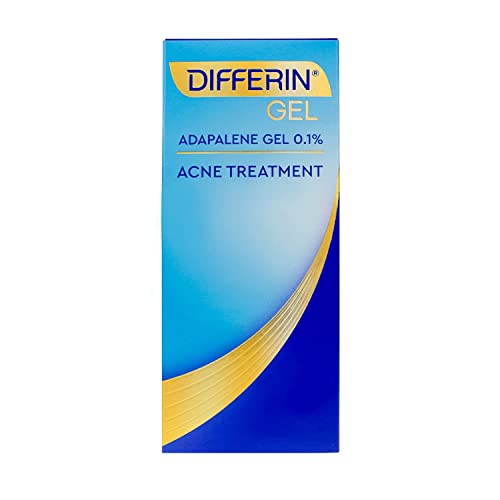
Topical: Strong evidence (multiple RCTs) that retinoids improve photoaging (fine lines, texture), acne, and mottled pigmentation over 8–12+ weeks. Prescription tretinoin and adapalene have the strongest data; OTC retinol is effective but milder. Evidence level: strong for photoaging and acne.
Oral: Isotretinoin (a medication) is highly effective for severe acne but requires medical supervision due to teratogenicity and lab monitoring. Routine high‑dose oral vitamin A for skin is not advised due to toxicity risk. Evidence level: strong for isotretinoin in acne; limited/unsafe for high‑dose vitamin A supplements.
Traditional perspective: Ghee (rich in fat‑soluble vitamins) and colorful vegetables (carotenoids) are traditionally used in Ayurveda to support “ojas” (vital glow). Evidence level: traditional.
Food first: Liver (very high; use sparingly), eggs, dairy, and orange/green produce (carrots, sweet potato, kale) for beta‑carotene.
Supplements: If using retinol topically, 0.25–1% at night; prescription tretinoin 0.025–0.1% via clinician. Oral vitamin A should not exceed the upper limit (UL) of 3,000 mcg RAE/day without medical guidance. Avoid high doses in pregnancy or when trying to conceive.
Vitamin C (ascorbic acid)
Biological role: Cofactor for prolyl and lysyl hydroxylases that stabilize collagen; regenerates vitamin E; supports barrier lipids and reduces oxidative damage from UV and pollution.
Deficiency signs: Rough “corkscrew” hairs, easy bruising, gum bleeding, poor wound healing (scurvy spectrum). Smokers often need more.
Topical vs oral effectiveness:
Topical: L‑ascorbic acid 10–20% at acidic pH improves photodamage, fine lines, and hyperpigmentation; enhances UV protection when combined with vitamin E/ferulic acid. Evidence level: moderate to strong (human trials, but formulations matter).
Oral: Helps collagen formation and wound healing; benefits for wrinkles are less direct unless dietary intake is low. Evidence level: moderate (observational + some trials).
Traditional perspective: Amla (Indian gooseberry) is a vitamin‑C‑rich fruit used in Ayurveda for skin vitality. Evidence level: traditional/emerging.
Affiliate mention: Many people find Liposomal Vitamin C 1000 mg convenient for gentle GI tolerance; quality and third‑party testing are worth checking.
Vitamin D (D3/cholecalciferol)
Biological role: Modulates innate and adaptive immunity in skin, supports barrier function and antimicrobial peptides; influences inflammation relevant to eczema and psoriasis.
Deficiency signs: More common in darker skin tones, limited sun exposure, and older adults; may correlate with dry skin or inflammatory flares (associations, not proof of causation).
Oral supplementation benefits those who are deficient; data for acne or aging are mixed. Evidence level: moderate for deficiency‑related issues, limited otherwise.
Suggested intakes and forms:
Food first: Fatty fish, egg yolks, fortified foods; safe sun exposure produces D but also causes photodamage—sunscreen and shade remain essential.
Affiliate mention: Some people consider Vitamin D3 + K2 Softgels; note that vitamin K can interact with warfarin—consult your clinician.
Vitamin E (tocopherols and tocotrienols)
Biological role: Lipid‑soluble antioxidant concentrated in sebum; helps defend cell membranes and surface lipids from UV‑generated free radicals; works synergistically with vitamin C.
Deficiency signs: Rare; can occur with fat‑malabsorption. Skin may be drier or more susceptible to oxidative stress.
Topical vs oral effectiveness:
Topical: Alpha‑tocopherol (0.5–1%) can reduce UV‑induced erythema and improve barrier function; strongest data when combined with vitamin C. Evidence level: moderate.
Oral: Mixed results for photoaging; high‑dose supplements may increase bleeding risk. Evidence level: limited for cosmetic outcomes.
Supplements: Aim for the RDA (15 mg alpha‑tocopherol/day) from diet or a multivitamin; avoid megadoses unless prescribed.
Vitamin K (K1/phylloquinone, K2/mk‑7/mk‑4)
Biological role: Cofactor for gamma‑carboxylation of proteins involved in coagulation and tissue repair; indirect role in post‑procedure bruise resolution.
Deficiency signs: Easy bruising/bleeding (rare without medication or malabsorption).
Topical vs oral effectiveness:
Topical: Small trials suggest vitamin K1 (0.1–5%) may help post‑laser bruising and redness; evidence is emerging. Evidence level: emerging.
Oral: Essential for overall health, but direct cosmetic skin benefits are unclear. Evidence level: limited.
Suggested intakes and forms:
Food first: Leafy greens (K1), natto and some cheeses (K2).
Supplements: Typical K2 MK‑7 doses are 90–120 mcg/day. Avoid with warfarin unless supervised.
B‑complex highlights: Niacinamide (B3), Biotin (B7), plus notes on B2, B6, B12
Niacinamide (nicotinamide)
Role: Improves barrier function (increases ceramides), reduces sebum, calms inflammation, and evens tone by inhibiting melanosome transfer.
Evidence: Topical 2–5% improves acne, redness, pore appearance, and hyperpigmentation within 4–8 weeks; comparable to 1% clindamycin in small trials. Oral nicotinamide 500 mg twice daily reduced actinic keratoses and non‑melanoma skin cancer recurrence in high‑risk adults (ONTRAC RCT). Evidence level: strong for topical barrier/brightening; moderate to strong for oral chemoprevention in high‑risk groups under medical guidance.
Forms: Topical serums 2–5% are well tolerated; oral doses for general skin use are not universally recommended—discuss with a clinician.
Role: Coenzyme for fatty acid metabolism; deficiency can present with rash and alopecia.
Evidence: Supplementation helps only if deficient (rare). High‑dose biotin can interfere with thyroid and cardiac lab tests. Evidence level: moderate for deficiency correction; limited for cosmetic benefits in replete individuals.
Notes: Deficiency can look like seborrheic dermatitis around the nose and mouth. Correcting deficiency helps; cosmetic benefits beyond this are unproven. Evidence level: moderate for deficiency.
Pyridoxine (B6) and cobalamin (B12)
Notes: High doses may trigger acneiform eruptions in some people; avoid megadoses unless medically indicated. Evidence level: emerging to moderate (case reports, small studies).
Food sources, supplement forms, dosing, and safety
Fat‑soluble vs water‑soluble:
Fat‑soluble (A, D, E, K) absorb better with meals containing healthy fat; excess can accumulate—stay within recommended limits.
Water‑soluble (C and B‑complex) are not stored to the same extent; excess is excreted but high doses can still cause issues (e.g., GI upset with vitamin C, flushing with niacin, nerve issues with very high B6).
Clinically appropriate ranges (general guidance; consult your clinician):
Vitamin A: 700–900 mcg RAE/day; UL 3,000 mcg RAE. Prefer carotenoid‑rich foods if pregnancy is possible.
Vitamin C: 75–90 mg/day (RDA), +35 mg for smokers; common supplements 200–500 mg/day; UL 2,000 mg.
Vitamin D: Test first; 1,000–2,000 IU/day often maintains sufficiency; UL 4,000 IU without supervision.
Vitamin K: 90–120 mcg/day; avoid with warfarin unless supervised.
Niacinamide: Topical 2–5% is standard; oral 500 mg twice daily only when clinically indicated (e.g., high risk for non‑melanoma skin cancer) and under supervision.
Vitamin C can enhance non‑heme iron absorption; separate from iron if you experience GI upset but pairing can be beneficial in anemia.
Vitamin C helps regenerate oxidized vitamin E, making them complementary in topical serums.
Vitamins D and K often discussed together for calcium metabolism; this is more about bone/vascular health than direct skin benefits.
Retinoids and exfoliants can increase irritation when layered; introduce slowly.
Medication and pregnancy cautions:
Retinoids (topical and especially oral isotretinoin) are teratogenic—avoid in pregnancy/trying to conceive.
Vitamin K interacts with warfarin—do not change intake without guidance.
High‑dose vitamin E may increase bleeding risk with anticoagulants/antiplatelets.
High‑dose biotin can skew lab tests (thyroid, troponin); stop biotin 48–72 hours before labs or as advised.
Thiazide diuretics with high‑dose vitamin D may increase hypercalcemia risk.
What the research says (by skin concern)
Aging and wrinkles
Topical retinoids: Strong evidence for improved fine lines, texture, and collagen density over 8–24 weeks. Mechanism: increased collagen production and reduced collagenase activity.
Topical vitamin C (10–20%) + E: Moderate to strong evidence for improved brightness, reduced fine lines, and enhanced photoprotection. Expect visible changes in 8–12 weeks.
Niacinamide (2–5% topical): Strong evidence for improved barrier lipids (ceramides), reduced transepidermal water loss in 2–4 weeks.
Vitamin E topical: Moderate evidence for barrier support and reduced UV‑induced redness.
Vitamin D deficiency correction: May help dryness indirectly by supporting epidermal function; evidence level: moderate for deficient individuals.
Acne and oil regulation
Topical retinoids: Strong evidence; reduce comedones and inflammation.
Niacinamide: Strong evidence for reduced sebum and inflammatory lesions; useful adjunct to standard acne care.
Oral high‑dose B6/B12 may exacerbate acne in some; consider dose review. Evidence: emerging to moderate.
Hyperpigmentation and uneven tone
Vitamin C (topical): Moderate to strong evidence for reducing melanin formation and improving tone.
Niacinamide: Strong evidence for inhibiting melanosome transfer; benefits in 4–8 weeks.
Vitamin K topical: Emerging evidence for post‑procedure bruising and discoloration.
Photodamage and sun protection (adjunct to sunscreen)
Vitamin C + E serums: Moderate to strong evidence for reducing UV‑induced oxidative stress when used with sunscreen. Not a substitute for SPF.
Oral beta‑carotene and carotenoids: May offer mild photoprotection but high‑dose beta‑carotene is not advised for smokers. Evidence: moderate with safety caveats.
Wound healing and post‑procedure care
Vitamin C: Moderate evidence for supporting collagen formation and repair, particularly if intake is low.
Vitamin A/retinoids: Can improve remodeling but may irritate early wounds; typically paused peri‑procedure as advised.
Vitamin K topical: Emerging evidence for reducing bruising and redness after laser treatments.
A well‑designed multivitamin at RDA levels if intake is inconsistent.
Vitamin D3 if lab‑confirmed low.
Vitamin C 200–500 mg/day if your diet lacks fresh produce or during wound healing.
Avoid megadoses without a medical reason.
Synergy notes
Vitamin C helps regenerate vitamin E; pairing in a morning serum enhances photoprotection (with sunscreen).
Retinoids remodel collagen; adequate vitamin C supports collagen cross‑linking from within.
Collagen peptides may complement a vitamin‑rich diet for dermal support; evidence is growing for skin elasticity. See Collagen Peptides.
Practical takeaways
Prioritize proven topicals for visible results: retinoids (night) and vitamin C + E (morning), with niacinamide as a gentle multitasker.
Use food to cover the bases; supplement strategically for vitamin D (if deficient) and vitamin C (if intake is low).
Respect safety limits—especially for fat‑soluble vitamins and in pregnancy or when on blood thinners.
Expect timelines of 4–12 weeks for most topical vitamin benefits; stick with consistent routines.
Disclaimer
This article is for educational purposes and should not replace personalized medical advice. Always consult a qualified clinician before starting new supplements, making major skincare changes, or if you are pregnant, nursing, taking medications, or managing a medical condition.
This content is for informational purposes only and does not constitute medical advice. Always consult a qualified healthcare provider before starting, stopping, or changing any supplement or medication regimen.
Vitamin C Beyond Colds: Focus on Collagen Synthesis
If you’ve heard of [vitamin C](/supplements/vitamin-c) only in the context of colds, you’re missing its central role in how the body builds and mai
Best Collagen Supplements 2026: Top Picks & Buyer's Guide. If you’re searching for the best collagen supplement, you probably want something that actually mixes well, is tested for safety, and—most importantly—has evidence behind it. Collagen isn’t magic, but research suggests certain forms and doses can modestly support skin hydration and elasticity, nail
Top Vitamins for Mood Enhancement: Evidence‑Based Guide to Vitamins That Support Mood. If you’re wondering which nutrients can actually lift your spirits, you’re not alone. Many people search for the top vitamins for mood enhancement when they notice low energy, irritability, or the winter blues. Vitamins are not magic bullets, but research suggests certain ones can support neurotrans
Essential Vitamins for Hair Growth: An Evidence‑Based Guide to Biotin, Vitamin D, Iron & More. If you’re noticing more shedding in the shower or thinning at the part, it’s natural to wonder which nutrients actually help hair. Research suggests several essential vitamins for hair growth support follicle health when you’re low in them—biotin, vitamins A, C, D, E, B12 and folate—along with key m
Naturopathic Remedies for Skin Conditions: An Evidence‑Based Guide to Acne, Eczema, Psoriasis & More. If you’re exploring naturopathic remedies for skin conditions, you likely want options that support healing without harsh side effects—and you want to know what actually works. This guide brings together research-informed and traditionally used approaches to common concerns such as acne, eczema, pso
Best Vitamins for Mood Enhancement: An Evidence‑Based Guide to Supporting Mental Wellbeing. If you’re wondering which nutrients truly make a difference for how you feel day to day, you’re not alone. The phrase “best vitamins for mood enhancement” gets searched for a reason: many of us sense that nutrition and mental wellbeing are connected, but we want clarity about what actually helps, ho