If you’re searching for the best collagen supplement, you probably want something that actually mixes well, is tested for safety, and—most importantly—has evidence behind it. Collagen isn’t magic, but research suggests certain forms and doses can modestly support skin hydration and elasticity, nail strength, joint comfort, and possibly bone health over months of consistent use.
Below, we compare standout options, explain how we evaluate collagen quality, break down the types (I, II, III; bovine vs. marine vs. chicken), and share practical tips on dose, timing, and pairing with vitamin C.
Our Top Picks — Best Collagen Supplements (Quick Compare)
These categories reflect what most people shop for. We prioritize hydrolyzed collagen peptides, clear labeling of collagen type and source, third‑party testing, and realistic doses used in studies.
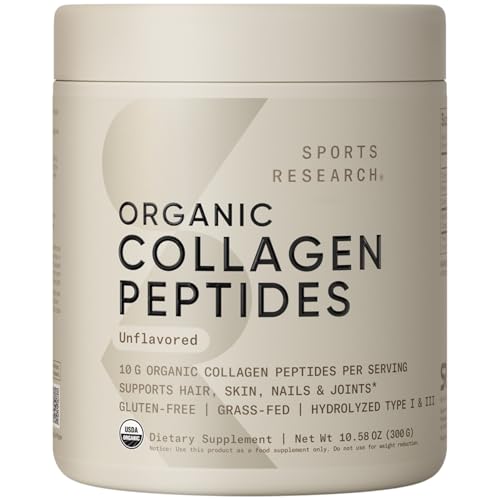
Best overall (daily use, broad benefits)
- Type: Hydrolyzed collagen peptides (Type I & III)
- Source: Grass‑fed bovine
- Form: Unflavored powder
- Typical dose: 10 g/day
- Why it stands out: Versatile, mixes into coffee/smoothies; most skin trials use 2.5–10 g/day for 8–12 weeks
- Example option worth considering: Pure Collagen Peptides (Unflavored)
Best marine collagen (skin‑first, pescatarian)
- Type: Hydrolyzed Type I
- Source: Wild‑caught fish skin/scale
- Form: Powder
- Typical dose: 5–10 g/day
- Why it stands out: Smaller peptide profile; good solubility; look for heavy‑metal testing and sustainability claims
- Example option worth considering: Sustainably Sourced Marine Collagen Peptides
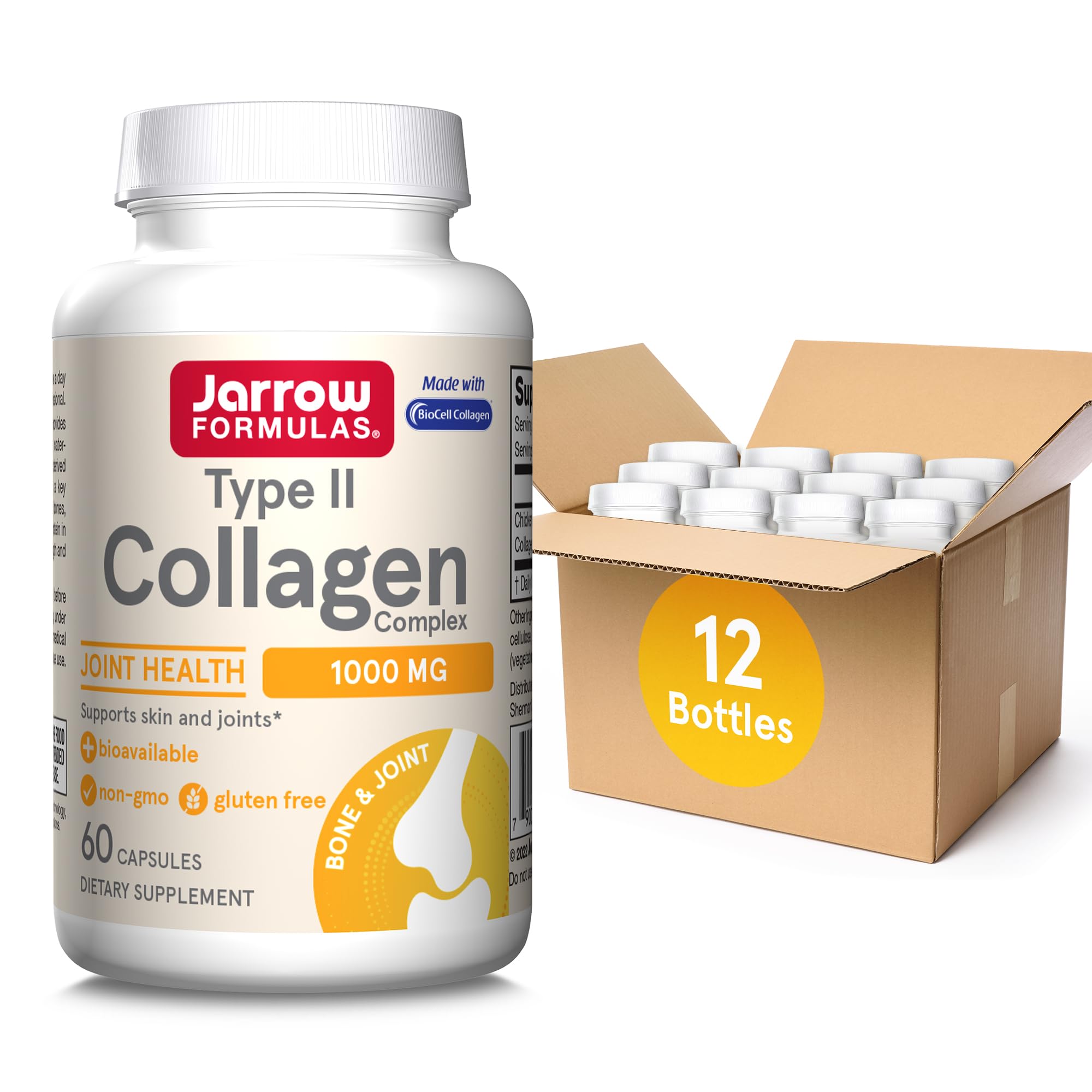
Best for joints (low‑dose capsule)
- Type: Undenatured Type II collagen (UC‑II)
- Source: Chicken sternum
- Form: Capsule
- Typical dose: 40 mg/day (very small dose, different mechanism vs. peptides)
- Why it stands out: Some RCTs suggest improved joint comfort and function at a very low dose; convenient for those who don’t want powders
- Example option worth considering: Type II Collagen Joint Support
Best for joints (peptide approach)
- Type: Hydrolyzed Type II (chicken) or multi‑type blend including II
- Source: Chicken sternum or eggshell membrane (contains II + GAGs)
- Form: Powder or capsule
- Typical dose: 2.5–10 g/day for peptides; 300–500 mg/day for eggshell membrane
- Why it stands out: A peptide‑based route many athletes and active adults prefer
Best capsule (no mixing required)
- Type: Hydrolyzed Type I & III (bovine)
- Dose: Aim for 2.5–5 g/day, which can mean multiple capsules
- Why it’s popular: Travel‑friendly; easier adherence
Best budget powder
- Type: Hydrolyzed Type I & III (bovine)
- Form: Large tub; minimal additives
- Why it’s popular: Low cost per gram; confirm third‑party testing
Best flavored collagen (enjoyable to drink)
- Type: Hydrolyzed peptides (I &/or III)
- Note: Check sweeteners and flavors if you’re sensitive; ensure the collagen dose still reaches 5–10 g/serving
For a deeper dive on how collagen peptides differ from gelatin, see our primer on Collagen Peptides.
How We Evaluated These Collagen Supplements (Methodology & Criteria)
We combine Western evidence standards with practical considerations from traditional use and modern manufacturing.
- Evidence‑aligned forms and doses
- Hydrolyzed collagen peptides in the 2.5–15 g/day range are most studied for skin, nails, and general support. Undenatured Type II is studied for joint comfort at 40 mg/day.
- Type and source transparency
- Clear labeling of Type I/II/III and source (bovine, marine, chicken, eggshell). Blends should disclose their composition.
- Third‑party testing and contaminants
- Preference for brands that test for heavy metals (especially important with marine collagen), microbial contaminants, and identity/potency. Certifications like NSF/USP/Informed Choice add confidence.
- Additives and flavor system
- Minimal unnecessary sweeteners, colors, or gums—unless flavor is a priority for you.
- Solubility and taste
- Peptides should dissolve easily in hot or cold liquids with neutral taste.
- Sustainability and ethics
- Use of byproducts (fish skin/scales), wild‑caught or responsibly farmed sources, and transparent supply chains.
- Cost per gram
- We calculate value based on dose used in studies, not just price per tub.
Types of Collagen & Sources: Bovine, Marine, Chicken, and Collagen Builders
Collagen is a structural protein family. Different types dominate different tissues:
- Type I: Skin, bone, tendons; common in bovine and marine collagen
- Type II: Cartilage; abundant in chicken sternum and eggshell membrane
- Type III: Skin and blood vessels; often alongside Type I in bovine collagen
Sources and what they’re best known for
- Bovine (Type I & III): Popular for skin support and general use; widely available and budget‑friendly
- Marine (Type I): Pescatarian‑friendly; often praised for mixability; verify heavy‑metal testing and sustainability
- Chicken (Type II): Targeted for joint support; either hydrolyzed peptides (grams/day) or undenatured Type II (40 mg/day)
- Eggshell membrane: Contains Type II plus glycosaminoglycans (GAGs) in small doses (hundreds of mg/day)
Collagen peptides vs. gelatin
- Gelatin is partially hydrolyzed collagen that gels; peptides are further hydrolyzed into small chains that do not gel and are more soluble. Studies on skin and joint outcomes primarily use hydrolyzed collagen peptides.
“Collagen builders” (vegan options)
- These don’t contain collagen. They supply vitamin C and amino acids (glycine, proline) or ingredients that may stimulate your own collagen production. Emerging evidence suggests certain botanicals and micronutrients can support collagen synthesis, but effects are likely smaller than direct collagen peptide intake. If you prefer plant‑based support, focus on a balanced protein intake plus vitamin C. See our guide to Vitamin C and Collagen Synthesis.
Curious which collagen type matches your goal? Our explainer on Collagen Types Explained: Joints, Skin, Gut & Beyond breaks it down.
What the Evidence Says: Potential Benefits for Skin, Hair, Nails, and Joints
Overall evidence level for collagen’s common uses: moderate
Skin hydration, elasticity, and fine lines
- Evidence: Moderate. Multiple randomized controlled trials and meta‑analyses report small but meaningful improvements in skin hydration, elasticity, and wrinkle depth after 8–12 weeks with 2.5–10 g/day of hydrolyzed collagen peptides. Effects tend to persist with ongoing use.
- Mechanism: Collagen peptides are absorbed as di‑ and tri‑peptides (e.g., Pro‑Hyp, Hyp‑Gly) that may signal skin cells (fibroblasts) to produce more collagen and hyaluronic acid, improving the skin matrix.
Nails and hair
- Evidence: Emerging to moderate. Small trials and observational studies suggest improved nail growth rate and reduced brittleness over 8–24 weeks; hair outcomes are less consistent. Stronger data are needed.
- Mechanism: Provides amino acids (glycine, proline, hydroxyproline) that support structural proteins; possible signaling effects similar to skin.
Joints (general comfort and function)
- Evidence: Moderate. Studies in active adults and those with mild osteoarthritis indicate modest improvements in joint comfort and function with hydrolyzed collagen (often 5–10 g/day) or undenatured Type II (40 mg/day). Benefits usually appear after 1–3 months and may increase over 6 months.
- Mechanism: Peptides may supply cartilage‑relevant amino acids; undenatured Type II may help via oral tolerance, modulating immune responses to joint cartilage.
Bone health
- Evidence: Moderate but still developing. Trials in postmenopausal women show collagen peptides, often combined with calcium and vitamin D, can support bone mineral density over 12 months or more. Not a stand‑alone osteoporosis therapy, but potentially supportive.
Muscle, tendon, and ligaments (with training)
- Evidence: Emerging to moderate. A few RCTs in older adults report small gains in fat‑free mass and strength when collagen peptides are paired with resistance training. Preliminary work suggests taking collagen plus vitamin C before tendon/ligament loading may support connective tissue remodeling.
Gut health
- Evidence: Emerging. While collagen is rich in amino acids found in gut connective tissue, human trials on IBS or “leaky gut” are limited. Claims here outpace data.
What this means in real life: Expect incremental changes—not overnight transformations—after several weeks of consistent use, with the best‑supported outcomes in skin hydration/elasticity and joint comfort.
How to Choose: Form (Powder, Capsule, Liquid), Type, Dose, and Additives
If you’re comparing labels, our checklist on How to Choose Quality Supplements can help you spot trustworthy products.
Safety, Side Effects, Allergies, and Drug Interactions — Who Should Be Cautious
Collagen is generally well tolerated. Reported side effects are usually mild:
- Gastrointestinal: Fullness, bloating, or mild digestive upset, especially at higher doses or when starting
- Taste/aftertaste: More common with marine sources
- Allergies: Avoid marine collagen if you have fish or shellfish allergies; always read labels
Who should be cautious
- Pregnancy and breastfeeding: Limited safety data; discuss with your clinician
- Kidney or liver disease, or protein‑restricted diets: Collagen adds to total protein load; review with your healthcare provider
- Medication timing: No well‑documented drug interactions, but separate from thyroid meds, antibiotics, or bisphosphonates if advised to take those on an empty stomach
- Dietary restrictions: Check for kosher/halal certifications if needed
Contaminants and quality
- Marine collagen must be screened for heavy metals and potential microplastics; reputable brands perform batch testing and publish results or provide them on request.
For a deeper dive, see our guide to Collagen Supplement Side Effects: Risks, Who’s at Risk, and Safety Tips.
How to Take Collagen: Timing, Optimal Dose, and Pairing (e.g., Vitamin C)
FAQs, Buying Tips, Certifications, and Sustainability Considerations
Frequently asked questions
Marine vs. bovine: Which is better?
- For skin outcomes, both can work. Choose based on diet, taste, and testing transparency. Marine is pescatarian‑friendly; bovine is budget‑friendly.
How long until I notice changes?
- Most studies run 8–12 weeks for skin and 1–3 months for joints, with some benefits continuing to improve over 6 months with consistent use.
Can vegans take collagen?
- Traditional collagen is animal‑derived. Vegan “collagen builders” may support your own collagen synthesis but don’t supply collagen itself.
Hydrolyzed vs. undenatured Type II for joints?
- They’re different tools. Hydrolyzed peptides provide building blocks in gram doses. Undenatured Type II (UC‑II) appears to modulate immune tolerance at 40 mg/day. Some people try one, then the other, or use both (discuss with your clinician).
Any benefit for athletes?
- Emerging evidence suggests pairing collagen peptides with resistance or tendon‑loading work may support connective tissue adaptations. Also consider your total protein target, hydration, and micronutrients.
Buying tips and certifications
- Look for: Clear collagen type and source, clinically aligned dose, third‑party testing (NSF/USP/Informed Choice), transparent heavy‑metal results (especially marine), and reasonable price per gram.
- Be cautious of: Tiny “pixie‑dust” doses hidden in proprietary blends, heavy flavors that cut the actual collagen content, and unverified “clinical” claims.
- Sustainability: Marine collagen that upcycles fish skins/scales reduces waste; certifications like Marine Stewardship Council (MSC) and supply‑chain transparency are positives. Grass‑fed or pasture‑raised bovine sourcing and animal‑welfare commitments also matter to many shoppers.
Related resources on our site
Practical takeaways
- If your goal is skin hydration/elasticity: Try 5–10 g/day of hydrolyzed Type I & III for 8–12 weeks; reassess.
- If your goal is joint comfort: Consider 5–10 g/day hydrolyzed peptides or 40 mg/day undenatured Type II; give it 1–3 months.
- Prefer pescatarian: Marine collagen (Type I) at 5–10 g/day; verify heavy‑metal testing.
- Pair smartly: Combine with vitamin C–rich foods or a small supplement; train consistently if targeting joint/tendon benefits.
- Buy wisely: Prioritize dose, testing, and transparency over hype.
A note on products mentioned
- We include a few non‑prescriptive examples to illustrate features many people look for. Always read labels, confirm third‑party testing, and choose based on your needs and clinician guidance.
This information is for educational purposes and should not replace personalized medical advice. If you have a medical condition, take medications, are pregnant/breastfeeding, or follow a protein‑restricted diet, discuss collagen use with your healthcare professional.