

Collagen
Also known as: Collagen Peptides, Hydrolyzed Collagen, Marine Collagen, Bovine Collagen
Collagen Overview
Collagen is the most abundant structural protein in the human body and a major component of skin, cartilage, tendons, ligaments, bones, blood vessels, and other connective tissues. In supplement form, collagen is commonly sold as hydrolyzed collagen peptides, gelatin, or less commonly as undenatured collagen. It is widely marketed for skin appearance, joint comfort, healthy aging, exercise recovery, and connective tissue support, and it has become one of the most searched supplement categories in beauty and wellness.
From a biological perspective, collagen is not a single substance but a family of proteins, with Type I, II, and III collagen most often discussed in supplements. Type I is especially prominent in skin, bone, and tendons; Type II is associated with cartilage; and Type III is found in skin, blood vessels, and internal organs. Natural collagen production changes over time with aging, hormonal shifts, sun exposure, smoking, chronic inflammation, inadequate protein intake, and metabolic stress, which helps explain interest in collagen-supportive nutrition and supplementation.
Research on oral collagen has expanded substantially over the last decade. Studies suggest that certain collagen preparations may support skin hydration and elasticity, and may also play a role in joint function, exercise-related discomfort, and connective tissue maintenance in some populations. At the same time, the evidence is not uniform across all uses or all products. Outcomes may vary depending on the collagen source, dose, duration, participant characteristics, and whether the product contains additional nutrients such as vitamin C, hyaluronic acid, or minerals involved in connective tissue metabolism.
Collagen is also discussed beyond cosmetic uses. Some researchers are examining its relevance to musculoskeletal aging, sarcopenia, tendon health, bone support, and gut barrier function, although these areas are less settled than the skin and joint literature. As with many supplements, collagen occupies a space between everyday wellness use and targeted therapeutic interest, and interpretation of benefits often depends on the quality of the formulation and the quality of the clinical evidence. Individuals with medical conditions, food allergies, or questions about supplement use may benefit from discussing it with a qualified healthcare professional.
Medical Perspectives
Two Ways of Seeing Health

Western
scientific · clinical
Western medicine applies science, technology, and clinical experience to treat symptoms through testing, diagnosis, and targeted intervention.

Eastern
traditional · alternative
Eastern medicine focuses on treating the body naturally by applying traditional knowledge practiced for thousands of years, emphasizing balance and whole-person wellness.
Gold Bamboo presents both perspectives side-by-side so you can make informed decisions. We don't advocate for one over the other — your health choices are yours.
Western Medicine Perspective
Western / Conventional Medicine Perspective
In conventional medicine, collagen is understood primarily as a structural protein matrix that gives tissues strength, elasticity, and resilience. Oral collagen supplements are typically evaluated as a nutritional or functional ingredient rather than as a medication. Hydrolyzed collagen peptides are broken into smaller amino acid chains that may be absorbed and distributed systemically; research has explored whether these peptides act not only as protein building blocks but also as bioactive signaling molecules that influence fibroblasts, chondrocytes, and extracellular matrix turnover.
The strongest conventional interest has focused on skin and joint health. Randomized trials and systematic reviews suggest that oral collagen peptides may improve measures such as skin hydration, elasticity, and wrinkle appearance over periods of weeks to months. Joint-related research, including studies in physically active adults and people with osteoarthritis, has reported potential improvements in joint comfort and function, though findings are mixed and some trials are small or industry-funded. For bone, tendon, and muscle-related outcomes, the evidence is promising but less consistent, with ongoing debate about how much of the observed effect is attributable to collagen itself versus overall protein intake and co-nutrients.
Conventional medicine also considers practical issues such as source, safety, and quality control. Most supplements are derived from bovine, porcine, chicken, or marine sources, which may matter for allergy risk, dietary preferences, and cultural or religious reasons. Collagen is generally regarded as well tolerated, but gastrointestinal upset, taste aversion, and rare hypersensitivity reactions are reported. As with other supplements, clinicians may note variability in product purity, labeling accuracy, and independent testing. Collagen is not typically framed as a stand-alone treatment for connective tissue disease, and healthcare providers often interpret it as a supportive measure within broader nutrition, rehabilitation, dermatologic, or musculoskeletal care.
Eastern & Traditional Perspective
Eastern / Traditional Medicine Perspective
Traditional systems of medicine do not usually describe collagen as an isolated biochemical entity in the same way modern nutritional science does. Instead, they tend to interpret connective tissue resilience, skin vitality, joint flexibility, and tissue repair through broader functional patterns. In Traditional Chinese Medicine (TCM), concerns that overlap with modern collagen discussions may be associated with the nourishment of the Liver, Kidney, Blood, and Jing, as well as the condition of the tendons, bones, and skin. Within this framework, age-related dryness, weakness, or reduced tissue resilience may be viewed as reflecting declines in constitutional reserves or impaired nourishment of the body's structural tissues.
In Ayurveda, topics analogous to collagen support are often considered through the health of dhatus such as rasa, rakta, mamsa, asthi, and majja, along with the quality of agni and overall tissue nourishment. Skin luster, joint integrity, recovery capacity, and graceful aging are approached as signs of balanced tissue metabolism rather than the level of one single compound. Traditional foods rich in gelatinous or connective tissue components, mineral broths, and restorative tonics have historically been used in many cultures to support strength, recovery, and vitality, although these traditions do not map directly onto modern collagen peptide products.
In naturopathic and integrative traditions, collagen is often viewed as part of a broader foundational support strategy for connective tissue wellness that may also include adequate protein, micronutrients involved in collagen synthesis, digestive health, and lifestyle factors that influence inflammation and tissue repair. From this perspective, a collagen supplement may be seen as one tool among many rather than a complete solution. The traditional evidence base is therefore largely pattern-based and historical, while modern use of isolated collagen supplements represents a contemporary adaptation layered onto older concepts of nourishment, rebuilding, and healthy aging.
Because traditional frameworks assess the whole person rather than a single tissue target, practitioners may place collagen-related concerns in the wider context of constitution, digestion, stress, sleep, and age-related decline. Integrative discussions commonly emphasize that people with chronic symptoms, autoimmune disorders, or significant joint, skin, or gastrointestinal concerns may benefit from individualized evaluation by an appropriately trained healthcare professional.
Supplements & Products
Recommended Products

The Collagen Diet: A 28-Day Plan for Sustained Weight Loss, Glowing Skin, Great Gut Health, and a Younger You: Axe, Dr. Josh
Featuring <strong>a twenty-eight-day meal plan, seventy mouthwatering recipes, and specific advice for supporting your body's collagen production with exercise and lifestyle interventions</strong

Vital Proteins Collagen Peptides Powder Advanced with Hyaluronic Acid & Vitamin C, 20oz Collagen Protein, Unflavored, 27 Servings
SUPPORTS COLLAGEN PRODUCTION: With 100% daily value of Vitamin C, this Vital Proteins Collagen Peptides Advanced Powder <strong>helps promote collagen production which is important for maintaining hea
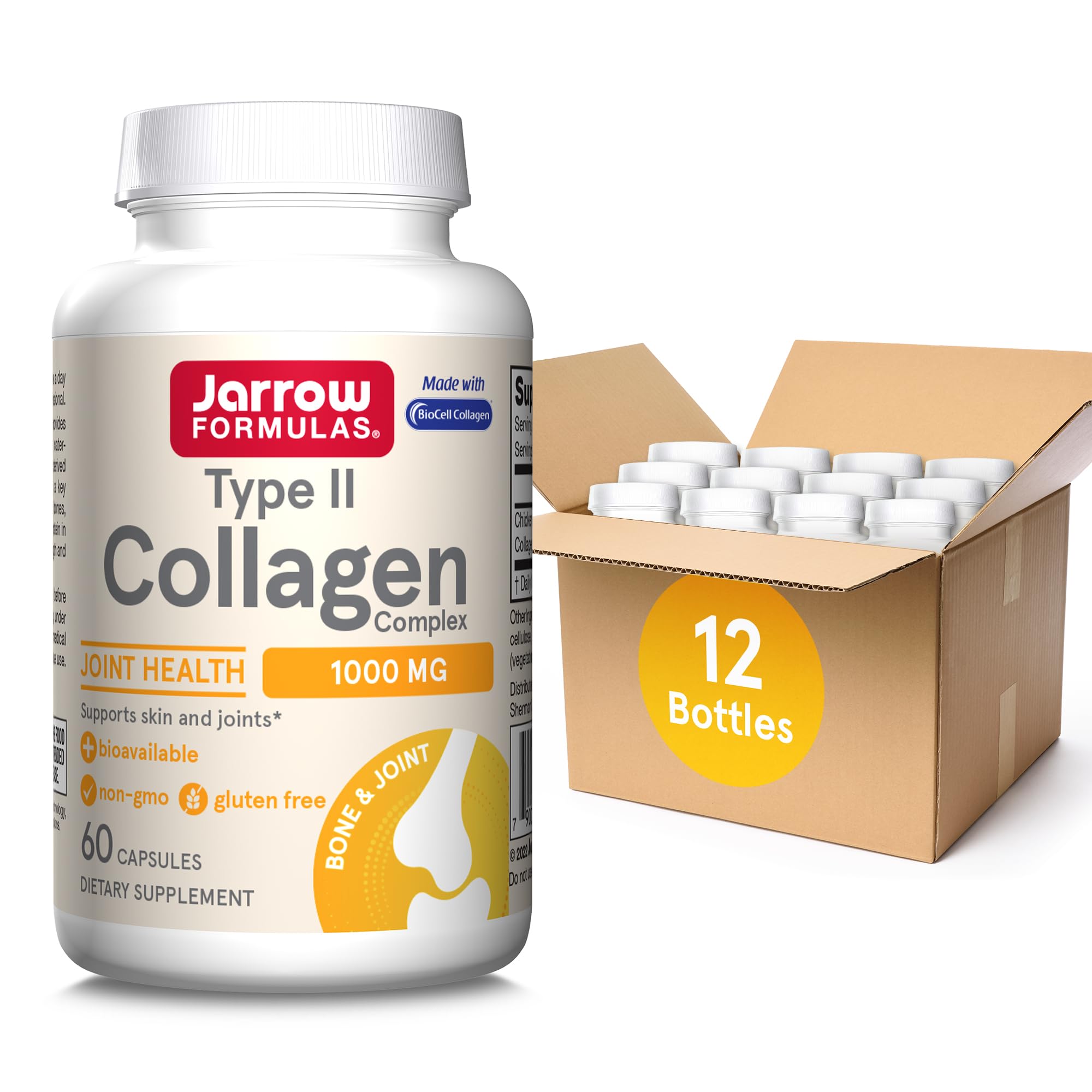
Jarrow Formulas® Type II Collagen Complex 1000 mg Supplements, Supports Skin and Joint Health, 60 Capsules, 30 Day Supply
This clinically researched, patented and naturally derived dietary ingredient joint supplement formula <strong>supports hair skin and joint health</strong>.(1) Jarrow type 2 collagen for skin and join
Evidence & Sources
Promising research with growing clinical support from multiple studies
- Nutrients
- Journal of Drugs in Dermatology
- International Journal of Dermatology
- Osteoarthritis and Cartilage
- Current Medical Research and Opinion
- National Institutes of Health (NIH)
- National Center for Complementary and Integrative Health (NCCIH)
- EFSA Journal
This content is for informational purposes only and does not constitute medical advice. Always consult a qualified healthcare provider before starting, stopping, or changing any supplement or medication regimen.