Collagen Supplement Side Effects: Risks, Who's at Risk, and Safety Tips
Worried about collagen supplement side effects? Learn common and rare risks, who should avoid collagen, interactions, and safe-use tips backed by research.
·12 min read
This content is for informational purposes only and does not constitute medical advice. Always consult a qualified healthcare provider before starting, stopping, or changing any supplement or medication regimen.
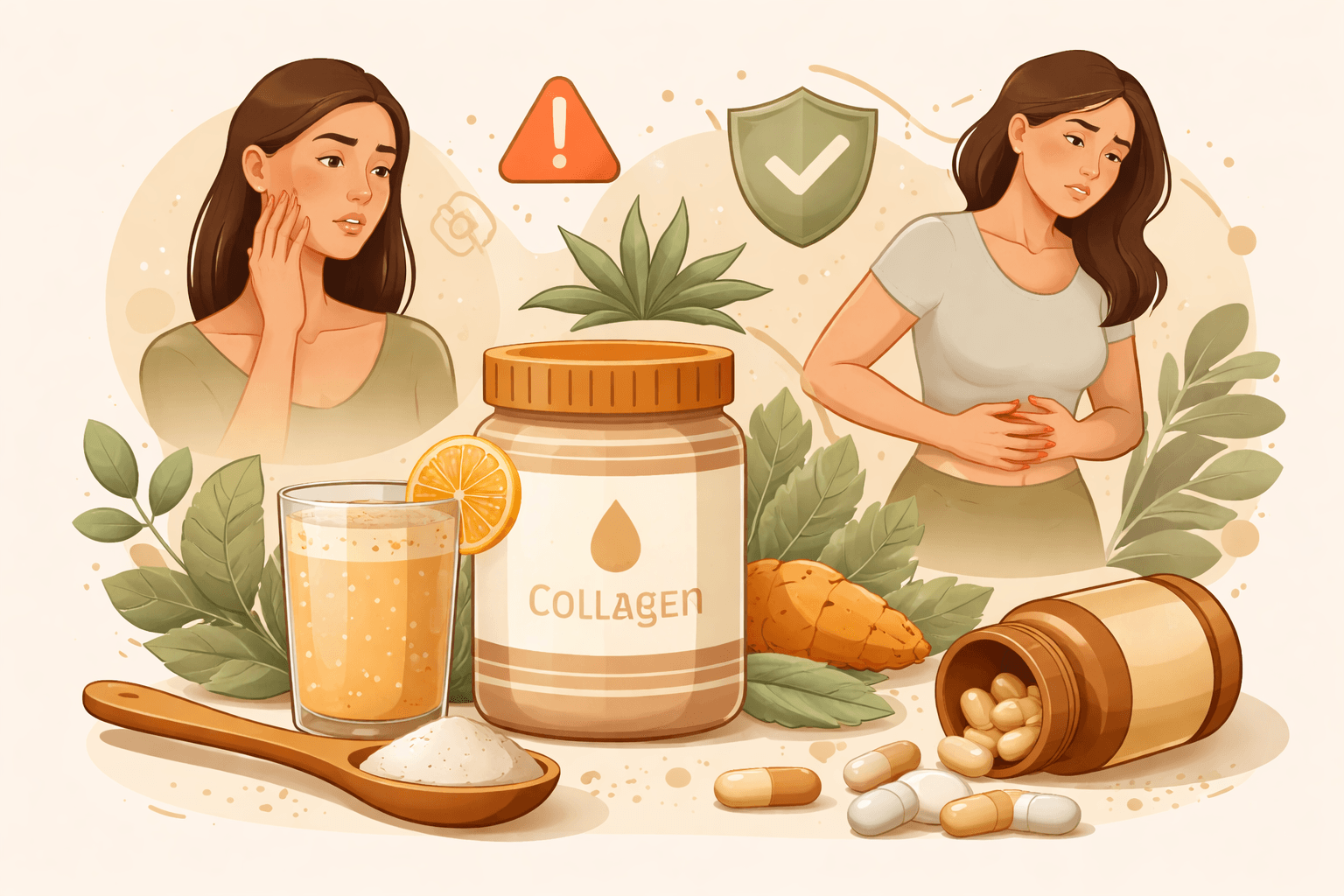
If you’re curious about collagen supplement side effects, you’re not alone. Collagen powders and capsules are everywhere, and while most people tolerate them well, some do experience digestive symptoms, headaches, or allergic reactions. This guide reviews what collagen is, why people take it, the most common and rare side effects, who should be cautious, potential interactions, and practical steps to use collagen more safely.
Note: Throughout, we classify evidence as strong (multiple RCTs/meta‑analyses), moderate (limited RCTs/observational), emerging (preclinical/early human), or traditional (historical use without modern clinical data).
What is collagen and why people take supplements
Collagen is the main structural protein in skin, bones, tendons, ligaments, and cartilage. It’s rich in the amino acids glycine, proline, and hydroxyproline. As we age, natural collagen production declines; sun exposure, smoking, and poor nutrition can accelerate the loss. Many people supplement to support skin appearance, joint comfort, and connective tissue health.
Western perspective: Research suggests hydrolyzed collagen (also called collagen peptides) can modestly support skin hydration/elasticity and joint comfort in some individuals. Adverse events in studies are usually mild gastrointestinal (GI) symptoms. Evidence level: moderate.
Eastern/traditional perspective: Foods like bone broth, slow-simmered herbal soups, fish skin, and tendon have been traditionally used to “nourish” jing/essence and connective tissues. Evidence level: traditional. These foods can share some side effect profiles (for example, histamine in long‑cooked broths) but differ from purified supplements.
Most people tolerate collagen well. When side effects occur, they’re typically mild and improve with dose adjustments.
Digestive symptoms
Bloating, gas, or a “heavy” stomach
Nausea or decreased appetite
Loose stools or, less commonly, constipation
What the research says: Across clinical trials of collagen for skin and joints, reported adverse events are infrequent and mostly GI‑related (mild bloating, fullness, or dyspepsia). Rates often resemble placebo. Evidence level: moderate.
Why it may happen: Collagen is a concentrated protein source. Rapid introduction or larger single doses can temporarily challenge digestion. Some flavored or multi‑ingredient formulas contain sugar alcohols or fiber that also cause GI upset.
How to reduce it:
Start low (2.5–5 g/day) and increase gradually
Split doses with meals
Choose unflavored, single‑ingredient collagen peptides when troubleshooting
Taste or aftertaste
Marine collagen can have a mild “fishy” odor or aftertaste; bovine/porcine sources are usually neutral but some users notice an off‑taste.
Evidence level: experiential/anecdotal with supportive consumer data.
Tip: Mix into strong‑flavored beverages (coffee, chai, smoothies) or try capsules.
Headaches
A minority report headaches when starting collagen. Mechanisms aren’t clear. Possibilities include histamine sensitivity (see below), dehydration if protein intake increases without fluids, or reactions to added ingredients (for example, caffeine or herbal actives in “beauty blends”). Evidence level: emerging/anecdotal.
Less common and potentially serious reactions
These events are rare but warrant caution and prompt medical attention if they occur.
Allergic reactions
Symptoms: hives, itching, swelling of lips/tongue, wheezing, dizziness, or anaphylaxis
Higher risk if you’re allergic to the source animal (fish/shellfish for marine collagen; egg for eggshell‑membrane collagen; chicken for type II from sternum cartilage)
Evidence level: moderate (case reports, post‑marketing experiences). Always check labels for source and cross‑contamination warnings.
Histamine sensitivity
Some individuals with histamine intolerance or mast cell activation report flushing, headaches, itchy skin, or palpitations with collagen—especially marine collagen or long‑cooked broths. Purified collagen peptides are typically low in histamine, but sensitivity varies. Evidence level: emerging.
Kidney stone potential in susceptible individuals
Hydroxyproline from collagen can be metabolized to oxalate. High intakes of gelatin or collagen may increase urinary oxalate in some people and could theoretically raise calcium‑oxalate stone risk if you’re predisposed. Evidence level: emerging (mechanistic data and limited human observations). If you have a history of calcium‑oxalate stones, discuss protein targets with your clinician and consider moderation and higher fluid intake.
Contaminants and quality issues
Heavy metals: Animal‑derived products can contain variable amounts of heavy metals if not carefully sourced and purified. Reputable brands third‑party test for lead, cadmium, arsenic, and mercury. Evidence level: moderate (industry testing, quality audits).
Undeclared allergens or ingredients: Multi‑ingredient collagen “beauty” formulas sometimes include biotin, vitamins, botanicals, or sweeteners not obvious at first glance. Evidence level: strong that mislabeling can occur in the wider supplement market; choose brands with transparent testing.
Lab test interference (usually from add‑ins, not collagen itself)
Many collagen blends contain high‑dose biotin. Biotin can interfere with certain lab assays (for example, thyroid tests and cardiac troponin), producing falsely high or low results. Evidence level: strong (FDA advisory; clinical reports). If you take a collagen product with biotin, stop it at least 48 hours before lab work unless directed otherwise.
Who should be cautious or avoid collagen supplements
Pregnancy and breastfeeding: While collagen is simply protein, high‑dose purified supplements haven’t been rigorously studied in pregnancy/lactation. Research is limited. Many products also add herbs, caffeine, or high‑dose vitamins. Consider food‑first sources or single‑ingredient products in consultation with your obstetric provider. Evidence level: limited; caution advised.
Known allergies: Avoid collagen sourced from your allergen (fish/shellfish, egg, chicken). Choose dedicated facilities that minimize cross‑contamination. Carry epinephrine if prescribed. Evidence level: moderate.
Chronic kidney disease (CKD) or history of kidney stones: Protein intake is often individualized in CKD. Collagen contributes to daily protein and may increase urinary oxalate in stone‑prone individuals. Discuss with your nephrologist. Evidence level: moderate for protein management in CKD; emerging for collagen‑oxalate link.
Autoimmune conditions: Type II collagen (undenatured) is studied for joint health via “oral tolerance,” and many people with osteoarthritis use it without issue. For systemic autoimmune diseases (for example, lupus), data are limited. If you’re on immunosuppressive therapy, review any new supplement with your rheumatologist. Evidence level: limited.
Histamine intolerance/mast cell activation: Consider cautious trialing, favoring single‑ingredient bovine collagen peptides and starting with very small doses. Evidence level: emerging.
Low‑protein therapeutic diets or phenylketonuria management: Collagen adds to protein totals and could conflict with prescribed restrictions. Evidence level: strong that protein counting matters; apply to collagen accordingly.
Possible interactions with medications and other supplements
Direct drug–collagen interactions appear uncommon, but real‑world issues arise from added ingredients and timing with other products.
Biotin‑containing collagen blends: Can interfere with lab tests (thyroid, troponin). Coordinate with your clinician on stopping before labs. Evidence level: strong.
Calcium/iron–fortified collagen: Minerals can bind certain medications in the gut and reduce absorption (for example, some thyroid meds, tetracycline antibiotics). Separate by at least 2–4 hours. Evidence level: strong for mineral–drug interactions.
Caffeine or herbal add‑ins: May interact with sedatives, stimulants, or anticoagulants depending on the herb. Read the full label. Evidence level: variable depending on ingredient.
Protein load: Large protein boluses can, in theory, alter the absorption of levodopa or some extended‑release medications. If relevant, take medication away from high‑protein shakes. Evidence level: moderate based on protein–drug data.
How to reduce risk: choosing a product, dosing, quality, and allergy checks
Choosing a product
Prefer single‑ingredient, unflavored hydrolyzed collagen (collagen peptides) when starting. This makes it easier to identify what agrees with you. Many people find Unflavored Hydrolyzed Collagen Powder easy to mix into coffee or smoothies. Evidence level: practical consensus.
Match the source to your needs and allergies: bovine/porcine for general use; marine for pescatarians (avoid with fish/shellfish allergy); chicken sternum for type II. See Collagen Types Explained: Joints, Skin, Gut & Beyond for background. Evidence level: moderate.
Look for third‑party testing: Certifications such as NSF, USP, Informed Choice, or documented heavy‑metal and allergen testing. Request a Certificate of Analysis (COA) if not posted.
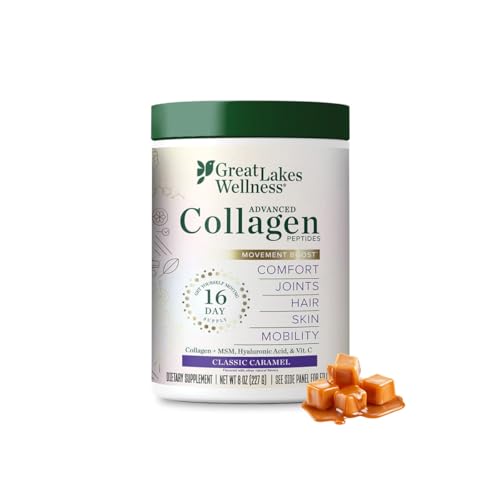
Avoid unnecessary add‑ins early on: If you want extras like hyaluronic acid or vitamin C, consider adding them separately after you know collagen agrees with you. Many people prefer a simple collagen plus a separate Vitamin C + Amino Acid Blend to keep dosing flexible. Evidence level: practical.
Verify the source (bovine, porcine, marine, chicken, or eggshell membrane) and facility practices.
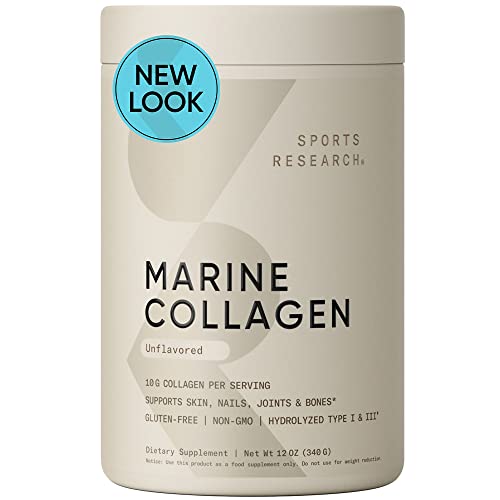
For histamine sensitivity, trial a very small “first dose” (for example, 1/4 scoop) of single‑ingredient bovine collagen. Some find Marine Collagen Peptides gentler, while others do better with bovine—responses are individual.
Safety profile: Studies indicate collagen peptides are generally well tolerated, with side effects similar to placebo and primarily mild GI symptoms. Evidence level: moderate (multiple RCTs and reviews report low adverse‑event rates but often limited detail on rare events).
Pregnancy/lactation: Limited direct research on purified supplements; food sources are widely consumed. Evidence level: limited.
Kidney stones: Hydroxyproline metabolism to oxalate provides a plausible mechanism; small studies and clinical observations suggest increased urinary oxalate after high gelatin/collagen intake in some individuals. Evidence level: emerging.
Allergies: Case reports and product labeling support the potential for source‑related allergic reactions (fish/shellfish, egg, chicken). Evidence level: moderate.
Contaminants: Quality varies by brand and sourcing; third‑party testing mitigates risk. Evidence level: moderate.
Biotin interference with labs: Strong, well‑documented. This applies to collagen blends that include biotin, not pure collagen. Evidence level: strong.
Stop collagen and seek medical care if you experience:
Signs of an allergic reaction: hives, swelling, wheezing, dizziness, or difficulty breathing
Persistent or severe GI symptoms: vomiting, severe abdominal pain, or ongoing diarrhea
New or worsening headaches with neurological symptoms (vision changes, weakness)
Dark or decreased urine output, flank pain, or symptoms suggestive of kidney issues
Palpitations, flushing, or severe itching in those with histamine intolerance
If symptoms are mild (for example, temporary bloating), try lowering the dose, switching to a single‑ingredient product, and taking with meals. Re‑introduce slowly over 1–2 weeks.
Practical takeaways
Start low, go slow: Begin with 2.5–5 g/day, increase as tolerated, and split doses with meals.
Choose quality: Single‑ingredient collagen peptides with third‑party testing reduce the risk of contaminants and hidden add‑ins.
Match the source to your biology: Avoid marine collagen if you have fish/shellfish allergy; consider histamine sensitivity when choosing the form.
Read the label: Many “beauty” blends include biotin, caffeine, botanicals, minerals, or sweeteners that change the side‑effect and interaction profile.
Keep hydration up and monitor kidney health if you’re stone‑prone or have CKD—discuss with your clinician.
Some users report acne‑like breakouts, especially with high‑dose biotin blends or flavored powders with added iodine/sweeteners. Evidence is anecdotal. Trying a plain, single‑ingredient product can help you isolate the cause.
Do collagen supplements cause weight gain?
Collagen adds calories like any protein (about 20 kcal per 5 g). It does not inherently cause fat gain; total diet and activity drive weight change. Some people feel fuller with added protein, which could reduce snacking. Evidence level: moderate for protein’s satiating effect.
Is marine collagen safe if I’m allergic to fish or shellfish?
Not recommended. Marine collagen can trigger reactions in those with fish/shellfish allergies. Choose a non‑marine source and confirm cross‑contamination controls. Evidence level: moderate.
Can I take collagen with coffee or at night?
Yes. Timing is flexible. If you experience reflux or sleep disturbance, try smaller doses earlier in the day and avoid caffeinated mixes at night.
Is collagen vegan?
No—collagen is animal‑derived. Plant‑based options support your body’s own collagen formation (adequate protein, vitamin C, zinc, copper), but they don’t contain collagen itself.
This information is for educational purposes and should not replace personalized medical advice. If you have a medical condition, take prescription medications, are pregnant or breastfeeding, or have a history of allergies or kidney stones, talk with your healthcare provider before starting any supplement.
This content is for informational purposes only and does not constitute medical advice. Always consult a qualified healthcare provider before starting, stopping, or changing any supplement or medication regimen.
Best Collagen Supplements 2026: Top Picks & Buyer's Guide. If you’re searching for the best collagen supplement, you probably want something that actually mixes well, is tested for safety, and—most importantly—has evidence behind it. Collagen isn’t magic, but research suggests certain forms and doses can modestly support skin hydration and elasticity, nail
Collagen. Collagen Peptides, Hydrolyzed Collagen, Marine Collagen, Bovine Collagen. ## Collagen Overview
**Collagen** is the most abundant structural protein in the human body and a major component of **skin, cartilage, tendons, ligaments, bones, blood vessels, and other connective tissues**. In supplement form, collagen is commonly sold as **hydrolyzed collagen peptides**, gelati
## What Is Collagen?
Collagen is the most abundant protein in your body — accounting for roughly 30% of total protein mass. It's the structural scaffolding that holds you together, providing tensile
What Are the Side Effects of Turmeric? Risks, Interactions & Safety Tips. If you’re adding turmeric to your routine, you’re likely wondering about the side effects of turmeric and how to use it safely. While culinary turmeric is generally well‑tolerated, supplements—especially concentrated curcumin extracts—can cause digestive upset and, in rarer cases, more serious probl
Are Herbal Supplements Safe? Risks, Benefits, and How to Use Them Wisely. If you’ve ever wondered “are herbal supplements safe,” you’re not alone. Many people reach for herbs to support sleep, mood, immunity, or joint comfort, yet safety depends on multiple factors: the specific herb, dose, product quality, your health status, and any medications you take. This guide brid
Vitamin C Beyond Colds: Focus on Collagen Synthesis
If you’ve heard of [vitamin C](/supplements/vitamin-c) only in the context of colds, you’re missing its central role in how the body builds and mai