What Are the Side Effects of Turmeric? Risks, Interactions & Safety Tips
Thinking about turmeric? Learn common side effects, serious risks, and interactions—plus safer dosing and tips to reduce problems. Evidence‑informed guide.
·12 min read
This content is for informational purposes only and does not constitute medical advice. Always consult a qualified healthcare provider before starting, stopping, or changing any supplement or medication regimen.
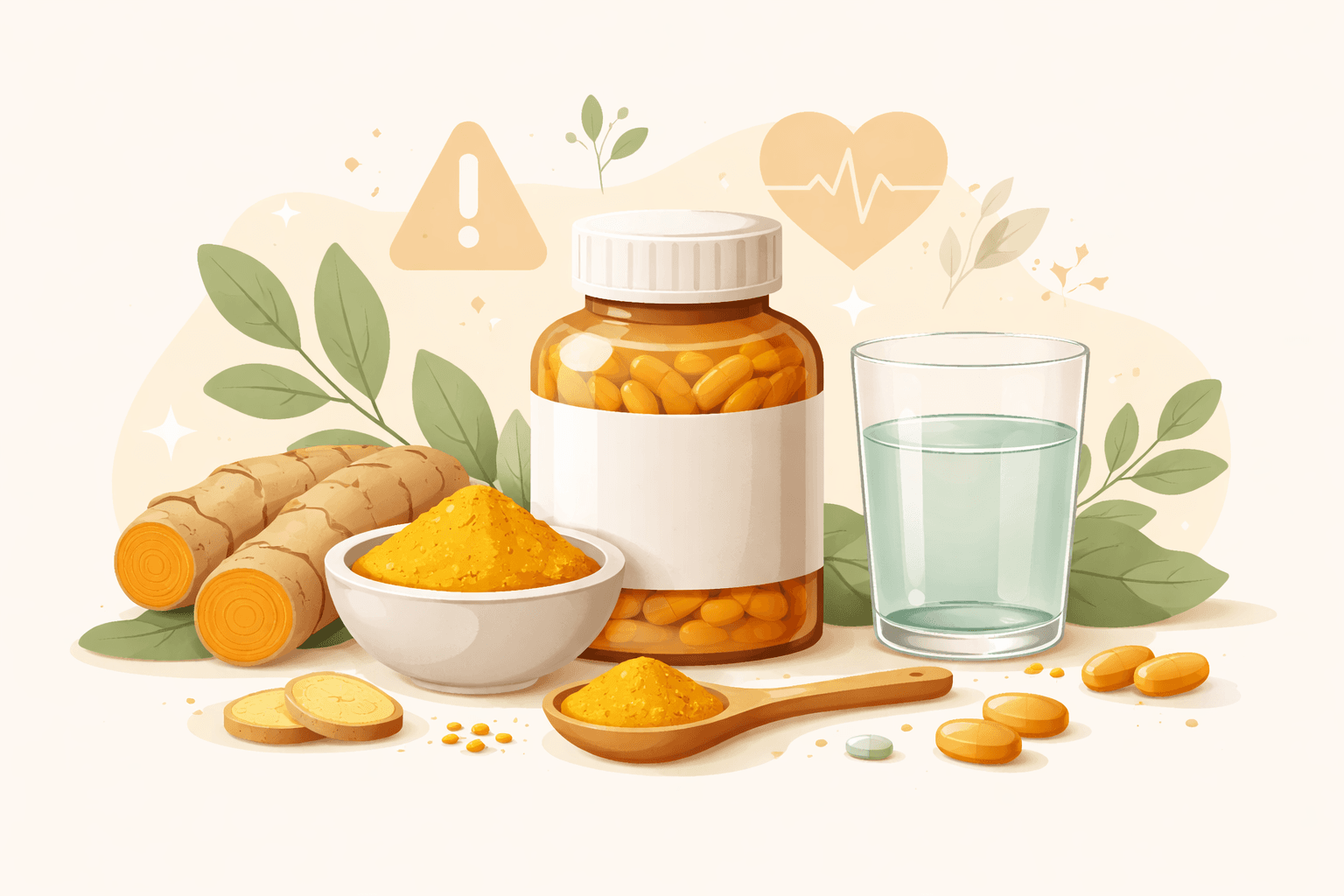
If you’re adding turmeric to your routine, you’re likely wondering about the side effects of turmeric and how to use it safely. While culinary turmeric is generally well‑tolerated, supplements—especially concentrated curcumin extracts—can cause digestive upset and, in rarer cases, more serious problems like liver injury or increased bleeding risk. This guide weighs traditional use alongside what modern research suggests, so you can make informed choices.
Quick summary — key takeaways and safety note
Most common side effects of turmeric/curcumin are mild: stomach upset, nausea, diarrhea, bloating, heartburn, and headache (evidence: moderate; frequently reported in clinical trials [Lao 2006; Cheng 2001]).
Less common but more serious risks include increased bleeding tendency, gallbladder pain in those with stones, rare cases of liver injury, and allergic reactions (evidence: emerging to moderate, based on case reports and pharmacologic plausibility; see [Navarro 2017; LiverTox 2021; AIFA 2019]).
Risk of side effects rises with higher doses, enhanced‑absorption formulas (e.g., with piperine/black pepper), and longer use.
Important interactions include blood thinners/antiplatelets, certain diabetes medications, iron supplements, and some chemotherapy regimens. Consider reviewing your full medication list with a clinician.
Culinary amounts (as a spice) are typically safe for most people; concentrated supplements warrant more caution.
This information is for educational purposes and should not replace personalized medical advice. If you’re on medications, pregnant/breastfeeding, have gallstones or liver disease, or have surgery scheduled, discussing turmeric supplements with your healthcare provider may be appropriate.
Common side effects of turmeric
Most people tolerate culinary turmeric well. In supplement studies, however, curcumin (turmeric’s primary active compound) commonly causes mild gastrointestinal (GI) symptoms. These often improve with lower doses or when taken with food.
Commonly reported effects (evidence: moderate)
Digestive upset and bloating: Possibly related to effects on bile flow and the gut lining.
Nausea or vomiting: Often dose‑related, especially at higher curcumin intakes.
Diarrhea or loose stools: Seen in trials, sometimes when doses exceed 1,000–1,500 mg curcumin/day.
Heartburn or reflux: Curcumin can irritate the upper GI tract in sensitive individuals.
Headache or lightheadedness: Reported in some studies and user reports; mechanism unclear.
Yellow stool or mild stool color change: Benign; reflects pigment excretion.
What the Research Says
Phase I trials and multiple clinical studies of curcumin report GI symptoms as the most frequent adverse events, typically mild and reversible when dosing is reduced or paused (evidence: moderate) [Lao 2006; Cheng 2001].
Culinary use in traditional cuisines rarely produces significant side effects, supporting good tolerability at food‑level intakes (evidence: traditional).
Less common but serious risks
While uncommon, these events warrant attention—especially with high‑dose or enhanced‑absorption products.
Increased bleeding tendency (evidence: emerging to moderate)
Why it happens: Curcumin shows antiplatelet properties in lab studies and may modestly influence clotting. Case reports suggest potential additive effects with anticoagulants/antiplatelets.
When to be concerned: Easy bruising, nosebleeds, black/tarry stools, or prolonged bleeding. Urgent medical evaluation is appropriate for signs of GI bleeding or if anticoagulants are in use.
Gallbladder issues (evidence: emerging to moderate)
Why it happens: Turmeric may stimulate bile flow and gallbladder contraction. In people with gallstones or bile duct obstruction, this can trigger pain or biliary colic.
When to be concerned: Sudden right‑upper‑quadrant abdominal pain—seek timely medical attention.
Liver effects (rare) (evidence: emerging)
What’s known: Pharmacovigilance signals and case reports describe drug‑induced liver injury (DILI) linked to turmeric/curcumin supplements, often with black pepper extract (piperine) or highly bioavailable formulations. Most reported cases resolved after discontinuation; severe cases are rare but documented [Navarro 2017; LiverTox 2021; AIFA 2019].
Warning signs: Yellowing of skin/eyes (jaundice), dark urine, pale stools, itching, marked fatigue, right‑upper‑quadrant pain. Many clinicians advise discontinuing the supplement and seeking prompt medical care if these occur.
Allergic reactions (evidence: emerging)
What’s known: Contact dermatitis to turmeric is described in spice workers; oral allergy is uncommon but possible. Hives, swelling, wheezing, or throat tightness warrant emergency care.
What the Research Says
Pharmacologic data support antiplatelet effects of curcumin; clinical bleeding events appear uncommon but plausible, especially with concurrent anticoagulants/antiplatelets (evidence: emerging to moderate).
Small human studies suggest turmeric can alter gallbladder motility; individuals with gallstones may be at higher risk of biliary symptoms (evidence: moderate for effect on motility; emerging for clinical events).
Post‑marketing surveillance and case reports from several countries recognize turmeric‑associated DILI, particularly with enhanced‑absorption formulas (evidence: emerging) [Navarro 2017; LiverTox 2021; AIFA 2019].
Drug and supplement interactions
Turmeric/curcumin can influence enzymes and transporters involved in drug metabolism, and piperine (black pepper extract) often added to boost absorption can further inhibit CYP3A4 and P‑glycoprotein. Interactions range from theoretical to clinically significant. It can be helpful to cross‑check with a professional and consider reviewing Does Turmeric Interact with Medications? Risks, Evidence & Safety Tips (/articles/does-turmeric-interact-with-medications) and Herb-Drug Interactions: Risks, Common Examples, and How to Stay Safe (/articles/herb-drug-interactions-guide).
Higher‑concern interactions (discuss with your clinician)
Anticoagulants/antiplatelets: Warfarin, apixaban, rivaroxaban, clopidogrel, aspirin. Potential additive bleeding risk (evidence: emerging to moderate). High‑dose curcumin or piperine‑enhanced products may carry greater risk.
Diabetes medications/insulin: Curcumin may modestly improve glycemic markers; together with medications it could contribute to low blood sugar in some people (evidence: emerging to moderate). Close monitoring may be warranted if combined.
Chemotherapy and targeted cancer therapies: Curcumin can affect drug transporters and enzymes in vitro and may be contraindicated or require coordination with oncology (evidence: emerging). Self‑supplementation during chemotherapy is generally discouraged unless coordinated with your oncology team.
Iron supplements: Curcumin may chelate iron and could reduce iron absorption; spacing doses by 3–4 hours is commonly advised (evidence: emerging, limited human data).
Lower‑concern or theoretical interactions (monitor if combined)
Proton pump inhibitors (PPIs) and H2 blockers: Limited clinical data; theoretical enzyme/absorption effects. Practical concern appears low, but individuals with reflux may notice more symptoms on turmeric (evidence: emerging).
CYP‑metabolized drugs generally: Curcumin and piperine show enzyme/transporter inhibition in lab studies. Clinical significance varies; enhanced‑absorption formulas pose greater theoretical risk (evidence: emerging).
Who should avoid or use caution
Pregnant or breastfeeding people: Culinary amounts are likely safe; higher‑dose supplements are often avoided due to insufficient safety data and theoretical uterine‑stimulant effects (evidence: traditional/emerging).
Children: Culinary amounts are generally preferred unless a pediatric clinician advises otherwise (evidence: limited).
Pre‑/post‑operative patients: Due to potential antiplatelet effects, many surgical teams advise pausing turmeric/curcumin supplements 1–2 weeks before surgery and resuming only with clearance (evidence: emerging to moderate). Confirm timing with the surgical team.
Gallstones or bile duct obstruction: High‑dose supplements are commonly avoided; culinary use can be discussed with a clinician (evidence: moderate for motility effects).
Existing liver disease or prior supplement‑related liver injury: Extra caution is warranted; specialist guidance and, in some cases, liver function monitoring may be considered (evidence: emerging for turmeric‑associated DILI).
People with iron deficiency or at high risk for anemia: High‑dose curcumin or close timing with iron may be unhelpful; separating dosing can be considered (evidence: emerging).
Forms, dosing, and why side effects vary
“Turmeric” can mean different things—and that matters for side effects.
Forms you’ll see
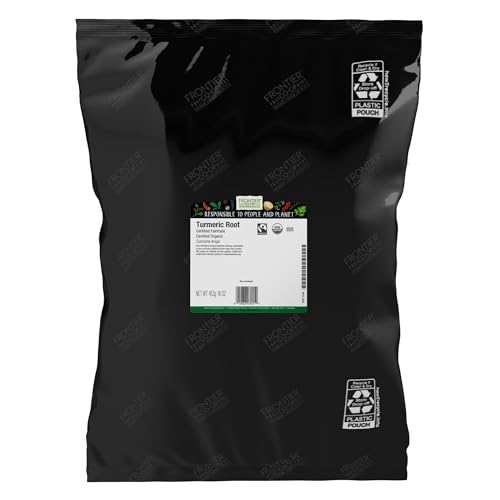
Turmeric spice/root (Curcuma longa): About 2–5% curcuminoids by weight; typically used in food or teas. Generally well‑tolerated at culinary intakes (evidence: traditional).
Standardized curcumin extracts: Often “95% curcuminoids,” providing far higher curcumin per capsule than food. More likely to be associated with GI symptoms at higher doses (evidence: moderate).
Enhanced‑absorption (bioavailable) formulas: Curcumin with piperine (black pepper extract), phospholipid complexes (phytosome), nanoparticles, or micelles. These raise blood levels substantially and may increase both potential benefits and the risk of interactions/side effects (evidence: moderate for absorption; emerging for comparative safety).
Typical dosing ranges in studies and practice
Culinary use: 0.5–2 teaspoons (1–4 grams) turmeric powder daily in food is commonly tolerated.
Curcumin extract: 500–1,000 mg once or twice daily appears frequently on product labels. GI side effects increase above ~1,000–1,500 mg/day in some people.
Piperine‑enhanced curcumin: 500 mg curcumin + 5–10 mg piperine can markedly raise curcumin levels in humans—about 20‑fold in one small study [Shoba 1998]—which may also raise interaction potential.
Why side effects vary
Dose exposure: Higher curcumin exposure—whether via large doses or enhanced absorption—correlates with more GI complaints and, rarely, liver stress (evidence: emerging to moderate) [Lao 2006; LiverTox 2021].
Individual factors: Pre‑existing reflux, gallstones, sensitive stomach, polypharmacy, or genetic differences in drug‑metabolizing enzymes can shift risk.
Product quality: Adulteration, contaminants, or inaccurate dosing can add risk; third‑party testing helps mitigate this.
What the Research Says
Pharmacokinetic research shows piperine can increase curcumin bioavailability up to ~2,000% in a small human study, magnifying both potential effects and interaction potential (evidence: moderate for absorption effect) [Shoba 1998].
Early trials found high doses (e.g., several grams/day) were limited primarily by GI intolerance; more recent pharmacovigilance highlights rare hepatotoxicity, especially with enhanced formulas (evidence: emerging) [Lao 2006; LiverTox 2021; AIFA 2019].
Helpful tools and products to consider (not medical advice)
Many people find that third‑party tested formulations (e.g., USP, NSF, or ConsumerLab certified) provide more transparency on purity and potency.
For a food‑first approach, culinary‑grade turmeric powder allows use at lower, meal‑level amounts.
To support consistent use alongside medications, some people use a simple pill organizer or reminder system. These tools do not reduce interaction risk—coordination with a clinician remains important.
How to reduce risk & what to do if you experience side effects
Practical steps
A gradual, low‑dose approach is commonly used: beginning with culinary amounts or the lowest labeled dose and titrating only if well‑tolerated.
Taking with food may lower the chance of nausea, heartburn, or loose stools.
Piperine‑free formulations may be preferable for those on multiple medications to reduce interaction potential.
Spacing iron and curcumin by 3–4 hours may help if both are used.
If mild GI upset occurs, approaches such as lowering the dose, taking with a more substantial meal, or pausing for a few days are often helpful.
Quality matters: Look for products with third‑party testing and clear labeling of curcuminoid content.
Pre‑op window: Many surgical teams advise pausing turmeric/curcumin supplements 1–2 weeks before surgery and resuming only with medical clearance; confirm plans with the surgical team.
Immediate care: Signs of severe allergy (hives, swelling of face/lips/tongue, wheezing), severe abdominal pain (possible gallbladder issue), black/tarry stools or vomiting blood (possible GI bleeding).
Prompt evaluation: Yellowing of skin/eyes, dark urine, pale stools, intense itching, or unusual fatigue (possible liver injury); persistent or worsening GI symptoms despite pausing the supplement.
Evidence summary, sources, and frequently asked questions
What the Research Says (selected highlights)
Safety profile: Clinical trials and reviews generally find curcumin well‑tolerated, with GI symptoms most common at supplemental doses (evidence: moderate) [Lao 2006; Cheng 2001].
Bioavailability enhancers: Piperine markedly increases curcumin absorption in humans, with potential to amplify both benefits and risks (evidence: moderate) [Shoba 1998].
Bleeding risk: Lab data indicate antiplatelet effects; clinical bleeding is uncommon but plausible, especially with anticoagulants/antiplatelets (evidence: emerging to moderate).
Gallbladder: Small human studies show curcumin alters gallbladder motility; caution is reasonable with stones or obstruction (evidence: moderate for physiologic effect).
Liver injury: Pharmacovigilance signals and case reports link turmeric/curcumin supplements—often with piperine—to reversible liver injury (evidence: emerging) [Navarro 2017; LiverTox 2021; AIFA 2019].
Selected references and guidance
Shoba G, Joy D, Joseph T, Majeed M, Rajendran R, Srinivas PS. Influence of piperine on the pharmacokinetics of curcumin in animals and human volunteers. Planta Med. 1998;64(4):353–356.
Lao CD, Ruffin MT 4th, Normolle D, et al. Dose escalation of a curcuminoid formulation. BMC Complement Altern Med. 2006;6:10.
Cheng A-L, Hsu C-H, Lin J-K, et al. Phase I clinical trial of curcumin, a chemopreventive agent, in patients with high-risk or pre-malignant lesions. Anticancer Res. 2001;21(4B):2895–2900.
Navarro VJ, Khan I, Björnsson E, Seeff LB, Serrano J, Hoofnagle JH. Liver injury from herbal and dietary supplements. Hepatology. 2017;65(1):363–373.
LiverTox: Clinical and Research Information on Drug-Induced Liver Injury. Turmeric. National Institute of Diabetes and Digestive and Kidney Diseases; updated 2021.
Italian Medicines Agency (AIFA). Curcumin-containing food supplements and risk of hepatitis: Safety communication; 2019.
For broader context on potential upsides and how to choose a product, you may find Turmeric Benefits: Evidence-Based Guide to Uses, Dosage & Safety (/articles/turmeric-benefits-evidence-based-guide) helpful.
FAQs
Is it safe to take turmeric every day?
Culinary use is generally safe for most people. For supplements, many studies use 500–1,000 mg curcumin/day for weeks to months with mostly mild side effects. Long‑term safety beyond 6–12 months is less certain. Periodic reassessment with a clinician is sensible.
Can turmeric cause kidney stones?
Turmeric is relatively high in oxalates. Small human research suggests turmeric can raise urinary oxalate more than some other spices. If you form calcium‑oxalate stones, culinary amounts may be preferable and supplements warrant individualized discussion (evidence: emerging to moderate).
Should turmeric be taken on an empty stomach?
Taking with food often lowers the chance of nausea or heartburn. Fat in a meal may also aid absorption of curcuminoids.
What’s the difference between turmeric and curcumin?
Turmeric is the whole root/spice; curcumin is one of its key active compounds. Supplements may provide concentrated curcumin or enhanced‑absorption forms, which can change both effects and side‑effect risk.
If I’m on PPIs for reflux, can turmeric help or hurt?
Some people with reflux find turmeric aggravating, particularly at higher doses. There’s limited evidence for a direct interaction with PPIs, but individual responses vary. Lower doses or food‑level use are sometimes better tolerated.
How long before surgery is turmeric typically paused?
Many surgical teams advise pausing turmeric/curcumin supplements 1–2 weeks before surgery and restarting only with their guidance. Confirm the plan with your surgical team.
Can turmeric be used with blood pressure medications?
No consistent evidence shows a harmful interaction, but because curcumin can affect drug metabolism in theory, checking blood pressure and reviewing the full regimen with a clinician can be helpful.
I felt unwell after starting a turmeric supplement. What now?
Consider pausing the supplement, note any other new meds or supplements, and contact your clinician if symptoms persist, are severe, or if you have risk factors noted above.
Disclaimer
This article shares educational information and is not a substitute for personalized medical advice. Always consult your healthcare professional before starting, pausing, or changing any supplement, especially if you take prescription medications or have underlying conditions.
This content is for informational purposes only and does not constitute medical advice. Always consult a qualified healthcare provider before starting, stopping, or changing any supplement or medication regimen.
If you’re adding turmeric or curcumin to your routine, you might be wondering about turmeric side effects, who’s most at risk, and how to use it safely. This guide blends western research and traditio
Does Turmeric Interact with Medications? Risks, Evidence & Safety Tips. Turmeric shows up in everything from golden milk to joint‑support supplements. But does turmeric interact with medications? The short answer: yes, turmeric (and its active compound curcumin) can interact with certain drugs—especially blood thinners and medications moved by common liver enzymes and t
Turmeric and Blood Thinners: Risks, Evidence, and Safe Use. If you take a blood thinner, you may be wondering whether turmeric is safe. Turmeric and blood thinners come up together often because turmeric (and its active compound curcumin) may influence bleeding risk. This guide explains what the research suggests, who is at higher risk, and practical steps t
If you’re curious whether turmeric benefits live up to the hype, you’re not alone. This bright golden spice has deep roots in Ayurveda and Traditional Chinese Medicine and is now one of the most-studi
Turmeric Supplement Benefits: Evidence-Based Guide + How to Choose. ## Why people turn to turmeric supplements
If you’re curious about turmeric supplement benefits, you’re not alone. Many people look to turmeric or its active compound curcumin for joint comfort, general inflammation, metabolic health, digestion, or mood support. This guide brings together research f
Best Turmeric Supplement: Top Curcumin Picks & Buying Guide. If you’re searching for the best turmeric supplement, you’ve likely noticed a dizzying array of capsules, gummies, liquids, and “curcumin complexes.” Which ones actually deliver enough curcuminoids to matter? Which forms absorb well? And how do you avoid fillers or products that don’t match the labe