Turmeric Side Effects: Risks, Interactions & Safety Guide
Learn turmeric side effects, risks, interactions, safe doses, and who should avoid it. Evidence-based tips to use turmeric and curcumin safely.
·12 min read
This content is for informational purposes only and does not constitute medical advice. Always consult a qualified healthcare provider before starting, stopping, or changing any supplement or medication regimen.
If you’re adding turmeric or curcumin to your routine, you might be wondering about turmeric side effects, who’s most at risk, and how to use it safely. This guide blends western research and traditional perspectives so you can make informed choices.
What Are Turmeric and Curcumin — and Who Uses Them?
Turmeric (Curcuma longa) is a culinary spice used for centuries in Ayurveda and Traditional Chinese Medicine for digestion, joint comfort, and general vitality. Curcumin is turmeric’s primary bioactive compound responsible for much of its color and many studied effects. In modern wellness, people use turmeric or standardized curcumin extracts for joint health, metabolic support, and general inflammation balance.
Eastern perspective: Traditionally used as a warming spice to “move” stagnation, support digestion, and aid wound healing. Evidence level: traditional.
Western perspective: Research suggests curcumin modulates inflammatory pathways (e.g., NF-κB, COX-2), oxidative stress, and cell signaling. Evidence level: moderate to strong for some indications (e.g., osteoarthritis symptom relief), but this article focuses on safety.
Using turmeric thoughtfully means understanding both the benefits and the risks. While many people tolerate culinary amounts well, supplements can carry side effects—especially when combined with certain medications or health conditions.
Common, Mild Turmeric Side Effects
Most side effects are digestive and dose-related, especially with high-dose extracts or bioavailability enhancers like piperine (black pepper extract).
Digestive upset, gas, or bloating: Curcumin can stimulate bile flow and may irritate sensitive stomachs. Evidence level: moderate (human trials frequently report GI complaints).
Nausea or diarrhea: More likely at higher doses (>1,000 mg/day curcuminoids) or on an empty stomach. Evidence level: moderate.
Heartburn or reflux: Spicy foods and concentrated extracts can aggravate GERD in some users. Evidence level: moderate (consistent clinical reports, limited trials).
Headache or dizziness: Less common; may relate to dose or formulation. Evidence level: emerging (sporadic reports).
Yellow stool or temporary staining: Harmless discoloration can occur with high intake. Evidence level: traditional/observational.
Tips to reduce mild effects:
Take with food and water.
Start low and increase slowly over 1–2 weeks.
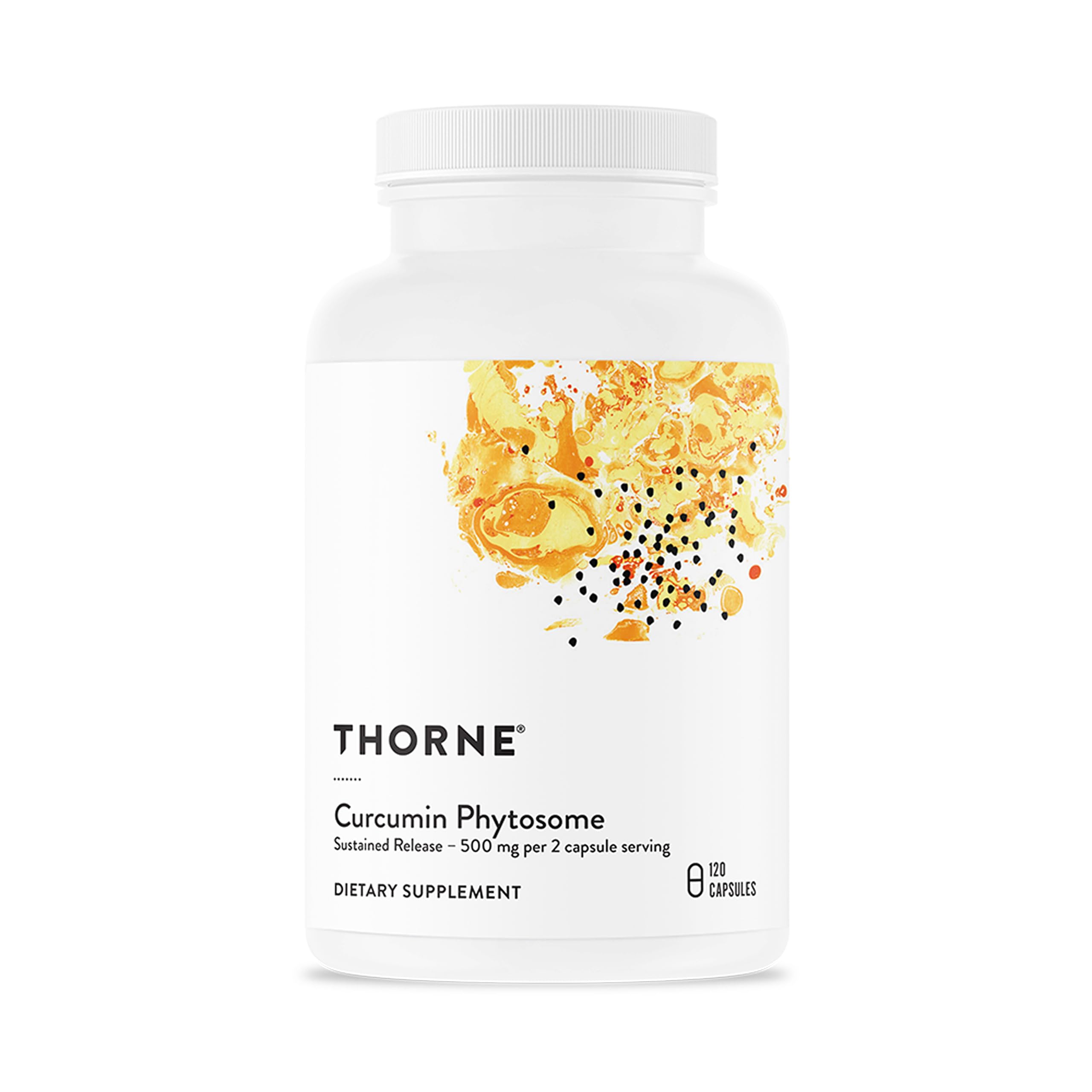
Consider forms designed for gentler absorption (e.g., phytosome curcumin) rather than stacking multiple “bioenhancers.”
Less Common but Serious Risks
Though uncommon, these effects deserve attention—especially with concentrated supplements.
Bleeding tendency: Curcumin has antiplatelet effects and may increase bleeding risk, particularly with blood thinners or before surgery. Evidence level: moderate (mechanistic and clinical case reports).
Gallbladder issues: Turmeric may stimulate gallbladder contraction and bile flow, potentially worsening gallstones or biliary obstruction. Evidence level: moderate (small human studies and consistent traditional cautions).
Kidney stones: Turmeric is relatively high in oxalates, which can increase urinary oxalate in susceptible people. Evidence level: moderate (small human studies; public health guidance).
Allergic reactions: Rare rash, hives, or contact dermatitis have been reported; severe allergy is very rare. Evidence level: emerging to moderate (case reports, patch testing data).
Liver injury (rare): Emerging evidence links some turmeric/curcumin supplements—especially those with bioenhancers—to reversible drug-induced liver injury (DILI) in susceptible individuals. Symptoms include fatigue, dark urine, jaundice, and right upper abdominal pain. Evidence level: emerging to moderate (case series and pharmacovigilance signals).
If you develop severe abdominal pain, black or tarry stools, vomiting blood, yellowing of the skin/eyes, or signs of an allergic reaction (swelling of face/lips/tongue, difficulty breathing), seek urgent medical care.
Drug Interactions and Contraindications
Turmeric and curcumin can interact with medications via several mechanisms: antiplatelet effects, mild glucose-lowering, and potential effects on drug-metabolizing enzymes and transporters (e.g., CYP3A4, CYP2C9, P-gp). Bioavailability enhancers like piperine can amplify interactions by inhibiting drug metabolism.
Diabetes medications: Insulin, sulfonylureas, metformin. Risk: additive glucose-lowering and hypoglycemia. Evidence level: emerging to moderate (small trials show improved glycemic markers; monitor closely).
Chemotherapy and targeted therapies: Potential for pharmacokinetic and pharmacodynamic interactions; effects may be bidirectional. Some oncologists advise avoiding high-dose antioxidants or curcumin during active treatment unless cleared. Evidence level: emerging (preclinical mixed data; precautionary principle).
Antacids/GERD meds (PPIs, H2 blockers): Not a classic pharmacokinetic interaction, but turmeric may aggravate reflux symptoms; assess tolerance. Evidence level: emerging (symptom reports).
Antiplatelet herbs/supplements: High-dose fish oil, ginkgo, garlic, nattokinase. Risk: additive bleeding tendency. Evidence level: emerging to moderate.
Iron supplements: Polyphenols can reduce non-heme iron absorption; curcumin may chelate iron. Separate dosing by several hours and monitor ferritin if at risk. Evidence level: emerging (small human/mechanistic studies).
Surgery: Due to bleeding risk, most clinicians recommend stopping turmeric/curcumin supplements 1–2 weeks before surgery. Evidence level: moderate (expert consensus + pharmacology).
Always tell your clinician and pharmacist about all supplements. If you use a bioenhanced product (e.g., piperine, phytosome, nanoparticles), be extra cautious with drug interactions.
Dose, Form, and Safety — Spice vs. Standardized Extracts
How you take turmeric matters for both benefits and side effects.
Culinary turmeric powder: Typically 1/4–1 teaspoon (about 1–3 grams) used in cooking. Generally well tolerated in healthy adults when used as food. Evidence level: strong for safety in culinary amounts.
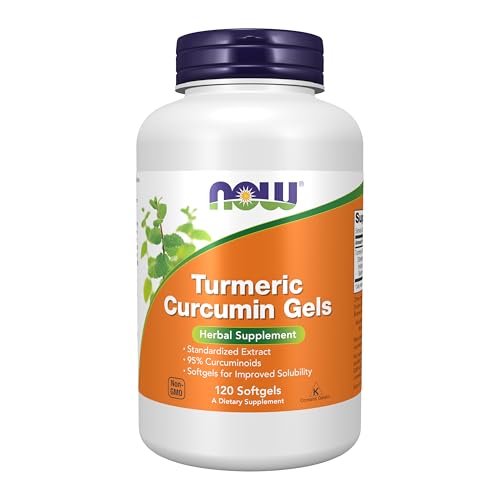
Standardized curcumin extracts: Often labeled as 95% curcuminoids. Common study doses: 500–1,000 mg/day of curcuminoids, divided. Higher doses (up to 2–3 g/day) have been used short term under supervision but increase GI side effects. Evidence level: moderate for short-term safety.
Bioavailability-enhanced forms: Piperine-combined curcumin (up to ~20-fold higher blood levels), phytosome (e.g., Meriva), essential-oil complexes (e.g., BCM-95), and nanoparticle forms (e.g., Theracurmin). These can achieve similar effects at lower doses but may also raise the risk of interactions. Evidence level: moderate for absorption improvement; safety varies by product.
Regulatory guidance:
Acceptable Daily Intake (ADI) for curcumin: about 3 mg/kg body weight/day from international food safety bodies. This applies to curcumin as a food additive, not as a therapeutic dose—but it provides a general safety anchor.
Practical dosing suggestions for generally healthy adults:
For culinary use: 1/4–1 teaspoon turmeric powder daily in food is typically well tolerated.
For supplemental use: 250–500 mg curcuminoids once or twice daily with food is a common starting range. Increase only if tolerated and if there’s a clear reason.
Avoid stacking multiple bioenhanced products (e.g., curcumin + separate piperine) unless advised by a clinician.
Quality matters. Many people look for third-party tested options such as:
A gentle, culinary-based option (e.g., turmeric latte blend) for sensitive stomachs Organic Turmeric Latte Mix
These mentions are not endorsements; choose products that fit your needs, check labels for piperine, and review with a clinician if you take medications.
Who Should Avoid or Use Turmeric With Caution
Pregnancy: Culinary amounts are considered likely safe. High-dose supplements are not well studied and have traditional cautions for stimulating the uterus; avoid unless your obstetric provider approves. Evidence level: traditional to emerging.
Breastfeeding: Safety of concentrated supplements is unclear; stick to culinary amounts unless advised otherwise. Evidence level: emerging.
Children: Food use is fine; avoid high-dose supplements due to limited pediatric data. Evidence level: moderate for culinary safety, emerging for supplements.
Gallstones or biliary obstruction: Avoid high-dose supplements; culinary use may still aggravate symptoms. Evidence level: moderate.
Bleeding disorders or upcoming surgery: Avoid supplemental turmeric/curcumin; discuss timing with your surgeon. Evidence level: moderate.
History of kidney stones (especially calcium oxalate): Limit turmeric supplements; if using culinary amounts, hydrate well and pair with calcium-rich foods to bind oxalate. Evidence level: moderate.
Liver disease or unexplained liver test abnormalities: Avoid high-dose curcumin without medical supervision; consider periodic liver tests. Evidence level: emerging to moderate (due to rare DILI reports).
Iron deficiency or low ferritin: Separate turmeric from iron supplements and monitor labs. Evidence level: emerging.
What to Do If You Experience Side Effects
Mild GI upset: Reduce dose by half, take with meals, or switch to a different formulation. Consider spacing away from other supplements/meds by 2–3 hours.
Worsening reflux: Try culinary use only, avoid bedtime dosing, and skip piperine-containing products.
Easy bruising, nosebleeds, black stools, or prolonged bleeding: Stop turmeric and contact your healthcare professional—especially if you take blood thinners.
Rash or hives: Discontinue immediately; consider an antihistamine if appropriate and consult your clinician. For swelling or breathing trouble, seek emergency care.
Signs of liver stress (fatigue, dark urine, jaundice, right upper abdominal pain): Stop all nonessential supplements and get medical evaluation and liver blood tests.
A practical tool many people find useful is a medication interaction app to cross-check new supplements with prescriptions Medication Interaction Checker App. Use it as a starting point—not a substitute for professional guidance.
What the Research Says
GI side effects are the most frequent adverse events in trials of curcumin at 500–1,500 mg/day, including nausea, diarrhea, and dyspepsia. Evidence: moderate (multiple RCTs report mild GI AEs).
Antiplatelet effects are supported by mechanistic studies (reduced thromboxane synthesis, inhibited platelet aggregation) and clinical caution is advised with anticoagulants/antiplatelets. Evidence: moderate.
Gallbladder stimulation has been observed in small human studies and aligns with traditional use as a choleretic. Evidence: moderate.
Kidney stone risk relates to turmeric’s oxalate content; small human studies show increased urinary oxalate after turmeric intake. Evidence: moderate.
Liver injury has been reported in case series and pharmacovigilance databases, often reversible upon stopping the supplement; risk may be higher with bioenhanced formulations. Evidence: emerging to moderate.
Curcumin can modestly lower blood glucose and improve insulin sensitivity in some small trials; monitor if on diabetes drugs. Evidence: emerging to moderate.
Piperine increases curcumin bioavailability ~20-fold in a small human study, which may increase both benefits and risks. Evidence: moderate.
Is turmeric safe to take every day? Culinary amounts in food are generally well tolerated for most healthy adults. Daily high-dose supplements should be individualized, started low, and reviewed with a clinician—especially if you take medications.
Can turmeric cause liver damage? Rarely, yes. There are reports of reversible liver injury linked to certain supplements. If you notice jaundice, dark urine, or severe fatigue, stop and seek medical care.
Does turmeric thin the blood? Curcumin has antiplatelet effects that may increase bleeding risk, particularly with blood thinners or before surgery. Discuss with your clinician.
What’s a safe dose of curcumin? A common supplemental range is 250–1,000 mg/day of curcuminoids with food. Start at the low end. Culinary use (1/4–1 tsp turmeric powder daily) is usually well tolerated.
Should I take turmeric with black pepper? Piperine can boost absorption but may also raise the risk of side effects and drug interactions. If you take medications, a non-piperine formulation may be safer.
Can turmeric upset my stomach or cause reflux? Yes, especially at higher doses or on an empty stomach. Take with food, reduce the dose, or switch formulations if needed.
Is golden milk safe? Most people tolerate culinary turmeric drinks well. If you have GERD, gallstones, or take blood thinners, monitor your response and consult a clinician if unsure.
Can I take turmeric during chemotherapy or radiation? Do not start or continue a curcumin supplement during active cancer treatment without your oncology team’s approval due to potential interactions.
Clinical References and Resources
National Center for Complementary and Integrative Health (NCCIH). Turmeric and Curcumin: In Depth. Safety and interactions overview.
LiverTox: Clinical and Research Information on Drug-Induced Liver Injury. Turmeric/Curcumin entry; case series of hepatotoxicity.
Joint FAO/WHO Expert Committee on Food Additives (JECFA) and EFSA opinions on curcumin (E100) — ADI of ~3 mg/kg/day.
Shoba G et al. Influence of piperine on the pharmacokinetics of curcumin in animals and human volunteers. Planta Med. Increased bioavailability study.
Reviews on curcumin’s antiplatelet/anticoagulant effects and inflammatory pathways (e.g., NF-κB, COX-2) in pharmacology literature.
Small human studies assessing urinary oxalate excretion after turmeric intake; public health cautions for kidney stone–prone individuals.
Clinical trials/meta-analyses of curcumin in osteoarthritis and metabolic health reporting adverse event profiles.
Practical Takeaways
Culinary use is generally safe; concentrated supplements require more caution.
The most common turmeric side effects are GI-related and dose-dependent.
Be especially cautious if you have gallstones, a history of kidney stones, liver disease, or take blood thinners or diabetes medications.
Avoid supplements for 1–2 weeks before surgery.
Start low, take with food, and choose quality, third-party tested products. Consider non–piperine forms if you take prescription drugs.
If side effects appear, pause, reassess dose/form, and consult a healthcare professional.
For next steps, you may find these guides helpful:
Curcumin Benefits & Uses
Herb–Drug Interactions 101
How to Choose Quality Supplements
Disclaimer
This content is for educational purposes only and is not a substitute for professional medical advice, diagnosis, or treatment. Always speak with a qualified healthcare provider about your specific situation, medications, and supplement use.
This content is for informational purposes only and does not constitute medical advice. Always consult a qualified healthcare provider before starting, stopping, or changing any supplement or medication regimen.
What Are the Side Effects of Turmeric? Risks, Interactions & Safety Tips. If you’re adding turmeric to your routine, you’re likely wondering about the side effects of turmeric and how to use it safely. While culinary turmeric is generally well‑tolerated, supplements—especially concentrated curcumin extracts—can cause digestive upset and, in rarer cases, more serious probl
If you’re curious whether turmeric benefits live up to the hype, you’re not alone. This bright golden spice has deep roots in Ayurveda and Traditional Chinese Medicine and is now one of the most-studi
Turmeric and Blood Thinners: Risks, Evidence, and Safe Use. If you take a blood thinner, you may be wondering whether turmeric is safe. Turmeric and blood thinners come up together often because turmeric (and its active compound curcumin) may influence bleeding risk. This guide explains what the research suggests, who is at higher risk, and practical steps t
Does Turmeric Interact with Medications? Risks, Evidence & Safety Tips. Turmeric shows up in everything from golden milk to joint‑support supplements. But does turmeric interact with medications? The short answer: yes, turmeric (and its active compound curcumin) can interact with certain drugs—especially blood thinners and medications moved by common liver enzymes and t
Turmeric Supplement Benefits: Evidence-Based Guide + How to Choose. ## Why people turn to turmeric supplements
If you’re curious about turmeric supplement benefits, you’re not alone. Many people look to turmeric or its active compound curcumin for joint comfort, general inflammation, metabolic health, digestion, or mood support. This guide brings together research f
Turmeric. Curcumin, Turmeric (Curcumin). ## Overview
**Turmeric** refers to the golden-yellow rhizome of *Curcuma longa*, a plant in the ginger family that has long been used as a culinary spice, dye, and traditional health remedy. Its best-known bioactive constituents are **curcuminoids**, especially **curcumin**, which is the compound m