Turmeric Benefits: Evidence-Based Guide to Uses, Dosage & Safety
An evidence-based guide to turmeric benefits: how it works, proven uses, dosages, safety, and how to choose quality supplements—plus practical tips.
·12 min read
This content is for informational purposes only and does not constitute medical advice. Always consult a qualified healthcare provider before starting, stopping, or changing any supplement or medication regimen.
If you’re curious whether turmeric benefits live up to the hype, you’re not alone. This bright golden spice has deep roots in Ayurveda and Traditional Chinese Medicine and is now one of the most-studied botanicals in modern research. Below, we bridge eastern wisdom and western science to explain how turmeric works, what it may help with, how to choose a quality supplement, and how to use it safely.
Note: The term “turmeric benefits” appears throughout because it’s the question many readers are asking. As always, the information here is educational and should not replace medical advice.
What is turmeric? Key compounds and how it works
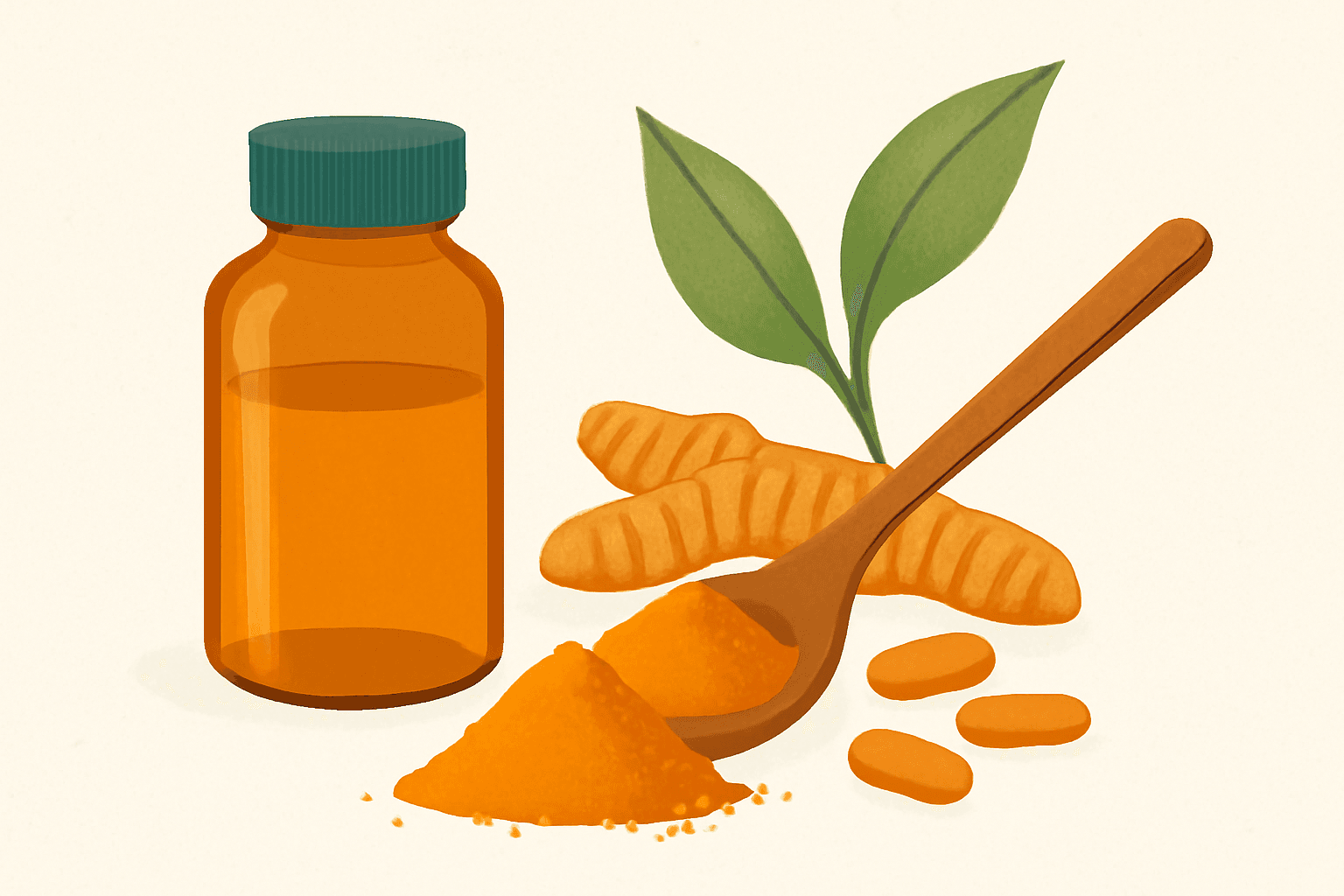
Turmeric (Curcuma longa) is a rhizome in the ginger family, long used in South and East Asian cuisines and traditional medicine for supporting digestion, joints, skin, and wound care. Its bright color comes from curcuminoids—most notably curcumin—along with demethoxycurcumin and bisdemethoxycurcumin. Turmeric also contains aromatic turmerones and other polyphenols and essential oils.
How it works (what science and tradition suggest):
Anti-inflammatory signaling: Curcumin modulates NF-κB, COX-2, LOX, and pro-inflammatory cytokines (TNF-α, IL‑1β, IL‑6), shifting the body toward a lower inflammatory set point.
Antioxidant and cellular defense: It scavenges free radicals and activates Nrf2, a transcription factor that upregulates the body’s own antioxidant enzymes (glutathione S-transferases, heme oxygenase-1).
Metabolic pathways: Emerging research suggests curcumin may influence AMPK activity, insulin signaling, and lipid metabolism, with small effects on blood sugar and triglycerides in some studies.
Gut and bile flow: Traditionally used as a “digestive bitter,” turmeric can support bile secretion. Modern research indicates it may influence the gut microbiome and intestinal barrier integrity.
Brain effects: Preclinical and early human data suggest curcumin can cross the blood–brain barrier to a limited degree, with potential effects on neuroinflammation and amyloid aggregation.
From an eastern perspective, turmeric is warming and is said to support “agni” (digestive fire). From a western lens, the same plant’s bioactives map to inflammation and oxidative stress pathways relevant to many chronic conditions.
Turmeric benefits: what the research says
Below we group common uses by the strength of evidence and outline proposed mechanisms. Where possible, we note the general evidence level: strong (multiple RCTs/meta-analyses), moderate (limited RCTs or consistent observational studies), emerging (preliminary human data or primarily animal/mechanistic), or traditional (historical use without modern clinical evidence).
What the research says: Multiple clinical trials indicate curcumin can reduce biomarkers of inflammation (e.g., hs‑CRP) and modestly improve pain scores in various conditions. Meta-analyses show small-to-moderate effects on pain compared with placebo. The magnitude is often similar to low-dose NSAIDs in some studies, though trials vary widely.
Mechanisms: Downregulation of NF‑κB and COX‑2 pathways; antioxidant effects.
Evidence level: Moderate for general inflammatory biomarkers and nonspecific pain.
Osteoarthritis and joint health
What the research says: Several randomized controlled trials and meta-analyses report that curcumin extracts (typically 500–1500 mg/day curcuminoids for 8–12 weeks) reduce osteoarthritis knee pain and improve function versus placebo. Some trials suggest comparable symptom relief to NSAIDs like ibuprofen or diclofenac with fewer gastrointestinal side effects, though study quality and formulations vary.
Mechanisms: Modulates inflammatory enzymes (COX‑2, LOX), reduces cartilage-degrading cytokines, and may influence pain sensitization pathways.
Evidence level: Moderate (benefit is consistent but heterogeneity and potential publication bias remain).
See also: Guide to Joint Health
Metabolic health (blood sugar, lipids, weight)
What the research says: Meta-analyses of RCTs suggest small improvements in fasting glucose, hemoglobin A1c, triglycerides, and waist measures in certain populations with curcumin supplementation, especially when combined with lifestyle changes. Effects tend to be modest and vary by dose and formulation.
Mechanisms: May enhance insulin signaling and decrease inflammatory tone associated with insulin resistance; potential AMPK activation.
Evidence level: Moderate for small improvements in surrogate markers; not a substitute for medical therapy.
Cognitive and mood effects
What the research says: Emerging evidence from small RCTs indicates that bioavailable curcumin formulations can improve aspects of working memory, attention, and mood in older adults over several months. One study reported reduced amyloid and tau PET signals with Theracurmin, but sample sizes are small and replication is needed.
Mechanisms: Reduction of neuroinflammation and oxidative stress; possible effects on amyloid aggregation; support of cerebral blood flow.
Evidence level: Emerging.
Digestive and gut health
What the research says: Traditionally used for indigestion and to support bile flow. Small clinical trials suggest potential benefit for functional dyspepsia and irritable bowel syndrome (IBS) symptoms. As an adjunct to standard therapy, curcumin has shown promise in maintaining remission in ulcerative colitis. Data remain limited and heterogeneous.
Mechanisms: Bile stimulation, anti-inflammatory action in the gut lining, modulation of gut microbiota.
Evidence level: Emerging to moderate (adjunct in ulcerative colitis shows more consistent signals; broader digestive claims remain preliminary).
For broader strategies that pair herbs and diet, see How to Use Anti-Inflammatory Herbs.
Forms, typical dosages, and bioavailability
Curcumin is poorly absorbed on its own and is rapidly metabolized. Formulation matters.
Typical culinary use: 1/4–1 teaspoon per day (about 0.5–3 grams). Provides a small amount of curcuminoids (2–6% by weight). Best for general wellness and as part of an anti-inflammatory diet.
Standardized curcumin extracts
Usually labeled as “95% curcuminoids.” Typical study doses: 500–1000 mg curcuminoids per day, sometimes up to 1500–2000 mg in divided doses for osteoarthritis (short-term trials).
Enhanced-bioavailability formulations
Piperine-combined extracts: Black pepper extract (piperine, ~5–20 mg) can significantly increase curcumin absorption by inhibiting metabolic enzymes and P‑glycoprotein. Useful, but raises interaction potential with medications.
Phytosomal or complexed curcumin (e.g., Meriva/curcumin phytosome, Longvida, Theracurmin, BCM‑95/curcumin with essential oils): These improve absorption via lipid carriers or particle size reduction. Effective doses are often lower (e.g., 250–1000 mg/day of the proprietary product, which corresponds to a smaller amount of curcuminoids) because of higher bioavailability.
Whole-root capsules
Provide turmeric powder without standardized curcuminoids; helpful for culinary-level dosing in capsule form.
How to dose:
For general wellness: Culinary use (0.5–1 tsp daily with food) or 250–500 mg/day of a bioavailable curcumin complex.
For joint discomfort (based on trials): 500–1500 mg/day of curcuminoids from standardized extracts or 500–1000 mg/day of a bioavailable complex, for 8–12 weeks. Start low and assess tolerance.
With food and fat: Curcumin is fat-soluble; take with a meal containing healthy fats to aid absorption.
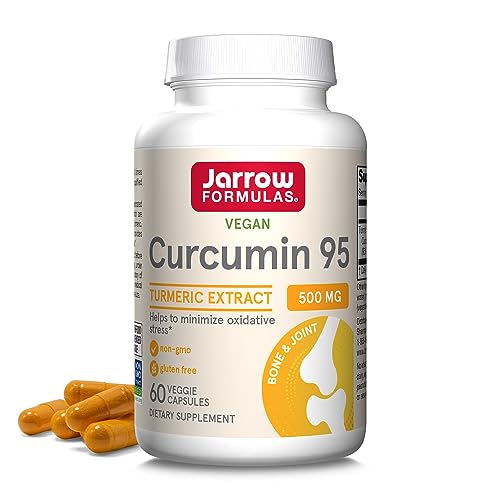
A standardized 95% curcuminoid capsule such as Curcumin 95 Complex if you prefer traditional extracts.
For kitchen use, a culinary-grade Organic Turmeric Powder can make it easy to add turmeric to meals.
How to choose a quality turmeric supplement
Because turmeric is a high-demand botanical, quality varies widely.
What to look for:
Transparent standardization: The label should specify curcuminoid content (e.g., “500 mg curcuminoids”), not just “turmeric root.” Remember: 1000 mg of turmeric powder is not the same as 1000 mg of curcuminoids.
Bioavailability details: If the product claims “X-times more bioavailable,” look for the named technology (e.g., phytosome, Theracurmin, Longvida) and, ideally, citations supporting the claim.
Third-party testing: Certifications such as USP, NSF, Informed Choice, or a published Certificate of Analysis (CoA) help confirm identity, potency, and purity.
Heavy metal and adulteration testing: Turmeric powder has been subject to adulteration (including with lead-containing compounds). Choose reputable brands that test for lead, arsenic, cadmium, and mercury.
Reasonable dosing and safety disclosures: Products that stack multiple bioenhancers (e.g., high-dose piperine plus a high-bioavailability complex) may increase interaction risks without clear benefit.
Red flags:
Vague proprietary blends that hide curcuminoid amounts
Products without contact details or batch numbers
Unrealistic claims (“cures arthritis,” “replaces all pain meds”)
For broader vetting tips, see Choosing Quality Supplements.
Safety, side effects, and important drug interactions
Most healthy adults tolerate culinary turmeric well. Concentrated extracts can cause side effects or interact with medications. When in doubt, consult your clinician.
Common side effects (usually mild and dose-related):
Stomach upset, reflux, gas, or loose stools
Headache or dizziness in some users
Yellow stool or benign skin staining from culinary use
Less common but important:
Gallbladder issues: Turmeric can stimulate bile flow; avoid high-dose supplements if you have gallstones or biliary obstruction unless cleared by your doctor.
Kidney stones: Turmeric contains oxalates; high intake can raise urinary oxalate. If you have a history of calcium oxalate stones, limit supplemental turmeric/curcumin and keep culinary doses modest.
Iron absorption: Laboratory and limited human data suggest curcumin may reduce iron absorption. If you have iron deficiency anemia, use caution and monitor levels.
Liver health: Rare cases of liver injury have been reported with certain curcumin supplements, particularly some enhanced-bioavailability products. Stop use and seek care if you notice jaundice, dark urine, pale stools, or severe fatigue.
Drug and condition interactions:
Blood thinners and antiplatelet drugs: Warfarin, apixaban, rivaroxaban, clopidogrel, aspirin. Turmeric/curcumin may increase bleeding risk, especially with piperine-containing formulas. Avoid or use only under medical supervision.
Diabetes medications: May enhance glucose-lowering effects; monitor for hypoglycemia.
Proton pump inhibitors and GERD: Turmeric can irritate reflux in some people; start low.
Chemotherapy/immunosuppression: Curcumin can affect drug-metabolizing enzymes (CYPs) and transporters (P‑gp). Oncologists often advise avoiding nonessential supplements during active chemotherapy unless approved.
Pregnancy and breastfeeding: Culinary amounts are generally considered safe. High-dose extracts are not well studied and are typically avoided during pregnancy and lactation.
Surgery: Due to potential bleeding effects, stop supplemental turmeric/curcumin 1–2 weeks before surgery unless your surgical team advises otherwise.
This section reflects moderate evidence for common side effects and case reports for rare events. Individual risk varies.
Practical tips: how to take turmeric, food pairings, and simple recipes
Make the most of turmeric’s benefits with smart pairings and preparation.
Absorption tips:
Take with fat: Add to meals containing olive oil, avocado, nuts, or dairy alternatives.
Add gentle heat: Light cooking can help release flavors and disperse curcumin in fat.
Pepper with prudence: A pinch of black pepper (piperine) can increase absorption, but if you take medications with narrow therapeutic windows, consider skipping piperine and opting for a bioavailable curcumin complex instead.
Easy ways to use turmeric daily:
Golden milk (evening)
Warm 8–10 oz milk or unsweetened plant milk.
Whisk in 1/2 tsp turmeric, a pinch of cinnamon, ginger, and black pepper; sweeten lightly if desired.
Optional: 1 tsp coconut oil to enhance fat content.
Savory turmeric dressing (lunch)
Blend 1 tbsp olive oil, 1 tsp lemon juice, 1/2 tsp turmeric, 1/4 tsp cumin, salt, and pepper. Drizzle on roasted vegetables or greens.
Turmeric scramble (breakfast)
Sauté onions and spinach in olive oil; add eggs or tofu and 1/2 tsp turmeric with a pinch of black pepper.
Supplement timing:
Take curcumin with a meal to reduce stomach upset.
If using twice daily dosing, morning and evening meals work well.
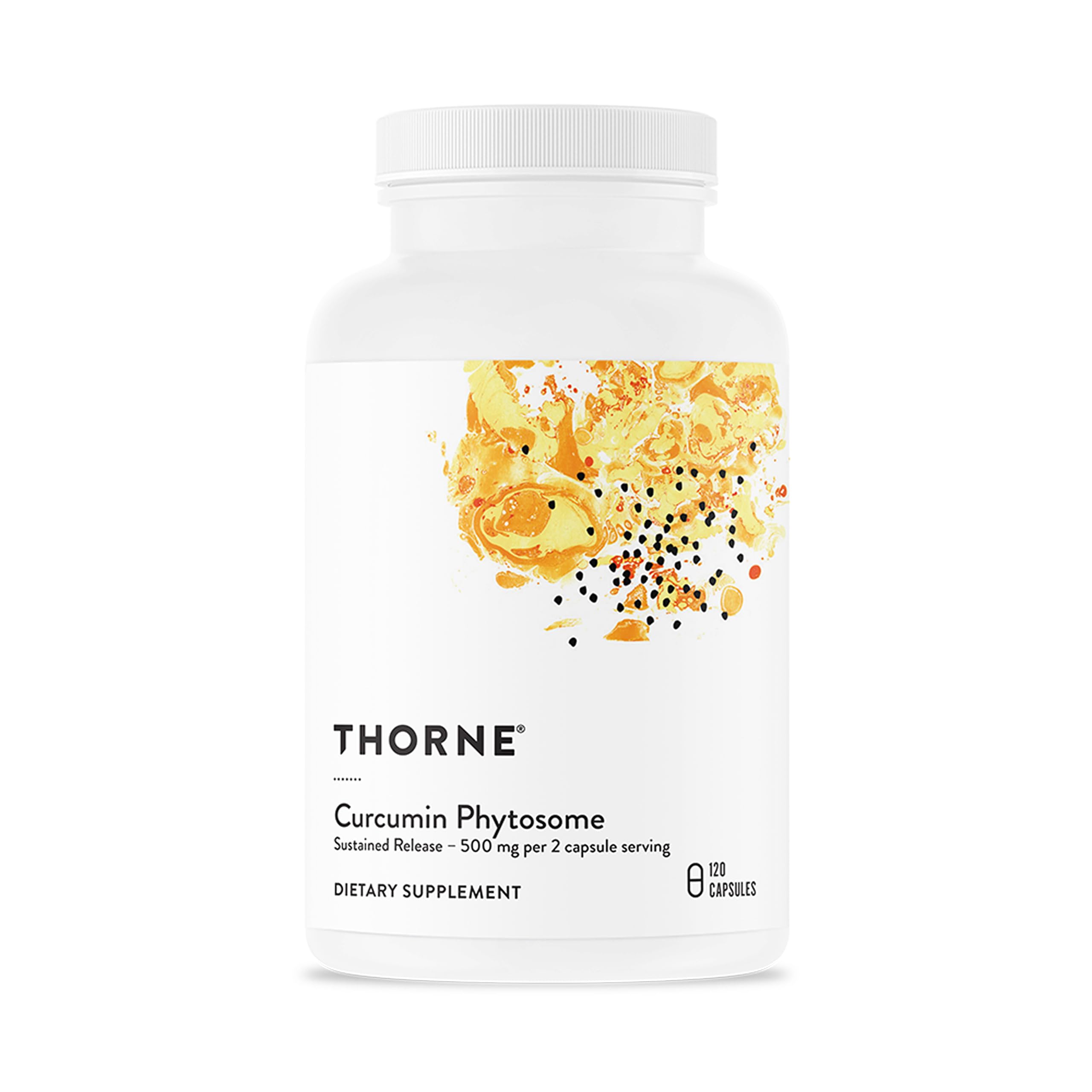
A once-daily bioavailable capsule such as Curcumin Phytosome 500 mg for those avoiding black pepper.
Summary, evidence grading, FAQs, and when to consult your provider
Quick evidence snapshot for common uses:
Osteoarthritis and joint pain: Moderate evidence for symptom relief; benefits often seen within 4–8 weeks.
General inflammatory biomarkers and nonspecific pain: Moderate evidence for small-to-moderate improvements.
Metabolic health (glucose, triglycerides): Moderate evidence for modest improvements in surrogate markers.
Cognitive and mood support: Emerging evidence from small RCTs with bioavailable forms.
Digestive support: Emerging to moderate; stronger as adjunct in ulcerative colitis remission maintenance than for broad digestive claims.
FAQs
Turmeric vs. curcumin—what’s the difference? Turmeric is the whole root/spice with many compounds. Curcumin is one group of actives (curcuminoids). Extracts standardize curcuminoids for consistent dosing.
How long until I notice effects? For joints and general pain, some people notice changes within 2–4 weeks; fuller effects often take 8–12 weeks. Metabolic markers are usually reassessed after 8–12 weeks.
Do I need black pepper with turmeric? It helps absorption but also raises interaction potential. If you take medications, consider a bioavailable curcumin complex without piperine and discuss with your clinician.
Is fresh turmeric better than dried? Fresh offers aromatic oils; dried is convenient and consistent for dosing. Both can fit. Roughly, 1 inch of fresh turmeric ≈ 1 tsp grated ≈ 1/2 tsp dried powder, though potency varies.
Can I take turmeric every day? Culinary use is generally fine for most people. For supplements, many studies last 2–3 months; take periodic breaks and review with your healthcare provider.
Will turmeric stain? Yes—countertops, fabrics, and even some plastics. Clean up quickly and consider dedicated utensils.
When to consult your healthcare provider
You take blood thinners, antiplatelets, diabetes medications, or have significant liver, gallbladder, or kidney stone history
You’re pregnant, trying to conceive, or breastfeeding
You’ve had unexplained jaundice, dark urine, or right upper abdominal pain after starting supplements
You plan surgery within the next month
How to use this information
Start with food: Incorporate 1/4–1 tsp of turmeric daily in meals.
If considering supplements: Choose a third-party tested product, begin with a low dose (e.g., 250–500 mg/day of a bioavailable complex), and reassess after 8–12 weeks.
Track outcomes: Use a pain or symptom diary and, if relevant, lab markers (CRP, A1c, lipids) under clinician guidance.
This guide integrates both traditional use and modern science. Many people include turmeric as part of a comprehensive lifestyle approach—alongside movement, sleep, and an anti-inflammatory diet—to support joint comfort and metabolic health while acknowledging that individual responses vary.
Disclaimer: This content is for educational purposes and does not substitute for personalized medical advice. Discuss supplements and herb–drug interactions with your licensed healthcare professional.
This content is for informational purposes only and does not constitute medical advice. Always consult a qualified healthcare provider before starting, stopping, or changing any supplement or medication regimen.
Turmeric Supplement Benefits: Evidence-Based Guide + How to Choose. ## Why people turn to turmeric supplements
If you’re curious about turmeric supplement benefits, you’re not alone. Many people look to turmeric or its active compound curcumin for joint comfort, general inflammation, metabolic health, digestion, or mood support. This guide brings together research f
If you’re adding turmeric or curcumin to your routine, you might be wondering about turmeric side effects, who’s most at risk, and how to use it safely. This guide blends western research and traditio
What Are the Side Effects of Turmeric? Risks, Interactions & Safety Tips. If you’re adding turmeric to your routine, you’re likely wondering about the side effects of turmeric and how to use it safely. While culinary turmeric is generally well‑tolerated, supplements—especially concentrated curcumin extracts—can cause digestive upset and, in rarer cases, more serious probl
Does Turmeric Interact with Medications? Risks, Evidence & Safety Tips. Turmeric shows up in everything from golden milk to joint‑support supplements. But does turmeric interact with medications? The short answer: yes, turmeric (and its active compound curcumin) can interact with certain drugs—especially blood thinners and medications moved by common liver enzymes and t
Turmeric. Curcumin, Turmeric (Curcumin). ## Overview
**Turmeric** refers to the golden-yellow rhizome of *Curcuma longa*, a plant in the ginger family that has long been used as a culinary spice, dye, and traditional health remedy. Its best-known bioactive constituents are **curcuminoids**, especially **curcumin**, which is the compound m