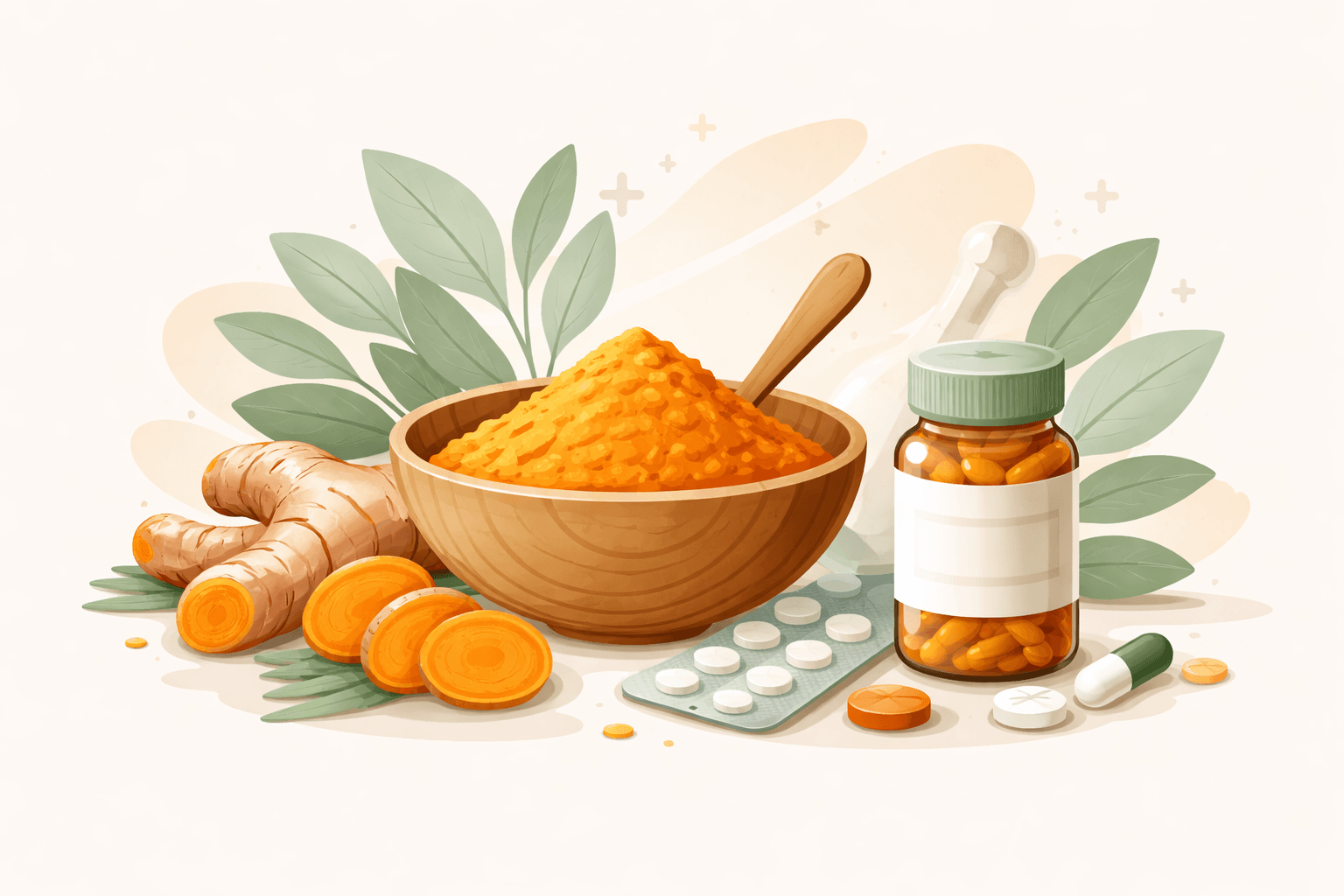
Turmeric shows up in everything from golden milk to joint‑support supplements. But does turmeric interact with medications? The short answer: yes, turmeric (and its active compound curcumin) can interact with certain drugs—especially blood thinners and medications moved by common liver enzymes and transporters. The risk depends on your dose, the product formulation (for example, with black pepper/piperine), and your medication list.
Quick answer: can turmeric interact with medications?
- Culinary amounts used in food are generally considered low risk for most people.
- High-dose turmeric/curcumin supplements (especially those combined with piperine/black pepper extract to boost absorption) may increase the effects of blood thinners/antiplatelets and could alter levels of drugs processed by CYP enzymes and P‑glycoprotein (P‑gp). Evidence level: moderate (case reports, mechanistic studies, limited human data).
- If you take warfarin, a direct oral anticoagulant (DOAC), antiplatelets, insulin/sulfonylureas, chemotherapy, immunosuppressants, or other narrow‑therapeutic‑index drugs, speak with your clinician or pharmacist before using turmeric supplements. Evidence level: moderate for anticoagulants/antiplatelets; emerging for many CYP/P‑gp interactions.
For a deep dive on blood thinners specifically, see our guide: Turmeric and Blood Thinners: Risks, Evidence, and Safe Use.
How turmeric and curcumin work in the body (brief pharmacology)
Turmeric (Curcuma longa) contains curcuminoids—chiefly curcumin—plus volatile oils and other phytochemicals.
- Anti‑inflammatory effects: Curcumin modulates inflammatory pathways by inhibiting NF‑κB and COX‑2 and reducing pro‑inflammatory cytokines. This underlies many traditional and research‑based uses.
- Antiplatelet activity: Laboratory studies show curcumin can reduce platelet aggregation and thromboxane formation, theoretically increasing bleeding risk when combined with anticoagulants/antiplatelets.
- Metabolic effects: Research suggests curcumin may influence insulin sensitivity and glucose metabolism, which can matter if you take diabetes medications.
- Enzymes and transporters: Curcumin and piperine (black pepper extract) can inhibit drug‑metabolizing enzymes (notably CYP3A4, CYP2C9, CYP1A2) and the drug transporter P‑glycoprotein (P‑gp) in vitro. Human studies are mixed, but enhanced‑bioavailability products raise the stakes for interactions.
- Bioavailability: Plain curcumin is poorly absorbed and rapidly metabolized. Many supplements add piperine or use nanoparticle, phytosome, or liposomal forms to boost absorption—potentially increasing interaction risk.
Medications that may interact with turmeric/curcumin
Evidence strength below reflects the interaction risk, not the health benefits of turmeric.
1) Anticoagulants and antiplatelets (moderate evidence)
- Warfarin: Case reports describe increased INR or bleeding after starting high‑dose turmeric/curcumin. Mechanisms may include additive antiplatelet effects and CYP2C9/CYP3A4 modulation.
- DOACs (apixaban, rivaroxaban, edoxaban, dabigatran): Curcumin/piperine may affect P‑gp and/or CYP3A4 (relevant to some DOACs). Clinical data are limited; caution is prudent.
- Antiplatelets (aspirin, clopidogrel, prasugrel, ticagrelor) and NSAIDs (ibuprofen, naproxen): Potential additive bleeding risk due to turmeric’s antiplatelet properties.
Contextual resource: Turmeric and Blood Thinners: Risks, Evidence, and Safe Use.
2) Diabetes medications (emerging to moderate evidence)
- Insulin and sulfonylureas (e.g., glipizide, glyburide): Curcumin may modestly lower glucose; additive effects could cause hypoglycemia in susceptible individuals.
- Metformin, DPP‑4 inhibitors, GLP‑1 RAs, SGLT2 inhibitors: Interactions are less clear; most concerns are additive glucose‑lowering rather than pharmacokinetic conflicts. Monitor as advised by your clinician.
3) Blood pressure medications (emerging evidence)
- ACE inhibitors/ARBs, calcium channel blockers, thiazides: Some studies suggest curcumin may modestly support endothelial function and blood pressure; additive effects could contribute to lightheadedness or low readings in sensitive patients. Robust pharmacokinetic interactions are not well established.
4) Chemotherapies and immunosuppressants (emerging evidence; high caution)
- Chemotherapy: Curcumin has been studied as a chemosensitizer in labs and early clinical settings, but it can also modulate CYP3A4 and P‑gp. Drugs with narrow therapeutic windows (e.g., certain taxanes, tyrosine kinase inhibitors) warrant oncologist oversight if considering any supplement.
- Immunosuppressants (cyclosporine, tacrolimus): Potential CYP3A4/P‑gp interactions could alter drug levels. Transplant and autoimmune patients should generally avoid unsupervised turmeric supplements.
5) Drugs processed by CYP enzymes and P‑gp (emerging evidence)
- CYP3A4/CYP2C9/CYP1A2 substrates: Theoretical interactions with some statins (simvastatin, atorvastatin), antiarrhythmics, benzodiazepines (midazolam), tricyclics, and others. Human data are inconsistent; risk rises with enhanced‑absorption turmeric formulas.
- P‑gp substrates: Digoxin, certain DOACs, some chemotherapies and antivirals. Curcumin/piperine may inhibit P‑gp in vitro; clinical relevance varies.
6) Other considerations
- Additive bleeding risk with other supplements: High‑dose fish oil, garlic, ginkgo, and others may compound bleeding tendencies when combined with turmeric.
- Liver considerations: Rare cases of turmeric‑associated liver injury have been reported, often involving high‑dose products and piperine. Avoid if you have active liver disease unless cleared by your clinician. See our safety overview: Turmeric Side Effects: Risks, Interactions & Safety Guide.
What the Research Says
- Anticoagulation/platelets (moderate evidence): In vitro and animal studies consistently show antiplatelet effects. Human evidence includes case reports of elevated INR/bleeding with warfarin plus turmeric/curcumin. Large controlled trials focused on interaction outcomes are limited.
- Glycemic effects (emerging to moderate): Small randomized trials and meta‑analyses suggest curcumin may improve insulin sensitivity and fasting glucose in metabolic syndrome/prediabetes. Direct interaction trials with diabetes drugs are sparse; clinical vigilance is advised.
- Enzymes/transporters (emerging): Laboratory data show curcumin and piperine can inhibit CYP3A4, CYP2C9, CYP1A2, and P‑gp. Human pharmacokinetic studies are mixed—some show minimal impact with standard curcumin, while enhanced‑bioavailability products can increase systemic exposure, raising theoretical interaction risk.
- Blood pressure and lipids (emerging): Some RCTs report modest benefits, but these often exclude patients on complex regimens, leaving uncertainty about real‑world interactions.
- Safety signals (emerging): Post‑marketing reports and case series document rare but notable liver injury linked to turmeric supplements, especially with piperine or high‑bioavailability forms; causality varies by case.
Overall, research indicates plausible mechanisms for interactions and some real‑world cases—especially with blood thinners. But comprehensive, high‑quality trials examining turmeric alongside specific medications are still limited.
Who is at higher risk and when to be cautious
- You take anticoagulants/antiplatelets, or have a bleeding disorder.
- You use diabetes medications, especially insulin or sulfonylureas.
- You’re on narrow‑therapeutic‑index drugs (warfarin, digoxin, certain antiarrhythmics, immunosuppressants, chemotherapies).
- You take many medications (polypharmacy), are age 65+, or have multiple chronic conditions.
- You have liver disease, past turmeric‑associated liver injury, gallbladder disease, or bile duct obstruction.
- You’re pregnant or breastfeeding (safety data for supplements are limited; culinary use is generally considered acceptable—discuss with your clinician).
- You’re scheduled for a procedure or surgery within the next few weeks.
- You use enhanced‑absorption turmeric (with piperine, phytosome, liposomal, or nanoparticle forms), which can raise interaction potential.
For broader context on managing herb‑drug risks, see our overview: Herb-Drug Interactions: Risks, Common Examples, and How to Stay Safe.
Practical safety tips: dosing, timing, labels, and talking to your clinician
- Prefer food first: Culinary turmeric in cooking typically delivers small amounts with low interaction risk for most people.
- If supplementing, start low: Many products provide 250–500 mg curcumin per serving. Begin at the low end, avoid stacking multiple turmeric products, and reassess after 1–2 weeks.
- Check the label for piperine/black pepper extract: Piperine can markedly increase curcumin absorption—and the chance of interactions. If you take multiple medications, a piperine‑free product may be a safer discussion point with your clinician.
- Enhanced‑absorption forms: Phytosome/liposomal/nano curcumin may achieve higher blood levels. That can be good for efficacy but may increase interaction risk—get individualized advice.
- Timing strategies: Separating turmeric from medications by 3–4 hours may help for absorption‑based issues but does not guarantee safety for enzyme/transporter interactions. Use timing only as an adjunct to professional guidance.
- Monitor for signals: Easy bruising/bleeding, nosebleeds, black/tarry stools, unusual fatigue, dizziness or unusually low blood pressure, shakiness/sweats/confusion from low blood sugar, or jaundice/itching/dark urine—contact your clinician promptly.
- Lab monitoring: If you’re on warfarin, ask about an extra INR check after starting or changing turmeric dose. For drugs with level monitoring (e.g., tacrolimus), coordinate with your specialist.
- Bring your full list: Share all prescriptions, OTCs, and supplements with your pharmacist/clinician. They can run an interaction screen using our Drug Interaction Checker — Check Rx, OTC & Supplement Interactions.
Helpful tools many readers find useful:
- A 7‑Day Pill Organizer can simplify timing and reduce accidental double dosing when you add or pause supplements.
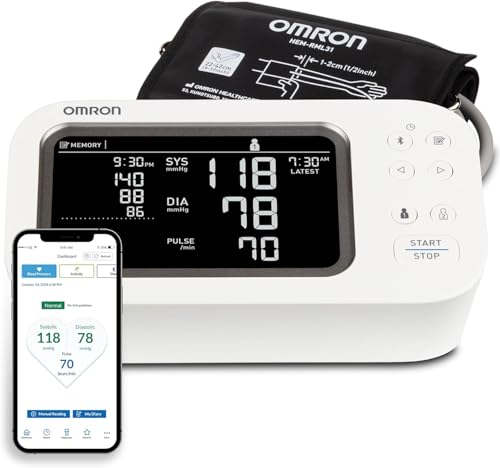
- An Automatic Blood Pressure Monitor helps you track for potential additive effects if you take antihypertensives and decide to trial turmeric.
- A Home Glucose Meter Kit is useful for those on diabetes medications who want tighter at‑home monitoring when introducing any new supplement.
Before procedures and surgery — recommended stop times and precautions
- Many surgeons and anesthesiologists advise stopping turmeric/curcumin supplements 1–2 weeks before surgery to reduce bleeding risk. Culinary turmeric in food is typically fine unless told otherwise.
- If you’re scheduled for a colonoscopy, dental surgery, or other procedures, tell the care team about your supplements at least two weeks ahead.
- For more pre‑op guidance, see: Supplements to Avoid Before Surgery: A Practical Pre‑Op Guide.
Frequently asked questions
Does turmeric interact with medications if I only use it in food?
Culinary amounts are generally considered low risk for most people and are unlikely to cause meaningful interactions. If you take warfarin, DOACs, or have a bleeding disorder, discuss even culinary use with your clinician, especially if you consume turmeric daily in larger amounts.
Is black pepper a problem?
Piperine (black pepper extract) in supplements can significantly increase curcumin absorption. That can also amplify interactions. If you take several medications or a blood thinner, consider avoiding piperine‑fortified products unless your clinician approves.
Can I take turmeric with warfarin or DOACs?
Caution is warranted due to additive bleeding risk and potential enzyme/transporter effects. If your clinician okays a trial, use the lowest effective dose, avoid piperine, and arrange extra monitoring. See our detailed guide on Turmeric and Blood Thinners.
What about turmeric and NSAIDs like ibuprofen?
There’s potential for additive bleeding or stomach irritation when combining turmeric supplements with NSAIDs. Short courses may be acceptable for some people, but ask your clinician and watch for bruising or GI symptoms.
Are turmeric creams or topical pastes safer with medications?
Topical use leads to minimal systemic absorption and is less likely to interact with medications, though skin irritation can occur. Avoid on broken skin or before surgery unless cleared.
How do I check my specific medications?
Use our Drug Interaction Checker and bring the results to your pharmacist/clinician for context. Keep in mind that databases may flag theoretical interactions; personalized guidance is key.
Trusted references and how to use them
- NIH National Center for Complementary and Integrative Health (NCCIH) overviews on turmeric/curcumin
- National Institutes of Health Office of Dietary Supplements fact sheets
- Peer‑reviewed systematic reviews and meta‑analyses on curcumin’s effects on inflammation, glycemia, and cardiovascular markers
- Pharmacology texts and reviews on CYP enzymes and P‑gp transporters
- Case reports and safety data from national adverse event monitoring systems and liver injury networks
When you read studies, look for human clinical trials, whether medications were allowed, and if the product used piperine or enhanced‑bioavailability technology—these details affect real‑world interaction risk.
How to use this information
- If you’re healthy, take no medications, and want to use turmeric in cooking, enjoy it.
- If you take one or more daily medications—or have a planned procedure—treat turmeric supplements like any other active therapy: check interactions, start low if approved, avoid piperine unless advised, and monitor closely.
- When in doubt, ask your pharmacist; they are medication‑interaction experts and can tailor advice to your specific regimen.
This information is for educational purposes and should not replace personalized medical advice. Always consult your clinician before starting, stopping, or changing any supplement.