Supplements to Avoid Before Surgery: A Practical Pre‑Op Guide
A practical, evidence‑based guide to supplements to avoid before surgery, with stop‑time timelines, interaction risks, and pre‑op checklist tips.
·11 min read
This content is for informational purposes only and does not constitute medical advice. Always consult a qualified healthcare provider before starting, stopping, or changing any supplement or medication regimen.
If you’re planning an operation, you’ve probably heard that there are supplements to avoid before surgery. The reason is simple: some herbs, vitamins, and over‑the‑counter botanicals can increase bleeding, alter anesthesia, or complicate healing. This guide brings together what surgeons and anesthesiologists commonly recommend, what research suggests, and how to talk with your care team so you can feel prepared.
Why it matters: bleeding, anesthesia, and healing risks
Surgery stresses the body. Supplements can influence three critical aspects of your peri‑operative safety:
Bleeding and clotting: Several botanicals affect platelets (the cells that help stop bleeding) or interfere with clotting pathways. Even if you feel fine, these changes can increase blood loss.
Anesthesia and sedation: Some supplements act on the brain’s GABA or opioid systems, potentially intensifying or blunting anesthesia and pain medications. Others change how drugs are metabolized (CYP450 enzymes), altering drug levels during and after the procedure.
Blood pressure, heart rhythm, and glucose: Stimulant or endocrine‑active supplements can raise blood pressure, speed heart rate, or lower/raise blood sugar—undesirable during surgery.
Liver and kidney workload: A few herbs carry rare risks of liver injury; anesthesia and post‑op pain meds also rely on these organs, so the combined load matters.
Traditional systems (Ayurveda, TCM) have long cautioned against blood‑moving or sedative herbs before invasive procedures. Modern peri‑operative guidelines echo this prudence.
Common supplements to avoid before surgery (evidence‑based list)
Below are widely cited supplements with potential peri‑operative risks. Evidence levels are noted: strong (multiple RCTs/meta‑analyses), moderate (limited RCTs/observational), emerging (preclinical or small studies), or traditional (historical use without modern trials).
Antiplatelet/anticoagulant or bleeding‑associated
Garlic (Allium sativum) — moderate: Antiplatelet effects documented; associated with peri‑operative bleeding in case reports. Often advised to stop.
Ginkgo biloba — moderate: Inhibits platelet‑activating factor; linked with increased bleeding risk in observational data.
Ginseng (Panax spp.) — moderate: May reduce platelet aggregation and lower blood sugar; additive effects with anticoagulants possible.
Ginger (Zingiber officinale, high doses) — emerging to moderate: Mild antiplatelet effects at supplemental doses; culinary use is generally fine.
Fish oil/omega‑3 fatty acids — moderate: Historically thought to increase bleeding; newer RCTs suggest minimal surgical bleeding impact, but many surgeons still prefer a pause.
Vitamin E (>400 IU/day) — moderate: Associated with bleeding tendency in some studies.
Feverfew — traditional to emerging: Antiplatelet signals; theoretical bleeding risk.
Willow bark (salicylates) — moderate: Aspirin‑like effects on platelets.
Dong quai (Angelica sinensis) and Danshen (Salvia miltiorrhiza) — traditional to emerging: Classic TCM “blood‑moving” herbs; case reports with anticoagulants.
Grape seed extract and Resveratrol — emerging: Potential antiplatelet activity.
Saw palmetto — emerging: Isolated case reports of bleeding.
Glucosamine/chondroitin — emerging to moderate: Occasional reports of potentiated warfarin effect.
CNS depressants/sedatives and psychoactives
Kava (Piper methysticum) — moderate: GABAergic sedation; additive with anesthetics and benzodiazepines; rare hepatotoxicity.
Valerian (Valeriana officinalis) — moderate: GABAergic; may require taper to avoid withdrawal‑like symptoms.
Kratom (Mitragyna speciosa) — emerging to moderate: Opioid‑like effects; potential for respiratory depression, drug interactions, and withdrawal.
Melatonin — emerging to moderate: Generally low risk; can increase sedation. Many clinicians allow until the night before, but confirm with your anesthesiologist.
Enzyme inducers/inhibitors and metabolic interactions
Licorice (Glycyrrhiza glabra) — moderate: Can raise blood pressure, lower potassium; interacts with diuretics and steroids.
Cardiovascular stimulants/pressors and others
Bitter orange/synephrine and other “fat burner” blends — moderate: Sympathomimetic effects; raise BP/HR; arrhythmia risk.
Yohimbe — moderate: Increases BP/HR; interacts with antidepressants and antihypertensives.
Ephedra/ma huang (banned in many regions) — strong (for risk): Hypertension/arrhythmias.
CoQ10 and Vitamin K — moderate: Can antagonize warfarin; coordination with anticoagulation clinic needed.
Evening primrose oil — emerging: Seizure risk in predisposed individuals; theoretical interaction with anesthetics.
How long before surgery to stop each supplement (timelines)
Clinical policies vary. When in doubt, many anesthesiologists recommend stopping non‑essential supplements 1–2 weeks pre‑op. Discuss your exact plan with your surgical team.
CBD products (emerging to moderate interaction data; many centers advise 5–7 days)
72 hours before:
THC (inhaled/edible cannabis) due to hemodynamic and anesthetic effects; disclose frequency of use
High‑caffeine pre‑workout or stimulant blends
Night before or day of surgery (confirm with anesthesia):
Melatonin (some allow until night before)
Magnesium, electrolytes, and most vitamins/minerals without known interactions are often held the morning of surgery due to NPO status and to simplify medication reconciliation
Continue only if your surgeon instructs you to:
Iron (if treating anemia), vitamin D/B12 (replacement), and physician‑directed immunonutrition formulas used in specific protocols. Never start these without approval.
What the Research Says about supplements to avoid before surgery
Antiplatelet botanicals: Studies indicate garlic, ginkgo, and ginseng can reduce platelet aggregation; clinical bleeding signals come mostly from observational data and case reports (moderate evidence). Feverfew and turmeric/curcumin have preclinical antiplatelet activity with limited clinical data (emerging to moderate).
Fish oil: RCTs in cardiac and non‑cardiac surgery show little to no increase in transfusion or major bleeding, yet peri‑operative teams often still pause fish oil to standardize care (moderate evidence).
Vitamin E: Observational studies associate higher‑dose vitamin E with bleeding risk; mechanism plausibly involves vitamin K antagonism and platelet function (moderate evidence).
St. John’s wort: Robust pharmacokinetic research shows enzyme induction that lowers concentrations of benzodiazepines, some opioids, and anticoagulants—relevant for anesthesia and pain control (strong evidence for interaction; not for efficacy).
Kava/valerian: Human studies show CNS depressant properties via GABAergic mechanisms; additive effects with sedatives are plausible (moderate evidence). Valerian discontinuation can produce agitation/insomnia in regular users, hence a taper.
Cannabinoids: Emerging peri‑operative studies suggest THC users may need higher anesthetic doses and can have HR/BP variability; CBD can inhibit enzymes that metabolize sedatives and antiplatelets (emerging to moderate evidence).
Licorice: Well‑documented pseudoaldosteronism (hypertension, hypokalemia) via 11β‑HSD2 inhibition—undesirable hemodynamically during surgery (moderate to strong evidence).
Supplements rarely act in isolation. Additive effects with prescription drugs are a prime concern:
Anticoagulants/antiplatelets (warfarin, apixaban, clopidogrel): Increased bleeding risk with garlic, ginkgo, ginseng, turmeric/curcumin, feverfew, fish oil (institution‑dependent), and others. CoQ10/vitamin K can reduce warfarin effect.
Sedatives, anesthetics, opioids, benzodiazepines: Additive sedation/respiratory depression with kava, valerian, kratom, cannabinoids, and melatonin.
Antidepressants: St. John’s wort induces metabolism of SSRIs/SNRIs and can precipitate serotonin‑related issues with 5‑HTP or tryptophan; yohimbe may worsen anxiety or BP.
Antihypertensives/antiarrhythmics: Bitter orange, ephedra, and yohimbe may counteract BP meds and increase arrhythmia risk; licorice can elevate BP and reduce potassium, sensitizing to arrhythmias.
Every supplement, vitamin, and over‑the‑counter herb you take, with exact brand, dose, and how often
When you last took each one, and when you stopped or plan to stop
Any side effects you’ve noticed (e.g., easy bruising, stomach upset, drowsiness)
All prescription and OTC medications, including patches, topicals, and inhaled products
Caffeine, alcohol, nicotine, and cannabis habits (frequency and timing)
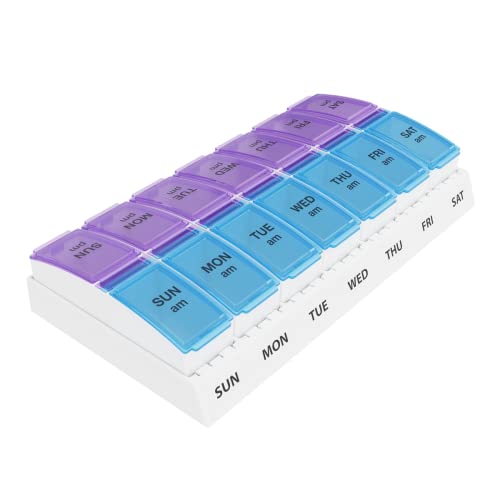
Practical tip: Many people find a simple 7‑Day Pill Organizer and a printable medication list helpful for tracking stop dates. A secure Medication List App can also keep your team aligned.
When to consult your surgeon, anesthesiologist, or pharmacist
You take blood thinners, antiarrhythmics, seizure meds, or antidepressants
You use sedating botanicals (kava, valerian, kratom, cannabinoids) daily
You have liver, kidney, bleeding, or clotting disorders
You plan to undergo spinal/epidural anesthesia
You need guidance on tapering (e.g., valerian) or bridging (e.g., anticoagulation)
Your procedure is urgent and you’ve recently taken high‑risk supplements
If something seems uncertain, message your pre‑op clinic. They prefer to adjust plans a week early rather than the morning of surgery.
Safer alternatives and nutritional preparation before surgery
Food first for wound healing: Protein (lean meats, legumes, dairy/soy), vitamin C‑rich produce (citrus, berries, peppers), and zinc sources (seafood, nuts, whole grains) support collagen formation and immune function. Research suggests adequate protein (about 1.2–1.5 g/kg/day in many surgical patients) is beneficial under medical guidance.
Consider dietitian‑guided immunonutrition: Some Enhanced Recovery After Surgery (ERAS) pathways use pre‑op formulas containing arginine, omega‑3s, and nucleotides for specific surgeries. Do not self‑start—ask your surgeon.
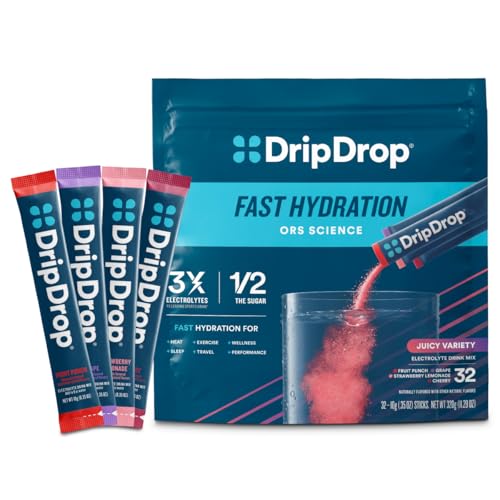
Hydration within NPO rules: Follow your hospital’s instructions. Some programs allow a clear‑carbohydrate drink up to 2–3 hours before anesthesia; confirm locally. Many people find an easy‑mix Oral Rehydration Electrolyte Mix helpful during the days before fasting (not on the morning of surgery unless cleared).
Medication organization: Use a checklist and set calendar reminders to pause and resume supplements as instructed.
Disclose everything you take—herbs, vitamins, powders, and teas count.
As a general rule, pause non‑essential supplements 1–2 weeks before surgery unless your team advises otherwise.
High‑priority items to stop early: garlic, ginkgo, ginseng, St. John’s wort, kava/kratom, stimulant “fat burners,” and high‑dose vitamin E.
Coordinate carefully if you’re on blood thinners, sedatives, or multiple prescriptions—use our interaction resources and your pharmacist’s expertise.
Keep nutrition simple and food‑based; reserve specialized formulas or supplements for clinician‑directed use.
References and further reading (clinical guidelines and studies)
American Society of Anesthesiologists. Patient guidance on cannabis and anesthesia; herbal supplements and surgery. 2020–2024.
American College of Surgeons. Surgical Patient Safety Recommendations on medication and supplement management. 2019–2024.
Cochrane Reviews and meta‑analyses on omega‑3 fatty acids and surgical bleeding (mixed findings). 2018–2022.
Pharmacology reviews on St. John’s wort (CYP3A4/2C19/PGP induction) and peri‑operative implications. Anesthesiology and Clinical Pharmacology journals. 2004–2023.
Reviews on herbal antiplatelet effects (garlic, ginkgo, ginseng, turmeric). Journal of Alternative and Complementary Medicine; Platelets. 2010–2023.
Case series and observational data on valerian/kava sedation and withdrawal phenomena in peri‑operative settings. 2005–2022.
Narrative reviews on licorice‑induced hypertension and hypokalemia relevant to anesthesia. 2012–2023.
Disclaimer
This guide is for educational purposes and does not replace personalized medical advice. Always follow your surgeon’s and anesthesiologist’s instructions about which supplements and medications to stop and when. Policies differ by hospital and by the type of surgery.
This content is for informational purposes only and does not constitute medical advice. Always consult a qualified healthcare provider before starting, stopping, or changing any supplement or medication regimen.
Interactions Between Herbal Supplements: Common Herb‑Herb Risks, How They Work, and Safety Tips. If you take more than one botanical at a time, you may wonder about interactions between herbal supplements. The short answer: they do exist. Some combinations can meaningfully raise bleeding risk, amplify sedation, stress the liver, or alter how other herbs are absorbed and metabolized. Research su
What Supplements Interact with Blood Thinners — Risks & Safe Choices. If you’re taking a blood thinner, you’re probably asking what supplements interact with blood thinners and how to stay safe. Research suggests several vitamins, herbs, and natural enzymes can either increase bleeding risk or reduce your medication’s effectiveness. This guide explains how blood thinn
Supplements You Shouldn’t Take Together: Interactions to Avoid. Many people search for what supplements should not be taken together because stacking products can backfire: reduced absorption, unwanted side effects, or—rarely—serious interactions. This guide offers a practical, evidence-rated look at common combinations to avoid and how to time your routine for
If you’re exploring herbal supplements, you’re likely asking two big questions: Do they work, and how do I choose safe, high-quality options? This guide explains what herbal supplements are, what the
If you take prescription or over‑the‑counter medications and also use herbs or supplements, you’ve likely wondered about herb drug interactions. Research shows some herbs can meaningfully change how m
Can You Take Too Many Supplements? Risks, Signs, and Safe Limits. If you’re wondering “can you take too many supplements,” the short answer is yes. Research and clinical experience show that excess vitamins, minerals, and botanicals can cause side effects, interact with medications, and, in some cases, lead to serious harm. This guide explains how over‑supplementa