Supplements You Shouldn’t Take Together: Interactions to Avoid
A practical, evidence-rated guide to what supplements should not be taken together, why interactions happen, and smart timing tips to stay safe.
·12 min read
This content is for informational purposes only and does not constitute medical advice. Always consult a qualified healthcare provider before starting, stopping, or changing any supplement or medication regimen.
Many people search for what supplements should not be taken together because stacking products can backfire: reduced absorption, unwanted side effects, or—rarely—serious interactions. This guide offers a practical, evidence-rated look at common combinations to avoid and how to time your routine for better safety and effectiveness.
What supplements should not be taken together? Quick answer
Calcium + iron: Calcium can inhibit non‑heme iron absorption; take at different times.
Zinc (especially ≥50 mg/day) + copper: High zinc induces proteins that trap copper, risking deficiency over time.
Multiple blood‑thinning agents together (e.g., high‑dose fish oil, ginkgo, garlic, ginseng, nattokinase, willow bark, high‑dose vitamin E, turmeric/curcumin): Additive bleeding risk, especially with anticoagulant or antiplatelet medications.
St. John’s wort + serotonergic supplements (5‑HTP, tryptophan, SAMe): Potential serotonin excess; St. John’s wort also alters drug metabolism.
Caffeine/stimulant blends + synephrine (bitter orange), yohimbine, or high‑dose green tea extract: Increased heart rate, blood pressure, and anxiety; rare arrhythmia risk.
Fiber supplements (psyllium, inulin) + minerals (iron, zinc, magnesium, calcium) at the same time: Fiber can reduce mineral absorption; separate doses.
Turmeric/curcumin + blood thinners or multiple “blood‑flow” herbs: Potential additive effects on clotting time.
High‑dose magnesium or calcium + certain medications (e.g., thyroid or some antibiotics): Mineral chelation can lower drug absorption—separate doses if prescribed (discuss with your clinician).
This list isn’t exhaustive. When in doubt, use an interaction tool and speak with a professional.
Supplement interactions occur through several mechanisms. Understanding them helps you design a safer routine.
1) Absorption and binding (pharmacokinetic)
Mineral competition: Divalent minerals (iron, zinc, magnesium, calcium) share transporters in the gut. Large doses taken together can reduce each other’s absorption.
Chelation: Minerals can bind certain medications or other nutrients and reduce their uptake.
Solubility and pH: Stomach/intestinal pH and fat content of a meal influence how well fat‑soluble compounds (e.g., vitamin E, curcumin) are absorbed.
Fiber binding: Soluble fiber can trap minerals, lowering bioavailability.
2) Enzyme and transporter effects (metabolism)
CYP enzymes and P‑glycoprotein: Some herbs induce (speed up) or inhibit (slow down) enzymes that process drugs and compounds. St. John’s wort induces CYP3A4 and P‑gp, potentially lowering levels of many substances. Other botanicals (e.g., berberine‑containing herbs) may inhibit certain enzymes and transporters, potentially increasing levels.
3) Additive or opposing effects (pharmacodynamic)
Stacking similar actions: Combining multiple blood‑thinning, sedating, or stimulating supplements can amplify effects (e.g., lower clotting ability, excess drowsiness, or elevated heart rate/blood pressure).
Opposing actions: High‑dose antioxidants around intense training may blunt some training adaptations, according to emerging exercise science.
4) Quality and unknown dosing
Proprietary blends can mask exact amounts—making it easy to “double up” inadvertently.
Variable potency in botanicals can lead to inconsistent effects.
For a deeper dive into general herb–med interactions, see Herb-Drug Interactions: Risks, Common Examples, and How to Stay Safe (/articles/herb-drug-interactions-guide). For vitamins with medications, see Vitamin Interactions With Medications: What You Need to Know (/articles/vitamin-interactions-with-medications).
Common dangerous combinations — detailed explanations
Blood‑thinning supplements with anticoagulants or other herbs
What’s included: ginkgo, garlic, ginseng, willow bark (salicylates), nattokinase, high‑dose fish oil (EPA/DHA), high‑dose vitamin E, curcumin/turmeric.
Why it matters: These agents can inhibit platelet aggregation or influence clotting pathways. Combining several may produce additive effects, particularly alongside prescription anticoagulants (e.g., warfarin) or antiplatelets.
Evidence snapshot:
Ginkgo, garlic, and ginseng: Case reports and some controlled data suggest additive bleeding tendencies when combined with anticoagulants (moderate evidence overall; strongest for ginkgo with antiplatelets/anticoagulants in case literature).
Fish oil (EPA/DHA): At customary doses (≤3 g/day combined EPA/DHA), clinical trials generally show minimal impact on bleeding risk, but higher intakes and perioperative settings warrant caution (moderate evidence).
Vitamin E (≥400 IU/day): Some data link high doses to increased bleeding risk, especially with warfarin (moderate evidence).
Turmeric/curcumin: In vitro and limited human data suggest possible antiplatelet effects; caution is prudent when combined with other anticoagulants/antiplatelets (emerging to moderate evidence). See Does Turmeric Interact with Medications? Risks, Evidence & Safety Tips (/articles/does-turmeric-interact-with-medications).
Practical tip: Avoid stacking multiple “blood‑thinning” botanicals together, and always alert your clinician if you use any while on anticoagulant or antiplatelet medication. Before procedures, many clinicians recommend stopping these agents in advance—see Supplements to Avoid Before Surgery: A Practical Pre‑Op Guide (/articles/supplements-to-avoid-before-surgery-practical-pre-op-guide).
Mineral competition: iron, calcium, zinc, magnesium, copper
Iron + calcium: Calcium can inhibit non‑heme iron absorption when taken together, particularly in single‑dose studies. Spacing doses improves iron uptake (moderate evidence; stronger for single‑dose effects than long‑term outcomes).
Zinc + copper: High‑dose zinc upregulates metallothionein in intestinal cells, which preferentially binds copper, potentially causing copper deficiency over weeks to months (strong mechanistic evidence; clinical cases reported).
Iron + zinc: When co‑administered in similar doses, each can reduce the other’s absorption; the effect is less when taken with meals or at lower doses (moderate evidence).
Magnesium + calcium: These may modestly compete at high doses, but many people tolerate taking both with meals. If you’re correcting a deficiency, spacing can optimize absorption (emerging to moderate evidence).
Fiber + minerals: Soluble fiber can bind minerals, reducing their absorption; separating doses helps (moderate evidence).
Practical timing tips (general):
Take iron away from calcium, magnesium, and zinc by roughly 2 hours when feasible.
If using high‑dose zinc (therapeutic), consider adding copper or alternating days under guidance to prevent deficiency.
Pair non‑heme iron with vitamin C–containing foods/supplements to enhance absorption.
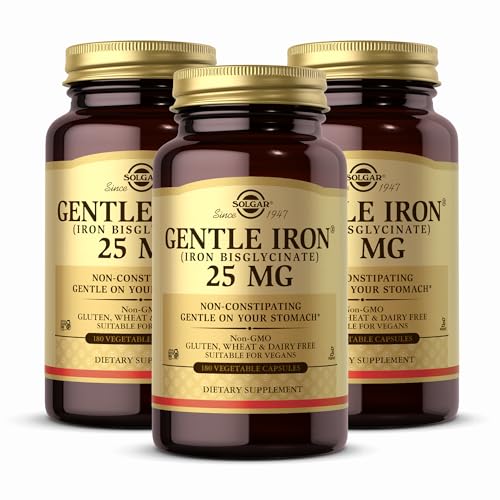
Many people find a gentle, chelated iron (e.g., iron bisglycinate) more tolerable; if you need one, consider a reputable option like Gentle Iron Bisglycinate and discuss dosing with your clinician. This is not a medical endorsement; choose products that fit your needs and lab results.
Enzyme‑affecting herbs: St. John’s wort and CYP interactions
St. John’s wort (Hypericum perforatum): Induces CYP3A4, CYP2C9, and P‑glycoprotein. This can lower levels of many substances, including certain oral contraceptives, immunosuppressants, and others. It also has serotonergic activity.
Supplement–supplement cautions:
St. John’s wort + 5‑HTP, tryptophan, or SAMe: Potential for excess serotonergic effects (agitation, restlessness, GI upset); theoretical risk of serotonin toxicity is higher when medications are involved. Evidence is limited but caution is warranted (emerging to moderate evidence).
Combining multiple CYP‑active herbs (e.g., St. John’s wort plus berberine‑containing products): Unpredictable net effects on levels of other compounds.
Evidence snapshot: Numerous pharmacokinetic studies confirm enzyme induction by St. John’s wort (strong evidence). Clinical relevance varies by dose, extract, and co‑administered substances.
Practical tip: Avoid stacking St. John’s wort with other serotonergic supplements and be cautious with any combination where precise dosing matters. If you take any prescription medication, review St. John’s wort with your clinician or pharmacist.
For broader context on nutrient–medication dynamics, see Vitamin Interactions With Medications: What You Need to Know (/articles/vitamin-interactions-with-medications).
Stimulants and cardiac risk (caffeine, bitter orange, yohimbine, high‑dose green tea extract)
What’s included: Caffeine (coffee, tea, guarana, pre‑workouts), synephrine (bitter orange), yohimbine, concentrated green tea extract (EGCG), and multi‑ingredient “fat burners.”
Why it matters: Stacking stimulants can raise heart rate and blood pressure, increase anxiety, and in susceptible individuals trigger palpitations or, rarely, arrhythmias.
Evidence snapshot:
Caffeine: Robust evidence supports dose‑dependent increases in alertness and heart rate/blood pressure (strong evidence for effects; safety depends on dose and individual tolerance).
Synephrine: Small trials and case reports suggest cardiovascular stimulation, especially with caffeine (emerging to moderate evidence).
Yohimbine: Can increase blood pressure, anxiety, and panic in sensitive users (moderate evidence from controlled studies).
High‑dose green tea extract: EGCG is generally well tolerated at modest intakes, but concentrated extracts plus caffeine may increase side effects; very high doses have been linked to liver injury in susceptible individuals (emerging evidence for idiosyncratic risk).
Practical tip: Avoid combining multiple stimulant‑containing products (e.g., a caffeinated pre‑workout plus a “fat burner” with synephrine/yohimbine). Track total daily caffeine from all sources.
If you want a pre‑workout without stimulants, many people find Caffeine‑Free Pre‑Workout helpful to avoid stacking stimulants. Choose products with transparent labels and third‑party testing.
What the research says
Blood‑thinning combinations: Moderate evidence supports caution when combining ginkgo, garlic, ginseng, and high‑dose vitamin E with anticoagulants/antiplatelets. Fish oil at typical doses appears low risk but may still warrant caution around surgery. Curcumin shows potential antiplatelet effects in vitro/early human data (emerging to moderate).
Mineral competition: Strong mechanistic and moderate clinical evidence show calcium can inhibit iron absorption when co‑dosed; high‑dose zinc can deplete copper; iron and zinc compete at similar doses. Spacing doses improves absorption (moderate evidence).
St. John’s wort: Strong pharmacokinetic evidence for CYP and P‑gp induction with clinically meaningful interactions. Combining with serotonergic agents increases the risk for adverse effects (moderate for caution; evidence base includes case reports and pharmacology studies).
Stimulant stacking: Strong evidence that caffeine increases HR/BP; emerging to moderate evidence that synephrine and yohimbine add cardiovascular strain, especially when combined. Case reports highlight rare serious outcomes.
Overall, research suggests that many supplement–supplement interactions are preventable with timing, dose awareness, and avoiding redundant mechanisms.
How to take supplements safely: timing, dosing, spacing, and formulation tips
Designing a safe routine is often about simplification and spacing.
Clarify your goals and cut redundancy: If two products do the same thing (e.g., multiple “circulation” or “focus” blends), pick one.
Space competing minerals:
Iron away from calcium, magnesium, and zinc by roughly 2 hours.
Separate high‑dose zinc and copper by at least a few hours or alternate days under guidance.
Pair with food strategically:
Fat‑soluble compounds (vitamin D, vitamin E, curcumin) absorb better with meals that contain fat.
Iron may absorb better on an empty stomach but can be taken with a small snack if it causes nausea; vitamin C can help.
Mind stimulants:
Track total caffeine; many adults target ≤400 mg/day from all sources unless advised otherwise.
Avoid stacking caffeine with synephrine or yohimbine.
Be cautious with “blood‑thin” stacks:
Don’t combine several circulation‑focused herbs at high doses.
Discuss any such use with your clinician, particularly if you take anticoagulants or antiplatelets, or before procedures. See Supplements to Avoid Before Surgery (/articles/supplements-to-avoid-before-surgery-practical-pre-op-guide).
Watch proprietary blends:
Prefer products with transparent labels and third‑party testing.
Consider formulation and gentleness:
Chelated minerals (e.g., magnesium glycinate, iron bisglycinate) may be gentler on the stomach.
Time‑release or lower‑dose options can reduce side effects. Many people find Pill Organizer & Timer helpful for spacing doses consistently.
Keep a simple schedule:
Morning: Multivitamin or vitamin D with breakfast.
Midday: Stimulant‑free focus supplements if used.
Evening: Magnesium or calming botanicals (avoid combining multiple sedatives).
Use tools and experts:
Check combinations with the Supplement Interaction Checker — Check Drug & Supplement Interactions (/articles/supplement-interaction-checker).
Pharmacists and integrative clinicians can help you tailor timing to your meds and labs.
Practical takeaways
Start with the question “what supplements should not be taken together” and map your stack for overlap: avoid redundant blood‑thinning or stimulant ingredients.
Separate iron from calcium, magnesium, and zinc by a couple of hours; don’t pair high‑dose zinc with copper at the same time.
Be cautious with St. John’s wort—both for metabolism effects and serotonergic stacking with 5‑HTP/tryptophan/SAMe.
Limit total daily stimulants; don’t mix caffeine with synephrine or yohimbine.
Choose transparent, third‑party tested products; avoid proprietary blends when possible.
Use timing tools or organizers to keep spacing consistent, and consult a professional for individualized advice.
Eastern and Western perspectives
Eastern traditions: Botanicals like ginkgo, ginseng, garlic, and turmeric have been traditionally used for circulation, vitality, and inflammation. Traditional practitioners often emphasize balancing formulas to temper extremes, implicitly reducing risk from any single strong herb.
Western research: Studies indicate these herbs can influence platelet function, blood pressure, or metabolic enzymes—effects that are measurable and, when combined, can be additive. The integrative sweet spot is respectful use at appropriate doses, with awareness of modern medications and lab markers.
When to seek help
You take prescription medications and are adding or changing supplements.
You notice unusual bruising, bleeding, rapid heartbeat, severe anxiety, dizziness, or fainting after starting a new stack.
You’re preparing for surgery or dental procedures.
For structured guidance on cross‑category interactions, see Herb-Drug Interactions: Risks, Common Examples, and How to Stay Safe (/articles/herb-drug-interactions-guide) and Vitamin Interactions With Medications (/articles/vitamin-interactions-with-medications).
Disclaimer
This article is for educational purposes and is not a substitute for personalized medical advice. Supplements can interact with medications and with each other. Always consult a qualified healthcare professional—especially if you are pregnant, nursing, have a medical condition, or take prescription drugs.
This content is for informational purposes only and does not constitute medical advice. Always consult a qualified healthcare provider before starting, stopping, or changing any supplement or medication regimen.
What Vitamins Should You Not Take Together? Interactions & Timing. If you’re asking what vitamins should you not take together, the short answer is that a few well-known combinations can compete for absorption or amplify risks when swallowed at the same time. The longer answer is more nuanced: interactions depend on dose, form, timing, your diet, and your health st
Supplements That Interact with Antidepressants: Risks & Safe Use. If you take an antidepressant, it’s smart to ask which supplements that interact with antidepressants should be avoided or used carefully. This guide explains which combinations raise risk, how interactions happen, the warning signs to know, and practical steps to stay safe—all with clear evidence l
If you take medications and supplements, you’ve probably wondered: Are these safe together? Our supplement interaction checker helps you quickly spot potential drug–supplement conflicts, understand se
Interactions Between Herbal Supplements: Common Herb‑Herb Risks, How They Work, and Safety Tips. If you take more than one botanical at a time, you may wonder about interactions between herbal supplements. The short answer: they do exist. Some combinations can meaningfully raise bleeding risk, amplify sedation, stress the liver, or alter how other herbs are absorbed and metabolized. Research su
Can You Take Too Many Supplements? Risks, Signs, and Safe Limits. If you’re wondering “can you take too many supplements,” the short answer is yes. Research and clinical experience show that excess vitamins, minerals, and botanicals can cause side effects, interact with medications, and, in some cases, lead to serious harm. This guide explains how over‑supplementa
Is It Safe to Take Multiple Supplements? A Practical Guide. If you take a multivitamin, vitamin D, maybe magnesium at night and omega‑3s for your heart, you might be wondering: is it safe to take multiple supplements? The short answer is “sometimes”—and it depends on dose, interactions, your meds and health history, and product quality. This practical guide