Is It Safe to Take Multiple Supplements? A Practical Guide
Wondering if it’s safe to take multiple supplements? Learn how to stack wisely: dosing, RDAs/ULs, interactions, quality checks, and a step‑by‑step safety plan.
·10 min read
This content is for informational purposes only and does not constitute medical advice. Always consult a qualified healthcare provider before starting, stopping, or changing any supplement or medication regimen.
If you take a multivitamin, vitamin D, maybe magnesium at night and omega‑3s for your heart, you might be wondering: is it safe to take multiple supplements? The short answer is “sometimes”—and it depends on dose, interactions, your meds and health history, and product quality. This practical guide walks you through how to combine supplements more safely, where the risks show up, and how to create a monitoring plan that fits your goals.
Why people take multiple supplements (common goals and stacks)
People stack supplements for different goals. Common patterns include:
General wellness: multivitamin, vitamin D3, magnesium, omega‑3
Energy/cognition: B‑complex, iron (if deficient), L‑theanine, rhodiola
Eastern traditions often combine herbs (formulas) to balance effects—like adaptogen blends for stress. Western practice emphasizes isolated nutrients with measured dosing. Both approaches can work, but combining increases complexity—and safety depends on understanding dose, interactions, and quality.
Is it safe to take multiple supplements? Key safety concepts
Safety hinges on five pillars you can control: dosage, RDAs/ULs, bioavailability, ingredient overlap, and quality.
Dosage, RDA/AI, and UL: knowing your guardrails
RDA/AI: Recommended intakes to meet needs for most healthy people. Useful for avoiding deficiency.
UL (Tolerable Upper Intake Level): The highest daily intake unlikely to cause harm for most adults. Going above the UL increases risk of side effects or toxicity.
Daily totals matter: Add up all sources—multivitamin, stand‑alone pills, fortified foods, and powders. Many adverse events come from unintentional double‑dosing.
Examples (adults):
Vitamin D UL ~4,000 IU (100 mcg) daily for most adults; higher doses may be used short‑term under medical supervision. Evidence: moderate.
Vitamin B6 UL 100 mg daily; long‑term excess can cause neuropathy. Evidence: strong.
Zinc UL 40 mg daily; high doses can deplete copper. Evidence: strong.
Vitamin A (retinol) UL 3,000 mcg RAE; excess is teratogenic and can harm the liver. Evidence: strong.
Bioavailability and forms affect both benefits and risks
The “form” changes absorption and effects:
Magnesium oxide has low absorption and more laxative effect; citrate and glycinate are typically better tolerated. Evidence: moderate.
Iron is absorbed better with vitamin C; calcium can compete with iron for absorption. Evidence: moderate.
Curcumin is poorly absorbed; pairing with piperine (black pepper extract) boosts absorption but may also increase drug levels by inhibiting liver enzymes. Evidence: moderate.
Overlap and “hidden” ingredients
Multivitamins + separate B‑complex + energy drinks can drive B6 or niacin far above safe limits.
“Greens” powders and protein blends often contain extra vitamins, minerals, and herbs—read full labels.
Product quality and purity
Look for third‑party testing (USP, NSF, Informed Choice) to reduce risk of contaminants and verify potency. Evidence: moderate.
Choose brands that follow cGMP and provide transparent Certificates of Analysis when requested.
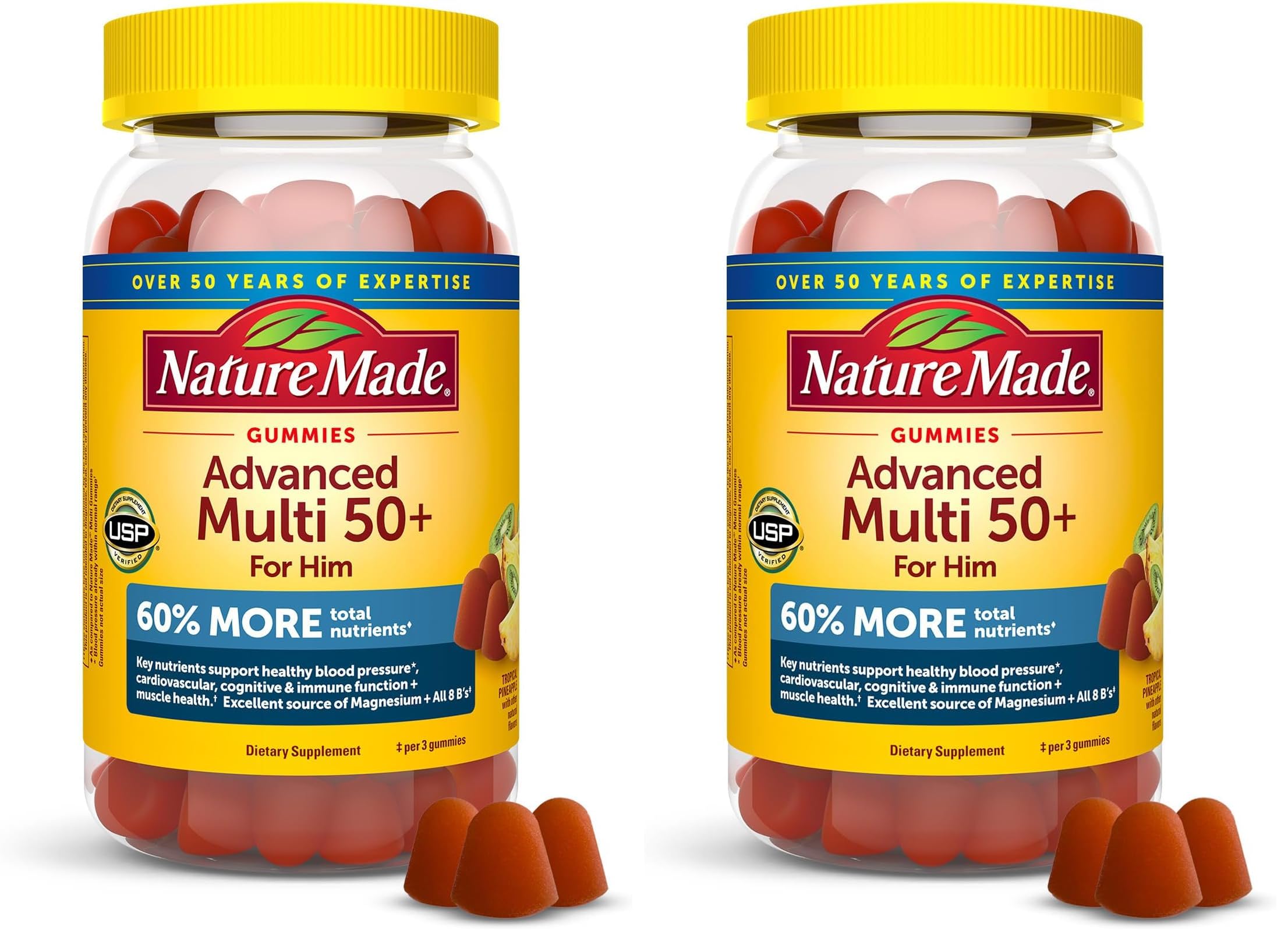
Many people find a high‑quality, USP‑Verified Multivitamin helpful for consolidating essentials and avoiding accidental overlap from multiple single‑nutrient pills.
Fat‑soluble vitamins (A, D, E, K) accumulate; water‑soluble vitamins can also cause harm at high doses (e.g., B6 neuropathy, niacin liver stress). Evidence: strong.
Minerals like selenium and iodine have narrow safety windows—too little or too much can be harmful. Evidence: strong.
Some herbal products have been found with heavy metals, pesticides, or unlabeled pharmaceuticals; red yeast rice may contain a statin‑like compound and citrinin (a toxin) if poorly made. Evidence: moderate.
Third‑party testing and reputable suppliers reduce—but don’t eliminate—this risk.
High‑risk combinations and examples (vitamin/mineral and herb interactions)
Below are common pairings where extra caution is warranted. Evidence ratings reflect the strength behind the interaction.
Vitamin and mineral combinations
Zinc (≥25–40 mg/day) + no copper: may cause copper deficiency anemia and neuropathy over time. Mechanism: competitive absorption. Evidence: strong.
Calcium (≥300–500 mg with meals) + iron: calcium competes with non‑heme iron for absorption; separate by 2–4 hours. Evidence: moderate.
High‑dose vitamin D + calcium: useful for bone health in deficiency but may increase kidney stone risk in susceptible people; monitor calcium status. Evidence: moderate.
Vitamin K (K1/K2) supports normal clotting; if you take anticoagulants like warfarin, keep intake consistent and coordinate with your clinician. Evidence: strong.
Vitamin A (retinol) + other retinoids: increased risk of toxicity; avoid stacking retinol with prescription retinoids or high‑dose cod liver oil. Evidence: strong.
Supplement–supplement (herbs and other actives)
5‑HTP/tryptophan + St. John’s wort or high‑dose saffron: may elevate serotonergic tone excessively. Evidence: moderate to strong.
Kava or valerian + melatonin or magnesium: additive sedation/dizziness; start low and avoid driving until you know your response. Evidence: moderate.
High‑dose berberine + curcumin/piperine: potential additive effects on drug‑metabolizing enzymes and gut transporters; discuss with a clinician if on medications. Evidence: emerging to moderate.
Multivitamin/multi‑supplement use is common; adverse events typically result from excess dosing, interactions with medications, or product contamination. Evidence: moderate.
High‑dose fat‑soluble vitamins carry known risks: retinol (vitamin A) is teratogenic and hepatotoxic at excess intakes; very high vitamin E has been associated with increased hemorrhagic stroke risk in some analyses. Evidence: strong to moderate.
Water‑soluble vitamins are not always “risk‑free”: chronic high B6 can cause sensory neuropathy; niacin (nicotinic acid), particularly long‑acting forms, can cause hepatotoxicity. Evidence: strong.
Minerals have U‑shaped curves: iron overload harms those without deficiency; selenium excess can cause hair/nail changes and GI upset; iodine excess can trigger thyroid dysfunction in susceptible people. Evidence: strong.
For herbals, well‑documented interactions include St. John’s wort (CYP induction) and kava (rare but serious hepatotoxicity reports). Evidence: strong to moderate.
Omega‑3s modestly affect platelet function, but randomized trials suggest clinically significant bleeding is uncommon at typical doses; caution still advised with anticoagulants. Evidence: moderate.
Overall, research suggests taking multiple supplements can be done more safely when doses stay within established limits, quality is verified, and interactions—especially with medications—are checked and monitored.
How to assess your personal risk: medications, health conditions, labs
Consider three filters before stacking:
Medications with high interaction potential
Anticoagulants/antiplatelets (warfarin, DOACs, aspirin): watch vitamin K, fish oil at high doses, ginkgo, garlic concentrates. Evidence: moderate to strong.
Prefer third‑party tested products; avoid proprietary blends that hide exact doses when possible. Many find a single, well‑rounded, Third‑Party Tested Omega‑3 helpful if dietary intake is low.
Start low, add slow
Introduce one change at a time every 1–2 weeks. This helps you attribute benefits or side effects accurately.
Set a monitoring plan
Track sleep, energy, mood, bowel habits, and any new symptoms. A home Blood Pressure Monitor can be useful if taking stimulatory or sedative herbs.
Re‑check relevant labs (e.g., ferritin, 25‑OH D) after 8–12 weeks if your goal involves correcting a deficiency.
Review and simplify
If no clear benefit after a fair trial, taper and discontinue. Keep your stack as lean as possible.
When to consult a healthcare professional and what to ask
Seek guidance if you:
Take prescription meds with narrow therapeutic windows (anticoagulants, immunosuppressants, anti‑seizure meds).
Are pregnant, breastfeeding, planning surgery, or have kidney/liver disease.
Plan to exceed an RDA or approach a UL for more than a few weeks.
Experience new symptoms (e.g., rash, dizziness, palpitations, GI bleeding, severe headache).
Questions to bring to your clinician or pharmacist:
Given my meds and history, which supplements are safest to combine for my goal?
What dose and form do you recommend (e.g., magnesium glycinate vs. oxide)?
How should I time doses to avoid absorption issues (e.g., separating iron and calcium, thyroid meds and minerals)?
What labs or vitals should I monitor, and when should we reassess?
Are there dietary changes that could replace or reduce the need for a supplement?
Trusted resources, references, and recommended next steps
Trusted resources
NIH Office of Dietary Supplements (ODS) Fact Sheets: evidence‑based nutrient and herbal monographs.
Dietary Reference Intakes (DRIs): RDAs/AIs and ULs by age/sex.
United States Pharmacopeia (USP) and NSF International: third‑party verification programs.
Natural Medicines database and Examine.com: research summaries (subscription or free summaries available).
FDA MedWatch/CAERS: report supplement adverse events.
Recommended next steps
Map your current stack, check totals against RDAs/ULs, and screen for interactions.
Prioritize diet and lifestyle first; add the fewest targeted supplements needed.
Use third‑party tested products and monitor how you feel plus relevant labs.
Yes, it can be safe to take multiple supplements—but only if you mind the basics: right dose, verified quality, and interaction checks.
ULs are your safety rails; many issues stem from hidden overlap across products.
Interactions are common and sometimes serious—especially with antidepressants, anticoagulants, and thyroid medications.
Start low, add slow, and track outcomes; simplify when possible.
When in doubt, ask a clinician or pharmacist who understands both nutrition and medications.
Disclaimer
This article is for educational purposes and does not substitute for personalized medical advice. Always speak with your healthcare professional before starting, stopping, or combining supplements, especially if you take prescription medications, are pregnant or breastfeeding, or have chronic health conditions.
This content is for informational purposes only and does not constitute medical advice. Always consult a qualified healthcare provider before starting, stopping, or changing any supplement or medication regimen.
Can You Take Too Many Supplements? Risks, Signs, and Safe Limits. If you’re wondering “can you take too many supplements,” the short answer is yes. Research and clinical experience show that excess vitamins, minerals, and botanicals can cause side effects, interact with medications, and, in some cases, lead to serious harm. This guide explains how over‑supplementa
Can You Take Vitamin D and Magnesium Together? Safety & Best Practices. If you’re wondering, “can you take vitamin D and magnesium together?” the short answer is yes—most people can take them at the same time, and research suggests they may even work better together than alone. Vitamin D relies on magnesium to be activated in the body, and low magnesium can blunt the be
Are Herbal Supplements Safe? Risks, Benefits, and How to Use Them Wisely. If you’ve ever wondered “are herbal supplements safe,” you’re not alone. Many people reach for herbs to support sleep, mood, immunity, or joint comfort, yet safety depends on multiple factors: the specific herb, dose, product quality, your health status, and any medications you take. This guide brid
Supplements You Shouldn’t Take Together: Interactions to Avoid. Many people search for what supplements should not be taken together because stacking products can backfire: reduced absorption, unwanted side effects, or—rarely—serious interactions. This guide offers a practical, evidence-rated look at common combinations to avoid and how to time your routine for
Supplements for Heart Health: Evidence‑Based Options, Dosage & Safety. If you’re looking into supplements for heart health, you’re not alone. Many people want to know which nutrients can support cholesterol, blood pressure, triglycerides, heart rhythm, and overall cardiovascular resilience—without overpromising or overlooking risks. This guide reviews research-backed o
What Vitamins Should You Not Take Together? Interactions & Timing. If you’re asking what vitamins should you not take together, the short answer is that a few well-known combinations can compete for absorption or amplify risks when swallowed at the same time. The longer answer is more nuanced: interactions depend on dose, form, timing, your diet, and your health st