Supported by multiple clinical trials and meta-analyses
Can You Take Too Many Supplements? Risks, Signs, and Safe Limits
Yes—you can take too many supplements. Learn key risks, warning signs, ULs vs RDAs, interactions, and practical steps to use supplements safely.
·10 min read
This content is for informational purposes only and does not constitute medical advice. Always consult a qualified healthcare provider before starting, stopping, or changing any supplement or medication regimen.
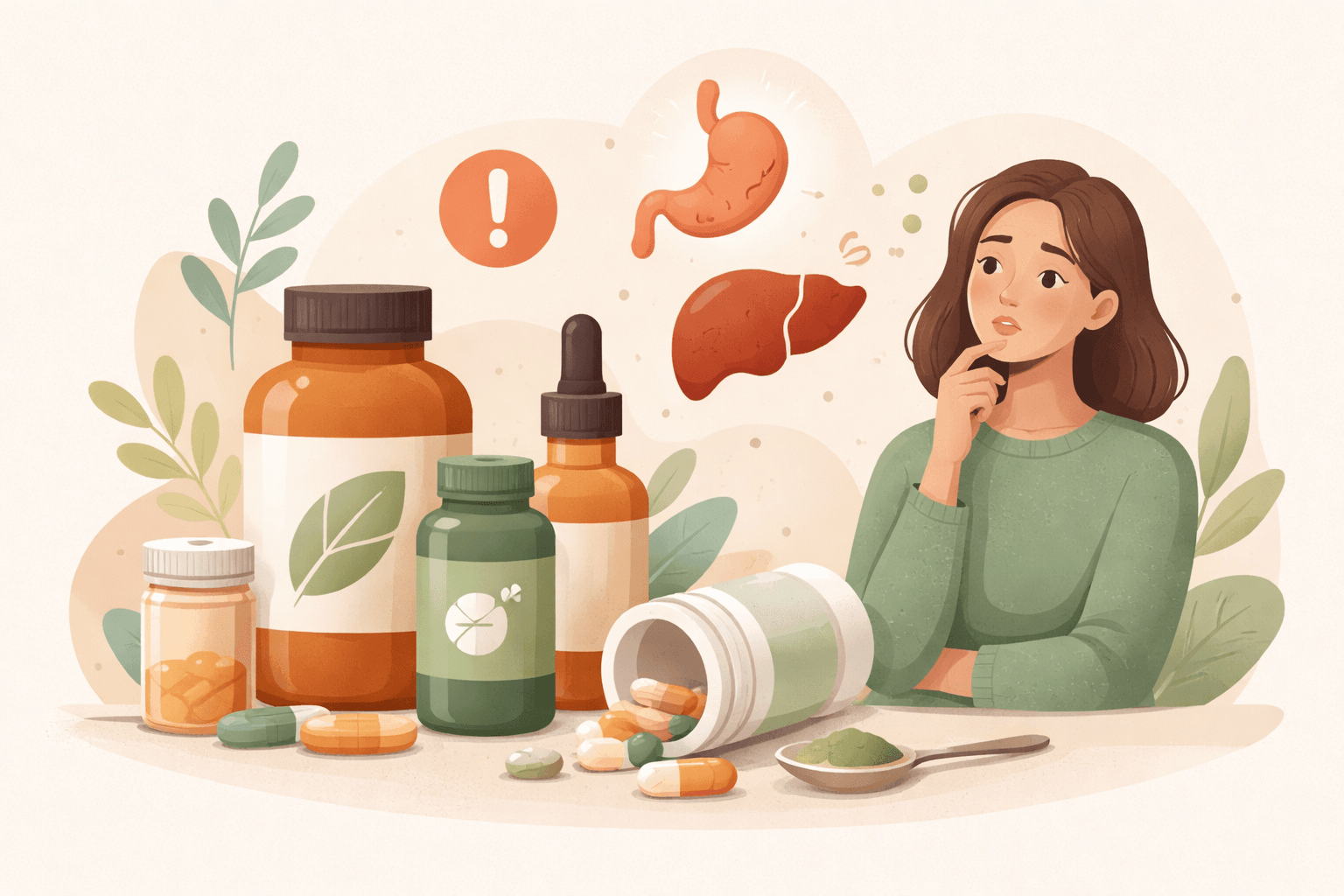
If you’re wondering “can you take too many supplements,” the short answer is yes. Research and clinical experience show that excess vitamins, minerals, and botanicals can cause side effects, interact with medications, and, in some cases, lead to serious harm. This guide explains how over‑supplementation happens, who’s most at risk, key warning signs, how to use RDAs and ULs for safer dosing, and practical steps to protect your health.
Quick Answer: Can You Take Too Many Supplements?
Yes. You can get too much of a good thing. While many supplements are safe at label doses, problems arise when people stack multiple products, megadose high‑potency formulas, or combine supplements with certain medications or health conditions. Fat‑soluble vitamins (A, D, E, K) and several minerals (iron, iodine, selenium, zinc) are particularly risky at high intakes. Some herbs and concentrated extracts can also be harmful to the liver or heart in excess.
What the research says (evidence level: strong for nutrient toxicity, moderate for herb‑related harms):
Nutrient upper limits (ULs) are set to prevent adverse effects from chronic high intakes.
Case reports and clinical studies link excess vitamin A, D, B6, niacin, iron, iodine, selenium, and zinc to toxicity syndromes.
Herbal and dietary supplements contribute to a measurable share of drug‑induced liver injury in surveillance studies.
How Common Is Over‑Supplementation and Who’s at Risk?
Supplement use is widespread. Surveys suggest that over half of adults in the U.S. take at least one dietary supplement, with many taking more than one. Over‑supplementation is more likely when:
People use several overlapping products (multivitamin + specialty blends + fortified foods/drinks).
High‑dose single‑ingredient products are used long‑term without monitoring (for example, daily 10,000 IU vitamin D for months without labs).
There is impaired kidney or liver function, which reduces the body’s ability to clear excesses.
Pregnancy, breastfeeding, or childhood increases nutrient sensitivity (for instance, vitamin A and iron).
Polypharmacy is present (multiple prescription meds), raising the risk of interactions.
Specific behaviors or beliefs encourage megadosing, such as “more is better,” athletic performance stacks, or intensive “biohacking” protocols.
Smokers taking high‑dose beta‑carotene, which studies indicate may raise lung cancer risk in this group.
Major Risks by Supplement Type
Fat‑Soluble Vitamins (A, D, E, K)
Vitamin A (retinol): Research shows that chronic high intake can cause headaches, bone pain, liver injury, and is teratogenic in pregnancy. Risk increases with preformed vitamin A (retinol/retinyl), not carotenoids like beta‑carotene, though high‑dose beta‑carotene poses separate risks for smokers.
Vitamin D: Excess can lead to high calcium (hypercalcemia), causing nausea, confusion, kidney stones, or arrhythmias. Toxicity is uncommon but reported with long‑term high dosing.
Vitamin E: Very high doses may increase bleeding risk, especially with anticoagulants or antiplatelets. Some studies suggest higher hemorrhagic stroke risk at megadoses.
Vitamin K: Not typically toxic, but can significantly interact with warfarin (alters INR).
Evidence level: strong for A and D toxicity; moderate for E‑related bleeding risk and K‑warfarin interaction.
Water‑Soluble Vitamins (B‑Complex, Vitamin C)
Vitamin B6 (pyridoxine): Long‑term high intakes are linked to reversible sensory neuropathy (numbness, tingling, balance issues).
Niacin (B3): High doses can cause flushing and, with sustained‑release forms, potential liver toxicity. It may affect blood sugar and uric acid.
Folic acid (B9): Excess synthetic folic acid can mask B12 deficiency, delaying diagnosis of neurologic damage.
Vitamin C: High doses commonly cause gastrointestinal upset and may increase risk of kidney stones in susceptible individuals.
Evidence level: strong for B6 neuropathy and niacin flushing; moderate for sustained‑release niacin hepatotoxicity and high‑dose vitamin C side effects.
Minerals
Iron: Excess can cause gastrointestinal distress and, at high levels, iron overload and organ damage—especially dangerous for children if accidentally ingested.
Zinc: High intakes can induce copper deficiency, immune changes, and anemia.
Selenium: Overuse leads to hair/nail brittleness, GI upset, and neurologic symptoms.
Iodine: Too much can trigger hypo‑ or hyperthyroidism, especially in those with thyroid disease or autoimmune risk.
Calcium: Very high intake can contribute to kidney stones and calcification issues.
Magnesium (from supplements): Excess supplemental magnesium often causes diarrhea; very high doses can depress reflexes and, in severe cases, heart rhythm (more likely with kidney disease).
Evidence level: strong for iron, zinc‑copper, selenium, and iodine toxicity patterns; strong for supplemental magnesium GI effects.
Botanicals and Concentrated Extracts
St. John’s wort: Potently induces drug‑metabolizing enzymes and can reduce levels of many medications (antidepressants, birth control, transplant drugs).
Kava, certain green tea extracts, and some bodybuilding/fat‑burner blends: Linked in studies and case reports to liver injury, particularly at high doses or in susceptible individuals.
Highly caffeinated or stimulant blends (yohimbine, synephrine): May raise heart rate and blood pressure, causing palpitations or anxiety.
Evidence level: moderate—based on observational data, pharmacology, and case series.
Protein Powders and “Mega‑Doses” of Amino Acids
Most healthy adults tolerate moderate protein supplementation, but very high intakes may cause GI distress and could aggravate kidney disease in predisposed individuals. Large single‑amino‑acid doses (for example, tryptophan, phenylalanine) can have neurologic or metabolic effects and drug interactions.
Evidence level: moderate for at‑risk groups; limited RCTs at extreme intakes.
Signs and Symptoms of Taking Too Many Supplements
Over‑supplementation can look like many things. Common red flags include:
Endocrine/thyroid: New thyroid symptoms with excess iodine or certain adaptogens.
Bleeding/bruising: Easy bruising or bleeding with high‑dose vitamin E, fish oil combined with anticoagulants, or ginkgo.
Liver/kidney: Dark urine, yellowing of skin/eyes, right‑upper‑quadrant pain, unusual fatigue, swelling—seek care promptly.
If you develop sudden or severe symptoms after starting or increasing a supplement, stop the product and contact a clinician.
Safe Dosing: RDAs and ULs Explained
RDA (Recommended Dietary Allowance): Average daily intake sufficient to meet the needs of nearly all healthy people in a life‑stage/sex group.
AI (Adequate Intake): Set when evidence is insufficient for an RDA; reflects observed intakes assumed to be adequate.
UL (Tolerable Upper Intake Level): The maximum daily intake unlikely to cause adverse effects for most people. The UL is not a recommended goal—it’s a safety cap.
DV (% Daily Value): Label reference for adults/children 4+; not personalized and not the same as your RDA.
Key examples for adults (general guidance; individual needs vary):
Vitamin A: UL ~3,000 mcg RAE/day (from retinol/retinyl compounds). Pregnancy requires special caution.
Vitamin D: UL ~100 mcg (4,000 IU)/day from all sources. Individual dosing should be guided by 25‑OH vitamin D blood levels.
Vitamin C: UL ~2,000 mg/day.
Vitamin B6: UL ~100 mg/day.
Niacin (as nicotinic acid): UL ~35 mg/day for flushing; therapeutic use should be medically supervised.
Folic acid (synthetic): UL ~1,000 mcg/day from fortified foods/supplements.
Iron: UL ~45 mg/day (adults); children’s limits are much lower.
Zinc: UL ~40 mg/day.
Selenium: UL ~400 mcg/day.
Iodine: UL ~1,100 mcg/day.
Magnesium: UL for supplemental magnesium is ~350 mg/day (does not include food magnesium).
Why this matters: Stacking a multivitamin, fortified shakes/cereals, and single‑nutrient capsules can easily exceed ULs—especially for zinc, folic acid, selenium, vitamin A, and B6.
If you’re evaluating a multivitamin or considering consolidation, many people find a Third‑Party Tested Multivitamin helpful as a one‑a‑day base—choose one without megadoses and with transparent labeling.
Interactions: Supplements, Prescription Meds, and Medical Conditions
Interactions are a major reason “can you take too many supplements” becomes a safety question.
Medication absorption: Calcium, iron, and magnesium can bind certain antibiotics and levothyroxine. Separate by several hours.
Anticoagulants/antiplatelets (warfarin, apixaban, clopidogrel): High‑dose vitamin E, fish oil, garlic, ginger, ginkgo, and others may increase bleeding risk. Vitamin K intake affects warfarin dose stability.
Antidepressants: St. John’s wort and 5‑HTP may interact with SSRIs/SNRIs, raising serotonin levels.
Blood pressure/heart medications: Stimulant herbs and high caffeine can raise heart rate and blood pressure; licorice (glycyrrhizin) can lower potassium and raise BP.
Diabetes medications: Niacin and some botanicals can affect blood sugar.
Thyroid disease: Excess iodine and some adaptogens may alter thyroid function.
Kidney/liver disease: Reduced clearance increases toxicity risk for many supplements.
Helpful resources on our site:
See common pairings to avoid in Supplements You Shouldn’t Take Together: Interactions to Avoid (/articles/supplements-you-shouldnt-take-together-interactions-to-avoid)
Check combinations before you start or adjust doses with our Supplement Interaction Checker — Check Drug & Supplement Interactions (/articles/supplement-interaction-checker)
For prescription drugs, use the Drug Interaction Checker — Check Rx, OTC & Supplement Interactions (/articles/drug-interaction-checker)
For herbs specifically, see Herb-Drug Interactions: Risks, Common Examples, and How to Stay Safe (/articles/herb-drug-interactions-guide)
What the Research Says
Toxicity thresholds are not arbitrary: Government and scientific panels set ULs using human studies, observational data, and case reports to prevent known adverse effects. Evidence level: strong.
Liver safety: Surveillance networks report that herbal and dietary supplements account for a significant fraction of drug‑induced liver injury cases, with products like anabolic/stimulant blends and certain concentrated extracts implicated. Evidence level: moderate (registry and case‑series data).
Vitamin A and pregnancy: Excess preformed vitamin A is teratogenic; prenatal vitamins favor beta‑carotene for this reason. Evidence level: strong.
Vitamin D: Toxicity is uncommon but reported with chronic high dosing; hallmark is hypercalcemia. Evidence level: strong for mechanism, moderate for real‑world frequency.
B6 neuropathy and niacin hepatotoxicity at high doses are well documented in clinical literature. Evidence level: strong.
Tally total daily intake for nutrients with ULs. Aim below the UL unless a clinician prescribes otherwise.
Consolidate wisely:
Prefer fewer, well‑designed products to many overlapping formulas.
Choose third‑party tested brands (USP, NSF) and avoid proprietary blends that hide exact doses.
Dose conservatively:
Use the lowest effective dose, and avoid megadoses unless medically supervised.
Cycle off non‑essential botanicals periodically and reassess need.
Time and space:
Separate minerals from sensitive medications (e.g., thyroid or certain antibiotics) by 2–4 hours.
Track what you take:
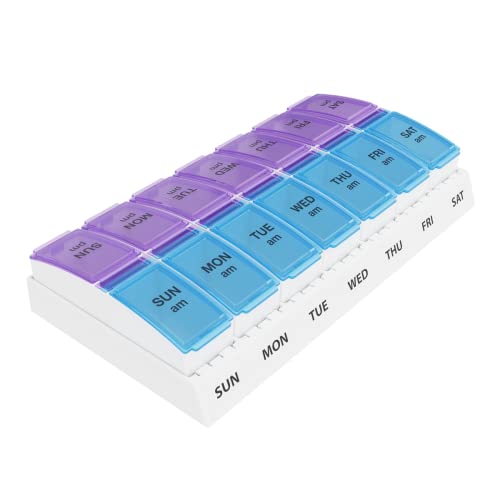
Many people find a simple Pill Organizer or a tracking app helps prevent double‑dosing.
Test when appropriate:
Consider lab guidance for nutrients with narrow therapeutic windows or variable needs (25‑OH vitamin D, B12, ferritin/iron studies, TSH if using iodine). An At‑Home Lab Panel can be a starting point, but results should be interpreted with a clinician.
Prepare for procedures:
Some supplements raise bleeding risk or affect anesthesia. Review them with your surgical team at least 1–2 weeks pre‑op and stop as advised.
For help choosing a balanced daily multi, see Vitamins Explained: Types, Benefits, Dosage & How to Choose (/articles/vitamins-explained-types-benefits-dosage-how-to-choose).
When to Test, Stop, or See a Healthcare Professional
Seek medical advice if you:
Develop new or worsening symptoms after starting a supplement (especially neurologic, cardiac, or liver‑related signs).
Exceed a UL, even unintentionally, for more than a few days.
Are pregnant, trying to conceive, or breastfeeding and considering doses above a standard prenatal.
Have chronic conditions (kidney, liver, thyroid, bleeding disorders) or take anticoagulants, antiarrhythmics, antidepressants, transplant meds, or chemotherapy.
Are preparing for surgery or an invasive procedure.
Are managing supplements for children or older adults.
Testing to consider (guided by your clinician):
25‑OH vitamin D for vitamin D dosing.
Serum calcium if high‑dose vitamin D or calcium is used.
B12 and methylmalonic acid if vegan, older adult, or on metformin/PPIs.
Iron panel (ferritin, transferrin saturation) if using iron.
TSH, free T4 if using iodine/thyroid‑active herbs or if thyroid symptoms occur.
CMP and liver enzymes if using multiple botanicals or bodybuilding/fat‑burner blends.
Stop and reassess if:
You discover duplicate nutrients pushing you over ULs.
You experience side effects temporally related to a new supplement.
A clinician identifies interactions with your medications.
FAQs
Can you overdose on vitamins? Yes. Examples include vitamin A (liver, bone, pregnancy risk), vitamin D (hypercalcemia), B6 (neuropathy), and iron (especially dangerous in children). Evidence level: strong.
Are “natural” or herbal supplements safer? Not inherently. Some botanicals have potent pharmacology and interaction risks. Evidence level: moderate.
Is a daily multivitamin safe? Typically safe at label doses for most healthy adults, but avoid megadose formulas and account for fortified foods. Check for amounts near or above ULs.
Do I need a detox after taking too much? Generally no. Stop the offending product, hydrate, and seek medical care if symptoms persist or are severe. The liver usually recovers once the trigger is removed.
How long until excess vitamins clear? Water‑soluble vitamins usually clear within days; fat‑soluble vitamins (A, D, E, K) can take weeks to months.
Practical Takeaways
It is possible to take too many supplements. ULs exist to prevent harm.
Biggest risks: fat‑soluble vitamins, several minerals, and certain botanicals.
Watch for neurologic symptoms, bleeding, liver signs, and GI distress.
Keep a complete list, consolidate, track doses, and use interaction checkers before changes.
When in doubt, get labs and talk with a clinician—especially if you have health conditions or take prescription medications.
For more on safe combinations and timing, explore:
Supplements You Shouldn’t Take Together: Interactions to Avoid (/articles/supplements-you-shouldnt-take-together-interactions-to-avoid)
Supplement Interaction Checker — Check Drug & Supplement Interactions (/articles/supplement-interaction-checker)
Herb-Drug Interactions: Risks, Common Examples, and How to Stay Safe (/articles/herb-drug-interactions-guide)
Disclaimer
This article is for educational purposes and does not replace personalized medical advice. Supplements can interact with medications and medical conditions. Speak with a qualified healthcare professional before starting, stopping, or changing any supplement regimen, especially if you are pregnant, managing a chronic condition, or taking prescription drugs.
This content is for informational purposes only and does not constitute medical advice. Always consult a qualified healthcare provider before starting, stopping, or changing any supplement or medication regimen.
Is It Safe to Take Multiple Supplements? A Practical Guide. If you take a multivitamin, vitamin D, maybe magnesium at night and omega‑3s for your heart, you might be wondering: is it safe to take multiple supplements? The short answer is “sometimes”—and it depends on dose, interactions, your meds and health history, and product quality. This practical guide
Interactions Between Herbal Supplements: Common Herb‑Herb Risks, How They Work, and Safety Tips. If you take more than one botanical at a time, you may wonder about interactions between herbal supplements. The short answer: they do exist. Some combinations can meaningfully raise bleeding risk, amplify sedation, stress the liver, or alter how other herbs are absorbed and metabolized. Research su
Supplements You Shouldn’t Take Together: Interactions to Avoid. Many people search for what supplements should not be taken together because stacking products can backfire: reduced absorption, unwanted side effects, or—rarely—serious interactions. This guide offers a practical, evidence-rated look at common combinations to avoid and how to time your routine for
Are Herbal Supplements Safe? Risks, Benefits, and How to Use Them Wisely. If you’ve ever wondered “are herbal supplements safe,” you’re not alone. Many people reach for herbs to support sleep, mood, immunity, or joint comfort, yet safety depends on multiple factors: the specific herb, dose, product quality, your health status, and any medications you take. This guide brid
What Vitamins Should You Not Take Together? Interactions & Timing. If you’re asking what vitamins should you not take together, the short answer is that a few well-known combinations can compete for absorption or amplify risks when swallowed at the same time. The longer answer is more nuanced: interactions depend on dose, form, timing, your diet, and your health st
If you take prescription or over‑the‑counter medications and also use herbs or supplements, you’ve likely wondered about herb drug interactions. Research shows some herbs can meaningfully change how m