Supported by multiple clinical trials and meta-analyses
Herb-Drug Interactions: Risks, Common Examples, and How to Stay Safe
Worried about herb–drug interactions? Learn how they happen, top risky pairs (e.g., St. John’s wort, grapefruit), warning signs, and practical safety steps.
·12 min read
This content is for informational purposes only and does not constitute medical advice. Always consult a qualified healthcare provider before starting, stopping, or changing any supplement or medication regimen.
If you take prescription or over‑the‑counter medications and also use herbs or supplements, you’ve likely wondered about herb drug interactions. Research shows some herbs can meaningfully change how medicines work—sometimes reducing their benefit, other times increasing side effects. This guide explains what herb–drug interactions are, how they happen, which herbs are most often involved, and practical steps to lower your risk while respecting both modern pharmacology and traditional herbal wisdom.
What are herb–drug interactions and why they matter
Herb–drug interactions occur when a botanical product (single herb, multi‑herb formula, or concentrated extract) changes the way a medication is absorbed, distributed, metabolized, eliminated, or acts in the body. They matter because:
Effectiveness can drop (e.g., a birth control pill or transplant drug working less well)
Side effects can rise (e.g., excessive drowsiness or bleeding)
Lab tests can shift unexpectedly (e.g., INR, blood sugar, drug blood levels)
From a Western medicine perspective, interactions are biochemical: they alter enzymes, transporters, receptors, or physiologic systems. In Eastern traditions (e.g., Traditional Chinese Medicine and Ayurveda), herbs are usually used in formulas designed to balance actions and mitigate side effects. Even so, modern medicines were not part of classical texts; practitioners today integrate traditional pattern‑based thinking with contemporary safety data to avoid problematic combinations.
Key point: “Natural” does not automatically mean “safe with all medications.” The strongest evidence of clinically significant herb–drug interactions involves St. John’s wort and grapefruit juice, but several other common herbs warrant caution.
How herb–drug interactions occur (pharmacokinetic vs pharmacodynamic)
Herb–drug interactions fall broadly into two categories:
Pharmacokinetic (what the body does to the drug)
These change a medication’s concentration in the body by affecting:
Absorption: Some herbs or fibers can bind medications or change gut transporters, reducing or sometimes increasing uptake.
Metabolism: Many interactions involve liver and intestinal enzymes, especially the cytochrome P450 (CYP450) family (e.g., CYP3A4, CYP2D6, CYP2C9, CYP2C19) and UGTs (glucuronidation). Inducers lower drug levels; inhibitors raise them.
Transport: P‑glycoprotein (P‑gp) and organic anion transporting polypeptides (OATPs) move drugs across cell membranes. Induction lowers drug exposure; inhibition raises it.
Elimination: Changes in kidney or bile excretion can alter drug clearance.
Example mechanisms:
St. John’s wort activates the pregnane X receptor (PXR), inducing CYP3A4 and P‑gp, which can lower levels of many medicines.
Grapefruit’s furanocoumarins inhibit intestinal CYP3A4 and some OATPs, increasing exposure to affected drugs.
Pharmacodynamic (what the drug does to the body)
These change the effect at the target site—often additive or opposing actions:
Additive sedation: Valerian or kava with benzodiazepines or opioids can overly depress the central nervous system.
Additive antiplatelet/anticoagulant effects: Ginkgo or garlic with warfarin or antiplatelets can raise bleeding risk.
Blood sugar effects: Ginseng may lower glucose, intensifying diabetes medications.
Both types can happen at once. For instance, ginkgo may have antiplatelet activity (pharmacodynamic) and also interact variably with metabolism (pharmacokinetic), though clinical significance varies by study.
Common herb–drug interactions: key examples and evidence
Below are widely used botanicals and one notable fruit with well‑documented interaction potential. Evidence levels reflect the overall strength of clinical data for the interaction described.
St. John’s wort (Hypericum perforatum) — strong evidence
What it does: Potent inducer of CYP3A4 and P‑gp via PXR activation; mild serotonin reuptake inhibition.
Medications affected (levels reduced): Oral contraceptives (risk of breakthrough bleeding/pregnancy), immunosuppressants (cyclosporine, tacrolimus), many antiretrovirals (e.g., indinavir), some chemotherapies and targeted agents, certain anticonvulsants, some benzodiazepines, many calcium channel blockers, some statins (simvastatin, atorvastatin), and others.
Additional risk: Combining with SSRIs/SNRIs or other serotonergic agents may raise serotonin syndrome risk (agitation, tremor, sweating, hyperreflexia).
Clinical signal: Multiple pharmacokinetic trials and case reports show significant AUC reductions and clinical failures (e.g., transplant rejection). Avoid combining unless a specialist guides dosing and monitoring. See St. John’s wort: benefits and risks.
Grapefruit (Citrus paradisi) — strong evidence
What it does: Inhibits intestinal CYP3A4 and some OATPs; effect can persist for 24–72 hours after juice consumption.
Medications affected (levels increased): Certain statins (simvastatin, lovastatin > atorvastatin), some calcium channel blockers (felodipine), some antiarrhythmics (amiodarone), benzodiazepines (triazolam, midazolam), immunosuppressants (cyclosporine, tacrolimus; variable), some psychiatric medications, and others.
Practical tip: Even one glass can matter for sensitive drugs. Alternatives like pravastatin or rosuvastatin are less affected, but changes should only be made with your clinician.
Ginkgo (Ginkgo biloba) — moderate evidence
What it does: Antiplatelet activity; variable effects on CYPs in vitro; rare case reports of seizures.
Medications affected: Warfarin and antiplatelet agents (aspirin, clopidogrel) may have increased bleeding risk. Caution with NSAIDs. Possible antagonism with anticonvulsants noted in case reports.
Clinical signal: Observational studies and case reports link ginkgo to bleeding, including rare intracranial hemorrhage; RCT data on bleeding are mixed but caution is advised around surgery.
Garlic (Allium sativum) — moderate evidence
What it does: Antiplatelet effects (allicin and related compounds); possible CYP3A4 induction with certain extracts.
Medications affected: Warfarin/antiplatelets (bleeding risk), some HIV protease inhibitors (saquinavir exposure reduced in trials). Caution with surgery.
Clinical signal: Small RCTs show increased bleeding time; pharmacokinetic studies demonstrate reduced saquinavir levels with certain garlic supplements.
What it does: May lower blood glucose via insulin sensitization/secretion; variable effects on coagulation; possible CYP interactions depending on species and preparation.
Medications affected: Diabetes drugs (additive hypoglycemia), warfarin (case reports of reduced INR), MAOIs (case reports of headache, tremor).
Clinical signal: Mixed trial data on glucose effects; bleeding and warfarin interactions primarily from case reports. Monitor glucose/INR if combined.
Kava (Piper methysticum) — moderate to strong evidence for sedation; safety concerns
What it does: GABAergic and other CNS depressant effects; rare but serious hepatotoxicity reported; inhibits several CYPs in vitro.
Medications affected: Additive sedation with benzodiazepines, barbiturates, opioids, sedative antihistamines, alcohol. Avoid with hepatotoxic drugs (e.g., high‑dose acetaminophen) and in liver disease.
Clinical signal: Numerous reports of excessive sedation and impaired psychomotor function; hepatotoxicity signals led some regulators to restrict kava products.
Clinical signal: Trials generally show mild sedation; clinically significant additive CNS depression is plausible; tapering may be needed to avoid rebound insomnia.
Turmeric/curcumin (Curcuma longa) — emerging to moderate evidence
What it does: Anti‑inflammatory; inhibits NF‑κB; in vitro inhibition of platelet aggregation; potential CYP and P‑gp modulation depending on dose/formulation.
Medications affected: Anticoagulants/antiplatelets (theoretical and some case‑level bleeding risk), certain chemo/targeted agents (theoretical PK effects). Monitor bleeding and discuss before high‑dose use.
Echinacea (Echinacea spp.) — emerging to moderate evidence
What it does: Immunomodulatory; mixed effects on CYP3A4 (inhibition acutely, induction chronically) in small trials.
Medications affected: Theoretical interactions with CYP3A4 substrates; caution with immunosuppressants post‑transplant.
Licorice (Glycyrrhiza glabra) — moderate evidence
What it does: Glycyrrhizin can cause pseudoaldosteronism (sodium retention, potassium loss), raising blood pressure and sensitizing to arrhythmias.
What it does: Proposed CYP2C9 inhibition; data mixed.
Medications affected: Warfarin (case reports of elevated INR/bleeding). Monitor closely if combined.
Cannabidiol (CBD) — moderate evidence
What it does: Inhibits CYP3A4 and CYP2C19; can raise levels of many drugs; adds CNS effects.
Medications affected: Clobazam and other antiseizure meds, SSRIs/SNRIs, some benzodiazepines, some statins, tacrolimus (case reports), and others. Monitor for sedation and drug levels where applicable.
Note on multi‑herb formulas: Traditional formulas are designed for balance, but concentrated extracts and modern standardizations can shift interaction risk. Quality and dose matter greatly.
What the Research Says
Strong evidence: St. John’s wort induces CYP3A4/P‑gp and reduces exposure to numerous drugs; grapefruit inhibits intestinal CYP3A4/OATPs and increases exposure to susceptible medications. Findings are consistent across multiple clinical pharmacokinetic trials and case series.
Bleeding risk: Moderate evidence links ginkgo and garlic to increased bleeding risk when combined with anticoagulants/antiplatelets, supported by case reports, small RCTs (for bleeding time), and mechanistic plausibility.
CNS depression: Moderate to strong evidence that kava and valerian add to sedative effects of CNS depressants, based on clinical studies of psychomotor impairment and case reports.
Glucose lowering: Moderate evidence that ginseng can lower blood sugar, potentially intensifying hypoglycemia with diabetes medications in some users; effects vary by species and preparation.
Variable/limited: Echinacea, turmeric/curcumin, cranberry, and licorice show interaction signals in small trials and case reports; clinical significance is context‑dependent.
Cardiovascular: Palpitations, rapid or very slow heartbeat, chest pain, big swings in blood pressure
Metabolic: Shakiness, sweating, confusion from low blood sugar; markedly high sugars
Gastrointestinal/liver: Severe nausea, vomiting, dark urine, yellowing of skin/eyes (jaundice), right‑upper‑quadrant pain
Reduced drug effect: Return or worsening of the condition your medication treats (e.g., breakthrough pain, seizures, mood symptoms)
Seek urgent care if you have severe bleeding, trouble breathing, chest pain, signs of serotonin syndrome, fainting, severe confusion, or signs of liver injury.
Who is at higher risk
Older adults (age‑related changes in metabolism, more medications)
Pregnancy and breastfeeding (limited safety data; fetal/neonatal risk)
Polypharmacy (5+ meds) and multiple supplements
Liver or kidney disease (reduced clearance, higher exposure)
People on narrow‑therapeutic‑index drugs: Warfarin, DOACs, digoxin, lithium, theophylline, tacrolimus/cyclosporine, certain antiarrhythmics, some chemotherapies/targeted therapies, antiretrovirals, antiepileptics
Those undergoing surgery or dental procedures (bleeding and sedation risks)
Individuals with alcohol use disorder or taking multiple CNS depressants
Practical steps to reduce risk
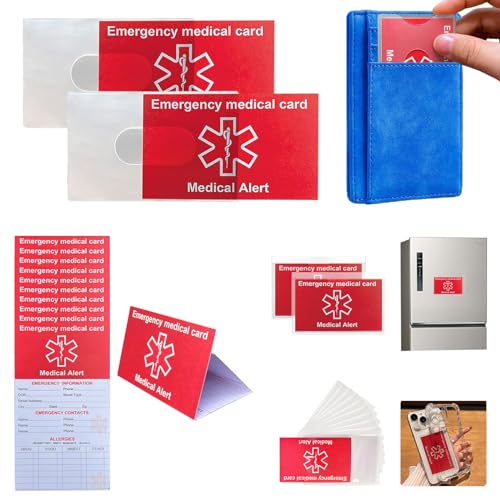
Keep an updated medication and supplement list
Include prescriptions, OTCs, vitamins, herbs, teas, and topical products. Bring it to every visit. Consider a wallet card or smartphone note.
Tell your clinician and pharmacist about any herb you plan to use—brand, dose, frequency. Abruptly stopping an inducing herb like St. John’s wort can increase drug levels; coordinate changes.
Choose quality products
Prefer brands with third‑party testing (USP, NSF, Informed Choice). Standardized extracts help predict dose. See Guide to reading supplement labels.
Mind timing—but know when it won’t help
Spacing doses can help with simple absorption interactions (e.g., fiber, minerals). It does not prevent enzyme/transport effects (e.g., St. John’s wort, grapefruit), which can last many hours to days.
Start low, go slow
Begin with the lowest effective dose; increase gradually while monitoring for side effects or medication changes.
Monitor key labs and vitals
If on warfarin: check INR more frequently when adding/stopping herbs with bleeding or CYP effects (ginkgo, garlic, cranberry, St. John’s wort).
If on diabetes meds: monitor glucose more often when starting ginseng or other glucose‑active herbs.
If on transplant meds (tacrolimus/cyclosporine) or seizure meds: check drug levels after any herb change.
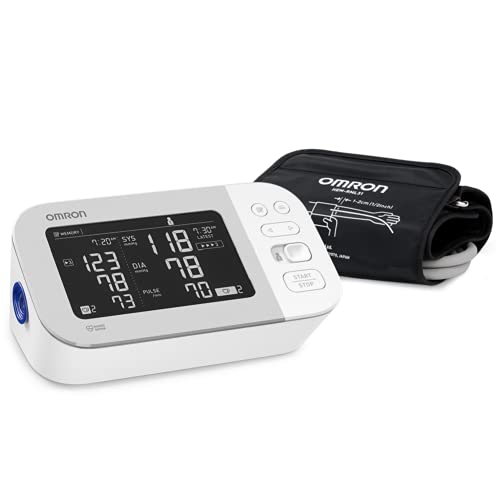
Track blood pressure if using licorice or stimulatory herbs.
Plan for procedures
Consider stopping herbs with bleeding or sedation risk 1–2 weeks pre‑op (ginkgo, garlic, ginseng, kava, valerian, high‑dose turmeric), in coordination with your surgical team. See Pre‑surgery supplement checklist.
Watch for red flags and act
If you notice warning signs (bleeding, excessive sedation, serotonin symptoms), contact your clinician promptly.
Consider deprescribing strategies
Periodically review every supplement and medication for continued need. Work with your clinician to taper off non‑essentials and simplify regimens. See Medication de‑prescribing with your doctor.
Seek integrative expertise
Pharmacists, clinical herbalists, and integrative physicians can tailor recommendations to your meds, diagnoses, and goals.
Tools, resources, and how to check interactions
Clinician‑grade databases (ask your care team to check for you):
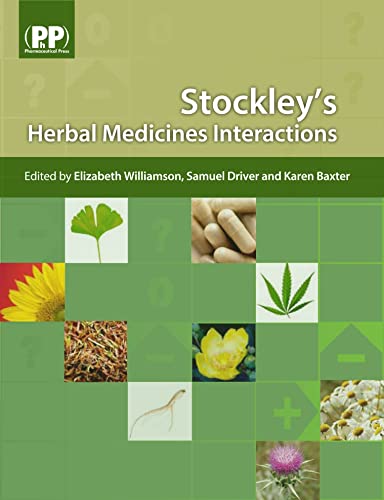
Natural Medicines (Therapeutic Research Center): Comprehensive herb monographs and interaction ratings
Lexicomp, Micromedex, and Clinical Pharmacology: Include many supplement interactions
FDA and EMA product labels: Often note grapefruit and St. John’s wort interactions
Consumer resources:
MedlinePlus Herbs and Supplements (NIH)
National Center for Complementary and Integrative Health (NCCIH)
NIH Office of Dietary Supplements fact sheets
Memorial Sloan Kettering “About Herbs” database
Drugs.com or Medscape interaction checkers (helpful but not exhaustive)
Further reading on GoldBamboo:
Understanding CYP450 and drug metabolism
How to talk to your clinician about supplements
Turmeric (curcumin): anti‑inflammatory science
Eastern and Western perspectives — integrating safely
Western approach: Identify the specific mechanism (e.g., CYP3A4 induction), quantify the effect, adjust dose or avoid the combo, and monitor clinically relevant endpoints.
Eastern approach: Match formulas to the person’s pattern, combine herbs to balance actions, and observe for disharmony signs. In modern practice, experienced TCM/Ayurvedic clinicians also screen for known pharmacologic interactions and modify formulas or timing with pharmaceuticals.
This integrative stance respects traditional use while applying modern safety science to protect you.
How to use this information
If you take any high‑risk drugs (blood thinners, anti‑rejection meds, seizure meds), avoid starting new herbs without professional guidance.
If you already use an herb from the list above with a sensitive medication, schedule a review with your pharmacist or prescriber and arrange appropriate monitoring.
Use reputable resources and keep your care team informed—this is the simplest, most effective way to prevent problems.
Disclaimer
This article is for educational purposes and does not replace personalized medical advice. Always talk with a qualified healthcare professional before starting, stopping, or changing any medication or supplement. Interaction risk varies by product quality, dose, and your individual health conditions.
This content is for informational purposes only and does not constitute medical advice. Always consult a qualified healthcare provider before starting, stopping, or changing any supplement or medication regimen.
Interactions Between Herbal Supplements: Common Herb‑Herb Risks, How They Work, and Safety Tips. If you take more than one botanical at a time, you may wonder about interactions between herbal supplements. The short answer: they do exist. Some combinations can meaningfully raise bleeding risk, amplify sedation, stress the liver, or alter how other herbs are absorbed and metabolized. Research su
If you take prescription medicines, over‑the‑counter (OTC) remedies, or supplements, you’ve likely wondered whether it’s safe to combine them. Our drug interaction checker helps you quickly screen for
If you take medications and supplements, you’ve probably wondered: Are these safe together? Our supplement interaction checker helps you quickly spot potential drug–supplement conflicts, understand se
Are Herbal Supplements Safe? Risks, Benefits, and How to Use Them Wisely. If you’ve ever wondered “are herbal supplements safe,” you’re not alone. Many people reach for herbs to support sleep, mood, immunity, or joint comfort, yet safety depends on multiple factors: the specific herb, dose, product quality, your health status, and any medications you take. This guide brid
Vitamin Interactions With Medications: What You Need to Know. ## What this guide covers and why drug–vitamin interactions matter
If you take prescription or over‑the‑counter medications, it can be helpful to understand vitamin interactions with medications. While vitamins are essential nutrients, they can sometimes change how drugs are absorbed, metabolized, o
If you’re considering this popular herb for mood support, you’ve likely wondered about st john's wort interactions. This matters: St. John’s wort (Hypericum perforatum) can change how many prescriptio