If you’re taking a blood thinner, you’re probably asking what supplements interact with blood thinners and how to stay safe. Research suggests several vitamins, herbs, and natural enzymes can either increase bleeding risk or reduce your medication’s effectiveness. This guide explains how blood thinners work, which supplements raise concern, what the research says, and practical steps to discuss with your clinician.
How blood thinners work and why interactions matter
Blood thinners (anticoagulants and antiplatelets) lower the risk of dangerous clots in conditions like atrial fibrillation, prior stroke, deep vein thrombosis (DVT), pulmonary embolism (PE), or after stent placement. They work by:
- Anticoagulation: Slowing the clotting cascade so fibrin clots form less readily (e.g., warfarin, apixaban)
- Antiplatelet effects: Making platelets less “sticky” so they don’t clump (e.g., aspirin, clopidogrel)
Supplements can interact by:
- Further thinning blood (raising bleeding risk)
- Speeding up or slowing down drug metabolism (changing blood levels)
- Interfering with vitamin K–dependent clotting (warfarin-specific)
- Altering absorption in the gut (timing, binding, or transporters like P‑glycoprotein)
Because the therapeutic window can be narrow—especially with warfarin—small changes may cause serious bleeding or allow clots to form. Monitoring and consistent habits are key.
Common prescription blood thinners (warfarin, DOACs, heparin) — interaction profiles
- Warfarin (Coumadin): Vitamin K antagonist. Strongly affected by dietary vitamin K, many herbs, and CYP2C9/CYP3A4/CYP1A2 interactions. Requires INR monitoring.
- DOACs (direct oral anticoagulants): Apixaban (Eliquis) and rivaroxaban (Xarelto) are metabolized by CYP3A4 and transported by P‑glycoprotein (P‑gp). Dabigatran (Pradaxa) and edoxaban (Savaysa) are P‑gp substrates with minimal CYP metabolism. These drugs can be pushed up or down by inhibitors/inducers of these pathways. No routine coagulation tests, so clinical vigilance matters.
- Heparins (unfractionated heparin, low–molecular weight heparins like enoxaparin): Primarily additive bleeding risk with other agents that thin blood. Fewer metabolic interactions, but stacking effects are important.
If you also take antiplatelets (aspirin, clopidogrel) with an anticoagulant, your baseline bleeding risk is higher—interactions from supplements matter even more.
What supplements interact with blood thinners? (Keyword focus)
Below are supplements most discussed in the research. This list is not exhaustive; always check with your clinician or pharmacist before starting or stopping any supplement.
Supplements that may increase bleeding risk
- Omega‑3 fish oil (EPA/DHA): May modestly reduce platelet aggregation. At typical doses (≤1 g/day EPA+DHA), bleeding risk appears low, but higher doses or combination with anticoagulants/antiplatelets can be additive. Evidence: moderate.
- Garlic (Allium sativum), especially aged extracts and high doses: Antiplatelet effects; case reports of bleeding when combined with anticoagulants or antiplatelets. Evidence: moderate.
- Ginkgo biloba: Antiplatelet activity and case reports of bleeding, especially with antiplatelets or warfarin. Evidence: moderate.
- Turmeric/curcumin: May inhibit platelet aggregation and influence CYP and P‑gp. Case reports suggest potential bleeding risk with warfarin and DOACs; high‑bioavailability forms may pose greater risk. Evidence: emerging to moderate. For details, see Turmeric and Blood Thinners: Risks, Evidence, and Safe Use (/articles/turmeric-blood-thinners-risks-evidence-safe-use).
- Nattokinase (a fibrinolytic enzyme from natto): Can enhance fibrin breakdown. Human data are limited; theoretical and case-based bleeding risk, especially with anticoagulants. Evidence: emerging.
- Vitamin E (high doses >400 IU/day): May have antiplatelet effects and has been linked to increased bleeding in some analyses. Evidence: moderate.
- Dong quai (Angelica sinensis), feverfew, willow bark (salicylates), bromelain, ginger (high doses), devil’s claw: Traditionally used for pain or circulation; several have antiplatelet actions. Evidence: traditional to emerging; clinical bleeding reports are mostly case-based.
- Policosanol, resveratrol: Potential antiplatelet effects; limited clinical outcomes data. Evidence: emerging.
- CBD (cannabidiol) oils: Can inhibit CYP3A4 and P‑gp, potentially increasing DOAC levels; may also have antiplatelet effects. Evidence: emerging to moderate for interactions; see CBD Oil Interactions: What Drugs, Risks & Safety Tips (/articles/cbd-oil-interactions-drugs-risks-safety).
Supplements that can reduce anticoagulant effect or change drug levels
- Vitamin K (phylloquinone, menaquinones K2 forms): Antagonizes warfarin’s mechanism. Inconsistent intake can swing INR; consistent daily intake (diet and supplements) is preferred over avoidance. Evidence: strong.
- St. John’s wort (Hypericum perforatum): Induces CYP3A4 and P‑gp, which can lower apixaban/rivaroxaban levels and reduce warfarin effect (lower INR). Evidence: strong for enzyme induction; moderate for clinical outcomes.
- Ginseng (Panax ginseng): Reports of decreased warfarin effect (lower INR); mechanism may involve CYP induction or vitamin K–like activity. Evidence: moderate.
- Coenzyme Q10 (CoQ10): Structurally similar to vitamin K; case reports of reduced warfarin effect. Evidence: emerging to moderate.
- High-dose calcium, iron, magnesium, and zinc: Known to bind certain medications in the gut. Direct chelation with DOACs or warfarin isn’t well-established, but large mineral doses may alter gastric conditions or timing/absorption for some people. Spacing by a few hours is a cautious strategy if advised by your pharmacist. Evidence: limited for anticoagulants; strong for other drug classes.
- Grapefruit or bitter orange extracts: CYP3A4 inhibitors that may increase apixaban/rivaroxaban levels; supplement forms can deliver higher exposures than food. Evidence: moderate.
- Green tea extracts (high vitamin K content in some preparations) and matcha concentrates: Potential to lower INR with warfarin. Evidence: moderate (warfarin-specific).
What the research says
- Warfarin–vitamin K: Strong evidence from decades of use. Inconsistent vitamin K intake is a leading cause of INR variability. Keeping vitamin K intake stable is more important than avoiding it entirely.
- St. John’s wort: Strong mechanistic evidence (CYP3A4 and P‑gp induction) and clinical pharmacokinetic data showing reduced levels of many CYP3A4/P‑gp substrates, including DOACs.
- Ginkgo, garlic, ginseng, turmeric: Moderate evidence overall. Multiple small trials and observational studies show antiplatelet effects or INR changes; numerous case reports link to bleeding or INR instability when combined with anticoagulants. Randomized outcome data are limited.
- Omega‑3s: Moderate evidence suggests minimal bleeding risk at standard doses, but additive effects are plausible at higher intakes or when combined with multiple blood‑thinning agents.
- Nattokinase: Emerging evidence with theoretical fibrinolytic risk; limited controlled human data in anticoagulated patients.
- CBD: Emerging to moderate interaction evidence via CYP3A4/P‑gp inhibition; case reports and PK studies in other drug classes raise caution for DOACs.
From an Eastern medicine perspective, herbs like ginkgo, ginseng, dong quai, and ginger have been traditionally used to “move blood” or support circulation. Modern pharmacology often finds antiplatelet or anticoagulant activity in these plants—the same properties that raise interaction concerns when combined with prescription blood thinners. Respecting these traditions means using them thoughtfully and transparently about risks.
Mechanisms of interaction: platelet function, CYP enzymes, vitamin K pathway, and absorption
- Platelet inhibition: Garlic, ginkgo, ginger, turmeric, vitamin E, feverfew, willow bark may reduce platelet clumping. When layered onto anticoagulants or antiplatelets, bleeding risk can rise.
- Vitamin K pathway: Warfarin blocks vitamin K epoxide reductase (VKORC1). Extra vitamin K (supplemental or concentrated dietary sources) can “overcome” warfarin and lower INR.
- Metabolism and transporters:
- Warfarin (especially S‑warfarin) is metabolized by CYP2C9; R‑warfarin by CYP3A4/1A2. Inducers lower INR; inhibitors raise it.
- Apixaban/rivaroxaban: CYP3A4 and P‑gp substrates—inducers reduce levels; inhibitors raise levels.
- Dabigatran/edoxaban: P‑gp substrates—inducers lower levels; inhibitors raise levels.
- Absorption and gastric factors: Large mineral doses and certain fibers can alter gastric pH or transit time; direct chelation with anticoagulants is uncertain but spacing doses can be a cautious practice when advised.
Recognizing signs of a dangerous interaction and when to seek medical help
Call your clinician or seek urgent care if you notice:
- Unexpected or heavy bleeding (nose, gums), prolonged bleeding from cuts
- Unusual bruising; purple or pinpoint spots on the skin
- Coughing up blood; vomiting blood or material that looks like coffee grounds
- Black or tarry stools; red or brown urine
- Severe headache, dizziness, weakness, fainting, or joint swelling/pain (possible internal bleeding)
- Signs of under‑anticoagulation (possible reduced drug effect): sudden chest pain or shortness of breath, one‑sided leg swelling/redness/warmth, or stroke symptoms (face droop, arm weakness, speech difficulty). Call emergency services if stroke or PE/DVT is suspected.
How to reduce risk: monitoring (INR), timing, dosing, talking with your clinician and pharmacist
- Don’t start, stop, or change the dose of any supplement without checking with your prescriber or pharmacist.
- Keep vitamin K intake consistent if you’re on warfarin. If you want to use a multivitamin with vitamin K, discuss a steady daily dose with your warfarin clinic rather than cycling on and off.
- Use INR monitoring for warfarin. If you add or remove a supplement, get an extra INR check within 3–7 days or as directed.
- For DOACs (apixaban, rivaroxaban, dabigatran, edoxaban), there’s no routine coagulation test. Changes are managed clinically—report new supplements, bleeding, or clot‑like symptoms promptly.
- Timing strategies: If you take large doses of minerals (calcium, iron, magnesium, zinc) or fiber supplements, consider separating them from your anticoagulant by 2–4 hours after talking with your pharmacist.
- Avoid “proprietary blend” products that list many herbs at unknown doses; single‑ingredient, third‑party tested products are easier to evaluate.
- Use reliable tools to screen for interactions before you buy. Try our Drug Interaction Checker — Check Rx, OTC & Supplement Interactions (/articles/drug-interaction-checker) and Supplement Interaction Checker — Check Drug & Supplement Interactions (/articles/supplement-interaction-checker). For background on how to think about these risks, see Herb-Drug Interactions: Risks, Common Examples, and How to Stay Safe (/articles/herb-drug-interactions-guide).
Affiliate note — helpful tools many people consider:
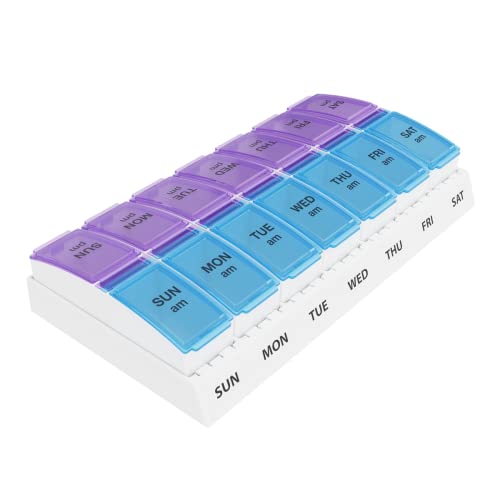
- Many people find a 7‑day Pill Organizer (product-url) helpful for keeping doses consistent and avoiding double‑dosing.
- A Medical ID Bracelet (product-url) can alert first responders that you’re on a blood thinner.
- Some patients use a Home INR Monitor (product-url) under clinician guidance; discuss whether this is appropriate for you.
Safe alternatives, evidence summary, and practical tips for people on anticoagulants
If you’re using supplements for common goals, consider these lower‑risk approaches and discussion points with your care team.
For joint comfort or general inflammation
- Safer non‑supplement options: Physical therapy, heat/cold, weight management, sleep optimization. Topical measures (menthol/capsaicin) don’t thin blood.
- If you’re considering a turmeric‑based product, review the specific risks and discuss with your prescriber. See Does Turmeric Interact with Medications? Risks, Evidence & Safety Tips (/articles/does-turmeric-interact-with-medications) and our focused guide on blood thinners (/articles/turmeric-blood-thinners-risks-evidence-safe-use). A turmeric‑free Joint Support Blend (turmeric-free) (product-url) may be an alternative to discuss.
For “heart health” or triglycerides
- Dietary omega‑3s from fish 1–2 times per week are generally preferred over high‑dose fish oil capsules when on blood thinners, but confirm with your clinician. If supplements are needed, stay within doses your prescriber recommends and monitor for bleeding.
For mood, sleep, or stress support
- Avoid St. John’s wort on any anticoagulant without explicit prescriber approval due to strong interaction potential.
- Consider non‑supplement options like CBT‑I for sleep, mindfulness, or gentle exercise. If exploring supplements like magnesium glycinate for sleep, discuss timing and dose with your pharmacist to minimize any absorption concerns.
For “immune support” and general wellness
- Multivitamins that include vitamin K can be used on warfarin if the vitamin K amount is stable day‑to‑day and your INR is monitored when starting. Consistency is the goal.
- Be cautious with high‑dose vitamin E and concentrated herbal blends that include multiple botanicals with antiplatelet action.
Practical takeaways
- Keep a single, up‑to‑date list of all drugs and supplements.
- Introduce only one change at a time; schedule INR checks for warfarin users.
- Watch for signs of bleeding or clotting and act promptly.
- Choose third‑party tested supplements with transparent dosing.
- When in doubt, ask your pharmacist—they are interaction experts.
Questions to ask your provider
- Do any of my current or planned supplements increase bleeding risk with my blood thinner?
- If I want to take [specific supplement], what dose and timing (if any) could be appropriate?
- Should I get an extra INR check (for warfarin) or labs (kidney/liver function for DOACs) after changes?
- Are there safer alternatives to meet my goals (dietary, lifestyle, or non‑interacting supplements)?
- Which red‑flag symptoms should prompt me to call versus go to the emergency department?
Evidence snapshots by supplement category
- Strong evidence: Vitamin K affects warfarin; St. John’s wort reduces levels of CYP3A4/P‑gp substrates (including some DOACs); consistent monitoring strategies improve safety.
- Moderate evidence: Garlic, ginkgo, ginseng, turmeric/curcumin, vitamin E (high dose), grapefruit extract, omega‑3s (dose‑dependent bleeding risk). Multiple small trials and case series inform risk.
- Emerging evidence: Nattokinase, CBD, resveratrol, policosanol; mechanistic plausibility with limited clinical outcomes.
- Traditional use without modern clinical evidence: Dong quai, feverfew, willow bark—historically used for circulation or pain, but modern data in anticoagulated patients are limited. Caution is warranted.
This information is for educational purposes and should not replace personalized medical advice. Work with your healthcare team to tailor any plan to your health history.
Disclaimer
This guide is not a substitute for professional medical care. Drug–supplement interactions can be complex and patient‑specific. Always consult your clinician or pharmacist before starting, stopping, or combining supplements with any blood thinner, and seek urgent care for red‑flag bleeding or clotting symptoms.