Turmeric and Blood Thinners: Risks, Evidence, and Safe Use
Are turmeric supplements safe with blood thinners? Learn risks, evidence, warning signs, and safer use tips, including warfarin, DOACs, and aspirin.
·12 min read
This content is for informational purposes only and does not constitute medical advice. Always consult a qualified healthcare provider before starting, stopping, or changing any supplement or medication regimen.
If you take a blood thinner, you may be wondering whether turmeric is safe. Turmeric and blood thinners come up together often because turmeric (and its active compound curcumin) may influence bleeding risk. This guide explains what the research suggests, who is at higher risk, and practical steps to use turmeric more safely—or avoid it—if you take anticoagulants or antiplatelet drugs.
What are turmeric and curcumin?
Turmeric (Curcuma longa) is a culinary spice and traditional medicine staple in Ayurveda and other systems. Curcumin is the best‑studied active compound in turmeric, associated with anti‑inflammatory and antioxidant effects. You’ll encounter turmeric in two main ways:
Food-level turmeric: the ground spice or fresh root used in cooking or beverages. One teaspoon of turmeric powder is roughly 2–3 grams of root powder, containing about 2–6% curcuminoids (≈40–180 mg curcuminoids).
Supplements: capsules or tablets standardized to curcuminoids (often 95% curcumin) at doses commonly reported in studies ranging from about 250–1,000 mg per serving; some trials have explored higher totals per day under supervision (NCCIH Fact Sheet; clinical trials overviews). Many products add black pepper extract (piperine) or use specialized formulations (e.g., phytosomes, nanoparticles) to enhance absorption (Shoba 1998; Bhardwaj 2002).
Why bioenhancers matter: piperine and certain delivery systems can raise curcumin absorption many‑fold (Shoba 1998). While this can increase potential benefits, it may also magnify drug–supplement interaction risks (emerging to moderate evidence, depending on the drug).
Anticoagulants are commonly used for atrial fibrillation, venous thromboembolism, and some valve disorders; antiplatelets are standard after heart attack or stenting. Some people take both (dual or triple therapy), which substantially increases bleeding risk.
Turmeric and blood thinners: what the research says
Overall evidence quality: moderate for warfarin (based on repeated case reports and plausible mechanisms), emerging for DOACs (limited human data), and emerging for antiplatelets (small studies and mechanistic data). There are no large randomized trials testing turmeric with blood thinners.
What’s reported: Pharmacovigilance case reports describe people on stable warfarin who developed supratherapeutic INR or bleeding after starting high‑dose turmeric/curcumin supplements. INRs often returned toward baseline after turmeric use was paused or after warfarin adjustments were made by clinicians (Medsafe NZ Prescriber Update, 2018; case series reports).
Evidence level: moderate (case reports and consistent pharmacologic rationale, but no controlled trials).
Practical interpretation: warfarin’s narrow therapeutic index makes even modest interactions clinically important. Supplements—especially bioenhanced products with piperine—appear to carry more risk than food amounts. Consistency of intake is critical.
What’s reported: Human interaction data are sparse. Some clinicians report easy bruising or minor bleeding in practice when DOACs are combined with turmeric supplements, but robust studies are lacking.
Mechanistic concern: curcumin and piperine can inhibit P‑glycoprotein in vitro; apixaban, rivaroxaban, edoxaban, and dabigatran rely on P‑gp transport (EHRA NOAC Guide 2021; Bhardwaj 2002). Curcumin and piperine may also inhibit CYP3A4 in vitro, relevant for apixaban and rivaroxaban (in vitro enzyme studies). These pathways raise a theoretical risk of higher DOAC exposure.
Evidence level: emerging (mainly mechanistic and theoretical with limited clinical documentation).
Practical interpretation: many clinicians prefer to avoid initiating high‑dose or bioenhanced turmeric supplements with DOACs unless there is a clear indication and a monitoring plan. Food‑level turmeric is likely lower risk but is best kept consistent.
Antiplatelet drugs (aspirin, clopidogrel, others)
What’s reported: Small human studies and ex vivo research suggest curcumin can reduce platelet aggregation and thromboxane formation (emerging evidence; small trials and mechanistic studies). Additive effects with aspirin or clopidogrel are therefore plausible, especially with higher‑dose supplements.
Evidence level: emerging (limited small trials and mechanistic data; few clinical outcomes studies).
Practical interpretation: for those using daily antiplatelets—particularly dual therapy or higher‑dose aspirin—caution with turmeric supplements is warranted, and discussion with the cardiology team helps tailor decisions.
Food vs supplements
Culinary turmeric used regularly in food appears to carry a lower bleeding risk than concentrated supplements. Still, abrupt changes in intake can affect warfarin dosing stability. Keeping dietary use consistent and communicating any changes to the care team supports safer management (moderate evidence for warfarin; emerging for DOACs/antiplatelets).
Antiplatelet activity (pharmacodynamic): Curcumin has been shown in laboratory and small human studies to reduce platelet activation and aggregation, partly by decreasing thromboxane A2 formation and modulating inflammatory signaling (e.g., NF‑κB). This can add to the antiplatelet or anticoagulant effects of drugs (emerging evidence).
CYP450 modulation (pharmacokinetic): In vitro, curcumin and piperine can inhibit enzymes such as CYP2C9 (important for warfarin S‑enantiomer metabolism) and CYP3A4 (relevant for some DOACs). The clinical magnitude is uncertain but provides a mechanistic rationale for interactions (emerging evidence; enzyme assays and preclinical data).
P‑glycoprotein (P‑gp) effects: Curcumin and piperine may inhibit P‑gp, a transporter that affects absorption and clearance of several DOACs. Inhibition may increase drug exposure (emerging evidence; transporter studies).
Additive bleeding risk: Even without changing drug levels, curcumin’s antiplatelet effect can combine with anticoagulants/antiplatelets to raise overall bleeding propensity, especially at higher supplement doses (emerging evidence).
Who is at higher risk?
High‑dose or enhanced‑bioavailability turmeric/curcumin supplements (piperine/BioPerine; phytosome, nanoparticle, or liposomal forms)
Coughing up blood, shortness of breath with chest pain
Rapid heart rate, lightheadedness, fainting
These signs typically prompt a call to your clinician:
Nosebleeds or gum bleeding that last more than 10–15 minutes
Unusual or extensive bruising
Pink/red/brown urine
Heavier or prolonged menstrual bleeding
Small cuts that bleed longer than expected
For severe symptoms, emergency services can be contacted, or evaluation in the nearest emergency department is appropriate.
Practical guidance: using turmeric safely with blood thinners
Start with a conversation
Tell your clinician and pharmacist about all supplements, teas, and herbal blends you use, including turmeric in food or drink.
If your goal is inflammation support, discuss non‑interacting strategies or clinically acceptable options tailored to your medications.
If you take warfarin
Any change in turmeric/curcumin use is best coordinated with your anticoagulation team so INR monitoring can be planned.
When a supervised trial is considered, many clinicians arrange:
A baseline INR, with rechecks at intervals such as 3–5 days and again at 7–14 days after any change in turmeric intake or product (moderate evidence: pharmacovigilance experience and warfarin management principles).
Use of products without piperine and attention to consistent daily intake if a supplement is tried.
Prompt reporting of bleeding symptoms so therapy can be reassessed.
If you take a DOAC (apixaban, rivaroxaban, edoxaban, dabigatran)
Because there’s no simple INR‑type test for DOACs, prevention is emphasized. In clinical practice, many clinicians prefer to avoid high‑dose turmeric/curcumin supplements—especially bioenhanced forms—unless there is a clear rationale and a monitoring plan.
If a supervised trial is pursued:
Clinicians often consider the lowest end of ranges explored in studies, prefer formulations without piperine, and ask patients to watch closely for bleeding signs during the first 2–4 weeks.
Benefit vs risk is typically reassessed periodically, with instructions to contact the care team if bleeding occurs.
If you take antiplatelet drugs (aspirin, clopidogrel, etc.)
Due to potential additive antiplatelet effects, turmeric supplements warrant caution—particularly with dual therapy. Food‑level turmeric is likely lower risk; maintaining consistent intake and informing the cardiology team of any changes supports safer use.
Before surgery, dental work, or invasive procedures
Peri‑procedural teams often request pausing herbal supplements—turmeric/curcumin included—approximately 7–14 days before procedures with bleeding risk, considering platelet lifespan and uncertain interactions (ASA patient guidance). Follow your surgeon’s/cardiologist’s instructions, which take precedence.
General safety tips while on blood thinners
New NSAID use (e.g., ibuprofen, naproxen) can add bleeding risk; discuss pain‑relief options with your clinician.
Limiting alcohol intake may reduce bleeding risk and improve warfarin stability.
Soft‑bristle toothbrushes and electric razors may help reduce minor cuts and gum irritation.
Keep a current medication and supplement list; sharing it through your patient portal can help your team coordinate care.
Safer alternatives, dosing considerations, FAQs, and key takeaways
If you’re seeking anti‑inflammatory support
Research suggests these non‑supplement options have low interaction risk and meaningful benefit when practiced consistently:
Physical strategies: gentle movement and progressive strength training as tolerated (moderate to strong evidence for musculoskeletal pain and function)
Nutrition: Mediterranean‑style eating pattern emphasizing vegetables, legumes, whole grains, olive oil, and fish (strong evidence for cardiometabolic and inflammatory risk reduction)
Sleep and stress: prioritized sleep hygiene; mind‑body practices (yoga, tai chi, meditation) (moderate evidence for symptom relief and quality of life)
Supplement considerations to discuss with your clinician if turmeric is not advised:
Boswellia serrata: studied for joint comfort; interaction risk appears lower than turmeric, but evidence for safety with blood thinners is still limited (emerging). Monitoring for bleeding is still prudent.
Topical agents: capsaicin or menthol creams act locally and avoid systemic bleeding risks (moderate evidence for localized pain relief).
Acetaminophen: often considered over NSAIDs for pain in people on blood thinners; however, high chronic doses may affect warfarin INR (moderate evidence). Coordination with your prescriber helps ensure safe use.
Dosing pointers if your clinician clears turmeric use
Research context: Clinical studies have commonly explored curcuminoid doses in the range of about 250–1,000 mg/day, sometimes higher, depending on the condition studied and the formulation used (NCCIH Fact Sheet; RCTs with standardized extracts). Enhanced‑bioavailability products may deliver higher systemic exposure at lower nominal doses.
Supervised trial approach: If a trial is undertaken under clinician supervision, some teams begin at the lower end of ranges studied, avoid piperine‑containing products, and reassess benefit, tolerance, and any bleeding signs within 2–4 weeks.
Culinary use: Consistent culinary amounts (for example, roughly 1/2–1 teaspoon daily in recipes) generally provide far less curcuminoid exposure than supplements; many individuals and clinicians view this as a lower‑risk approach when anticoagulation is required (emerging to moderate evidence for interaction risk).
Consistency matters: Sudden changes—starting, pausing, or switching products—are when problems are most often observed in case reports. Planning monitoring around changes supports safer use.
Helpful tools many people find useful
A weekly Pill Organizer can reduce missed doses or accidental double‑dosing of blood thinners and supplements.
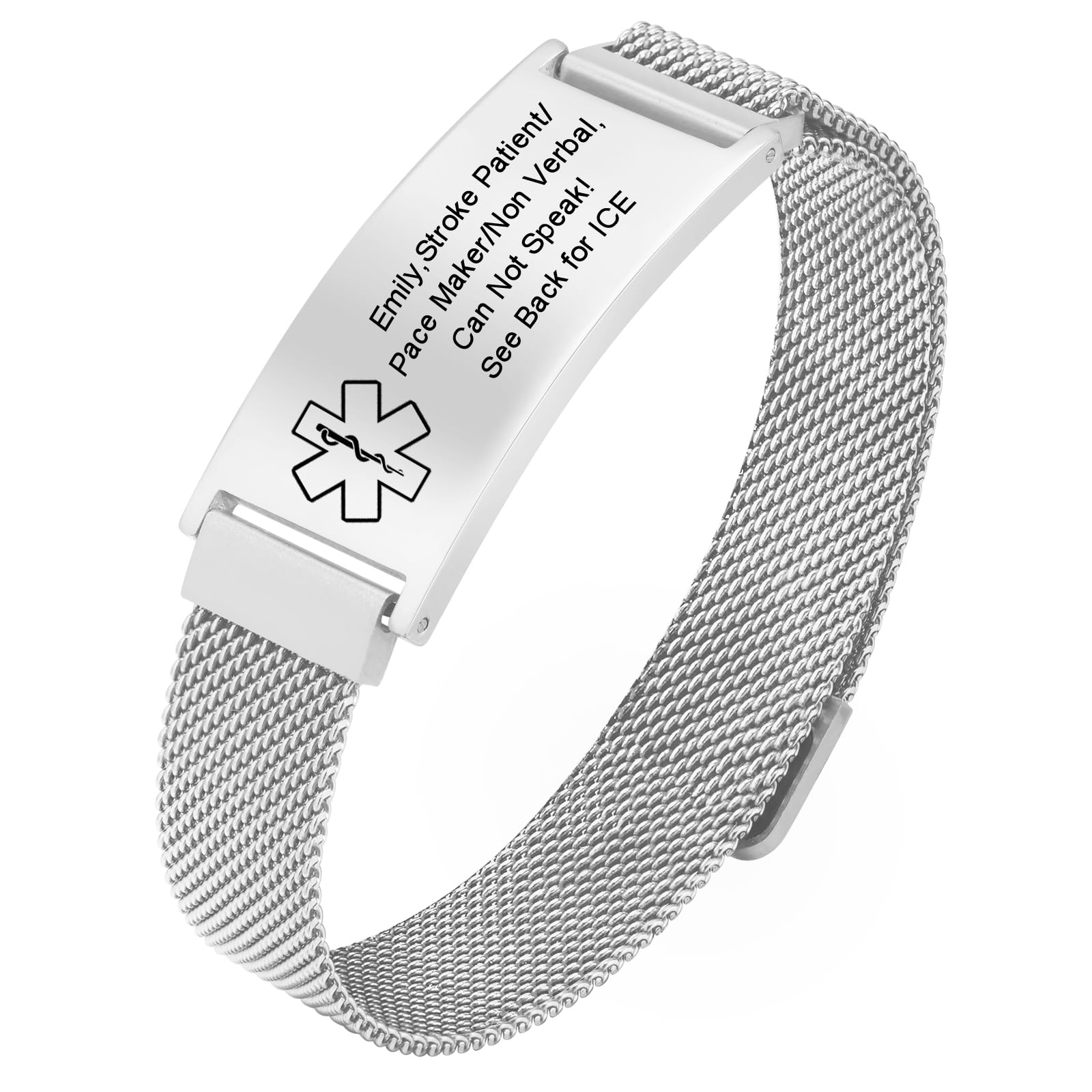
A Medical ID Bracelet that lists your anticoagulant can help first responders make safer decisions in emergencies.
A Soft‑Bristle Toothbrush may help minimize gum irritation and minor bleeding while on antithrombotic therapy.
These product suggestions are informational; they are not endorsements, and they are not a substitute for personalized medical advice.
FAQs
Is golden milk safe with blood thinners? Golden milk often contains 1/2–1 tsp of turmeric. Culinary amounts are generally lower risk than supplements, but keeping intake consistent and informing your clinician—especially with warfarin—supports safer dosing decisions (moderate evidence for warfarin interactions).
Is fresh turmeric root safer than capsules? Fresh or powdered turmeric used in food usually yields much lower curcuminoid exposure than concentrated supplements, which may be safer from an interaction perspective (emerging to moderate evidence). Consistency still matters.
Does black pepper increase risk? Possibly. Piperine can markedly increase curcumin absorption and may inhibit drug‑metabolizing enzymes and transporters (Shoba 1998; Bhardwaj 2002), potentially raising bleeding risk with blood thinners (emerging to moderate evidence, depending on the drug).
Are topical turmeric preparations a concern? Topical use is unlikely to affect bleeding risk due to minimal systemic absorption, though skin irritation is possible (emerging evidence).
How will I know if turmeric is affecting warfarin? Rising INR, easy bruising, or mucosal bleeding after a change in turmeric intake are warning signs. Anticoagulation clinics often arrange INR checks within the first 1–2 weeks after any change in supplement or dietary turmeric.
Key takeaways
Evidence that turmeric/curcumin can interact with blood thinners is strongest for warfarin (moderate evidence: case reports plus pharmacology) and emerging for DOACs and antiplatelets.
Supplements—especially high‑dose or piperine‑enhanced forms—pose more risk than culinary turmeric.
Keep intake consistent, avoid abrupt changes, and loop in your clinician. For warfarin, plan INR monitoring around any change; for DOACs, emphasize prevention and symptom vigilance.
If bleeding signs appear, contacting your care team promptly is important; they may advise pausing turmeric supplements and arranging urgent evaluation if needed.
Recommended resources
Talk with your prescriber and pharmacist for individualized advice and monitoring plans.
Trusted monographs and clinical tools (ask your clinician to review with you): NIH/NCCIH turmeric fact sheet; professional drug–herb interaction databases; cardiology/hematology society guidance on peri‑procedural antithrombotic management (e.g., EHRA NOAC Guide; ASA patient guidance on supplements before surgery).
This article is for educational purposes and should not replace personalized medical advice. Always consult your healthcare professional before starting, pausing, or changing any supplement, especially if you take prescription anticoagulants or antiplatelet medications.
References (selected): Shoba G et al. Influence of piperine on the pharmacokinetics of curcumin in animals and human volunteers. Planta Med. 1998;64(4):353–356. Bhardwaj RK et al. Piperine, a major constituent of black pepper, inhibits human P-glycoprotein and CYP3A4. J Pharmacol Exp Ther. 2002;302(2):645–650. Medsafe NZ. Potential interaction between warfarin and turmeric. Prescriber Update. 2018. European Heart Rhythm Association (EHRA). Practical Guide on the use of non-vitamin K antagonist oral anticoagulants. American Society of Anesthesiologists (ASA). Herbal and dietary supplements and anesthesia (patient education). NIH/NCCIH. Turmeric and Curcumin Fact Sheet for Health Professionals.
This content is for informational purposes only and does not constitute medical advice. Always consult a qualified healthcare provider before starting, stopping, or changing any supplement or medication regimen.
Does Turmeric Interact with Medications? Risks, Evidence & Safety Tips. Turmeric shows up in everything from golden milk to joint‑support supplements. But does turmeric interact with medications? The short answer: yes, turmeric (and its active compound curcumin) can interact with certain drugs—especially blood thinners and medications moved by common liver enzymes and t
If you’re adding turmeric or curcumin to your routine, you might be wondering about turmeric side effects, who’s most at risk, and how to use it safely. This guide blends western research and traditio
What Supplements Interact with Blood Thinners — Risks & Safe Choices. If you’re taking a blood thinner, you’re probably asking what supplements interact with blood thinners and how to stay safe. Research suggests several vitamins, herbs, and natural enzymes can either increase bleeding risk or reduce your medication’s effectiveness. This guide explains how blood thinn
What Are the Side Effects of Turmeric? Risks, Interactions & Safety Tips. If you’re adding turmeric to your routine, you’re likely wondering about the side effects of turmeric and how to use it safely. While culinary turmeric is generally well‑tolerated, supplements—especially concentrated curcumin extracts—can cause digestive upset and, in rarer cases, more serious probl
If you’re curious whether turmeric benefits live up to the hype, you’re not alone. This bright golden spice has deep roots in Ayurveda and Traditional Chinese Medicine and is now one of the most-studi
Turmeric Supplement Benefits: Evidence-Based Guide + How to Choose. ## Why people turn to turmeric supplements
If you’re curious about turmeric supplement benefits, you’re not alone. Many people look to turmeric or its active compound curcumin for joint comfort, general inflammation, metabolic health, digestion, or mood support. This guide brings together research f