Turmeric Supplement Benefits: Evidence-Based Guide + How to Choose
An evidence-based guide to turmeric supplement benefits, dosing, safety, and how to choose a quality product.
·14 min read
This content is for informational purposes only and does not constitute medical advice. Always consult a qualified healthcare provider before starting, stopping, or changing any supplement or medication regimen.
Why people turn to turmeric supplements
If you’re curious about turmeric supplement benefits, you’re not alone. Many people look to turmeric or its active compound curcumin for joint comfort, general inflammation, metabolic health, digestion, or mood support. This guide brings together research findings with traditional wisdom so you can decide whether turmeric fits your goals and how to choose a quality product.
What you’ll learn:
The difference between turmeric and curcumin, and why bioavailability matters
Evidence-backed benefits (and where the evidence is still emerging)
How different formulations compare (piperine, phytosome, BCM‑95/Curcugreen, Longvida, Theracurmin, and whole-root powders)
Dosage ranges used in studies, timing, and whether cycling helps
Safety, side effects, and drug interactions
How to evaluate labels, potency, and third‑party testing before you buy
Turmeric is the whole rhizome (Curcuma longa). It contains multiple bioactive compounds: curcuminoids (curcumin, demethoxycurcumin, bisdemethoxycurcumin), essential oils (ar-turmerone), and others.
Curcumin is the best-studied curcuminoid and often the focus of supplements. Many products use turmeric extract standardized to 95% curcuminoids.
Why bioavailability is a big deal
Curcumin is poorly absorbed and rapidly metabolized when taken by mouth. As a result, unenhanced powders deliver low blood levels. This is why many supplements:
Pair curcumin with piperine (a black pepper extract), which research suggests can increase curcumin bioavailability by about 20x (2,000%).
Use delivery systems like phytosomes (binding curcumin to phospholipids), essential‑oil complexes (e.g., BCM‑95/Curcugreen), micelles, nanoparticles (e.g., Theracurmin), or solid lipid particles (e.g., Longvida) to enhance absorption.
Traditional perspective: In South Asian and Ayurvedic traditions, turmeric is consumed with fat (ghee, coconut milk) and warming spices. Pairing with fat aligns with modern findings that fat-containing meals can improve curcumin absorption.
Turmeric supplement benefits: what the research says
Overall evidence level: moderate
There are multiple randomized controlled trials (RCTs) and meta‑analyses for pain and inflammation, generally showing modest benefits. Effects on mood and metabolic markers are promising but vary by study and formulation. Digestive and liver support findings are mixed, with stronger evidence in specific situations (e.g., adjunct therapy in ulcerative colitis) and more traditional use for indigestion.
Inflammation and joint pain (osteoarthritis, general aches)
Evidence level: moderate to strong
Studies indicate curcumin extracts can reduce osteoarthritis knee pain and improve function compared with placebo. Meta‑analyses suggest effects broadly comparable to NSAIDs for some measures, though studies are smaller and often industry‑funded.
Typical study doses: 500–1,500 mg/day of curcumin extract (with or without an absorption enhancer) for 4–12 weeks.
People often report fewer GI side effects than with NSAIDs, though high‑absorption curcumin can still cause GI upset in some.
Mechanisms: Curcumin downregulates NF‑κB, COX‑2, and LOX pathways involved in inflammatory signaling; it also exhibits antioxidant activity and may modulate pain perception.
Systemic inflammatory markers (CRP, cytokines)
Evidence level: moderate
Meta‑analyses of curcumin supplementation show modest reductions in C‑reactive protein (CRP) and pro‑inflammatory cytokines (e.g., TNF‑α, IL‑6). The clinical size of these changes varies and tends to be small to moderate.
Metabolic health (lipids, glucose, NAFLD)
Evidence level: moderate
RCTs in people with metabolic syndrome or type 2 diabetes report small improvements in triglycerides, HDL, fasting glucose, and insulin resistance (HOMA‑IR). Effects are modest and inconsistent across studies.
For nonalcoholic fatty liver disease (NAFLD), emerging evidence shows curcumin may improve liver enzymes (ALT/AST) and ultrasound features when paired with lifestyle changes. Larger, longer trials are needed.
Mechanisms: Curcumin may influence AMPK and PPAR‑γ signaling, bile acid metabolism, and gut microbiota composition, which can collectively impact lipid and glucose handling.
Mood and stress
Evidence level: emerging to moderate
Several small RCTs and meta‑analyses suggest curcumin may reduce depressive symptoms, particularly as an adjunct to standard care. Effects tend to be small but positive, with larger benefits sometimes seen in individuals with elevated inflammation.
For anxiety and stress, data are more limited but suggest potential benefit in selected populations.
Mechanisms: Proposed effects include modulation of inflammatory signaling, monoaminergic pathways, neurotrophic factors (BDNF), and the gut–brain axis.
Digestive health
Evidence level: traditional to moderate (varies by condition)
Traditionally used for indigestion, bloating, and to support bile flow.
Modern data: Small trials and traditional monographs support use for dyspepsia. As an adjunct to standard therapy (e.g., mesalamine), curcumin has shown benefit in maintaining remission in ulcerative colitis; evidence in Crohn’s disease is limited.
For general IBS symptoms, findings are mixed and not consistent enough for strong conclusions.
Safety caveat: Because turmeric stimulates bile, individuals with gallstones or biliary obstruction should consult a clinician before using supplements.
Metabolic signaling: Influences on AMPK/PPAR‑γ, bile acids, and possibly gut microbiota
Pain modulation: Indirect effects via inflammatory pathways and neuronal sensitization
Formulations you’ll see and what they mean
Standardized curcumin extract (95% curcuminoids): The research workhorse. Often 500–1,000 mg/day of curcumin. Absorption is limited without enhancers.
Curcumin + piperine (black pepper extract): Significantly increases absorption. Pros: higher bioavailability at a lower cost. Cons: Piperine can interact with medications by affecting drug‑metabolizing enzymes and transporters.
BCM‑95/Curcugreen (curcumin + turmeric essential oils): Uses turmeric’s own oils to enhance absorption. Human data exist; results vary by study.
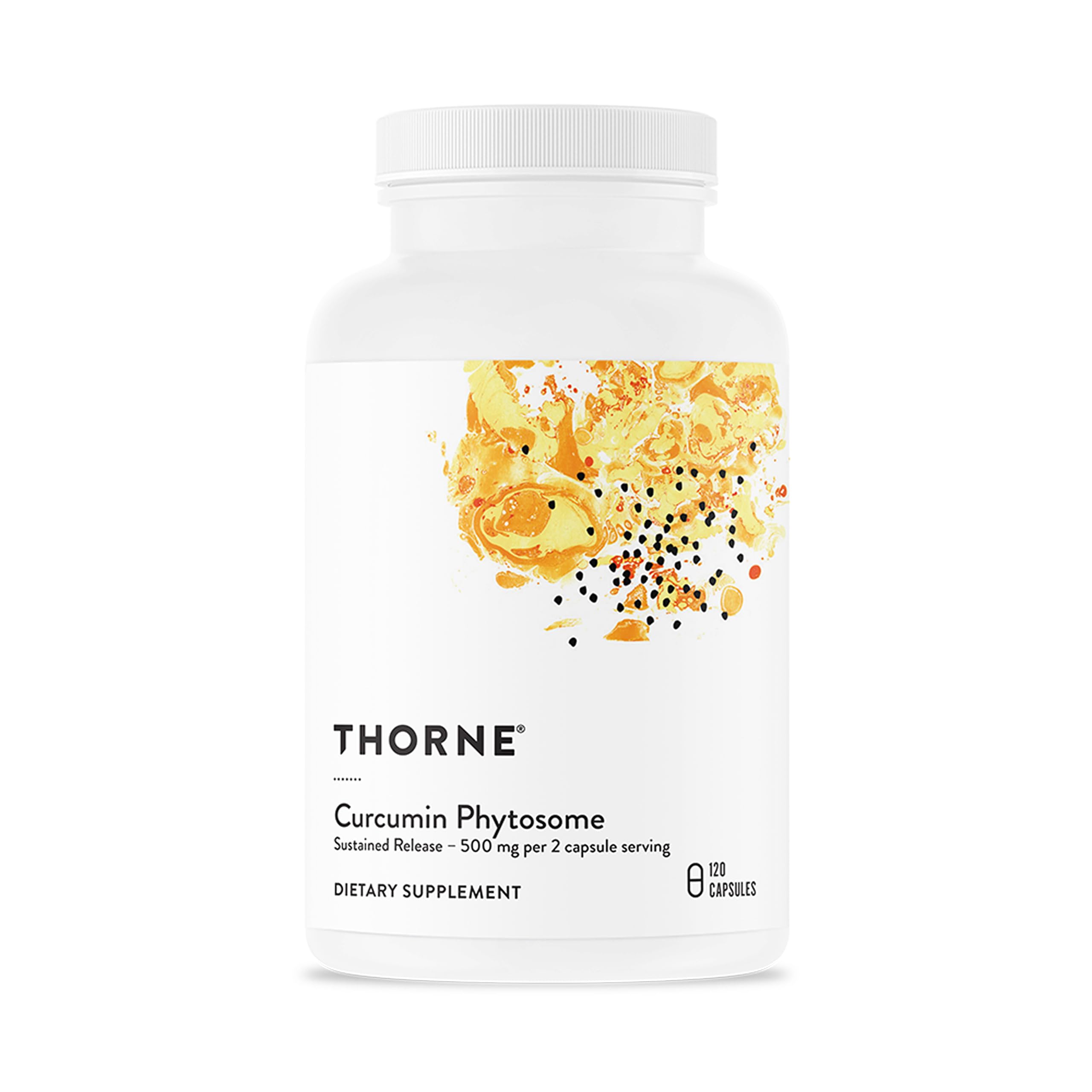
Phytosome (e.g., Meriva): Curcumin bound to phosphatidylcholine to improve uptake. Often labeled as milligrams of complex, not pure curcumin (for example, 500 mg Meriva may supply ~100 mg curcuminoids—check the label).
Solid lipid curcumin particles (e.g., Longvida): A lipid matrix designed for better stability and absorption. Doses of 400–1,000 mg complex are common; pure curcumin content is lower—verify on label.
Nanoparticle/micellar curcumin (e.g., Theracurmin, micellar curcumin): Colloidal systems designed to raise blood levels using smaller amounts of curcumin (tens to low hundreds of mg/day of curcumin used in studies).
Whole turmeric root powder: Provides the full spectrum of turmeric compounds. Lower curcumin content (~2–5%) means much larger doses are needed to match extracts. More aligned with culinary/traditional use.
Note on label math: Some products list “turmeric root” weight; others list “curcuminoids.” Focus on the actual milligrams of curcuminoids when comparing potency.
Recommended dosages, timing, and cycling
This information is educational and not a substitute for medical advice. Dose needs vary with health status, goals, and formulation.
Common adult dosage ranges used in clinical research:
Curcumin extract (95% curcuminoids): 500–1,000 mg/day of curcuminoids, divided 1–2 times daily. Some studies use up to 2,000 mg/day short term under supervision.
Curcumin + piperine: 500–1,000 mg/day curcuminoids with 5–20 mg/day piperine (always check for medication interactions).
Phytosome (Meriva): 500–1,000 mg/day of the phytosome complex (often ~100–200 mg/day curcuminoids total; verify label).
Longvida (SLCP): 400–1,000 mg/day of the complex (supplying a lower amount of curcumin; check label for curcumin equivalence).
Theracurmin: commonly 90–180 mg/day of curcumin used in studies.
Whole turmeric powder: 1–3 grams/day with meals; traditionally combined with fat and spices.
Timing tips:
Take with food, ideally containing fat, to reduce GI upset and support absorption.
Split doses (morning/evening) for steadier levels.
How long until you notice effects?
Joint comfort and general inflammation: evaluate after 4–8 weeks.
Mood or metabolic markers: allow 8–12 weeks; monitor with symptom tracking or labs.
Cycling:
No standardized cycling protocol exists. Many people use turmeric daily for 8–12 weeks, reassess, and either continue or take a 1–2 week break. Long‑term daily use should be reviewed with a clinician, especially if you take medications.
Safety, side effects, and drug interactions
Overall safety profile: moderate to good in healthy adults at studied doses. However, certain risks deserve attention.
Common side effects (dose/formulation dependent):
Stomach upset, reflux, nausea, diarrhea
Headache or dizziness in some
Skin rash (rare)
Less common but important:
Liver concerns: Rare cases of supplement‑associated liver injury have been reported, sometimes with high‑bioavailability products and/or piperine. Seek medical care for jaundice, dark urine, or severe fatigue.
Gallbladder issues: Turmeric can stimulate bile; those with gallstones or biliary obstruction should avoid supplements unless cleared by a clinician.
Kidney stones: Turmeric is relatively high in oxalate; individuals with a history of calcium oxalate stones should use caution and discuss with their healthcare professional.
Medication interactions (consult your prescriber):
Diabetes medications: May modestly lower glucose; monitor to avoid hypoglycemia.
Acid reducers/PPIs and others: Piperine can affect drug‑metabolizing enzymes (CYP3A4, CYP2C9, etc.) and transporters (P‑gp). Clinical significance varies—exercise caution.
Chemotherapy and endocrine therapies: Potential interactions are theoretical or based on limited human data; coordinate closely with your oncology team.
Special populations:
Pregnancy and breastfeeding: Limited safety data for supplemental doses; culinary amounts are generally regarded as safe, but most clinicians advise avoiding high‑dose supplements during pregnancy and lactation unless specifically recommended.
Pre‑surgery: Stop turmeric/curcumin supplements 1–2 weeks before procedures due to potential bleeding risk.
How to choose and buy a quality turmeric supplement
What to look for on labels:
Standardization and transparency: Clear listing of “curcuminoids” (e.g., 500 mg curcuminoids), not just “turmeric root.” Avoid proprietary blends that hide amounts.
Formulation match to your goal: Joint comfort often uses 500–1,000 mg/day curcuminoids; if you prefer lower doses, consider enhanced‑absorption forms (phytosome, Longvida, Theracurmin). Avoid piperine if you take multiple medications.
Third‑party testing: USP, NSF, Informed Choice, or a recent Certificate of Analysis (COA) to verify identity, potency, and purity.
Heavy metal screening: Turmeric can be adulterated with lead chromate; ensure testing for lead, arsenic, cadmium, mercury.
Allergen and filler profile: Minimal excipients; confirm if gluten‑free, soy‑free, etc., as needed.
Capsule vs. softgel vs. powder: Softgels often feature oil‑based matrices that may aid absorption; powders offer flexibility but stain and taste strong.
Option B: Curcumin phytosome softgel (higher absorption with less risk of piperine interactions).
Option C: Whole‑root organic turmeric powder for culinary/traditional use.
Many people find High‑Absorption Curcumin Phytosome convenient if they want lower milligram doses with good uptake. If you prefer to avoid black pepper due to medications, Curcumin SLCP Softgels are an option to discuss with your clinician. For cooking and golden milk, Organic Turmeric Root Powder can be an easy daily add‑on to meals.
Price vs. potency tip: Higher‑absorption formulas often justify a higher price per capsule because you may need fewer milligrams to reach similar blood levels. Always compare on the basis of curcuminoids delivered per day, not just capsule count.
Quick FAQ
Can I take turmeric every day? Many adults use turmeric daily in studied doses. Reassess benefits and tolerance every 8–12 weeks with your clinician.
Best time to take? With meals (containing fat) to support absorption and minimize GI upset. Split dosing is fine.
Pregnancy and breastfeeding? Stick to culinary amounts unless your healthcare professional recommends otherwise.
Is it safe for children? There’s limited pediatric research. Do not supplement without guidance from a pediatric clinician.
Can I combine turmeric with other supplements? Common pairings include omega‑3s, ginger, and boswellia for broader inflammation support. Coordinate combinations with your clinician. For context on multi‑herb strategies, see Herbal Treatments for Inflammation.
Whole turmeric vs. curcumin extract? Whole turmeric offers a broader spectrum of compounds but lower curcumin content. Extracts provide studied, concentrated curcuminoids.
Will turmeric stain? Yes—clothes, counters, and sometimes teeth. Rinse capsules down promptly and clean spills quickly.
Practical takeaways: how to use this information
Clarify your goal: joint comfort, general inflammation, metabolic support, or digestive adjunct.
Choose a formulation that fits your needs and medications:
Few/no meds: curcumin + piperine can be cost‑effective.
On multiple meds or sensitive to pepper: consider phytosome, Longvida, or Theracurmin.
Culinary/traditional use: whole‑root powder in food or drinks.
Start with a research‑supported dose:
500–1,000 mg/day curcuminoids (or label‑equivalent in enhanced forms), with meals.
Track your response for 8–12 weeks: pain/function scales, CRP (if monitored), mood logs, or metabolic labs with your clinician.
Reassess and adjust: continue, tweak dose, or take a short break. Stop and seek care if you notice signs of liver trouble or unusual bleeding.
This guide is for educational purposes and does not replace personalized medical advice. Always consult a qualified healthcare professional before starting, stopping, or combining supplements, especially if you have a medical condition, are pregnant or breastfeeding, or take prescription medications.
This content is for informational purposes only and does not constitute medical advice. Always consult a qualified healthcare provider before starting, stopping, or changing any supplement or medication regimen.
If you’re curious whether turmeric benefits live up to the hype, you’re not alone. This bright golden spice has deep roots in Ayurveda and Traditional Chinese Medicine and is now one of the most-studi
Best Turmeric Supplement: Top Curcumin Picks & Buying Guide. If you’re searching for the best turmeric supplement, you’ve likely noticed a dizzying array of capsules, gummies, liquids, and “curcumin complexes.” Which ones actually deliver enough curcuminoids to matter? Which forms absorb well? And how do you avoid fillers or products that don’t match the labe
If you’re adding turmeric or curcumin to your routine, you might be wondering about turmeric side effects, who’s most at risk, and how to use it safely. This guide blends western research and traditio
What Are the Side Effects of Turmeric? Risks, Interactions & Safety Tips. If you’re adding turmeric to your routine, you’re likely wondering about the side effects of turmeric and how to use it safely. While culinary turmeric is generally well‑tolerated, supplements—especially concentrated curcumin extracts—can cause digestive upset and, in rarer cases, more serious probl
Does Turmeric Interact with Medications? Risks, Evidence & Safety Tips. Turmeric shows up in everything from golden milk to joint‑support supplements. But does turmeric interact with medications? The short answer: yes, turmeric (and its active compound curcumin) can interact with certain drugs—especially blood thinners and medications moved by common liver enzymes and t
Turmeric. Curcumin, Turmeric (Curcumin). ## Overview
**Turmeric** refers to the golden-yellow rhizome of *Curcuma longa*, a plant in the ginger family that has long been used as a culinary spice, dye, and traditional health remedy. Its best-known bioactive constituents are **curcuminoids**, especially **curcumin**, which is the compound m