If you’re searching for the best turmeric supplement, you’ve likely noticed a dizzying array of capsules, gummies, liquids, and “curcumin complexes.” Which ones actually deliver enough curcuminoids to matter? Which forms absorb well? And how do you avoid fillers or products that don’t match the label?
This guide ranks top turmeric/curcumin options and explains what to look for—bioavailability (black pepper or advanced formulations), third-party testing, clinically relevant dosing, and safety. Research suggests curcumin (turmeric’s key active compound) may support joint comfort and healthy inflammatory pathways, but product quality varies widely.
Top Picks: Best Turmeric Supplements (quick comparison)
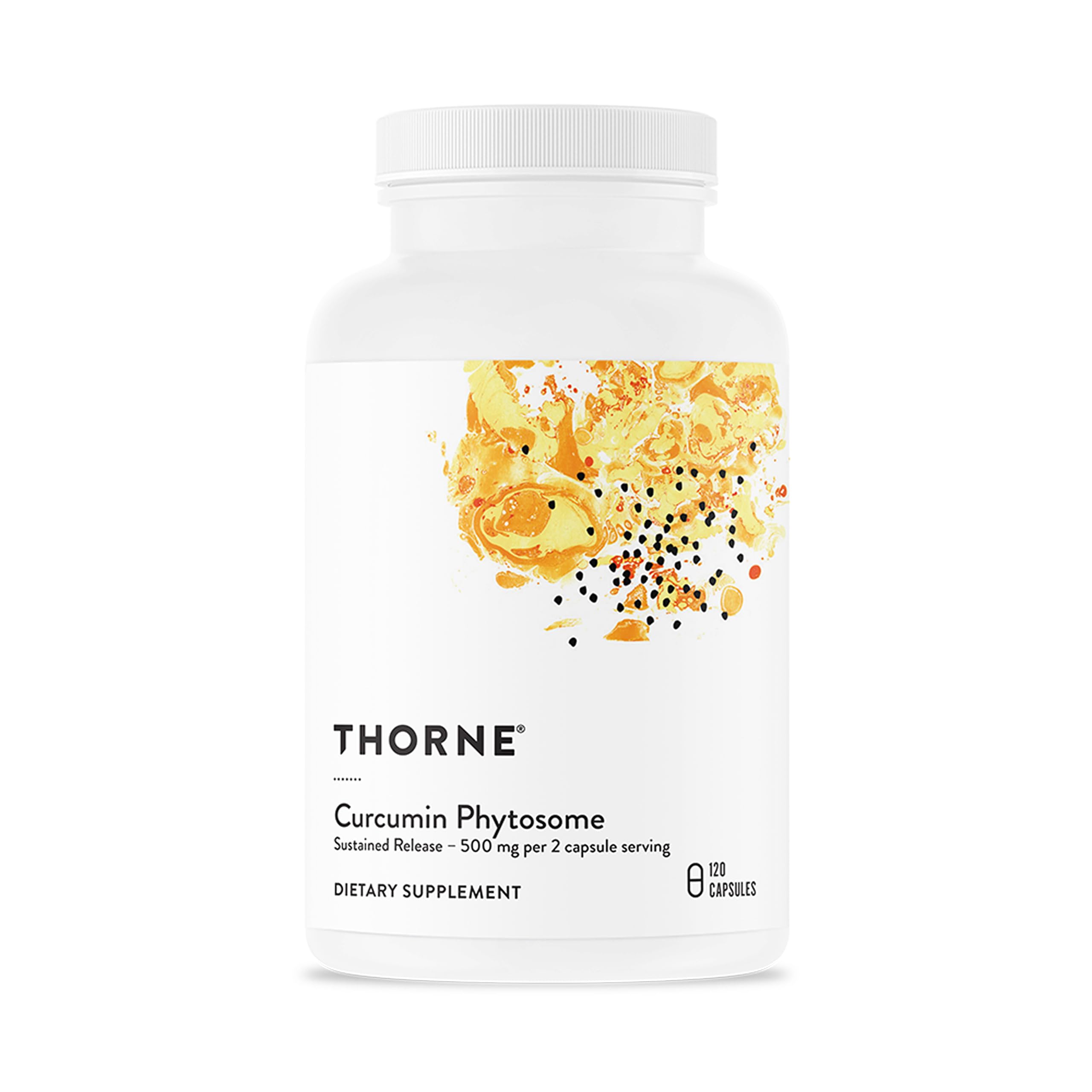
- Best overall: Curcumin phytosome (Meriva-type) 500 mg — enhanced absorption without black pepper; typically well-tolerated. Good for daily joint support.
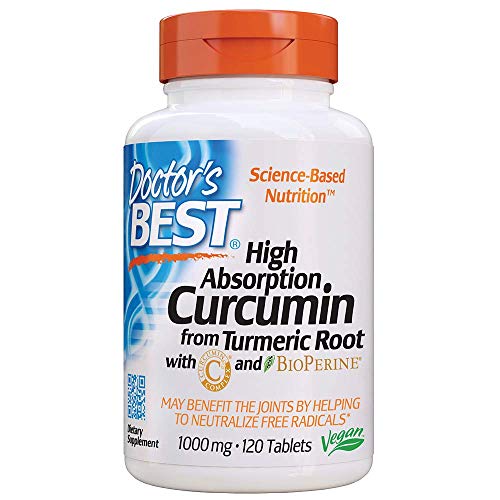
- Best with black pepper: 95% curcuminoids + piperine — budget-friendly and widely available; take with food to reduce GI upset.
- Best for sensitive stomachs: Full‑spectrum turmeric root + ginger — gentler on digestion; lower curcumin dose, better for maintenance.
- Best high‑potency complex: BCM‑95/Curcugreen curcumin — combines curcumin with turmeric essential oils for improved uptake.
- Best fast‑absorption: Liposomal curcumin softgels — emerging option for those who don’t tolerate pepper; evidence base is growing.
- Best liquid: Turmeric/curcumin drops (with piperine or phospholipids) — adjustable dosing; useful if you dislike pills.
- Best convenience: Turmeric gummies — easiest to take; typically lower dose; look for low sugar and clear curcuminoid content.
How we chose — ranking criteria and testing methodology
To keep this list evidence‑based and practical, we used the following criteria:
- Effective dose and form: Prioritized products delivering clinically relevant amounts of curcuminoids (often 500–1000 mg/day for extracts) or using absorption enhancers (piperine/bioperine, phytosomes, essential‑oil complexes, liposomal tech).
- Bioavailability: Curcumin is poorly absorbed on its own; we favored formulas with research‑backed strategies to improve uptake.
- Quality and third‑party testing: Preference for USP, NSF, Informed Choice, or equivalent testing; clear Certificates of Analysis (CoAs) and GMP compliance.
- Transparency: Labels that state curcuminoid content (not just “turmeric mg”), identify standardized extracts (e.g., 95% curcuminoids), and disclose piperine dose if used.
- Fewer unnecessary additives: Limited fillers, no artificial colors (e.g., titanium dioxide), allergen‑friendly when possible.
- Price per effective dose: We compared cost per 500–1000 mg of curcuminoids or equivalent enhanced‑bioavailability form.
- User experience: Capsule size, pill count per dose, vegetarian options, and reported tolerability.
- Evidence alignment: Products/formulations consistent with the clinical literature. Where evidence was limited or emerging, we note that clearly.
Full reviews: strengths, who it’s best for, cons, and price (7 products)
Note: Product archetypes below represent common, well‑supported formulations. Always verify the exact formula, dose, and testing of any brand you choose.
1) Curcumin Phytosome (Meriva‑type) 500 mg (Best overall)
- What it is: Curcumin bound to phospholipids to improve absorption, typically delivering 500 mg curcumin phytosome per capsule.
- Strengths: Research suggests phytosomal curcumin is more bioavailable than plain powder; usually pepper‑free and gentler on the stomach; often requires fewer capsules for an effective daily dose.
- Who it’s best for: People seeking once‑ or twice‑daily dosing without black pepper. Commonly chosen for joint comfort and active lifestyles.
- Potential cons: Can be pricier per dose than plain curcumin with piperine; verify actual curcuminoid equivalence on labels.
- Typical price range: Mid to premium per 30‑ to 60‑serving bottle.
- Try it: Many people find Curcumin Phytosome 500 mg convenient for daily use. Choose brands with third‑party testing.
2) 95% Curcuminoids + Piperine (Best budget pick)
- What it is: Standardized curcumin extract (e.g., 500 mg providing ~475 mg curcuminoids) plus black pepper extract (often 5–20 mg piperine) to enhance uptake.
- Strengths: Cost‑effective; widely available; label transparency is often good (curcuminoid and piperine amounts listed).
- Who it’s best for: Value shoppers; those comfortable taking with meals to minimize GI discomfort.
- Potential cons: Piperine can interact with certain medications; can cause heartburn for some; quality varies—seek validated testing.
- Typical price range: Budget to mid.
3) Full‑Spectrum Turmeric Root + Ginger (Best for sensitive stomachs)
- What it is: Whole turmeric root powder (not just curcumin) often paired with ginger; sometimes includes a modest piperine dose.
- Strengths: Traditionally used in Ayurveda and Traditional Chinese Medicine for digestive comfort; gentler feel; offers the broader matrix of turmeric compounds beyond curcumin alone.
- Who it’s best for: People prioritizing traditional use and overall digestive friendliness over maximum curcumin potency.
- Potential cons: Lower curcumin content per capsule; effects may be subtler; may require multiple capsules per day.
- Typical price range: Budget to mid.
- Consider: Some prefer Turmeric + Ginger Capsules for everyday wellness; confirm actual curcuminoid content if that’s your goal.
4) BCM‑95/Curcugreen Curcumin Complex (Best high‑potency complex)
- What it is: Curcumin combined with turmeric essential oils to enhance absorption and retention.
- Strengths: Research indicates improved bioavailability compared with plain curcumin; pepper‑free; typically standardized and consistent.
- Who it’s best for: Users seeking a well‑studied, pepper‑free absorption strategy.
- Potential cons: Premium pricing; verify standardized content and third‑party testing.
- Typical price range: Mid to premium.
5) Liposomal Curcumin Softgels (Best fast‑absorption option)
- What it is: Curcumin encapsulated in phospholipid “bubbles” (liposomes) intended to improve uptake.
- Strengths: Emerging evidence suggests liposomal delivery can enhance absorption; typically easy to swallow; pepper‑free.
- Who it’s best for: Those who don’t tolerate piperine or prefer a novel delivery system.
- Potential cons: Evidence base is still growing; products vary widely; often more expensive.
- Typical price range: Premium.
- Try it: Liposomal Curcumin Softgels appeal to people who want pepper‑free absorption; seek robust testing.
6) Liquid Turmeric/Curcumin Drops (Best customizable dosing)
- What it is: Liquid extracts of turmeric/curcumin with piperine or phospholipids; allows titrating dose by dropper.
- Strengths: Good for pill fatigue; adjustable dosing for sensitive users; can mix with smoothies; fast to take.
- Who it’s best for: People who dislike capsules; those experimenting with lower starting doses.
- Potential cons: Taste; variable curcuminoid content—read labels carefully; may include alcohol or sweeteners.
- Typical price range: Mid.
7) Turmeric Gummies (Best convenience)
- What it is: Chewable gummies containing turmeric extract, often with ginger and/or piperine; typically lower dose per serving.
- Strengths: Highly convenient and travel‑friendly; easiest adherence for some.
- Who it’s best for: Beginners or those focused on routine rather than maximum potency.
- Potential cons: Lower curcuminoid content; added sugars; may require several gummies to approach effective dosing.
- Typical price range: Budget to mid.
What to look for: curcumin concentration, bioavailability, third‑party testing, and fillers
- Curcumin concentration: For potency, look for standardized extracts (e.g., “95% curcuminoids”). Whole turmeric powder offers traditional breadth but contains far less curcumin by weight.
- Bioavailability boosters: Because curcumin is poorly absorbed, research supports strategies like piperine (black pepper extract), phospholipid complexes (phytosomes), essential‑oil complexes (e.g., BCM‑95/Curcugreen), and liposomal delivery. Each has pros/cons in cost and tolerability.
- Transparent labels: You should see exact curcuminoid mg per serving, not just “turmeric mg.” If black pepper is used, the piperine dose should be listed.
- Third‑party testing: Prefer products with USP, NSF, Informed Choice, or comparable independent testing to verify purity, potency, and heavy metals.
- Sensible excipients: Avoid unnecessary artificial colors (e.g., titanium dioxide). Common flow agents like magnesium stearate are generally recognized as safe but shouldn’t dominate the formula. Allergen‑friendly and vegan capsules are a plus if relevant.
- Company standards: Look for cGMP facilities, lot‑specific CoAs, and responsive customer service.
For a deeper dive into benefits and how to choose a formula, see our evidence‑based guide: Turmeric Supplement Benefits: Evidence-Based Guide + How to Choose.
Dosage, timing, and evidence: effective doses, absorption tips, and summary of clinical evidence
- Common studied doses: Many clinical trials use 500–1500 mg/day of curcuminoids (from standardized extracts), often divided twice daily. Enhanced‑absorption forms may use lower nominal mg because more is absorbed—follow the specific product’s evidence and directions.
- With meals and fat: Take curcumin with food that contains some fat (e.g., olive oil, avocado) to support absorption. If your formula includes piperine, a meal can also reduce GI upset.
- Divide the dose: Splitting into morning and evening can improve comfort and steady exposure.
- Start low: If you’re new or sensitive, begin with half the suggested serving for a week, then increase as tolerated.
What the Research Says
Evidence level varies by outcome. Here’s how it stacks up, based on systematic reviews, randomized controlled trials (RCTs), and traditional use:
- Joint comfort in osteoarthritis — Evidence level: strong
- Multiple RCTs and meta‑analyses indicate curcumin may modestly improve pain and function compared with placebo, sometimes comparable to NSAIDs in select studies, with fewer GI side effects. Not a cure, but a reasonable adjunct for many.
- Systemic inflammation markers (e.g., CRP) — Evidence level: moderate
- Meta‑analyses suggest small but significant reductions in inflammatory markers in various populations, though heterogeneity is high.
- Metabolic health (lipids, blood sugar) — Evidence level: emerging to moderate
- Some trials show improvements in triglycerides, LDL, or fasting glucose/insulin resistance, but findings are mixed and population‑dependent.
- Digestive support and IBD adjuncts — Evidence level: emerging
- Preliminary RCTs and pilot studies suggest potential benefits as adjunct therapy for conditions like ulcerative colitis; more robust data are needed. Traditional systems have long used turmeric for digestion and liver support.
- Mood and cognitive support — Evidence level: emerging
- Early trials indicate possible mood benefits and cognitive support, but sample sizes are small and formulations vary.
For context on how turmeric compares with other options for discomfort, see Natural Pain Relief Supplements: An Evidence‑Based Comparison and Herbal Treatments for Inflammation: Evidence‑Based Guide to Turmeric, Boswellia, Ginger & More.
Safety, interactions, and who should avoid turmeric supplements
Turmeric and curcumin are generally well‑tolerated in clinical studies, but supplements concentrate actives beyond culinary exposure. Use thoughtfully and talk with your clinician, especially if you take medications or have health conditions.
- Common side effects: Mild GI upset, reflux/heartburn, nausea, headache, or dizziness in some. Starting low and taking with food can help.
- Rare events: Emerging case reports suggest rare liver injury may occur, particularly with high‑bioavailability formulations or multi‑ingredient blends. Discontinue and seek care if you notice jaundice, dark urine, or unusual fatigue.
- Gallbladder issues: Curcumin can increase bile flow. Avoid or use only under medical supervision if you have gallstones or bile duct obstruction.
- Kidney stones: Turmeric powder is high in oxalates; high intake may increase stone risk in susceptible individuals. Curcumin extracts may contain less oxalate, but caution is prudent if you have a history of calcium‑oxalate stones.
- Iron: Turmeric may inhibit iron absorption; separate from iron supplements and monitor if iron‑deficient.
- Surgery: Because of potential effects on platelets, consider pausing 1–2 weeks before elective procedures (with your surgeon’s guidance).
- Pregnancy and breastfeeding: Culinary amounts are generally considered safe, but concentrated supplements are not well studied and are often avoided during pregnancy and lactation unless prescribed by a clinician.
Drug interactions to discuss with your clinician:
- Blood thinners and antiplatelets (e.g., warfarin, apixaban, clopidogrel): Theoretical increased bleeding risk; monitor closely or avoid. See our detailed guide: Turmeric and Blood Thinners: Risks, Evidence, and Safe Use.
- Diabetes medications: May add to glucose‑lowering effects; monitor blood sugar.
- Proton pump inhibitors and antacids: May exacerbate reflux in some users.
- Chemotherapy and other narrow‑therapeutic‑index drugs: Curcumin and piperine can affect drug‑metabolizing enzymes/transporters; oncology patients should consult their team before use.
For more, see Does Turmeric Interact with Medications? Risks, Evidence & Safety Tips and our comprehensive safety overview: What Are the Side Effects of Turmeric? Risks, Interactions & Safety Tips.
FAQ: turmeric vs curcumin, long‑term use, how to tell a quality product
Is turmeric the same as curcumin?
- Turmeric is the whole root/spice. Curcumin is one of its key active compounds (part of “curcuminoids”). Supplements may contain whole turmeric, standardized curcuminoids, or both. For potency, standardized curcuminoids are used most in trials.
What’s the best turmeric supplement form?
- There isn’t a single best for everyone. People often choose either 95% curcuminoids with piperine (budget‑friendly) or an enhanced‑absorption form like phytosome or BCM‑95 (pepper‑free, gentler). The “best turmeric supplement” for you balances dose, absorption strategy, tolerability, testing, and price.
How long until I notice effects?
- For joint comfort, many trials evaluate outcomes at 4–12 weeks. Some people notice changes sooner; others need consistent use over months.
Can I take it long‑term?
- Research suggests many people tolerate curcumin for months to years, but long‑term safety data are less robust than short‑term. Use the lowest effective dose, monitor how you feel, and re‑evaluate with your clinician.
How can I spot a quality product quickly?
- Look for: standardized curcuminoid content, named absorption strategy (piperine dose specified or a branded complex), third‑party testing (USP/NSF/CoA), clear serving size, minimal unnecessary additives, and realistic claims.
Do I need black pepper with turmeric?
- Piperine can substantially increase absorption of plain curcumin, but it may interact with medications. Pepper‑free enhanced forms (phytosome, BCM‑95, liposomal) are good alternatives.
Is cooking with turmeric enough?
- Culinary turmeric supports overall dietary patterns, especially with fat and pepper, but typical food amounts provide far less curcumin than research doses. Supplements can provide standardized, consistent amounts when appropriate.
References & trusted sources
This article reflects a synthesis of peer‑reviewed research and traditional use. Selected resources our editors consult include:
- National Center for Complementary and Integrative Health (NCCIH): Overviews on turmeric/curcumin and safety
- Systematic reviews and randomized controlled trials on curcumin for osteoarthritis pain and function, inflammatory biomarkers, metabolic outcomes, and digestive conditions (various journals)
- Pharmacokinetic studies on curcumin bioavailability strategies (piperine, phytosomes, essential‑oil complexes, liposomal formulations)
- United States Pharmacopeia (USP) and NSF International: Supplement quality and testing standards
- World Health Organization (WHO) monographs and traditional medicine references on turmeric use
You can also explore our in‑depth primer on turmeric science and selection: Turmeric Benefits: Evidence-Based Guide to Uses, Dosage & Safety.
Practical takeaways
- Choose a form that matches your needs: budget (95% curcuminoids + piperine), gentle/pepper‑free (phytosome or BCM‑95), or convenience (gummies/liquids).
- Aim for evidence‑aligned dosing: many people use 500–1000 mg/day of curcuminoids, with an absorption aid, taken with meals.
- Insist on third‑party testing and clear labels listing curcuminoid content and piperine dose (if included).
- Monitor for side effects, interactions, and rare liver issues; discuss use with your clinician, especially if pregnant, on medications, or managing chronic conditions.
Disclaimer: This information is for educational purposes and is not a substitute for professional medical advice. Always consult your healthcare provider before starting any new supplement.