Herbal Treatments for Inflammation: Evidence‑Based Guide to Turmeric, Boswellia, Ginger & More
Which herbs help inflammation? Evidence on turmeric, boswellia, ginger, willow bark and more, plus dosing, safety, interactions, and how to use them.
·12 min read
This content is for informational purposes only and does not constitute medical advice. Always consult a qualified healthcare provider before starting, stopping, or changing any supplement or medication regimen.
If you’re exploring herbal treatments for inflammation, you’re likely looking for options that can reduce pain and swelling without the side effects of long-term NSAID use. Research suggests several herbs and plant compounds may help, especially for osteoarthritis and musculoskeletal pain. This guide reviews what the evidence shows, how these herbs work, safety and interaction considerations, and how to integrate them with conventional care.
Inflammation 101: What It Is and When Herbs Fit In
Inflammation is the immune system’s response to injury or perceived threat.
Acute inflammation: Short-term, helpful process after injury or infection (redness, heat, swelling, pain). The goal is tissue repair and pathogen control.
Chronic inflammation: Low-grade, persistent activation that can damage tissues. It contributes to conditions like osteoarthritis (OA), rheumatoid arthritis (RA), inflammatory bowel disease (IBD), cardiovascular disease, and “metabolic inflammation” in obesity and type 2 diabetes.
Therapeutic goals are to reduce pain and swelling, protect joint and tissue function, and address root drivers (mechanical stress, autoimmunity, diet, sleep, stress). Herbal treatments for inflammation can be appropriate for:
Mild to moderate OA or back/neck pain
Adjunct support in RA or IBD alongside prescribed medications
Episodes of tendonitis, sprains, or post-exercise soreness
Metabolic inflammation as part of a broader lifestyle plan
Herbs are insufficient alone when there are red flags (fever, rapidly worsening swelling, inability to bear weight, new neurologic deficits), severe autoimmune disease without disease‑modifying therapy, GI bleeding, or suspected infection. Seek medical care in these scenarios.
What the Research Says: Herbal treatments for inflammation
Below are evidence-based profiles of widely used anti‑inflammatory herbs and natural compounds. For each, you’ll see active constituents and mechanisms, typical study dosing, and a brief research readout. Evidence levels: strong (multiple RCTs/meta‑analyses), moderate (limited RCTs/observational), emerging (preliminary/human pilot data), traditional (historical use).
Key constituents & mechanisms: Curcuminoids (notably curcumin) inhibit NF‑κB and COX‑2 and modulate cytokines like TNF‑α and IL‑6. Bioavailability enhancers (piperine, phospholipid “phytosome” forms) improve absorption.
Forms & dosing used in studies: Standardized extracts providing ~500–1,500 mg/day total curcuminoids, often split doses, taken with black pepper extract (piperine) or as a phytosome formulation. Culinary turmeric is safe but far less concentrated.
What the research says: Multiple meta‑analyses of randomized trials suggest curcumin modestly reduces OA pain and improves function compared with placebo, with effects similar to low‑dose NSAIDs for some participants and fewer GI side effects. Small trials indicate reduced C‑reactive protein (CRP) and benefits as an adjunct in ulcerative colitis when combined with mesalamine. Evidence for RA is promising but limited.
Evidence level: Strong for OA symptoms; moderate for metabolic markers and ulcerative colitis adjunct use; emerging for RA.
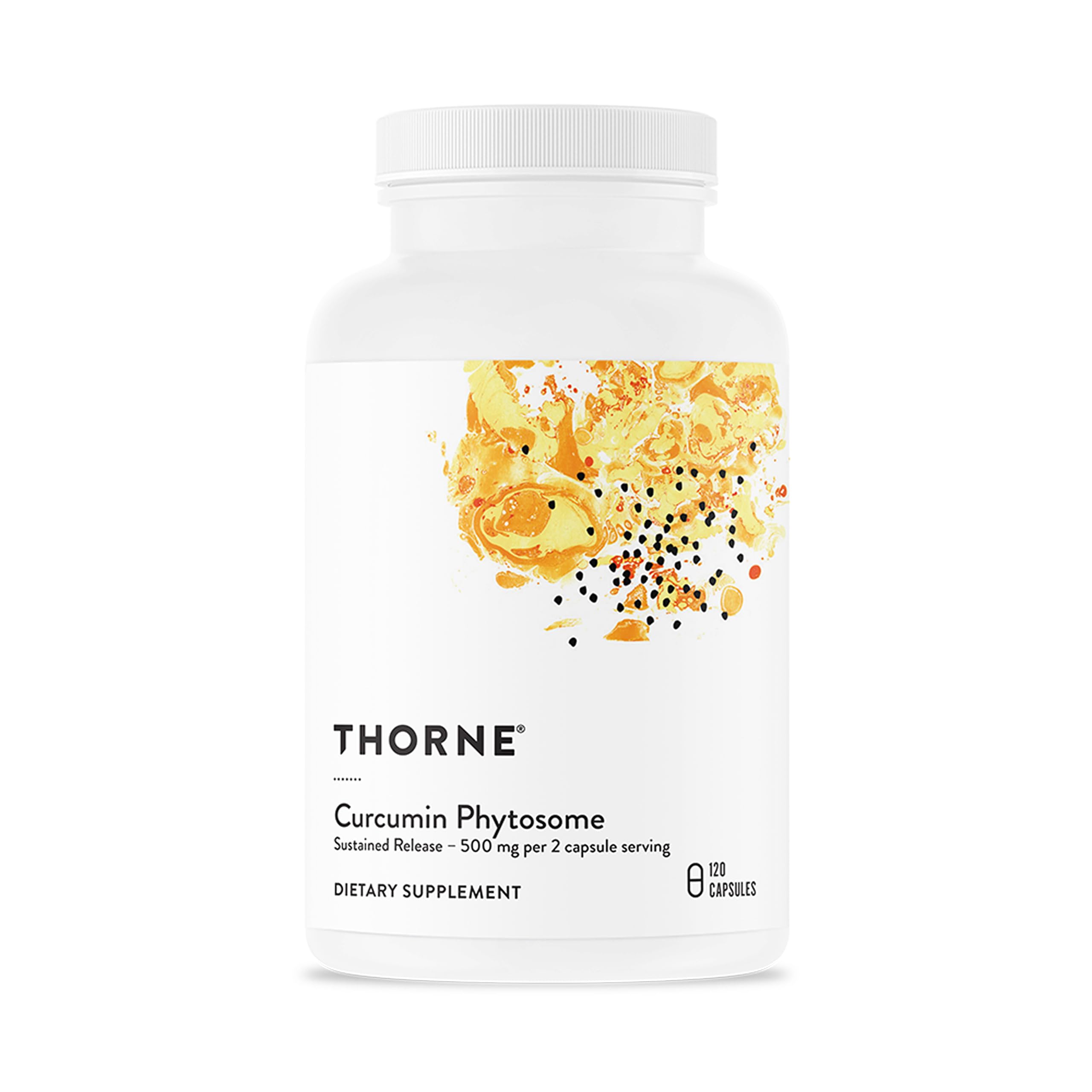
Many people find a high‑bioavailability curcumin phytosome High‑Bioavailability Curcumin Phytosome convenient for consistent dosing. Choose products with clear curcuminoid content and a bioavailability enhancer.
Ginger (Zingiber officinale)
Key constituents & mechanisms: Gingerols and shogaols inhibit COX and LOX pathways and may reduce inflammatory signaling.
Forms & dosing used in studies: 500–1,000 mg/day of standardized extract, or 1–2 g/day dried powdered root; often in divided doses with meals.
What the research says: Meta‑analyses of RCTs show small-to-moderate reductions in OA pain and disability vs placebo. Benefits for muscle soreness are mixed but suggest a small effect. GI upset is the most common side effect.
Evidence level: Moderate for OA symptoms; emerging for exercise‑related soreness.
Key constituents & mechanisms: Boswellic acids, especially AKBA (acetyl‑11‑keto‑β‑boswellic acid), inhibit 5‑LOX and leukotriene synthesis; may also reduce MMPs that degrade cartilage.
Forms & dosing used in studies: 300–500 mg of extract standardized to ~30–40% boswellic acids, 2–3 times daily; or formulas standardized to 20–30% AKBA totaling ~100–250 mg AKBA/day.
What the research says: Systematic reviews of RCTs report improvements in OA pain and function vs placebo. Small trials in ulcerative colitis suggest benefit as adjunct therapy, though larger, modern studies are needed.
Evidence level: Moderate for OA; emerging to moderate for ulcerative colitis adjunct use.
A third‑party tested extract with declared boswellic acid or AKBA content, such as Third‑Party Tested Boswellia Extract, is worth considering for dose reliability.
Willow Bark (Salix spp.)
Key constituents & mechanisms: Salicin is metabolized to salicylic acid (aspirin‑like), reducing prostaglandin synthesis.
Forms & dosing used in studies: Standardized extracts providing 120–240 mg/day salicin.
What the research says: RCTs suggest reductions in low back pain and OA pain vs placebo. Effects are generally smaller than full‑dose NSAIDs but better tolerated by some.
Evidence level: Moderate for musculoskeletal pain (OA, low back pain).
Key cautions: Salicylate allergy, concurrent NSAIDs/anticoagulants, peptic ulcer disease, kidney disease, and use in children with viral illness (Reye’s syndrome risk).
Devil’s Claw (Harpagophytum procumbens)
Key constituents & mechanisms: Harpagoside and related iridoid glycosides may inhibit COX‑2 and TNF‑α.
Forms & dosing used in studies: Extracts standardized to deliver ~50–100 mg/day harpagoside (often 600–1,200 mg extract/day depending on standardization).
What the research says: Several RCTs and reviews report improvements in chronic low back pain and OA symptoms vs placebo, with generally good tolerability.
Evidence level: Moderate for low back pain and OA.
Green Tea / EGCG (Camellia sinensis)
Key constituents & mechanisms: Catechins, especially EGCG, downregulate NF‑κB and oxidative stress; may modulate T‑cell activity.
Forms & dosing used in studies: Tea (2–4 cups/day) or decaffeinated extracts providing ~150–400 mg/day EGCG (higher doses used in some trials but raise liver safety concerns). Take with food.
What the research says: Human trials show small reductions in CRP and other inflammatory markers; limited but suggestive data in RA as an adjunct to standard therapy.
Evidence level: Emerging to moderate for systemic inflammatory markers; emerging for RA adjunct use.
Bromelain (Ananas comosus)
Key constituents & mechanisms: A mixture of proteolytic enzymes that may reduce inflammatory mediators, edema, and fibrin by promoting proteolysis.
Forms & dosing used in studies: 300–600 mg, 2–3 times daily between meals; activity noted in GDU or MCU (look for standardized potency, e.g., 2,400 GDU/g).
What the research says: Mixed evidence for OA; some trials support benefits for soft‑tissue swelling, post‑operative inflammation, and sinusitis.
Evidence level: Emerging for musculoskeletal pain; moderate for sinusitis and post‑operative swelling.
Cat’s Claw (Uncaria tomentosa)
Key constituents & mechanisms: Pentacyclic oxindole alkaloids (POAs) may inhibit TNF‑α and modulate NF‑κB.
Forms & dosing used in studies: 250–350 mg/day standardized extract (POA‑rich), sometimes as adjunct therapy.
What the research says: Small RCTs in RA show reductions in tender and painful joints when added to standard medications. Evidence base remains limited.
Evidence level: Emerging for RA adjunct use.
Topical Calendula and Aromatics
Key constituents & mechanisms: Calendula (Calendula officinalis) contains triterpenoids and flavonoids with anti‑inflammatory and wound‑healing actions. Essential oils like wintergreen (methyl salicylate) and peppermint (menthol) provide local counter‑irritant and analgesic effects.
Forms & dosing used in studies: Calendula creams/ointments 2–5% applied 2–4 times daily; essential oils diluted to 1–3% in a carrier oil for localized application.
What the research says: Human evidence supports calendula for skin inflammation and wound care; controlled data for joint pain is limited. Topical menthol can provide short‑term analgesia; methyl salicylate acts like a topical salicylate (aspirin‑like) and should be used cautiously.
Evidence level: Traditional to emerging for musculoskeletal pain; moderate for dermatologic inflammation.
CBD (Cannabidiol)
Key constituents & mechanisms: CBD acts on the endocannabinoid system (CB2 modulation), TRP channels, and inflammatory cytokines.
Forms & dosing used in studies: Wide variability. Oral starting ranges often 10–50 mg/day; topical preparations vary (e.g., 5–20 mg/mL). Look for products with Certificates of Analysis (COAs) confirming CBD content and contaminant testing.
What the research says: High‑quality evidence supports CBD for certain seizure disorders. For arthritis or generalized inflammatory pain, human data are mixed and still developing; small studies suggest possible benefit, particularly with topical use, but robust RCTs are limited.
Evidence level: Emerging for pain/inflammation.
People who prefer topical options sometimes consider a third‑party tested cream or balm such as CBD Topical with COA for targeted application. Avoid products without transparent lab reports.
Safety, Interactions, and Quality Considerations
Most herbs are well tolerated, but they can interact with medications and aren’t right for everyone.
Common side effects
Turmeric/curcumin: GI upset, reflux; rare gallbladder discomfort; high‑oxalate turmeric may raise kidney stone risk in predisposed individuals.
Ginger: Heartburn, GI upset; may promote bile flow—caution with gallstones.
Boswellia: GI upset, headache; rare liver enzyme elevations reported.
Willow bark: GI irritation; allergic reactions in salicylate‑sensitive individuals.
Devil’s claw: GI upset; theoretical effects on blood pressure or blood sugar.
Green tea/EGCG: Insomnia/anxiety (caffeine in tea); high‑dose extracts have rare liver toxicity—use with food and avoid very high doses.
Bromelain: GI upset; allergic reactions (especially if pineapple‑allergic).
Cat’s claw: GI upset; theoretical immunomodulation—avoid in transplant recipients.
Calendula/EOs: Skin irritation or allergy (Asteraceae family); essential oils must be diluted.
Pregnancy/breastfeeding: Avoid high‑dose turmeric/curcumin supplements, willow bark, devil’s claw, cat’s claw, and CBD due to limited safety data; ginger in culinary amounts is generally considered safe but discuss supplement doses with your clinician.
Bleeding risk: Avoid or use caution with willow bark, high‑dose ginger or turmeric, bromelain, and CBD if you use anticoagulants/antiplatelets or have bleeding disorders.
Ulcers/kidney/liver disease: Avoid willow bark in peptic ulcer or kidney disease; use green tea extracts and CBD cautiously if you have liver disease (monitor enzymes).
Autoimmune disease or immunosuppression: Cat’s claw and other immunomodulators may not be appropriate with immunosuppressant drugs; coordinate with your specialist.
Clinically important herb–drug interactions (not exhaustive)
NSAIDs: Willow bark is aspirin‑like—avoid duplication; watch GI risk.
Immunosuppressants (e.g., post‑transplant): Avoid cat’s claw; discuss boswellia and others with your team.
CYP450 interactions: CBD can raise levels of drugs metabolized by CYP3A4/2C19 (e.g., warfarin, clobazam); green tea catechins can affect certain drugs and reduce non‑heme iron absorption.
Antibiotics: Bromelain may increase absorption of some antibiotics (amoxicillin, tetracyclines)—monitor tolerance.
Look for standardization markers: curcuminoids (%) and presence of piperine or phytosome; boswellic acids % and AKBA content; gingerols %; willow bark salicin (mg); devil’s claw harpagoside (mg); green tea EGCG % and caffeine level; bromelain enzyme activity (GDU/MCU); cat’s claw POA profile; CBD mg per serving with third‑party COA.
Third‑party testing: Prefer brands with USP, NSF, Informed‑Choice, or ConsumerLab verification, or a recent COA from an ISO‑17025 accredited lab.
Contaminants: Ensure testing for heavy metals, pesticides, solvent residues, and, for CBD, THC content and microbial safety.
Consistency: Choose brands that disclose lot numbers, expiration dates, and extraction methods.
Clinical Application and Integration
How to match herbs—or combinations—with common inflammatory conditions, along with realistic timelines and integration tips.
Osteoarthritis (knee/hip/hand)
Best‑supported herbs: Turmeric/curcumin, boswellia, ginger; willow bark or devil’s claw as options if NSAIDs aren’t tolerated.
Combinations: Curcumin + boswellia appears complementary (COX/LOX and cytokine pathways). Add topical menthol for short‑term relief.
Timelines: Expect 2–4 weeks for initial changes; maximal effects by 8–12 weeks. Aim for modest pain reduction and improved function.
Low back pain and neck pain
Options: Devil’s claw and willow bark have RCT support; consider ginger or boswellia as adjuncts.
Timelines: 1–3 weeks for perceived benefit.
Rheumatoid arthritis (adjunct use only)
Options: Curcumin and cat’s claw show adjunct benefits in small trials; green tea/EGCG for systemic markers.
Caveats: Do not replace DMARDs or biologics. Coordinate with your rheumatologist; monitor disease activity, CRP/ESR.
Inflammatory bowel disease (adjunct use only)
Options: Curcumin with mesalamine for ulcerative colitis has supportive RCTs; boswellia shows promise but needs more data.
Caveats: Discuss with your GI team; avoid starting new supplements during severe flares; monitor stool calprotectin and symptoms.
Tendinopathies, sprains, post‑exercise soreness
Options: Bromelain between meals for swelling; topical menthol or methyl salicylate for short‑term relief; ginger for soreness (evidence mixed).
Metabolic inflammation (overlap with cardiometabolic risk)
Options: Curcumin and green tea/EGCG may modestly lower CRP and improve metabolic markers when paired with diet and exercise.
Lifestyle anchors: Mediterranean‑style eating pattern, adequate protein, sleep, and resistance/aerobic training are foundational. Omega‑3s from fatty fish or supplements can also support a healthy inflammatory balance; see Fish Oil (Omega-3).
Combining with medications
Work with your clinician to check for interactions, especially with anticoagulants, immunosuppressants, and hepatically metabolized drugs.
Start low, go slow: Introduce one herb at a time for 2–4 weeks; track response.
Track pain (0–10 scale), morning stiffness, function (e.g., walking distance, stairs), and need for rescue meds.
Lab markers when appropriate: CRP/ESR for systemic inflammation; stool calprotectin for IBD; liver enzymes if using green tea extract or CBD; INR if on warfarin and adding CBD/high‑dose ginger or turmeric.
Red flags needing medical evaluation: Rapidly worsening joint swelling, fevers/chills, new neurologic deficits, GI bleeding or black stools, unintended weight loss, night pain that doesn’t improve with rest.
Putting it together: sample approaches
OA knee: Curcumin phytosome (500–1,000 mg/day curcuminoids) + boswellia (300–500 mg, 2–3×/day) for 8–12 weeks; consider adding ginger (500 mg, 2×/day) if tolerated. Use topical menthol before activity.
Chronic low back pain: Devil’s claw (delivering ~50–100 mg/day harpagoside) or willow bark (120–240 mg/day salicin) with monitoring for GI/bleeding risk.
RA adjunct: Curcumin (500–1,000 mg/day curcuminoids) and, if appropriate, cat’s claw (250–350 mg/day POA‑standardized), coordinated with your rheumatologist.
The best‑supported herbal treatments for inflammation—especially OA pain—are curcumin, boswellia, and ginger. Willow bark and devil’s claw are reasonable options for back pain and OA if you can’t tolerate NSAIDs.
For autoimmune or GI inflammatory conditions, herbs work best as adjuncts to standard therapies, not replacements.
Expect gradual benefits over weeks, not days; track your pain and function, and watch for interactions.
Quality matters: choose standardized, third‑party tested products with transparent dosing of active constituents.
Always coordinate with your healthcare team if you take prescription medications or have chronic conditions.
Disclaimer
This article is for educational purposes and should not replace personalized medical advice. Discuss any new supplement with your healthcare professional, especially if you are pregnant, breastfeeding, managing a chronic condition, or taking prescription medications.
This content is for informational purposes only and does not constitute medical advice. Always consult a qualified healthcare provider before starting, stopping, or changing any supplement or medication regimen.
Natural Remedies for Inflammation: Evidence‑Based Guide. If you’re dealing with sore joints, gut flare‑ups, or a vague sense of feeling “inflamed,” you’re not alone. Many readers ask about natural remedies for inflammation—what actually works, how to use them safely, and which lifestyle shifts matter most. This guide blends western research with time‑test
Natural Treatments for Chronic Pain: An Evidence‑Based Guide to Herbs, Supplements, and Integrative Therapies. If you live with persistent pain, you may be searching for natural treatments for chronic pain that actually help without heavy side effects. Research suggests that an integrative plan—combining targeted herbs and supplements, movement, hands‑on therapies, and mind–body strategies—can reduce pain in
Natural Pain Relief Supplements: An Evidence‑Based Comparison (Turmeric, Boswellia, Fish Oil, CBD & More). Many people search for a natural pain relief supplements comparison because they want options beyond NSAIDs or opioids—ideally with fewer side effects. This guide compares leading supplements head‑to‑head on mechanisms, best uses, dosing, safety, interactions, and how to choose what to try first.
N
Top Natural Pain Relief Methods: An Evidence‑Based Guide to Herbs, Supplements, and Therapies. If you’re searching for top natural pain relief methods, you’re not alone. Many people want options that reduce discomfort while minimizing side effects from long‑term medication use. This guide blends western research with eastern and traditional practices, clearly noting what’s well‑supported, wha
Natural Pain Relief Supplements: Evidence‑Based Options, Dosage & Safety. If you’re searching for natural pain relief supplements, you’re likely weighing which options actually work, how to take them safely, and what to expect. Research suggests certain herbs, nutrients, and topical compounds can modestly reduce pain—especially for osteoarthritis, low back pain, headaches
Non‑Invasive Treatments for Pain Relief: An Evidence‑Based Guide. If you’re looking for non-invasive treatments for pain relief, you’re not alone. Many people want options that don’t involve surgery or long-term opioid use. This guide bridges western evidence and time‑tested eastern practices to help you understand what works, for which conditions, and how to use