Natural Remedies for Inflammation: Evidence‑Based Guide
Learn natural remedies for inflammation—what works, safe use of supplements, and diet & lifestyle tips, all backed by research.
·12 min read
This content is for informational purposes only and does not constitute medical advice. Always consult a qualified healthcare provider before starting, stopping, or changing any supplement or medication regimen.
If you’re dealing with sore joints, gut flare‑ups, or a vague sense of feeling “inflamed,” you’re not alone. Many readers ask about natural remedies for inflammation—what actually works, how to use them safely, and which lifestyle shifts matter most. This guide blends western research with time‑tested traditions so you can make informed, practical choices.
What is inflammation? Acute vs. chronic and why it matters
Inflammation is your body’s protective response to injury, infection, or irritation. In the short term (acute), it’s helpful: immune cells rush in, clear debris, and start repair. You notice redness, heat, swelling, and pain—then it resolves.
Chronic, low‑grade inflammation is different. It’s quieter and can simmer for months or years, often driven by factors like excess visceral fat, poor sleep, chronic stress, smoking, and ultra‑processed diets. Over time, this persistent activation can contribute to common conditions—osteoarthritis, cardiovascular disease, type 2 diabetes, inflammatory bowel disease, some skin disorders, and mood changes.
Common markers used in research include C‑reactive protein (CRP), interleukin‑6 (IL‑6), and tumor necrosis factor‑alpha (TNF‑α). You don’t need a lab test to start addressing lifestyle drivers, but these markers can help track progress in some cases.
What the Research Says (big picture)
Strong evidence: Omega‑3 fats for inflammatory joint pain (e.g., rheumatoid arthritis symptom improvement) (Gioxari 2018, meta‑analysis); Mediterranean‑style eating patterns (Schwingshackl & Hoffmann 2014, meta‑analysis); regular physical activity (Fedewa 2017, meta‑analysis); weight loss for people with overweight/obesity (Selvin 2007, meta‑analysis); smoking cessation; adequate sleep (Irwin 2016, meta‑analysis). Evidence level: strong overall, based on RCTs/meta‑analyses and large cohorts.
Moderate evidence: Turmeric/curcumin for osteoarthritis pain and function (Daily 2016, meta‑analysis); ginger for pain and inflammatory markers (Bartels 2015, meta‑analysis); probiotics for some gut‑related inflammation (Mazidi 2017, meta‑analysis on inflammatory biomarkers); green tea polyphenols on biomarkers (Samavat & Kurzer 2015, review of RCTs on risk markers); stress‑reduction practices (mindfulness, yoga) on systemic markers. Evidence level: moderate, with heterogeneity by population, dose, and formulation.
Emerging evidence: Boswellia for joint pain and function; bromelain for sinus and joint symptoms; specific probiotic strains for mood‑inflammation links. Evidence level: emerging, with smaller RCTs and preliminary findings.
Traditional use: Many anti‑inflammatory herbs have centuries of use in Ayurveda and Traditional Chinese Medicine (TCM); modern trials vary by herb and formulation. Evidence level: traditional/historical with variable modern validation.
Evidence ranges reflect the quality and consistency of randomized controlled trials (RCTs), meta‑analyses, and observational data. Individual responses vary, and combinations (diet + sleep + movement + select supplements) often work better than any single remedy.
Evidence‑based natural remedies for inflammation
Below are commonly used options, how they may work, what the research suggests, typical dosing ranges, and key safety notes. Consider discussing new supplements or major changes with a clinician if you take medications or have chronic conditions.
Turmeric/Curcumin
Curcumin, turmeric’s primary active compound, influences multiple inflammatory pathways, including inhibition of NF‑κB (a central “switch” for inflammation) and down‑regulation of COX‑2, TNF‑α, and IL‑6.
Evidence level: moderate, supported by multiple RCTs/meta‑analyses for osteoarthritis (e.g., Daily 2016).
What the research suggests: Multiple RCTs and meta‑analyses indicate curcumin can reduce osteoarthritis pain and improve function compared with placebo, with effects approaching NSAIDs in some trials when bioavailability‑enhanced forms are used. Effects on systemic markers (CRP) are modest but favorable in several studies (Daily 2016, J Med Food).
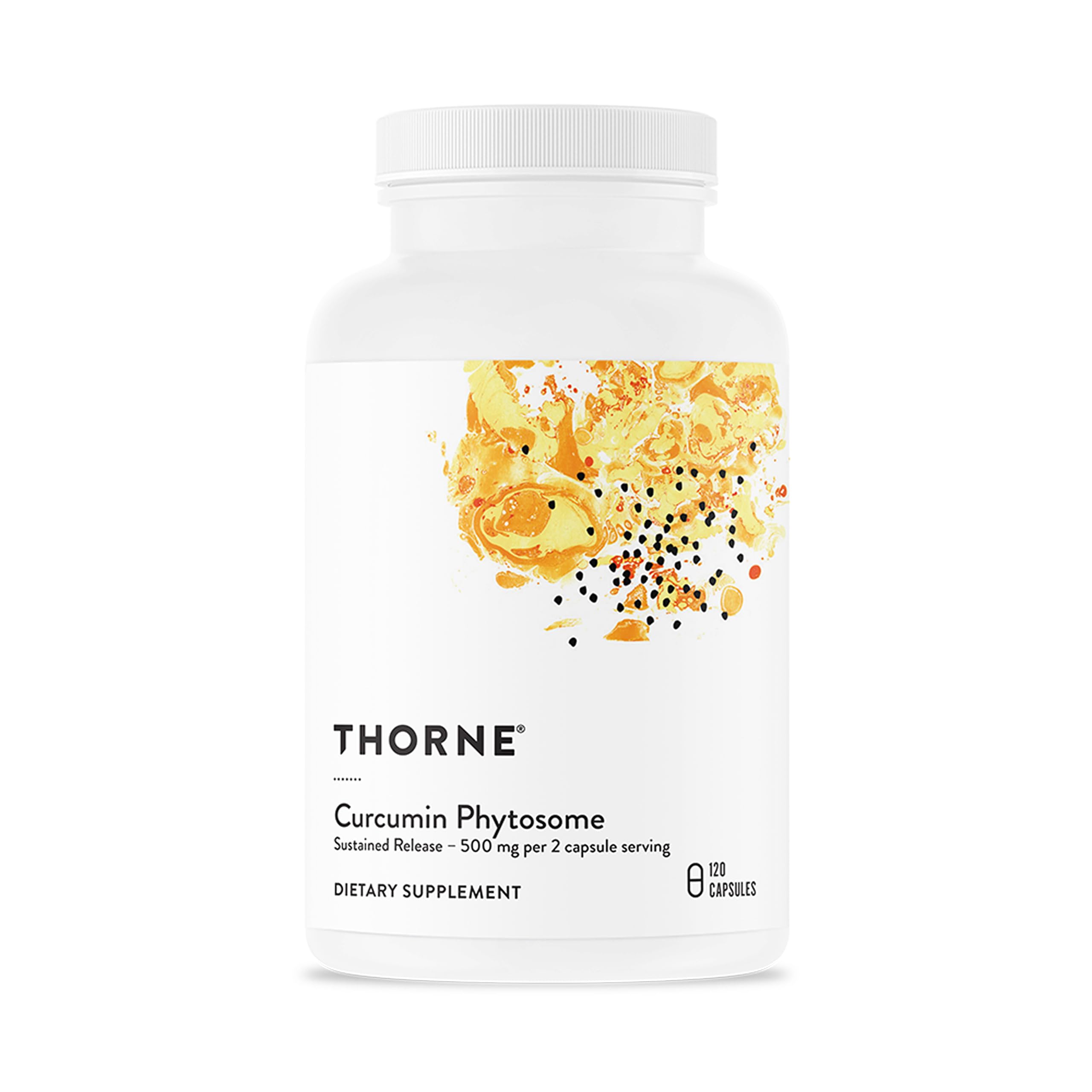
Typical dose: 500–1,000 mg/day of standardized curcumin extract (often 95% curcuminoids) with an absorption enhancer (piperine/black pepper) or as a phytosome/meriva formulation; often divided once or twice daily with food.
Safety notes: Potential interactions with blood thinners and antiplatelet drugs; can aggravate gallbladder issues; may raise urinary oxalate (caution if you have a kidney stone history). Selecting products with verified curcumin content and heavy‑metal testing can support quality. For procedures, many surgical teams ask patients to pause high‑dose herbal anti‑inflammatories 1–2 weeks beforehand; confirm timing with your surgeon.
Marine omega‑3s modulate eicosanoid production, shifting from pro‑inflammatory mediators derived from omega‑6 arachidonic acid toward less inflammatory resolvins and protectins. They also influence cell membrane fluidity and gene expression.
Evidence level: strong for inflammatory joint symptoms; moderate for systemic biomarkers depending on population (Gioxari 2018; Li 2014).
What the research suggests: Strong evidence supports omega‑3 supplements (fish oil) for reducing joint pain, morning stiffness, and NSAID use in inflammatory arthritis (Gioxari 2018, Nutrition). Effects on CRP/IL‑6 vary by population and dose but trend favorable in cardiometabolic settings (Li 2014, PLoS One). Dietary intake (fatty fish) consistently aligns with lower inflammation risk.
Typical dose: 1,000–3,000 mg/day combined EPA+DHA for anti‑inflammatory support. Lower starting amounts are often chosen—particularly if bruising occurs easily or anticoagulants are used—and can be reviewed with a clinician. Dietary fatty fish 2–3 times/week is commonly encouraged in heart‑healthy patterns.
Safety notes: Higher doses may increase bleeding tendency, especially with anticoagulants/antiplatelets; potential gastrointestinal upset; very high doses have been associated with a small increase in atrial fibrillation risk in some studies—people with AFib can discuss risks/benefits with their cardiology team.
Gingerols and shogaols in ginger inhibit COX and LOX pathways and reduce NF‑κB activation, offering pain and inflammation benefits.
Evidence level: moderate for osteoarthritis symptom relief; emerging for systemic biomarkers.
What the research suggests: RCTs and meta‑analyses suggest ginger can modestly reduce osteoarthritis pain and may lower CRP in certain groups. It’s also useful for nausea and digestive comfort (Bartels 2015, Osteoarthritis Cartilage).
Typical dose: 1–2 g/day of dried powdered ginger with meals, or 250–500 mg standardized extract 2–3 times daily; fresh ginger tea is a gentler culinary option.
Safety notes: Potential interactions with blood thinners and antiplatelet drugs; can cause heartburn at higher doses. Around surgeries, some clinicians advise pausing ginger 1–2 weeks beforehand; confirm with your surgical team.
Green tea catechins, especially EGCG, have antioxidant and anti‑inflammatory actions, including inhibition of NF‑κB and down‑regulation of inflammatory cytokines.
Evidence level: moderate for small improvements in inflammatory and metabolic markers with consistent intake.
What the research suggests: Trials and meta‑analyses report small but favorable reductions in inflammatory markers and improvements in metabolic parameters; benefits likely accrue with consistent intake over time (see Samavat & Kurzer 2015 for RCT summaries of risk markers).
Typical dose: 2–4 cups/day brewed green tea, or 250–500 mg/day EGCG from standardized extract (take with food; monitor for tolerability).
Safety notes: Rare liver toxicity has been reported with high‑dose extracts; can reduce iron absorption when consumed with meals; use caution with warfarin (vitamin K content/interaction case reports) and certain beta‑blockers.
Boswellia (Frankincense)
Boswellic acids—especially AKBA—appear to inhibit 5‑lipoxygenase (5‑LOX), reducing leukotrienes involved in chronic inflammation.
Evidence level: emerging to moderate for osteoarthritis symptoms, based on small RCTs.
What the research suggests: Small RCTs suggest improved pain and function in osteoarthritis with standardized extracts; evidence is promising but not as robust as for curcumin or omega‑3s.
Typical dose: 300–500 mg standardized extract (e.g., 65% boswellic acids or specified AKBA content) 2–3 times daily with meals.
Safety notes: Generally well tolerated; can cause mild GI upset; theoretical interaction with anti‑inflammatory/antiplatelet drugs—monitor with a clinician.
A proteolytic enzyme from pineapple stems, bromelain may reduce inflammatory mediators and fibrin, potentially improving tissue swelling and pain.
Evidence level: emerging for sinusitis, post‑surgical swelling, and osteoarthritis symptoms; data remain limited.
What the research suggests: Early and small trials support short‑term symptom relief in specific contexts; larger, higher‑quality studies are needed.
Typical dose: 200–400 mg standardized bromelain (measured in GDU or MCU activity) 2–3 times daily, preferably between meals for systemic effects.
Safety notes: Those with pineapple allergy or significant bleeding risk are often advised to avoid bromelain. It may increase absorption of some antibiotics. In the perioperative period, many surgical teams prefer pausing bromelain beforehand; discuss timing with your care team.
Probiotics
Gut microbes influence systemic inflammation through immune signaling, short‑chain fatty acid production, and gut barrier integrity.
Evidence level: moderate for modest reductions in inflammatory markers in some populations; stronger for certain GI conditions when strain‑specific.
What the research suggests: Meta‑analyses show modest reductions in CRP/IL‑6 in some populations; certain strains benefit IBS and ulcerative colitis adjunctively. Effects are strain‑ and condition‑specific (Mazidi 2017, Medicine (Baltimore)).
Typical dose: 1–10 billion CFU/day of Lactobacillus and Bifidobacterium combinations for general support; higher and targeted strains for specific GI conditions can be selected with clinician guidance.
Safety notes: Caution in severely immunocompromised individuals or those with central lines; gas/bloating can occur initially.
Anti‑inflammatory diets and foods to eat (and avoid)
Diet shapes the inflammatory milieu by altering gut microbes, glycemic swings, and fatty acid and polyphenol intake.
Mediterranean‑style pattern (strong evidence): Emphasizes vegetables, fruits, legumes, whole grains, nuts, extra‑virgin olive oil, herbs/spices, and regular fish; limited red/processed meat and sweets. Large trials associate it with lower CRP and improved cardiometabolic markers (Schwingshackl & Hoffmann 2014, meta‑analysis of RCTs). Evidence level: strong.
Fiber: Many adults work toward ~25–38 g/day. Fiber feeds beneficial gut bacteria that produce butyrate and other short‑chain fatty acids that calm inflammation. Evidence level: moderate (mechanistic and clinical data).
Healthy fats: Prioritize marine omega‑3s and monounsaturated fats (olive oil, avocado). Omega‑6 fats from whole foods (nuts, seeds) are generally compatible with healthy patterns; ultra‑processed, fried seed‑oil products are more problematic due to oxidation and additives. Evidence level: moderate.
Polyphenols: Green tea, berries, extra‑virgin olive oil, cocoa, colorful produce, and culinary herbs/spices (turmeric, ginger) provide compounds that modulate inflammatory signaling. Evidence level: moderate.
What to limit: Ultra‑processed foods (UPFs), refined grains, added sugars, sugar‑sweetened beverages, processed meats, trans fats, and frequent deep‑fried items. These are linked to higher CRP, weight gain, and metabolic stress. Evidence level: strong for overall risk reduction, moderate for direct biomarker change.
Cooking methods: Favor gentler methods (steaming, stewing, baking, sautéing) more often; very high‑temperature charring increases advanced glycation end products (AGEs), which may promote inflammation. Evidence level: emerging to moderate.
A practical plate: Half non‑starchy vegetables; one‑quarter protein (fish/legumes/poultry); one‑quarter intact whole grains or starchy vegetables; plus a drizzle of extra‑virgin olive oil and a side of fruit or fermented foods (yogurt/kefir, kimchi, sauerkraut) if tolerated.
Lifestyle strategies that reduce inflammation
Sleep (strong evidence): Most adults benefit from 7–9 hours. Sleep loss raises CRP and IL‑6 within days (Irwin 2016). Practical supports include regular bed/wake times, morning light, a cool/dark bedroom, and a caffeine cut‑off 8+ hours before bed.
Stress management (moderate evidence): Mindfulness, breathwork, tai chi, and yoga can lower perceived stress and modestly reduce inflammatory markers. Even brief daily practice may help if done consistently.
Physical activity (strong evidence): About 150 minutes/week of moderate aerobic activity plus two days/week of strength training is associated with better insulin sensitivity and lower systemic inflammation (Fedewa 2017). During flares, lower‑impact options—walking, cycling, swimming, yoga, Pilates—may feel more comfortable.
Weight loss when appropriate (strong evidence): A 5–10% weight reduction is associated with lower CRP and IL‑6 because visceral fat releases pro‑inflammatory cytokines (Selvin 2007).
Tobacco and alcohol: Avoiding smoking supports lower inflammatory burden; if alcohol is used, keeping intake modest aligns with lower risk profiles.
Sunlight and nature: Safe sunlight exposure and time outdoors may support circadian rhythms, vitamin D status, and stress reduction. Evidence level: emerging to moderate.
How to use supplements safely: dosing, quality, interactions, and who should avoid them
Start low, reassess at 4–8 weeks. Many natural remedies for inflammation work gradually; tracking pain/function and, if relevant, biomarkers like CRP can clarify benefit.
Choose quality: Look for third‑party testing (USP, NSF, or equivalent), clear standardization (e.g., % curcuminoids, EPA/DHA per serving, AKBA % in boswellia), and transparent ingredient lists without unnecessary additives.
Take with food when appropriate: Curcumin, fish oil, and boswellia often absorb better with meals; bromelain for systemic effects is typically taken between meals.
Watch for interactions:
Blood thinners/antiplatelets: Curcumin, fish oil, ginger, and bromelain may increase bleeding risk—review combined use with your clinician.
Gallbladder disease: Curcumin may aggravate symptoms in some people.
GERD: Ginger can worsen heartburn for some.
Surgery: Many surgical teams ask patients to pause herbal anti‑inflammatories and fish oil 1–2 weeks pre‑op; discuss what applies to you with your surgeon.
Liver caution: High‑dose green tea extracts have rare hepatotoxicity—those with active liver disease can review risks and monitoring with a clinician.
Immunocompromised: Probiotics are best considered under medical supervision.
Special populations: Pregnant or breastfeeding individuals and those with chronic conditions (e.g., heart rhythm disorders, kidney stones, gallstones) can check with their clinicians before starting new supplements.
This information is for educational purposes and does not replace personalized medical advice.
When to see a healthcare professional and red flags
Persistent joint swelling, warmth, or pain lasting more than 2–4 weeks
Chest pain, shortness of breath, severe abdominal pain, neurological symptoms, or blood in stool/urine
Suspected autoimmune flares, inflammatory bowel disease symptoms, or skin rashes that spread/ulcerate
After injury with severe pain, deformity, or loss of function
Before starting supplements if you take prescription medications, are pregnant/breastfeeding, or have complex medical conditions
Quick action plan
This week (options to consider):
Consider adding one anti‑inflammatory meal daily: vegetables + legumes or fish + extra‑virgin olive oil + herbs/spices.
Brew 2 cups of green tea on most days; swapping one sugary drink for water or tea may help.
Aim for 20–30 minutes of walking on 5 days; add two brief strength sessions if feasible.
Support sleep: consistent bedtime, dark/cool room, and limiting screens 60 minutes before bed.
Over 4–8 weeks:
If appropriate and safe, a time‑limited trial of one supplement from the stronger‑evidence group (e.g., curcumin or omega‑3s) at a standard dose can be considered; track pain/function and, if applicable, CRP in collaboration with your clinician.
Introduce fermented foods or a general probiotic if digestion is a concern and tolerated.
Gradually reduce ultra‑processed snacks; work toward 25–38 g/day of dietary fiber.
Reassess and personalize with your clinician, especially if you have chronic disease or take medications.
FAQs
Are natural remedies for inflammation as effective as NSAIDs?
Sometimes for osteoarthritis pain, curcumin and ginger offer modest relief; omega‑3s help with inflammatory joint pain. NSAIDs act faster but carry GI/cardiovascular risks. Many people combine lifestyle steps with targeted supplements and use the lowest necessary NSAID dose under medical guidance. Evidence level: moderate for supplements, strong for NSAID efficacy/risks.
How long until I notice benefits?
Diet and sleep changes can help within days to weeks. Curcumin, ginger, and omega‑3s may take 2–8 weeks for noticeable effects. Evidence level: moderate.
Can I combine multiple supplements?
Often possible (e.g., curcumin + omega‑3s), but consider overlapping bleeding risk, GI tolerance, and your medication list. Starting one at a time helps identify effects; reviewing combinations with a clinician can improve safety. Evidence level: consensus/pragmatic.
What lab tests track inflammation?
High‑sensitivity CRP (hs‑CRP) is common; others include ESR, IL‑6, TNF‑α. Work with your clinician to interpret results in context. Evidence level: strong for biomarker use in research; moderate for clinical tracking.
Do I have to avoid all omega‑6 fats?
No. Whole‑food sources (nuts, seeds) are generally compatible with healthful patterns. The issue is excess omega‑6 from ultra‑processed foods and low omega‑3 intake. Evidence level: moderate.
Is turmeric absorbed well?
Plain curcumin has poor absorption; pairing with piperine or using phytosome formulations improves bioavailability. Taking with a meal containing fat may help. Evidence level: moderate.
Any concerns with long‑term fish oil?
Generally well tolerated at 1–3 g/day EPA+DHA in many studies; people who bruise easily, use blood thinners, or have atrial fibrillation can review individualized risks and benefits with their care teams. Evidence level: strong for efficacy in certain conditions; moderate for long‑term safety nuances.
Trusted resources and references
Curcumin for osteoarthritis: Daily JW, Yang M, Park S. Efficacy of Turmeric Extracts and Curcumin for Alleviating the Symptoms of Joint Arthritis: A Systematic Review and Meta‑Analysis of Randomized Clinical Trials. J Med Food. 2016;19(8):717‑729. https://pubmed.ncbi.nlm.nih.gov/27533649/
Omega‑3s for inflammatory arthritis symptoms: Gioxari A, Kaliora AC, Marantidou F, Panagiotakos DB. Intake of omega‑3 polyunsaturated fatty acids in patients with rheumatoid arthritis: A systematic review and meta‑analysis. Nutrition. 2018;55‑56:1‑14. https://pubmed.ncbi.nlm.nih.gov/29518635/
Omega‑3s and inflammatory biomarkers: Li K, Huang T, Zheng J, Wu K, Li D. Effect of marine‑derived n‑3 polyunsaturated fatty acids on C‑reactive protein, interleukin‑6 and tumor necrosis factor‑α: A meta‑analysis. PLoS One. 2014;9(2):e88103. https://pubmed.ncbi.nlm.nih.gov/24489727/
Ginger for osteoarthritis: Bartels EM, Folmer VN, Bliddal H, et al. Efficacy and safety of ginger in osteoarthritis patients: a meta‑analysis of randomized placebo‑controlled trials. Osteoarthritis Cartilage. 2015;23(1):13‑21. https://pubmed.ncbi.nlm.nih.gov/25265554/
Green tea polyphenols and risk markers: Samavat H, Kurzer MS. Green tea catechins, inflammation, and chronic disease risk: evidence from randomized controlled trials. J Nutr. 2015;145(9):1988‑1992. https://pubmed.ncbi.nlm.nih.gov/26285165/
Probiotics and inflammatory biomarkers: Mazidi M, Rezaie P, Kengne AP, Mobarhan MG, Ferns GA. Gut microbiome, probiotics and human health: A systematic review and meta‑analysis of randomized clinical trials on inflammatory markers. Medicine (Baltimore). 2017;96(4):e9069. https://pubmed.ncbi.nlm.nih.gov/28121920/
Mediterranean diet and inflammatory/endothelial markers: Schwingshackl L, Hoffmann G. Mediterranean dietary pattern and cardiovascular risk factors: A systematic review and meta‑analysis of randomized controlled trials. Public Health Nutr. 2014;17(12):2769‑2782. https://pubmed.ncbi.nlm.nih.gov/25236622/
Exercise and inflammation: Fedewa MV, Hathaway ED, Ward‑Ritacco CL. Effect of Exercise Training on C‑Reactive Protein: A Systematic Review and Meta‑Analysis of Randomized Controlled Trials. Sports Med. 2017;47(11):2075‑2091. https://pubmed.ncbi.nlm.nih.gov/28523441/
Weight loss and CRP: Selvin E, Paynter NP, Erlinger TP. The effect of weight loss on C‑reactive protein: a systematic review. Arch Intern Med. 2007;167(1):31‑39. https://pubmed.ncbi.nlm.nih.gov/17210800/
Sleep and inflammatory markers: Irwin MR, Olmstead R, Carroll JE. Sleep Disturbance, Sleep Duration, and Inflammation: A Systematic Review and Meta‑Analysis of Cohort Studies and Experimental Sleep Deprivation. Biol Psychiatry. 2016;80(1):40‑52. https://pubmed.ncbi.nlm.nih.gov/26140821/
Early RCTs on boswellia for osteoarthritis: Kimmatkar N, Thawani V, Hingorani L, Khiyani R. Efficacy and tolerability of Boswellia serrata extract in treatment of osteoarthritis of knee—a randomized double blind placebo controlled trial. Phytomedicine. 2003;10(1):3‑7. https://pubmed.ncbi.nlm.nih.gov/12622457/
Combine approaches: Multifaceted plans—Mediterranean‑style diet, consistent sleep and movement, and one or two well‑chosen supplements—tend to deliver the best results. Evidence level: strong for the overall lifestyle package; moderate for individual supplements.
Evidence varies: Omega‑3s and curcumin have stronger human data; ginger, green tea, and probiotics show moderate benefits; boswellia and bromelain are promising for specific uses. Evidence levels as noted above.
Safety first: Review medications and conditions with your clinician; use third‑party tested products; begin with conservative dosing and evaluate over 4–8 weeks.
Disclaimer
This article is for educational purposes only and is not a substitute for personalized medical advice, diagnosis, or treatment. Always consult a qualified healthcare professional before changing your diet, exercise routine, or supplement regimen, especially if you have medical conditions, take prescription medications, are pregnant, or are planning surgery.
This content is for informational purposes only and does not constitute medical advice. Always consult a qualified healthcare provider before starting, stopping, or changing any supplement or medication regimen.
Herbal Treatments for Inflammation: Evidence‑Based Guide to Turmeric, Boswellia, Ginger & More. If you’re exploring herbal treatments for inflammation, you’re likely looking for options that can reduce pain and swelling without the side effects of long-term NSAID use. Research suggests several herbs and plant compounds may help, especially for osteoarthritis and musculoskeletal pain. This guid
Top Natural Pain Relief Methods: An Evidence‑Based Guide to Herbs, Supplements, and Therapies. If you’re searching for top natural pain relief methods, you’re not alone. Many people want options that reduce discomfort while minimizing side effects from long‑term medication use. This guide blends western research with eastern and traditional practices, clearly noting what’s well‑supported, wha
Non‑Invasive Treatments for Pain Relief: An Evidence‑Based Guide. If you’re looking for non-invasive treatments for pain relief, you’re not alone. Many people want options that don’t involve surgery or long-term opioid use. This guide bridges western evidence and time‑tested eastern practices to help you understand what works, for which conditions, and how to use
Natural Treatments for Chronic Pain: An Evidence‑Based Guide to Herbs, Supplements, and Integrative Therapies. If you live with persistent pain, you may be searching for natural treatments for chronic pain that actually help without heavy side effects. Research suggests that an integrative plan—combining targeted herbs and supplements, movement, hands‑on therapies, and mind–body strategies—can reduce pain in
Herbal Remedies for Inflammatory Bowel Disease (IBD). Inflammatory bowel disease (IBD)—primarily ulcerative colitis and Crohn’s disease—features chronic, relapsing inflammation of the gastrointestinal tract. Comparing Western and Eastern approaches to herbal remedies can help patients and clinicians understand where evidence converges, how frameworks d
Natural Pain Relief Supplements: Evidence‑Based Options, Dosage & Safety. If you’re searching for natural pain relief supplements, you’re likely weighing which options actually work, how to take them safely, and what to expect. Research suggests certain herbs, nutrients, and topical compounds can modestly reduce pain—especially for osteoarthritis, low back pain, headaches