Best Berberine Supplements: Top-Rated Picks & Buying Guide
Evidence-based picks for the best berberine supplement, how to choose, dosing tips, safety, and smart stacks—written with clinical nuance and clear guidance.
·14 min read
This content is for informational purposes only and does not constitute medical advice. Always consult a qualified healthcare provider before starting, stopping, or changing any supplement or medication regimen.
If you’re trying to pick the best berberine supplement, you’re likely aiming for healthier blood sugar, cholesterol, or weight support. Berberine has roots in traditional Chinese and Ayurvedic medicine and is increasingly studied in modern clinical research. Below, we translate the science into practical buying advice and rank top product types so you can choose confidently.
Note: For a deep dive on what berberine is, mechanisms, and broader benefits, see our Berberine overview (/supplements/berberine).
Why consider berberine? Evidence‑backed benefits and who it may help
Berberine is an alkaloid found in plants like Berberis aristata (tree turmeric), goldenseal, and Oregon grape. It is traditionally used for digestive troubles and infections, and modern research suggests it may support metabolic health.
Potential benefits (evidence labels reflect the overall research strength):
Blood sugar and A1C support: moderate to strong. Multiple meta‑analyses of randomized trials suggest berberine can modestly lower fasting glucose and A1C, especially alongside diet and exercise. Effects may be similar to standard first‑line medications when used as an adjunct in some studies, though head‑to‑head evidence is more limited.
Lipid profile (LDL, triglycerides): moderate. Studies indicate reductions in LDL‑C and triglycerides, potentially through upregulating LDL receptors and influencing PCSK9 and bile acid metabolism.
Weight management: moderate. Research suggests small but meaningful reductions in body weight and waist circumference, likely via AMPK activation and improved insulin sensitivity.
Non‑alcoholic fatty liver (NAFLD) and PCOS: emerging to moderate. Trials show improvements in liver enzymes, insulin resistance, and ovulatory function in PCOS when paired with lifestyle changes, but larger, longer studies are needed.
Gut health and antimicrobial effects: emerging/traditional. Lab and early human data indicate berberine modulates the gut microbiome and has antimicrobial properties, which may contribute to metabolic effects.
Who it may help
Adults with elevated fasting glucose, insulin resistance, or metabolic syndrome who are also improving diet, exercise, and sleep
People with mixed dyslipidemia (elevated LDL and triglycerides) seeking non‑statin adjuncts
Individuals with PCOS exploring insulin‑sensitizing support alongside clinician‑guided care
Who should avoid or use caution
Pregnant or breastfeeding individuals (see Safety section)
People on medications with narrow therapeutic windows (e.g., cyclosporine) or multiple glucose‑lowering drugs (possible additive effects)
Mechanisms in plain language
AMPK activation: Berberine activates AMPK, a metabolic “master switch,” which can improve insulin sensitivity and cellular energy balance.
Reduced hepatic glucose production: It dampens pathways that produce glucose in the liver, helping lower fasting levels.
Gut microbiome and GLP‑1: It appears to shift gut bacteria and increase GLP‑1, a hormone that helps regulate appetite and insulin.
Lipid handling: It may upregulate LDL receptors and influence PCSK9, increasing LDL clearance.
What the research says
Blood sugar: Meta‑analyses of RCTs generally show modest A1C drops (often ~0.3–0.9% over 8–16 weeks), especially when combined with lifestyle changes. Evidence level: moderate to strong.
Lipids: Trials report LDL reductions often in the 15–25 mg/dL range and triglyceride reductions, with variability by dose and baseline levels. Evidence level: moderate.
Weight: Small average losses (often 1–2 kg) over several months, greatest in insulin‑resistant populations. Evidence level: moderate.
PCOS/NAFLD: Several small RCTs/observational studies show improvements in insulin resistance, ovulation parameters (PCOS), and liver enzymes (NAFLD). Evidence level: emerging to moderate.
This information is educational and not a substitute for personalized medical advice.
Best berberine supplement: how we evaluated and ranked
We ranked product types (and representative options) using criteria that predict real‑world benefit and safety:
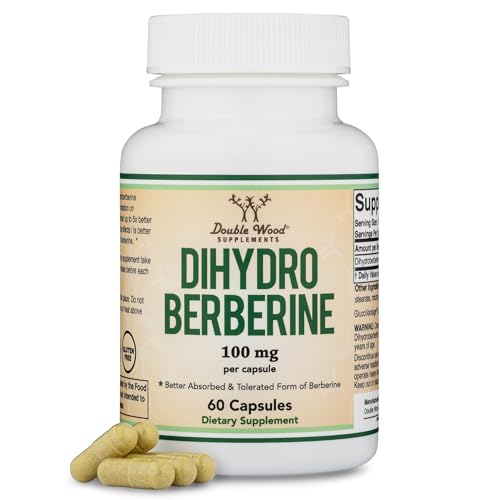
Evidence‑based dose: 900–1,500 mg/day of berberine HCl, split 2–3 doses, is commonly studied. Dihydroberberine (DHB) shows higher bioavailability in emerging data and is often dosed lower (e.g., 150–300 mg/day), but clinical outcomes data are less robust.
Quality and purity: Preference for third‑party testing (USP, NSF, Informed Choice, or documented ISO‑accredited labs), heavy‑metal screening, and identity assays.
Formulation: Simplicity (clean excipients), capsule size, sustained‑release options for GI comfort, or bioavailability‑enhanced forms when data support them.
Transparency: Clear label (berberine form, per‑capsule dose), no proprietary blends for primary actives.
Value: Cost per 500 mg equivalent and realistic monthly price at research‑backed doses.
For a step‑by‑step checklist of supplement quality markers, see How to Choose Quality Supplements (/articles/how-to-choose-quality-supplements).
Top 8 berberine supplements — ranked
These are ranked by evidence alignment, testing rigor, dose flexibility, and value. Because product availability changes, we describe the ideal specs for each “pick” and suggest what to look for. Where helpful, we include 2–3 example links using placeholders; these are not endorsements or health claims, just options to consider.
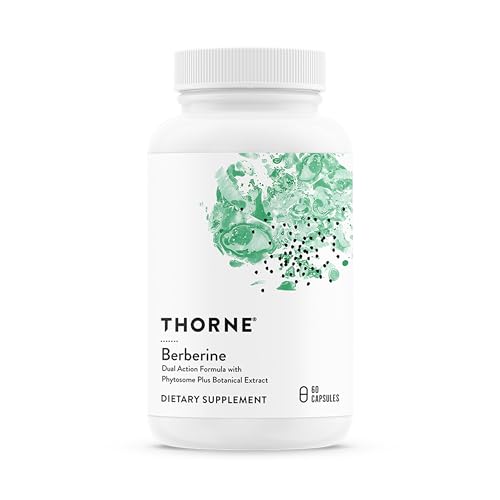
1) Editor’s Pick: USP‑Verified Berberine HCl, 500 mg per capsule
Snapshot: Berberine HCl, 500 mg; USP‑Verified or equivalent third‑party seal; vegan capsule; no proprietary blends.
Why it stands out: Hits the sweet spot of dose flexibility, strong clinical precedent (most trials use berberine HCl), and rigorous testing.
Who it’s best for: Most people seeking metabolic support at evidence‑based dosing.
Pros: Strong evidence base; easy to split doses (500 mg 2–3x/day); typically good value per mg.
Cons: GI upset possible at higher doses without food; capsules can be large.
Who it’s best for: Budget‑minded shoppers willing to take 2–3 capsules daily.
Pros: Lowest cost per effective dose; straightforward labeling.
Cons: No frills (no SR coating); verify testing proof.
5) Best Low‑Dose Flexibility: Berberine HCl, 200–300 mg Capsules
Snapshot: Smaller capsules (e.g., 250 mg) for gradual titration and fine‑tuning.
Why it stands out: Lower per‑capsule dose helps minimize side effects while ramping up.
Who it’s best for: People new to berberine, those with GI sensitivity, or lightweight users.
Pros: Easier dose customization; may improve adherence.
Cons: More capsules to reach higher daily totals; sometimes higher price per mg.
6) Best Combination for Metabolic Support: Berberine + ALA + Ceylon Cinnamon
Snapshot: A formula combining berberine with alpha‑lipoic acid (ALA) and true Ceylon cinnamon.
Why it stands out: Ingredients with complementary mechanisms for insulin sensitivity and post‑meal glucose, based on moderate evidence when used individually.
Who it’s best for: People who prefer an all‑in‑one capsule and are not on multiple glucose‑lowering drugs.
Pros: Convenience; potentially synergistic.
Cons: Harder to adjust individual doses; more interaction considerations; ensure Cinnamomum verum (Ceylon) is used to limit coumarin exposure.
7) Best for Lipids Focus: Berberine + Citrus Bergamot (No Red Yeast Rice)
Snapshot: Berberine paired with citrus bergamot extract; avoids red yeast rice (which contains statin‑like monacolins).
Why it stands out: Both ingredients have evidence for lipid support; avoids duplicating statin effects for those already on statins.
Who it’s best for: People prioritizing LDL/triglyceride support without adding statin‑like compounds.
Pros: Targeted for lipids; can complement lifestyle changes.
Cons: Combination may increase cost; monitor if on lipid‑lowering meds.
8) Best Powder for Custom Dosing: Pure Berberine HCl Powder
Snapshot: Scoopable powder for mixing into liquids; requires a precise milligram scale.
Why it stands out: Maximal control over dose and cost; useful for micro‑titration.
Who it’s best for: Advanced users comfortable measuring powder; those needing unusual doses.
Pros: Cost‑effective long term; flexible.
Cons: Bitter taste; can stain; accuracy depends on a good scale; not as convenient as capsules.
Add‑ons: Cinnamon (Ceylon), ALA, inositol (for PCOS), or bergamot may be appropriate for targeted goals. Blends reduce dose flexibility and increase interaction checks.
Quality seals: Look for USP, NSF, Informed Choice, or published third‑party lab reports (identity, potency, heavy metals, microbes). Avoid proprietary blends for the primary active.
Capsule vs powder: Capsules are convenient and consistent; powders suit custom dosing but demand precision.
For a practical label‑reading checklist, see How to Choose Quality Supplements (/articles/how-to-choose-quality-supplements).
Safety, interactions, and side effects — who should avoid berberine and when to consult a clinician
Common side effects
GI: Nausea, cramping, constipation or loose stools, and yellow stool coloration. Typically improve by starting low, taking with meals, and using divided doses.
Blood sugar: Additive glucose‑lowering with medications or other supplements may require monitoring.
Who should avoid or seek medical guidance first
Pregnancy and breastfeeding: Avoid. Berberine may cross the placenta and has been associated with risk of neonatal jaundice; traditional texts also caution uterine stimulation. Evidence level: caution based on limited human data and mechanistic concerns.
Newborns and infants: Avoid due to risk of bilirubin displacement and jaundice. Evidence level: caution/traditional.
Liver or kidney disease: Use only with clinician oversight; dose adjustments and monitoring may be needed.
Low blood pressure, recurrent hypoglycemia, or frailty: Consider lower doses and close monitoring.
Medication interactions to know
Cyclosporine and other narrow‑therapeutic‑index drugs: Berberine can inhibit CYP3A4 and P‑glycoprotein, potentially increasing drug levels. Strong caution and medical supervision required.
Diabetes medications (metformin, sulfonylureas, insulin): Additive effects on glucose; monitor and coordinate with your clinician.
Anticoagulants/antiplatelets and some statins: Theoretical interaction via CYP pathways and P‑gp; monitor as advised by your prescriber.
Many herb‑herb interactions are possible in complex stacks; see Interactions Between Herbal Supplements (/articles/interactions-between-herbal-supplements) for guidance.
More on prudent use: Are Herbal Supplements Safe? (/articles/are-herbal-supplements-safe)
This section is not exhaustive. Always consult your healthcare professional if you take prescription medications or have medical conditions.
How to take berberine: timing, typical dosing strategies, and stacking
Timing and dosing
Start low: 200–500 mg with the largest meal; assess GI tolerance for 3–5 days.
Build to research‑informed dosing: 500 mg 2–3 times daily with meals (total 900–1,500 mg/day). For DHB, consider 150–300 mg/day in divided doses, pending clinician input.
With meals: Taking with carbohydrates may help minimize GI effects and target post‑meal glucose spikes.
Duration: Many trials run 8–16 weeks; some extend to 6–12 months. Long‑term safety data beyond a year are limited; periodic check‑ins and lab monitoring are sensible.
Smart stacks (with clinical oversight)
For metabolic health: Berberine + fiber (e.g., psyllium), omega‑3s, and regular exercise. Evidence suggests complementary benefits through different mechanisms.
For PCOS: Berberine + inositol forms (myo‑/D‑chiro) under clinician guidance.
For lipids: Berberine + citrus bergamot, diet high in viscous fiber, and weight management efforts.
Use caution combining multiple glucose‑lowering supplements (e.g., high‑dose cinnamon, Gymnema, bitter melon) due to additive effects.
FAQs
Berberine vs. metformin: Studies indicate both improve insulin sensitivity and glycemic markers. Metformin has far stronger long‑term evidence, safety data, and regulatory oversight. Berberine may be an adjunct for those not on medication or as add‑on under clinician guidance. Do not stop prescribed meds without medical advice.
Can I use berberine long term? Research up to 6–12 months suggests continued benefit and reasonable tolerance for many, but robust long‑term safety data are limited. Consider periodic breaks and lab monitoring with your clinician.
Is it safe in pregnancy? Not recommended. Due to potential effects on the fetus and neonatal jaundice risk, avoid in pregnancy and breastfeeding.
Pediatric use? Generally not recommended, especially in infants. For adolescents with specific indications, consult a pediatric specialist.
Berberine for weight loss alone? Expect modest changes. It seems most effective when insulin resistance is present and when combined with diet, movement, and sleep optimization.
Where to buy, discount tips, and final recommendation
Buying channels: Reputable brands’ direct websites or large retailers with transparent testing. Look for third‑party certifications (USP, NSF, Informed Choice) and published lab results.
Price checks: Compare cost per 500 mg equivalent and per 30‑day supply at your target dose. Subscriptions and larger bottle sizes often lower the monthly cost.
Return policies: Favor brands with 30–60 day guarantees and responsive customer support.
Most people will do best starting with a clean, third‑party tested berberine HCl 500 mg capsule and titrating to 1,000–1,500 mg/day in divided doses, taken with meals. If GI tolerance is an issue, consider sustained‑release HCl or dihydroberberine at an appropriately lower dose. Pair with foundational lifestyle changes and clinical monitoring for the most meaningful results.
Practical takeaways
Choose quality: Third‑party testing (USP/NSF) matters as much as the dose.
Start low, go slow: Build to 900–1,500 mg/day (HCl) if tolerated; consider DHB for sensitivity.
Take with meals, split doses: Enhances tolerance and targets post‑meal glucose.
Check interactions: Especially if on glucose‑lowering meds or CYP3A4/P‑gp substrates.
Monitor progress: Track fasting glucose, A1C, lipids, and symptoms with your clinician.
Disclaimer
This content is for educational purposes only and is not a substitute for professional medical advice, diagnosis, or treatment. Always talk with your healthcare provider before starting any new supplement, especially if you take prescription medications, are pregnant or breastfeeding, or have a medical condition.
This content is for informational purposes only and does not constitute medical advice. Always consult a qualified healthcare provider before starting, stopping, or changing any supplement or medication regimen.
Berberine. . ## Overview
**Berberine** is a naturally occurring alkaloid found in several plants, including *Berberis* species, goldenseal, Oregon grape, and tree turmeric. In supplement form, it is widely discussed for its potential effects on **blood sugar regulation, lipid metabolism, gastrointestinal health
Best Turmeric Supplement: Top Curcumin Picks & Buying Guide. If you’re searching for the best turmeric supplement, you’ve likely noticed a dizzying array of capsules, gummies, liquids, and “curcumin complexes.” Which ones actually deliver enough curcuminoids to matter? Which forms absorb well? And how do you avoid fillers or products that don’t match the labe
Best Adaptogen Supplements: Top-Rated Options Backed by Research. If you’re searching for the best adaptogen supplements, you likely want something that helps you manage stress, support steady energy, or sleep better—without relying on stimulants or sedatives. This guide compares top adaptogens, what the research suggests they can and can’t do, how to choose teste
Best Ashwagandha Supplements: Top Picks, Dosing & Safety. If you’re hunting for the best ashwagandha supplement, you’re probably comparing labels, wondering which extracts are legit, and how much you actually need. Below you’ll find our 2026 top picks, how we evaluated them, what the research says, and practical dosing and safety guidance so you can buy wi
If you’re exploring herbal supplements, you’re likely asking two big questions: Do they work, and how do I choose safe, high-quality options? This guide explains what herbal supplements are, what the
Best Vitamin D Supplements: Top Picks & Buying Guide. If you’re wondering how to choose the best vitamin D supplement for your needs, you’re not alone. Vitamin D supports bone health, immune function, and mood, yet many of us fall short—especially in winter or with limited sun exposure. This guide reviews how to pick a high‑quality product, who might b