If you’re hunting for the best ashwagandha supplement, you’re probably comparing labels, wondering which extracts are legit, and how much you actually need. Below you’ll find our 2026 top picks, how we evaluated them, what the research says, and practical dosing and safety guidance so you can buy with confidence.
Note: Ashwagandha is a well‑studied adaptogen, but quality varies widely. Research suggests benefits for stress, sleep, and cognition, yet the “best ashwagandha supplement” for you depends on your goals, tolerance, and budget.
Top Ashwagandha Supplements — Our 2026 Picks
These are category winners based on extract quality, standardization, third‑party testing, value, and user friendliness. Use this as a quick shortlist, then see details below on how to choose.
Best overall (full‑spectrum root extract, daily use)
- What we look for: KSM‑66 (root‑only) standardized to ~5% withanolides, 300–600 mg/day, third‑party tested.
- Why it stands out: Balanced profile with low withaferin A, solid RCT support for stress and sleep, widely available.
- Pros: Research‑backed dosing; generally gentle; versatile for daytime or evening.
- Cons: Some people need two capsules daily for optimal effect; not ideal if you prefer leaf‑and‑root blends.
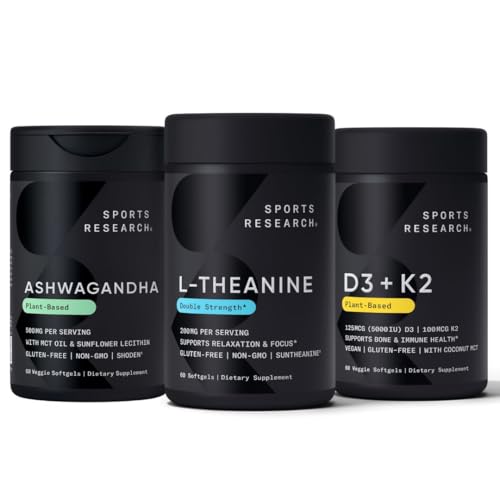
- Worth considering: many people find Product Name helpful as a daily KSM‑66 option (choose third‑party tested).
Best for stress and daytime calm (higher withanolide potency)
- What we look for: Sensoril (leaf + root) standardized to ~10% withanolides, 125–250 mg/day.
- Why it stands out: Studies indicate pronounced effects on perceived stress and cortisol at relatively low milligram doses.
- Pros: Smaller capsules; often strong stress support at 125–250 mg.
- Cons: Leaf content can be more stimulating for some; take earlier in the day if sensitive.
Best budget capsule (standardized extract, transparent label)
- What we look for: Root extract standardized to 2.5–5% withanolides, clear withanolide assay method (e.g., HPLC), no proprietary blends.
- Pros: Excellent cost per effective mg; simple formula; easy to titrate.
- Cons: May require 500–600 mg/day for similar effects to premium extracts.
- Value tip: many shoppers like Product Name for a no‑frills, standardized capsule.
Best organic root powder (smoothies and flexible dosing)
- What we look for: USDA Organic, low heavy metals, pesticide‑screened, whole root powder.
- Pros: Adaptable dose; economical per gram; good for tea or smoothies.
- Cons: Earthy taste; larger daily amounts (3–6 g) typically needed; less consistent actives than standardized extracts.
Best gummy (taste‑first, low‑dose support)
- What we look for: Disclosed extract standardization, minimal added sugar, realistic dose per serving.
- Pros: Easy adherence; good entry point for sensitive users.
- Cons: Often under‑dosed; added sugars; not ideal for clinical‑level support.
- Note: some prefer Product Name gummies for convenience; confirm withanolide content on label.
Best liquid tincture (fast, adjustable dosing)
- What we look for: Alcohol‑free or standard tincture with clear extract ratio (e.g., 1:2 or 1:5), third‑party purity.
- Pros: Rapid titration; useful if you dislike capsules.
- Cons: Taste; variable withanolide delivery vs standardized capsules.
Best for athletes (tested for banned substances)
- What we look for: Informed Sport or NSF Certified for Sport, KSM‑66 600 mg/day split dosing.
- Pros: Label transparency; batch testing; studies indicate potential strength and recovery benefits.
- Cons: Pricier per mg due to sports certification.
How We Picked: Criteria That Matter
Standardized extracts and transparency
- We prioritized clinically used extracts (KSM‑66 root‑only at ~5% withanolides; Sensoril leaf+root at ~10%) and products that disclose the assay method (HPLC preferred). We avoid “proprietary blends” that obscure withanolide content.
Potency that matches research
- Most positive trials used 300–600 mg/day of root extract (KSM‑66) or 125–250 mg/day of leaf+root extract (Sensoril). We rated products higher when per‑serving doses matched these ranges.
Third‑party testing and purity
- We favored brands with independent testing for identity, potency, heavy metals, pesticides, and microbes. Premium points for USP, NSF, Informed Choice/Informed Sport, or ConsumerLab verification. For more on vetting supplement quality, see How to Choose Quality Supplements: A Practical, Evidence‑Based Checklist (/articles/how-to-choose-quality-supplements).
Clean formulas and labeling
- Minimal unnecessary additives; vegan or allergen‑free when possible; clear serving size and withanolide standardization.
Value
- We compared cost per effective mg of standardized extract. Bigger bottles and subscribe‑and‑save options usually lower the price per day.
What the Research Says on Ashwagandha Benefits
Evidence snapshot: Overall, research ranges from moderate to strong for stress and sleep, and emerging to moderate for cognition and physical performance. Traditional Ayurvedic use spans vitality, resilience, and sleep support.
Stress and anxiety (evidence: moderate to strong)
- Multiple randomized controlled trials (RCTs) and meta‑analyses report reductions in perceived stress and anxiety scores, with modest cortisol lowering. Doses commonly 240–600 mg/day of standardized extract for 6–8 weeks.
Sleep quality (evidence: moderate)
- Several RCTs show improvements in sleep onset latency and overall sleep quality, especially in those with mild insomnia or high stress. Benefits often appear after 4–8 weeks.
Cognition and focus (evidence: emerging to moderate)
- Early trials suggest improvements in memory, attention, and executive function in stressed or mild cognitive complaints. Effects are generally modest and dose‑dependent.
Physical performance and recovery (evidence: emerging)
- Small RCTs in active adults indicate possible gains in strength, VO2 max, and recovery markers at 500–600 mg/day over 8–12 weeks. Findings are promising but not uniform across studies.
Other areas under study (evidence: emerging/traditional)
- Libido and fertility parameters, thyroid support in subclinical hypothyroidism, and metabolic markers have preliminary or mixed data. Traditional use includes “rasayana” (rejuvenative) applications, but modern trials are limited in scope.
Want a deeper dive into outcomes and study designs? See Ashwagandha Benefits: Evidence‑Based Guide for Stress, Sleep & More (/articles/ashwagandha-benefits-evidence-based-guide).
Dosing, Forms, and Bioavailability
Safety, Side Effects, and Interactions — Who Should Avoid It
Overall, standardized ashwagandha is generally well tolerated in studies at typical doses. Still, certain groups should avoid or use medical guidance.
For a detailed safety overview, see Ashwagandha Side Effects: Risks, Interactions, and Safety Guide (/articles/ashwagandha-side-effects-risks-interactions-safety-guide).
How to Choose the Best Product for You
Match the extract to your goal
- Gentle, all‑around support: KSM‑66 (root‑only) at 300–600 mg/day is well studied for stress and sleep.
- Potent stress/cortisol focus: Sensoril (leaf + root) at 125–250 mg/day can be effective at lower mg.
- Traditional approach or smoothie use: Organic whole root powder, 3–6 g/day divided.
Check standardization and testing
- Look for withanolide percentage and the assay method (HPLC). Prioritize products with third‑party testing for identity, potency, and contaminants.
Choose a form you’ll actually take
- Capsules: Most consistent and convenient.
- Powder: Best value and flexible dosing, but stronger taste.
- Gummies: Taste‑first with lower doses; suitable for sensitive users.
- Tinctures: Adjustable, quick to dose; confirm extract ratio and testing.
Full‑spectrum vs isolate
- Full‑spectrum extracts aim to mirror the root’s natural balance (e.g., KSM‑66). Isolated or spiked products may push withanolide levels unnaturally high, which some experts discourage.
Vegan, organic, and allergens
- If important to you, choose vegan capsules, USDA Organic powders, and formulas free from common allergens. Review excipients if you’re sensitive.
Pricing sanity check
- Compare cost per effective mg. A fair daily price for a clean, third‑party tested 300–600 mg extract typically falls in a mid‑tier range; extreme bargains may cut corners on testing.
FAQs, Shopping Tips, and Final Recommendations
What’s the single best ashwagandha supplement?
- There’s no one‑size‑fits‑all. For everyday stress and sleep, a third‑party tested KSM‑66 at 300–600 mg/day is a reliable starting point. If you want strong stress support at a lower mg dose, consider Sensoril at 125–250 mg/day. If taste and tradition appeal, an organic root powder is budget‑friendly.
Can I take it with magnesium or other calming supplements?
- Many people pair ashwagandha with magnesium or L‑theanine at night. If stacking, start low to assess drowsiness and interactions with medications. For an evidence‑based look at combining with magnesium, see Can You Take Ashwagandha and Magnesium Together? Benefits, Risks & Timing (/articles/can-you-take-ashwagandha-and-magnesium-together).
When should I take it — morning or night?
- If you feel sedated, take it in the evening. If you feel energized, shift to morning. Split dosing (e.g., 300 mg AM + 300 mg PM) is common in trials.
How long should I try it before deciding if it helps?
- Give it 6–8 weeks at a research‑supported dose, barring side effects. Some notice benefits much sooner, but steady gains usually build over weeks.
Where should I buy?
- Reputable brand websites and major retailers with transparent COAs (certificates of analysis) are best. Check batch numbers and dates. Look for NSF/USP/ConsumerLab or sports‑certified seals when relevant.
Any coupon strategies?
- Subscribe‑and‑save offers, loyalty programs, and seasonal sales can lower cost per day. Buying 2–3 months at once often secures free shipping and better pricing.
What if I’m sensitive to herbs?
- Start with 125–150 mg of a standardized extract or a small amount of organic powder. Increase gradually every few days. Consider gummies or tinctures for micro‑dosing.
Are there people who shouldn’t take it?
- Yes. Avoid in pregnancy/breastfeeding, use caution with thyroid or autoimmune conditions, and speak with your clinician if you take sedatives, blood pressure, blood sugar, or immunosuppressant medications.
Practical Takeaways
- If you want the most studied option, choose a third‑party tested KSM‑66 capsule at 300–600 mg/day.
- For stronger stress support at lower mg, consider Sensoril at 125–250 mg/day.
- If budget matters and you don’t mind taste, organic root powder (3–6 g/day) is economical but less standardized.
- Confirm withanolide percentage and testing; avoid proprietary blends with unclear actives.
- Take with food, start low, evaluate at 6–8 weeks, and loop in your clinician if you have medical conditions.
For broader context on adaptogens and alternatives, see Adaptogens Decoded: Ashwagandha, Rhodiola & Holy Basil (/articles/adaptogens-guide), and for a thorough look at safety and interactions, visit Ashwagandha Side Effects: Risks, Interactions, and Safety Guide (/articles/ashwagandha-side-effects-risks-interactions-safety-guide). To sharpen your label‑reading skills, bookmark How to Choose Quality Supplements (/articles/how-to-choose-quality-supplements).
Disclaimer
This article is for educational purposes and is not a substitute for professional medical advice, diagnosis, or treatment. Always consult your healthcare provider before starting any new supplement, especially if you’re pregnant or breastfeeding, have a medical condition (including thyroid or autoimmune disorders), or take prescription medications.