If you’re searching for the best adaptogen supplements, you likely want something that helps you manage stress, support steady energy, or sleep better—without relying on stimulants or sedatives. This guide compares top adaptogens, what the research suggests they can and can’t do, how to choose tested products, and how to use them safely.
Adaptogens bridge Eastern and Western perspectives: they’re traditionally used herbs and fungi believed to help the body adapt to physical and emotional stressors, and they’re increasingly studied in modern clinical trials. We’ll clearly label the evidence level for each pick and give you practical, science-informed dosing tips.
What are adaptogens? (brief science and evidence)
Adaptogens are botanicals and functional mushrooms that may increase “stress resilience.” They seem to work by influencing key stress and energy pathways—especially the hypothalamic–pituitary–adrenal (HPA) axis and related messengers like cortisol and catecholamines. Many also act as antioxidants and modulate inflammatory signaling (for example, curbing NF‑kB activity) and cellular energy sensors like AMPK.
- Eastern perspective: In Ayurveda and Traditional Chinese Medicine (TCM), herbs like ashwagandha (Withania somnifera), holy basil (tulsi), Panax ginseng, schisandra, and cordyceps have long been used to restore balance, vitality (ojas/qi), and calm.
- Western perspective: Modern studies evaluate outcomes such as perceived stress, anxiety symptoms, mental and physical fatigue, sleep quality, VO2 max, and biomarkers like cortisol and inflammatory cytokines.
For a deeper primer on how classic adaptogens are defined and used, see our overview: Adaptogens Decoded: Ashwagandha, Rhodiola & Holy Basil.
What the Research Says
- Ashwagandha: Strong evidence for stress reduction and sleep quality improvements in adults, based on multiple randomized controlled trials (RCTs) and meta‑analyses. Some studies show reduced cortisol and better anxiety scores.
- Rhodiola rosea: Moderate evidence for reducing fatigue and improving mood/stress in mild cases; several RCTs support benefits, though methodologies vary.
- Holy basil (tulsi): Emerging to moderate evidence from small RCTs and observational studies for stress, mood, and metabolic markers; more high‑quality trials are needed.
- Panax ginseng: Moderate evidence for fatigue and aspects of cognitive performance, with mixed findings across RCTs and meta‑analyses.
- Schisandra chinensis: Emerging evidence from small human trials and a larger base of animal/mechanistic research suggesting anti‑fatigue and stress‑modulating effects.
- Cordyceps (C. militaris, C. sinensis/CS‑4): Emerging evidence for endurance and anti‑fatigue in small trials; quality and species standardization are key issues.
We classify evidence levels as: strong (multiple RCTs/meta‑analyses), moderate (limited RCTs/observational), emerging (preliminary/animal), or traditional (historical use without modern clinical evidence).
How we selected and ranked supplements
We ranked the best adaptogen supplements using the following criteria:
- Evidence base
- Priority to herbs/fungi with the most consistent human data in adults for stress, fatigue, sleep, or cognitive performance.
- Quality and purity
- Third‑party testing (USP, NSF, Informed Choice/BSCG, or published Certificates of Analysis) and cGMP manufacturing.
- Clear species identification (e.g., Panax ginseng, Rhodiola rosea), plant part (root vs. leaf), and extract standardization (e.g., withanolides for ashwagandha; rosavins/salidroside for rhodiola; ginsenosides for ginseng; schisandrins for schisandra; cordycepin/beta‑glucans for cordyceps).
- Transparency and dosing
- Non‑proprietary formulas or fully disclosed dosages that align with studied ranges.
- User experience and value
- Consumer feedback on tolerability, capsule count per effective dose, and price per effective serving.
Top Adaptogen Supplements — Our Picks
Below are our research‑informed picks with quick pros/cons, typical dosing, and our evidence rating for each category.
1) Ashwagandha (Withania somnifera) — best overall for stress and sleep
- Evidence level: strong
- Why people choose it: Studies indicate reductions in perceived stress and cortisol, better sleep quality, and mild anxiety support.
- Mechanisms: Withanolides may modulate the HPA axis, GABAergic signaling, and inflammatory pathways.
- Typical dose: 300–600 mg/day of root extract standardized to ~5% withanolides (e.g., KSM‑66 600 mg/day; Sensoril 125–250 mg/day; Shoden 120–240 mg/day).
- Pros:
- Strongest human evidence among adaptogens for stress/sleep
- Generally calming; often works within 2–8 weeks
- Cons:
- Can be too sedating for daytime use in some
- May affect thyroid labs; avoid leaf‑only extracts
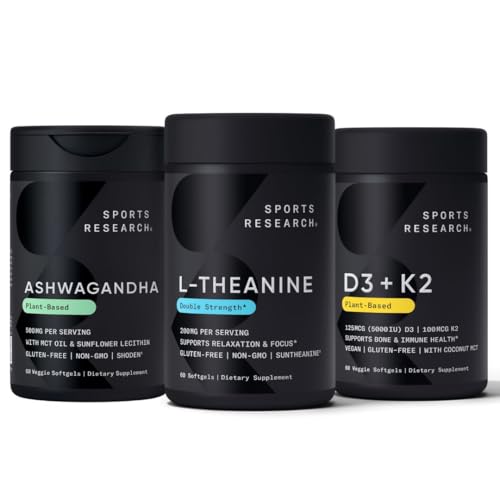
Many people find KSM‑66 Ashwagandha Root Extract helpful as a daily option; look for third‑party testing and withanolide content disclosure. For a deeper dive on benefits and dosing, see our guide: Ashwagandha Benefits: Evidence-Based Guide for Stress, Sleep & More and our supplement profile: Ashwagandha.
2) Rhodiola rosea — best for mental/physical fatigue and daytime stress
- Evidence level: moderate
- Why people choose it: Research suggests reduced fatigue and improved stress resilience and mood in mild to moderate cases, especially under high workload.
- Mechanisms: Rosavins/salidroside may influence monoamines (serotonin, dopamine, norepinephrine) and HPA axis tone; mild stimulating effect for some.
- Typical dose: 200–400 mg/day standardized to ~3% rosavins and 1% salidroside; many take in the morning.
- Pros:
- Noticeable daytime “smooth energy” for some
- May aid motivation and task persistence
- Cons:
- Can be stimulating or “edgy” at high doses
- Product quality varies by species and standardization
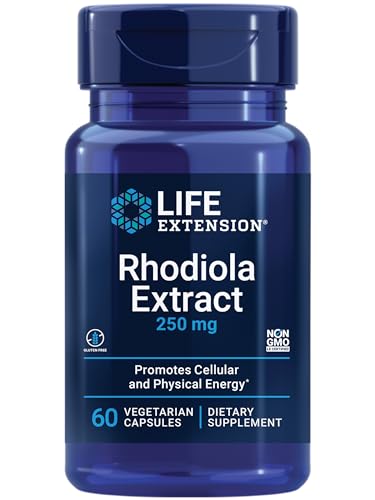
If you prefer a standardized extract, many people consider Rhodiola Rosea 3% Rosavins / 1% Salidroside; verify the species (R. rosea) and testing. Explore our monograph: Rhodiola Rosea.
3) Holy Basil (Tulsi) — calming support with metabolic upside
- Evidence level: emerging to moderate
- Why people choose it: Traditionally used for calm and clarity; limited trials suggest benefits for stress, mood, and some metabolic markers.
- Mechanisms: Polyphenols (e.g., eugenol, ursolic acid) may modulate stress signaling, inflammation, and glycemic response.
- Typical dose: 300–600 mg/day of standardized leaf extract; teas/tinctures are traditional alternatives.
- Pros:
- Gentle calming effects; often well tolerated
- Flexible formats (capsule, tea)
- Cons:
- Dosing and standardization vary widely
- Limited high‑quality RCTs
4) Panax ginseng (Asian/Korean ginseng) — vitality and cognitive support
- Evidence level: moderate
- Why people choose it: Studies indicate benefits for fatigue and aspects of cognitive function, with mixed results across trials.
- Mechanisms: Ginsenosides may influence nitric oxide pathways, HPA axis, and neurotransmission; can feel energizing.
- Typical dose: 200–400 mg/day of standardized extract (often 5–20% ginsenosides) or 1–2 g/day of dried root.
- Pros:
- Broad traditional use in TCM for vitality (qi)
- May support physical and mental performance
- Cons:
- Stimulating for some; may affect blood sugar and blood pressure
- Interactions with certain meds (e.g., warfarin) are possible
Learn more in our profile: Ginseng (Panax).
5) Schisandra chinensis — liver‑friendly tonic with anti‑fatigue promise
- Evidence level: emerging
- Why people choose it: Traditionally used in TCM to “calm the spirit” and support endurance; preliminary human studies suggest anti‑fatigue effects.
- Mechanisms: Lignans (schisandrin A/B) may support antioxidant defenses, mitochondrial function, and hepatic enzymes.
- Typical dose: 500–1,000 mg/day of standardized extract (e.g., to schisandrins), or traditional decoction/tea from berries.
- Pros:
- Gentle, often well tolerated
- Fits well into blends targeting endurance and stress resilience
- Cons:
- Limited modern clinical evidence
- Potential for CYP/P‑gp interactions at higher doses
6) Cordyceps (C. militaris or CS‑4) — endurance and recovery support
- Evidence level: emerging
- Why people choose it: Small trials suggest improvements in VO2 max or fatigue resistance, with mixed results; many users take it for training blocks.
- Mechanisms: Cordycepin and polysaccharides may influence ATP production, nitric oxide, and immune modulation.
- Typical dose: C. militaris fruiting body extract 1–2 g/day; CS‑4 mycelial extract 1–3 g/day. Look for beta‑glucans and species labeling.
- Pros:
- Non‑jittery energy support for some
- Fits in daytime stacks without sedation
- Cons:
- Quality varies; species and part (fruiting body vs. mycelium) matter
- Limited, heterogeneous clinical evidence
7) Thoughtful Combination Blends — convenience with caveats
- Evidence level: varies by ingredients
- Why people choose them: One capsule can cover multiple bases (e.g., ashwagandha + rhodiola + holy basil).
- What to look for: Full label transparency (no proprietary blends), clinically relevant doses, and standardized extracts.
- Pros:
- Convenient, often cost‑effective
- Synergistic potential (calming + energizing balance)
- Cons:
- Sub‑therapeutic doses are common
- Harder to identify what works for you
If you prefer an all‑in‑one, many people try Adaptogen Complex (Ashwagandha + Rhodiola + Holy Basil) as a starting point—choose formulas that disclose exact milligrams and standardizations.
Best adaptogens for specific goals
For stress and anxiety
- Top single: Ashwagandha (strong evidence). 300–600 mg/day of standardized root extract; consider evening dosing if calming.
- Also consider: Holy basil (emerging to moderate), Schisandra (emerging) for gentle daytime calm.
- Blends: Ashwagandha + Holy Basil can balance calm with daytime function.
- Internal resources: See our overview of science‑backed options: Supplements for Stress Management: Evidence‑Based Options, Dosage & Safety.
For energy and focus
- Top singles: Rhodiola (moderate evidence) 200–400 mg AM; Panax ginseng (moderate) 200–400 mg AM.
- Also consider: Cordyceps (emerging) 1–2 g/day for non‑jittery support.
- Stacks: Rhodiola + Panax ginseng in the morning; add L‑theanine or a B‑complex if needed (diet‑dependent). Avoid late‑day dosing.
For recovery and sleep
- Top single: Ashwagandha (strong) 300–600 mg in the evening for calmer sleep onset.
- Also consider: Schisandra 500–1,000 mg early evening; Holy basil tea after dinner.
- Stacks: Ashwagandha PM + Schisandra early evening on training days.
Many people like to keep a simple day/night setup—rhodiola or ginseng in the morning, ashwagandha in the evening. If you need a simple starter, a third‑party tested Cordyceps Militaris Fruiting Body Powder can be a daytime add‑on during heavier work or training weeks.
Dosing, timing, and how to stack adaptogens safely
- Start low, go slow: Begin at the low end of studied ranges for 3–7 days, then adjust.
- Morning vs. evening:
- Morning/early afternoon: Rhodiola, Panax ginseng, cordyceps (mildly energizing for many)
- Evening: Ashwagandha (often calming); schisandra can be taken late afternoon/early evening
- Cycling: Many clinicians suggest 8–12 weeks on, 2–4 weeks off, or 5 days on/2 off—helpful if sensitivity or diminishing returns occur. Evidence for cycling is experiential rather than from RCTs.
- Stacking principles:
- Balance: Pair a calming adaptogen (ashwagandha, holy basil) with an activating one (rhodiola, ginseng) if you need all‑day coverage.
- One change at a time: Introduce one new adaptogen every 1–2 weeks to gauge effects.
- Avoid redundancy: Two stimulating adaptogens together can feel racy; two sedating ones may cause daytime sluggishness.
Common studied dosing ranges
- Ashwagandha: 300–600 mg/day standardized root extract (e.g., ~5% withanolides). Sensoril often 125–250 mg/day.
- Rhodiola rosea: 200–400 mg/day standardized to ~3% rosavins, 1% salidroside.
- Holy basil: 300–600 mg/day of standardized extract; teas/tinctures follow label.
- Panax ginseng: 200–400 mg/day extract (5–20% ginsenosides) or 1–2 g root.
- Schisandra: 500–1,000 mg/day standardized extract (schisandrins) or traditional preparations per label.
- Cordyceps: 1–2 g/day C. militaris fruiting body extract; CS‑4 mycelium 1–3 g/day. Look for beta‑glucan and cordycepin disclosure.
Safety, side effects, drug interactions, and when to consult a clinician
This information is educational and not a substitute for medical care. Discuss new supplements with your healthcare professional—especially if you take medications, are pregnant/trying to conceive, or have chronic conditions.
Ashwagandha
- Side effects: GI upset, drowsiness; rare liver cases reported in case reports (causality debated). May increase thyroid hormone levels in some.
- Interactions/cautions: Sedatives, thyroid meds, immunosuppressants, autoimmune disease. Generally avoided in pregnancy due to limited safety data and traditional cautions.
Rhodiola rosea
- Side effects: Jitteriness/insomnia at high doses; headache; dry mouth.
- Interactions/cautions: May interact with stimulants; theoretical interaction with SSRIs/SNRIs due to monoamine effects; caution in bipolar spectrum disorders (activation risk). Limited pregnancy data.
Holy basil (tulsi)
- Side effects: Generally well tolerated; possible GI upset.
- Interactions/cautions: May affect blood sugar or clotting; animal data suggest possible effects on fertility—avoid in pregnancy/trying to conceive unless clinician‑approved.
Panax ginseng
- Side effects: Insomnia, nervousness, blood pressure changes, GI upset.
- Interactions/cautions: Anticoagulants (e.g., warfarin), hypoglycemics/insulin, MAO inhibitors; monitor blood sugar and blood pressure.
Schisandra chinensis
- Side effects: GI discomfort; rare liver enzyme elevations.
- Interactions/cautions: May affect CYP3A4 and P‑glycoprotein; use caution with narrow‑therapeutic‑index drugs (e.g., tacrolimus) and consult a clinician.
Cordyceps
- Side effects: GI upset, dry mouth; potential allergic reactions.
- Interactions/cautions: Immunomodulatory effects (caution with immunosuppressants); possible antiplatelet effects; ensure species identification and contaminant testing.
Seek medical advice promptly for severe anxiety/depression, persistent insomnia, unexplained fatigue, or if you experience rash, jaundice, severe GI symptoms, or mood activation after starting a supplement.
Where to buy and what to look for
- Third‑party testing: Prefer brands with USP, NSF, Informed Choice/BSCG certification, or published Certificates of Analysis (COAs) that confirm identity, potency, and purity (heavy metals, microbes, pesticides).
- Correct species and plant part:
- Ashwagandha: Root extract only is best‑studied; confirm withanolide standardization by HPLC.
- Rhodiola: Rhodiola rosea (not other species), standardized to ~3% rosavins/1% salidroside.
- Panax ginseng: Panax ginseng (Asian/Korean), standardized ginsenosides.
- Schisandra: S. chinensis with schisandrin standardization.
- Cordyceps: Identify species (C. militaris or CS‑4), fruiting body vs. mycelium, and beta‑glucan/cordycepin content.
- Full label transparency: Avoid proprietary blends that hide doses; look for per‑serving milligrams that match studied ranges.
- Sensible excipients: Limit unnecessary fillers, artificial colors, or allergens.
Practical takeaways
- If your main goal is stress relief and sleep: Start with ashwagandha in the evening.
- If you need daytime energy and focus without jitters: Try rhodiola or Panax ginseng in the morning; consider cordyceps during training blocks.
- Prefer a simple stack: Pair rhodiola AM with ashwagandha PM for balanced support.
- Prioritize quality: Third‑party testing, correct species/standardization, and transparent dosing are non‑negotiable.
FAQ
Are adaptogens addictive?
- Evidence does not suggest physical dependence. Some people prefer cycling to maintain sensitivity, but this is experiential.
How long until I notice effects?
- Calming effects (ashwagandha, holy basil) may appear within 1–2 weeks; energy/focus effects (rhodiola, ginseng) can be felt in days. Full benefits often take 4–8 weeks.
Can I take adaptogens long‑term?
- Many studies run 4–12 weeks, with some longer‑term traditional use. Long‑term safety data are limited; periodic check‑ins with a clinician and lab monitoring (if indicated) are prudent.
Are they safe in pregnancy or while trying to conceive?
- Safety data are limited; many clinicians avoid ashwagandha, rhodiola, schisandra, and holy basil during pregnancy/trying to conceive. Discuss with your prenatal care team.
Can I combine multiple adaptogens?
- Yes, but match the effects to your goals (e.g., rhodiola AM + ashwagandha PM). Introduce one at a time to judge tolerance; avoid stacking multiple stimulating extracts late in the day.
What about interactions with medications?
- Interactions are possible (e.g., anticoagulants, hypoglycemics, immunosuppressants, psychoactive meds). Review with your prescriber.
Educational disclaimer
This article is for educational purposes only and is not a substitute for personalized medical advice, diagnosis, or treatment. Always consult a qualified healthcare professional before starting any new supplement, especially if you have a medical condition, take prescription medications, are pregnant, or are planning surgery.